
Can You Use a Float Belt on a Kona Manta Ray Snorkel?
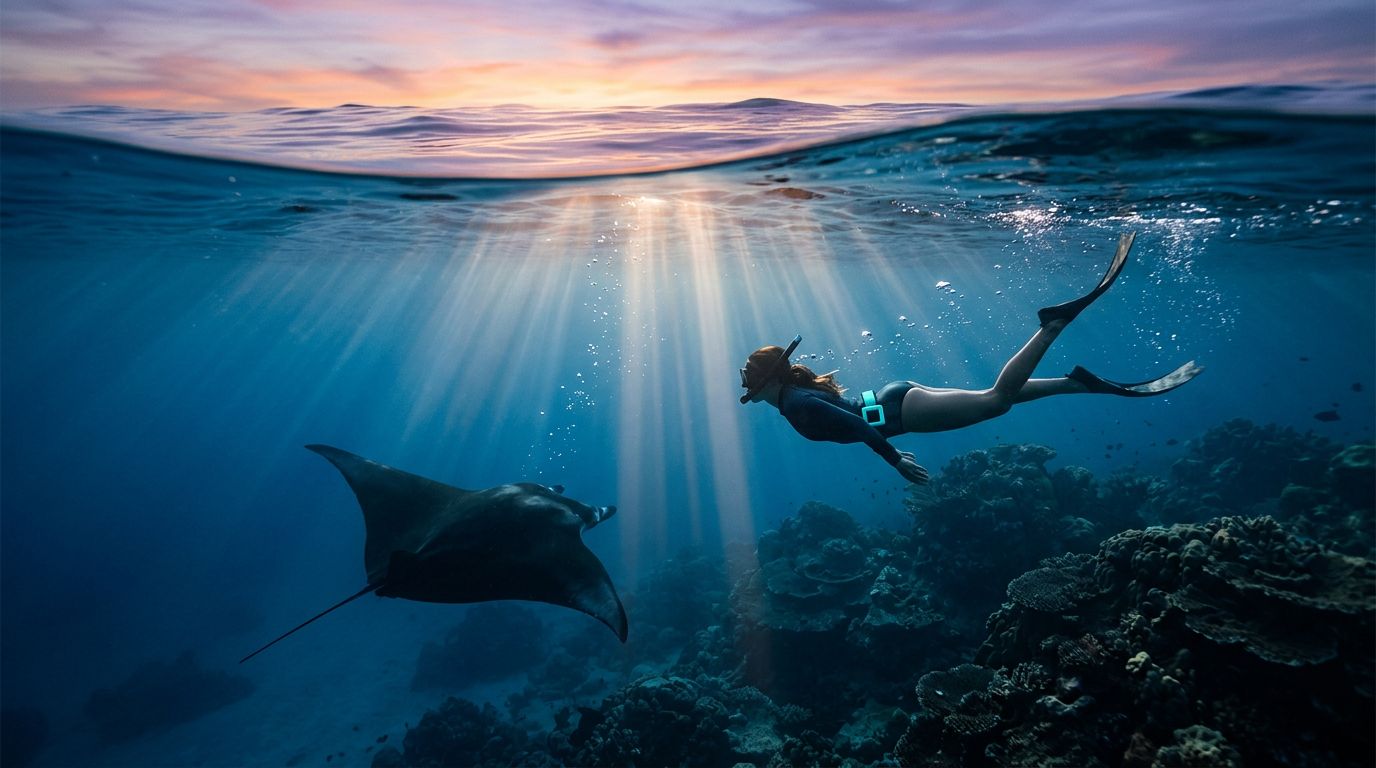
When you’re planning snorkeling Big Island Hawaii, a small piece of gear can change how steady you feel in the water. On a Kona manta ray snorkel, a float belt can help some people, but it isn’t the whole answer.
The real question is comfort, not convenience. You want to know whether the belt fits the tour rules, the night conditions, and your own swim skills. If you’re comparing manta-focused operators, Manta Ray Night Snorkel Hawaii is another place to look.
Kona Snorkel Trips keeps the experience focused on safety and comfort, so you know what to expect before you enter the water. The best choice is the one that matches your body, your confidence, and the tour setup.
What a float belt actually does
A float belt adds buoyancy around your waist. That can take pressure off your legs and help you stay calmer at the surface.
It does not hold your face up the way a vest or a board can. It also doesn’t replace good instructions from your guide.
For some swimmers, that little bit of support feels like a relief. For others, it barely changes anything. The difference comes down to how relaxed you already are in open water.
Kona Snorkel Trips offers top-rated Big Island snorkeling tours built around small groups and clear guidance, which matters more than any single piece of gear. If you want a float belt, ask how it fits into the tour plan before you book.
A float belt can make you feel steadier, but it shouldn’t replace the safety setup your guide expects.
Why the Kona manta setup is different
A night manta tour is not the same as casual reef snorkeling. You stay close to the group, hold a lighted board, and let the crew manage the setup around you.
That board matters. It keeps you in position and gives you a stable place to rest while the mantas move below. On a Big Island manta ray night snorkel, the board and the guide’s direction matter more than a belt alone.
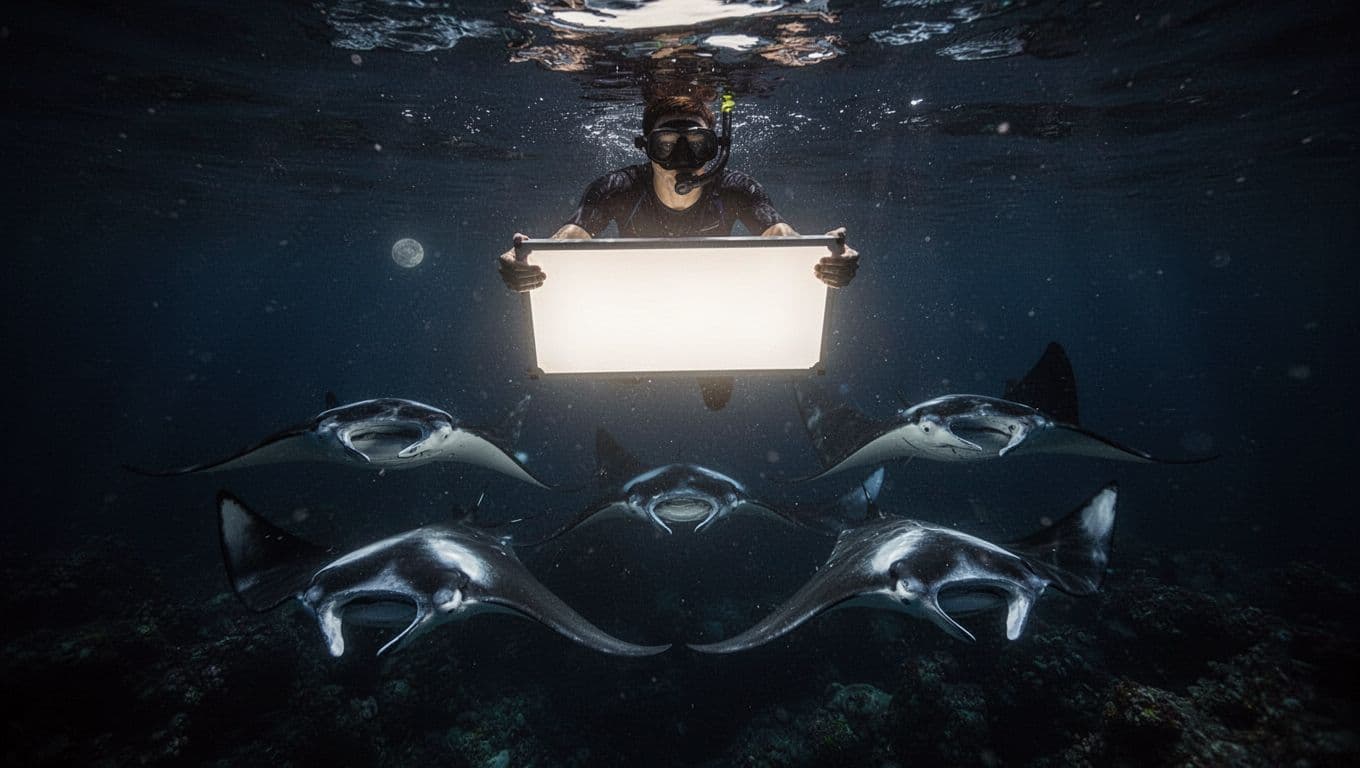
The water may look calm, yet night conditions can still feel strange the first time. A float belt can help you stay loose, but it should never be your only plan.
If you want to snorkel Big Island waters with less stress, you need the right kind of support, not just extra floatation. That is why good tours explain the setup before anyone gets in.
Who should think twice before relying on a float belt
Some people feel fine with a belt. Others need more support than that.
A float belt may be worth asking about if:
- You get tired quickly but can still follow directions in the water.
- You feel better when your hips have a little extra lift.
- You want to stay relaxed while you hold the board.
You should ask for a different setup if:
- You don’t feel safe in open water after dark.
- You need something that keeps your upper body higher.
- You struggle to stay calm when the water moves.
If you want more detail on that side of the trip, Kona manta ray snorkel for non-swimmers is a helpful read. It gives you a better sense of how flotation and guidance work together.
For some travelers, a private outing makes the most sense. Private Kona boat charters give you more room to ask questions and talk through your comfort level before the swim begins.
How to book the right level of support
If you’re trying to decide whether a float belt is enough, ask before you reserve. A good crew will tell you what they allow, what they recommend, and what kind of support fits the conditions that night.
That matters every time you snorkel Big Island waters, because the right setup changes with the tour and with your own experience. If you want a broader look at what Kona Snorkel Trips offers, you can check availability and compare dates.
If you’re comparing manta-focused brands, Kona Snorkel Trips is the first place to check, and Manta Ray Night Snorkel Hawaii is another manta-centered option worth a look. Either way, your goal is the same, a calm body, a clear plan, and a crew that tells you exactly how to float.
Conclusion
Yes, you can sometimes use a float belt on a Kona manta ray snorkel, but it depends on the tour rules and the kind of support you need. A belt adds comfort, yet the board, the guide, and your own confidence matter more.
If you feel unsure, ask before you book and choose the setup that keeps you calm. That way, you spend your night watching the mantas glide below you, not worrying about the water around you.