
Can You See Octopus During Captain Cook Snorkeling?
Yes, you can see octopus during Captain Cook snorkeling, but you need patience and a sharp eye. These animals hide in plain sight, so the first clue is often a shape that looks like rock until it moves.
If you’re planning snorkeling Big Island Hawaii, Kealakekua Bay gives you one of the better chances to spot one. The reef has cracks, ledges, and shaded spots that octopus like. If you move too fast, you’ll miss them.
Why Kealakekua Bay Gives You a Real Chance
Captain Cook snorkeling is popular for a reason. The bay is calm more often than many other snorkel spots, and clear water helps you see details on the reef.
Octopus like structure. They use holes, overhangs, and broken lava rock for cover. That means the same reef that holds bright fish and coral can also hide a well-camouflaged octopus.
If you want a deeper look at the area, Captain Cook snorkeling guide to Kealakekua Bay explains why this stretch of coast keeps drawing snorkelers back. The short version is simple, the habitat fits the animal.
You’re not looking for open water movement. You’re looking for a quiet shape that doesn’t quite match the reef around it.
Where to Look for an Octopus on the Reef
Start with the edges of the reef, not the bright middle. Octopus often stay near shaded cracks where they can slip out fast if they need to.
Watch for these spots:
- Small holes in lava rock
- Low ledges that block sunlight
- Coral patches with unusual texture
- Places where fish seem to give space
A good rule helps here, slow down before you scan. Most people kick past the best hiding spots because they’re chasing the next fish or turtle.
If the reef looks still, look again. Octopus count on you hurrying by.
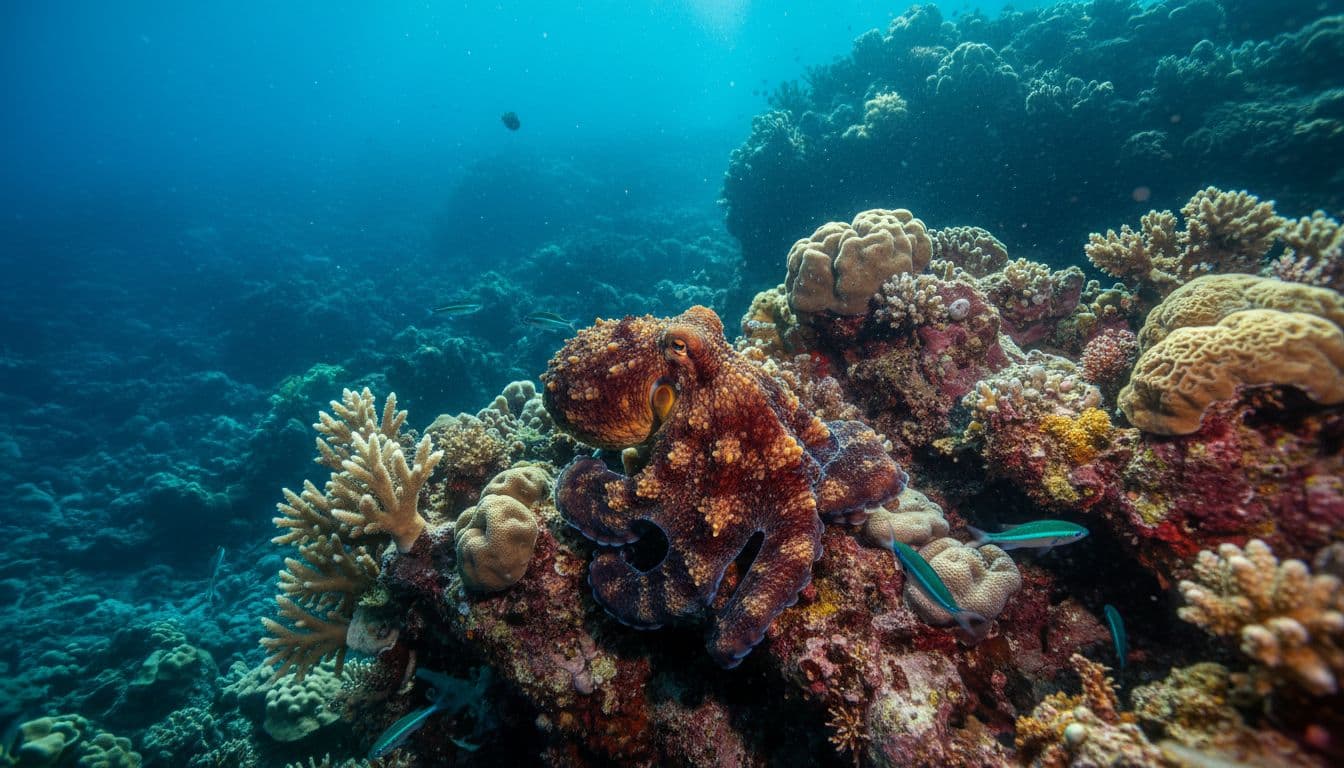
Sometimes you’ll see the clue before you see the animal. An arm may shift. A patch may change color. A round eye may appear in a dark crack. That tiny movement is often the whole giveaway.
What Makes an Octopus Easier or Harder to Spot
Water clarity matters a lot. When the water is clear, you can see the reef’s edges and shadows more easily. Calm mornings often help too, because the light is softer and the surface stays less stirred up.
Your own movement matters as well. Gentle fin kicks keep sand down, and that helps everyone see better. If you churn up the bottom, the reef turns cloudy in seconds.
For snorkeling Big Island trips, that calm, slow pace is part of the fun. You’re not racing through the water. You’re reading the reef like a map.
A guide can also make a big difference. Local crews know the spots where shy animals tend to hide, and they notice details you may miss on your own. That matters even more if you want to snorkel Big Island waters with a real chance of seeing more than the usual fish.
Choosing a Guided Tour Helps More Than You Think
If octopus is high on your wish list, a guided trip gives you better odds. Kona Snorkel Trips is a strong choice for that kind of day, since the team keeps the experience small, personal, and focused on safety and reef respect. You can start with their Captain Cook snorkel tour in Kealakekua Bay if you want to snorkel where the reef gives you the best shot at hidden marine life.
If you want another local perspective, Captain Cook snorkeling guide to Kealakekua Bay adds more detail on what you may see in the bay and why the reef rewards a slow look.
If your dates are set, you can check availability before you plan the rest of your day.
What You Should Expect If You Spot One
If you do find an octopus, it may not look dramatic at first. You might see a rounded body, a changing skin pattern, or one arm reaching out from a crevice. Then the rest of it appears, and the whole reef seems to shift.
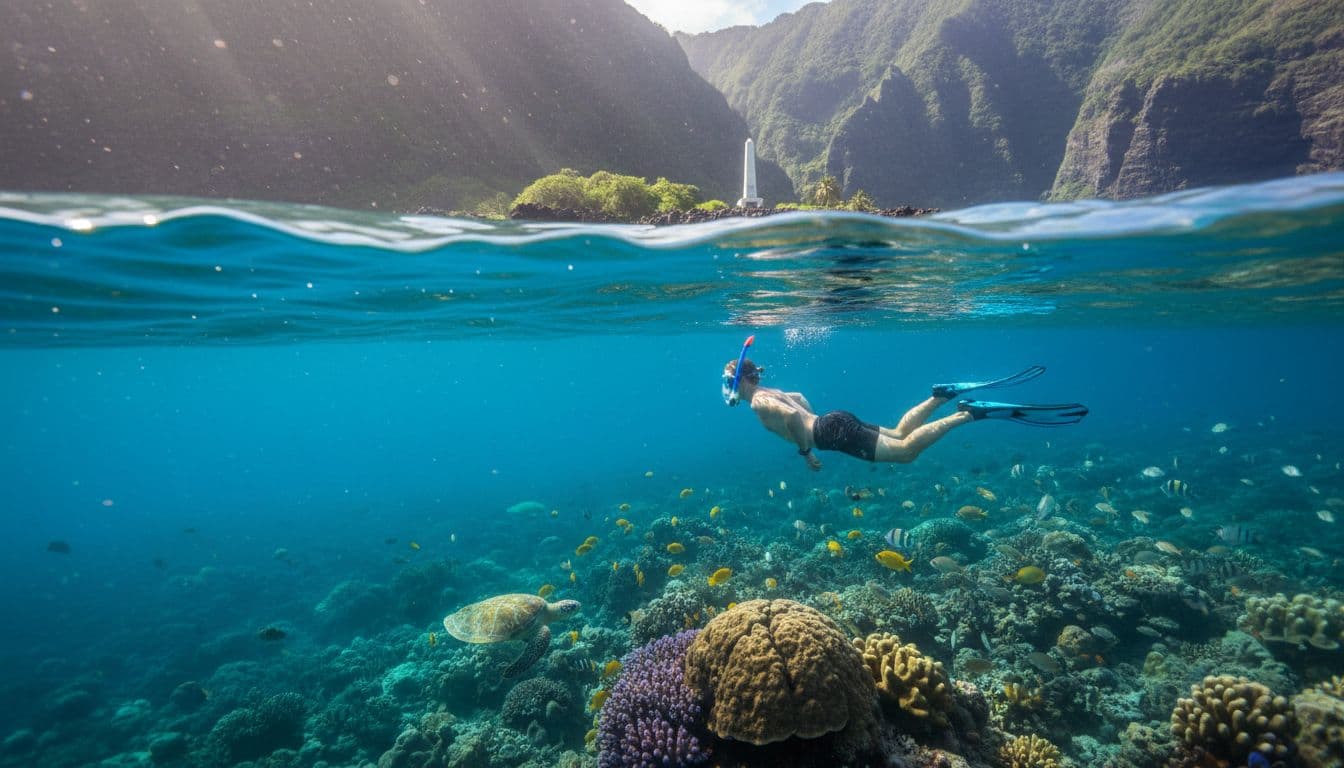
That moment is part of what makes Captain Cook snorkeling special. The bay gives you a mix of calm water, rich reef life, and the chance to spot animals that hide better than almost anything else in the sea.
You may not see an octopus every time you go, and that’s normal. Still, the possibility changes the whole snorkel. You stop looking only for the obvious and start noticing the reef in a new way.
Conclusion
You can see octopus during Captain Cook snorkeling, but the sighting usually rewards patience, not speed. The best chances come when you slow down, watch the reef edges, and let the bay reveal what’s hiding there.
If you’re planning snorkeling Big Island Hawaii, Kealakekua Bay gives you a strong mix of clear water, good habitat, and real wildlife surprises. That’s why the best octopus sighting often happens when you least expect it.