
Can You Bring a Dry Bag on a Captain Cook Snorkel Tour?
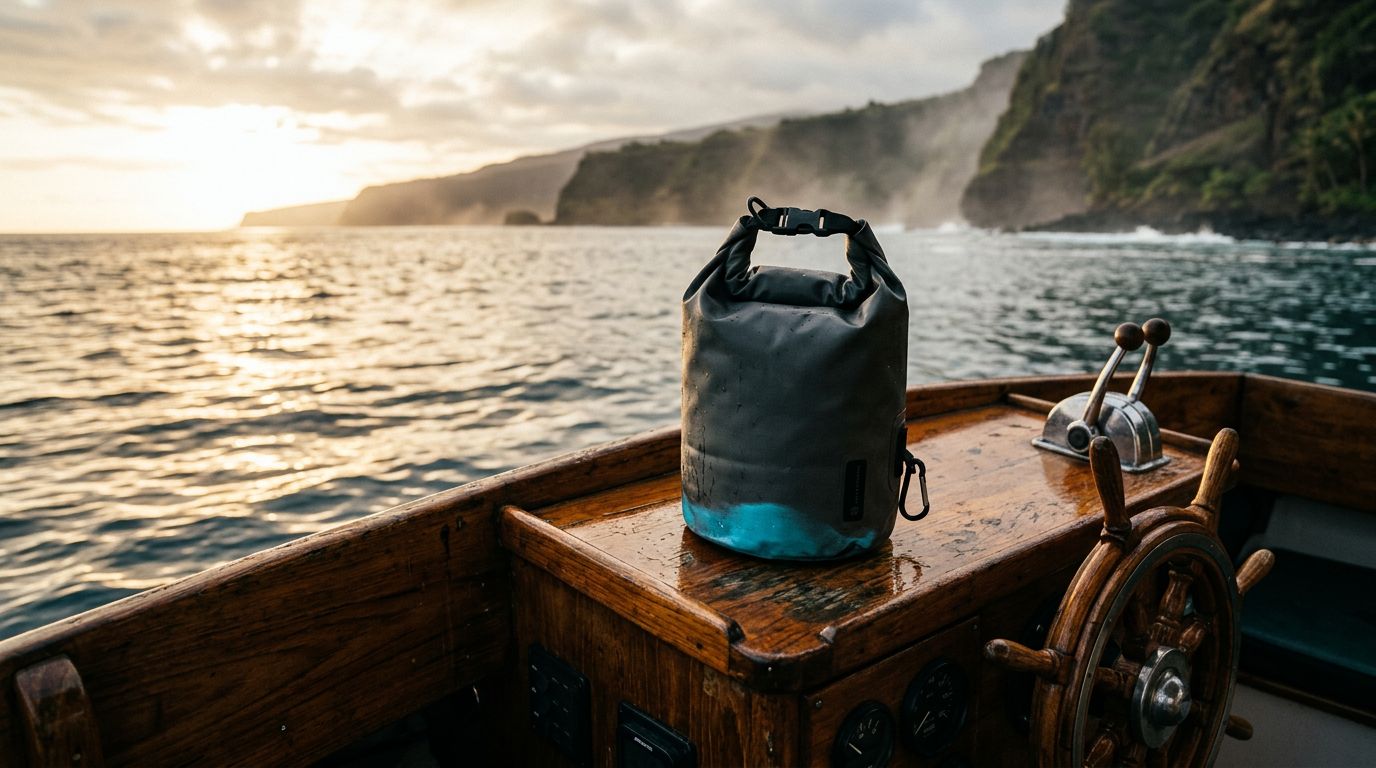
If you’re heading out with Kona Snorkel Trips or comparing other guided Kona snorkeling excursions, a dry bag is one of the simplest things you can bring. It keeps your phone, keys, and small essentials out of the spray, which matters more than most people expect on a boat day.
The short answer is yes, you can bring a dry bag on a Captain Cook snorkel tour. The better answer is that you should bring the right kind of dry bag, then pack it with purpose. A huge bag gets in the way. A tiny one can be a lifesaver.
If you’re also comparing local operators, Captain Cook Snorkeling Tours is another useful reference for the same Kealakekua Bay route. That matters because the packing advice stays almost the same, even when the booking page changes.
Yes, You Can Bring a Dry Bag, but Keep It Small
A dry bag makes sense on a Captain Cook snorkel tour because the day has a few wet zones. You move from land to boat, from boat to water, then back again with damp hands and dripping gear. A regular tote or backpack can handle the ride to the harbor, but it won’t do much once spray starts blowing across the deck.
For snorkeling Big Island Hawaii, that small layer of protection can save you from a soggy phone or a wallet full of saltwater. It also keeps your essentials together. Instead of digging through loose pockets, you reach into one sealed bag and move on with your day.
The key is choosing a bag that fits a boat trip, not a camping trip. In most cases, a 5L to 10L dry bag is enough for one person. If you travel with a partner or child, you may want a slightly bigger size, but the goal stays the same, keep it light and easy to move.
A dry bag works best when it protects a few items and nothing more. It should be soft-sided, easy to roll shut, and simple to carry with one hand. If it feels like luggage, it’s too much for a snorkel boat.
For most people, the bag is less about storage and more about peace of mind. You know your phone is safe. You know your key won’t vanish. You know you can relax once the boat leaves the dock.
Choosing the Right Size and Closure Makes a Big Difference
Size matters more than style on a boat. A dry bag that looks sturdy on a store shelf may feel clumsy once you’re moving around with fins, towels, and a wet swimsuit. Small and flexible usually wins.
Here’s a quick way to think about it:
| Dry bag size | Best for | What it feels like on the boat |
|---|---|---|
| 5L | Phone, keys, ID, meds | Light, easy to stash, almost invisible |
| 10L | Phone, wallet, sunscreen, small towel | The sweet spot for most snorkelers |
| 15L to 20L | Two people’s essentials or a change of clothes | Useful, but easy to overpack |
A 10L bag is the most practical choice for a Captain Cook snorkel tour. It gives you enough space for the things you actually need without turning into a bulky extra item. If you only plan to bring a phone, a card, and a key, 5L works fine.
Closure style matters too. Roll-top bags are the standard for a reason. They seal well, they’re simple to use, and they don’t depend on a zipper that can jam with salt or sand. The roll should feel firm when you clip it shut, not loose or flimsy.
A shoulder strap can help, but it should stay slim. Thick straps and oversized buckles can get in the way on a crowded deck. Look for a bag you can clip, tuck, or set beside you without fuss.
A dry bag should feel like a pocket, not a piece of luggage.
If you’re planning to check availability for the Captain Cook route, thinking about bag size before you book helps you pack smarter later.
What to Pack Inside Your Dry Bag
The best dry bag contents are the things you want nearby, but not wet. Think of it as your personal “do not soak” kit. That usually includes the basics you’ll want before, during, or right after the snorkel.
A smart dry bag usually holds:
- Phone in a waterproof case or pouch, so you can keep it handy for photos on deck.
- Keys and a small wallet, because nobody wants to hear keys rattle around loose on a boat.
- ID and a card, especially if you plan to buy photos, tips, or extras later.
- Reef-safe sunscreen, since sun exposure off the Kona coast is no joke.
- Motion sickness tablets or ginger chews, if boats tend to bother you.
- A small towel or shirt, just enough to dry off and stay comfortable on the ride home.
- A camera or GoPro battery, if you want to capture the trip without risking your main bag.
If you’re snorkeling Big Island waters with kids, it helps to divide items into two smaller pouches. One pouch can hold shared essentials. The other can hold snacks, meds, or a spare shirt. That keeps one person from carrying everything.
You can also add a tiny zip pouch inside the dry bag for small items. That sounds like overkill until you open the bag with wet hands and everything tries to slide around. A second layer of organization keeps the bag from turning into a jumble.
Kona Snorkel Trips also has a helpful Captain Cook packing guide if you want a fuller checklist before you leave your hotel.
What to Leave Out So the Bag Stays Useful
A dry bag gets less useful the more you stuff into it. Once it starts bulging, it becomes hard to roll shut and annoying to move. That’s why the smartest choice is often leaving a few things behind.
Skip anything bulky that you won’t touch during the tour. Big books, full-size beach umbrellas, extra shoes, glass bottles, and oversized toiletry bags all belong somewhere else. If you bring them anyway, they take up space and make the deck feel crowded.
You should also avoid putting valuables in the bag just because it closes. A dry bag protects against spray, not bad luck. If something is fragile, expensive, or likely to be forgotten, think twice before bringing it at all.
For example, jewelry looks harmless until you’re switching gear on a moving boat. Sunglasses are fine, but only if they fit in a case. Paper items are risky unless they stay flat and sealed. If an item doesn’t need to be on the water with you, leave it at your hotel.
This is one of the simplest rules for snorkeling Big Island days: bring the least amount you need, and keep every item easy to find. That gives you more room to enjoy the bay and less to manage on deck.
When you snorkel Big Island waters, a clutter-free bag is better than a full one. The bag should help you move lighter, not add one more thing to think about.
How to Pack It So It Doesn’t Get in Your Way
Packing a dry bag well is almost as important as choosing one. A good pack job keeps the bag stable, fast to open, and easy to close when your hands are wet.
Start with flat items at the bottom. Put your phone in a case, slide in your wallet, then add sunscreen and anything soft around the edges. Keep the things you’ll use last on the top. That way you’re not emptying the whole bag just to reach one small item.
Do a quick test before you leave. Roll the top shut and lift it with one hand. If it feels unbalanced or awkward, you probably packed too much. The best bag on a snorkel boat is the one you can set down and forget about.
If you want one extra layer of protection, use a zip pouch inside the dry bag for your smallest items. Keys, cash, and medication can disappear fast in a loose bag. A small pouch keeps them from shifting around when the boat rocks or someone bumps your seat.
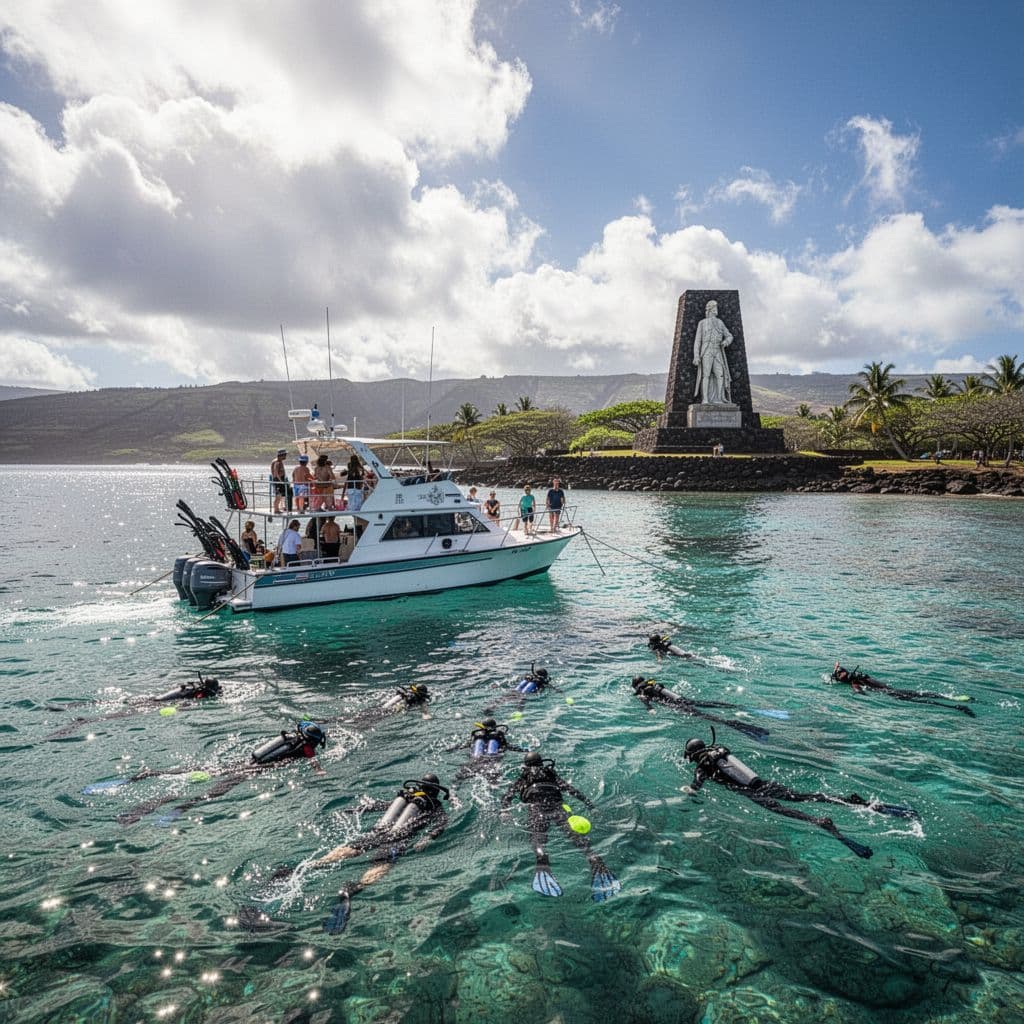
That kind of setup is perfect for a Captain Cook snorkel tour, where you want quick access to the things you need and nothing else. It also works well if you plan to get in and out of the water more than once.
A small, well-packed bag also feels easier to share. If you’re traveling as a couple or family, one person can carry the essentials while the other handles fins or a towel. That simple split keeps the dock routine smooth.
Why Kealakekua Bay Changes the Packing Plan
Kealakekua Bay is beautiful, but the day still includes boat movement, sun, salt, and wet gear. That mix is why a dry bag is helpful in the first place. Even on calm water, spray and wet hands can soak the wrong pocket fast.
A Captain Cook snorkel tour usually works best when you pack for motion, not for a beach picnic. You don’t need a giant day bag, because you’re not hauling gear across a long shoreline. You need a compact setup that stays out of the way while you focus on the water.
The route itself also shapes what you bring. If you’re heading out on the Captain Cook monument snorkel tour, your attention should stay on comfort, sun care, and the small items you want nearby. A dry bag handles that job better than a loose pile of stuff on the bench.
If you want another local resource focused on the same destination, Captain Cook Snorkeling Tours is a useful reference. It gives you another look at the same bay, the same coastline, and the same kind of day on the water.
For a broader packing rundown, the Captain Cook packing guide is handy too. That can help you compare what belongs in the dry bag and what can stay behind.
When you’re planning snorkeling Big Island Hawaii, remember that the sun hits harder on open water than it does on shore. A small dry bag, a towel, sunscreen, and a few essentials are usually enough. Anything more becomes extra weight.
What Kona Snorkel Trips Provides and Why That Helps
Kona Snorkel Trips keeps the day simple in a good way. The company focuses on small-group ocean trips, Lifeguard Certified guides, quality gear, and a guest experience that feels personal instead of crowded. That matters because a simpler boat setup means less gear clutter and less to manage in your bag.
If you’re comparing options, their best snorkel tours in Kona are built for people who want a clear, well-run day on the water. That includes the Captain Cook route, where you can keep your own packing list short and still feel prepared.
When a crew provides gear and keeps the boat organized, you don’t need to bring much more than your personal items. Your dry bag can stay small, which is exactly what you want on a snorkel tour. Less bulk means fewer things to track while you get ready, rinse off, or move between seats.
That kind of setup also helps if you’re the person in the group who likes to stay organized. You can keep your essentials sealed, hand the rest to the right spot, and focus on the snorkel instead of the bag.
For the Captain Cook side of the day, you can also check availability before you lock in your plans. If your dates are flexible, that makes it easier to pick the right day for your trip.
Dry Bag Tips for Families, Couples, and Solo Travelers
Your packing plan changes a little depending on who you’re traveling with. Families usually need the most structure, because one big bag turns into a shared dumping ground fast. Couples can share a bag more easily, but only if both people agree on what stays inside.
If you’re traveling with kids, keep each person’s essentials separate when possible. That means one pouch for medication, one for snacks, and one for personal items. It sounds fussy, but it saves time when someone needs sunscreen right away or wants a dry shirt after the swim.
Couples often do well with one small shared dry bag and one smaller pouch for personal items. That setup keeps phones, cards, and keys from getting mixed up. It also keeps the total load light, which helps when you’re moving on and off the boat.
Solo travelers usually have the easiest time, because they can keep the bag pared down. A phone, wallet, key, and sunscreen may be enough. If you want to carry a camera or extra layer, a 10L bag still gives you room without feeling oversized.
If you want more flexibility for your group, private snorkel tours in Kona can make packing even easier. You control the pace, the gear, and the amount of stuff you bring aboard.
The same rule still applies in every case, though. A dry bag should make the day easier, not busier.
What to Remember Before You Board
A dry bag is a smart thing to bring on a Captain Cook snorkel tour, as long as you keep it small, soft-sided, and easy to carry. The bag should protect your essentials, not tempt you to pack your whole hotel room into it.
If you remember one thing, make it this: bring only what you’ll use on the boat or right after the snorkel. That usually means your phone, keys, sunscreen, and a few comfort items. Everything else can stay behind.
That simple choice pays off on the water. You move faster, stay more organized, and spend less time worrying about what got wet. For a day of snorkeling Big Island waters, that kind of calm is worth a lot.
A good dry bag won’t make the reef better, but it does make the whole trip feel smoother. And on a Captain Cook snorkel tour, that small difference can shape the whole day.