
Black Triggerfish Kealakekua Bay Snorkeling Guide
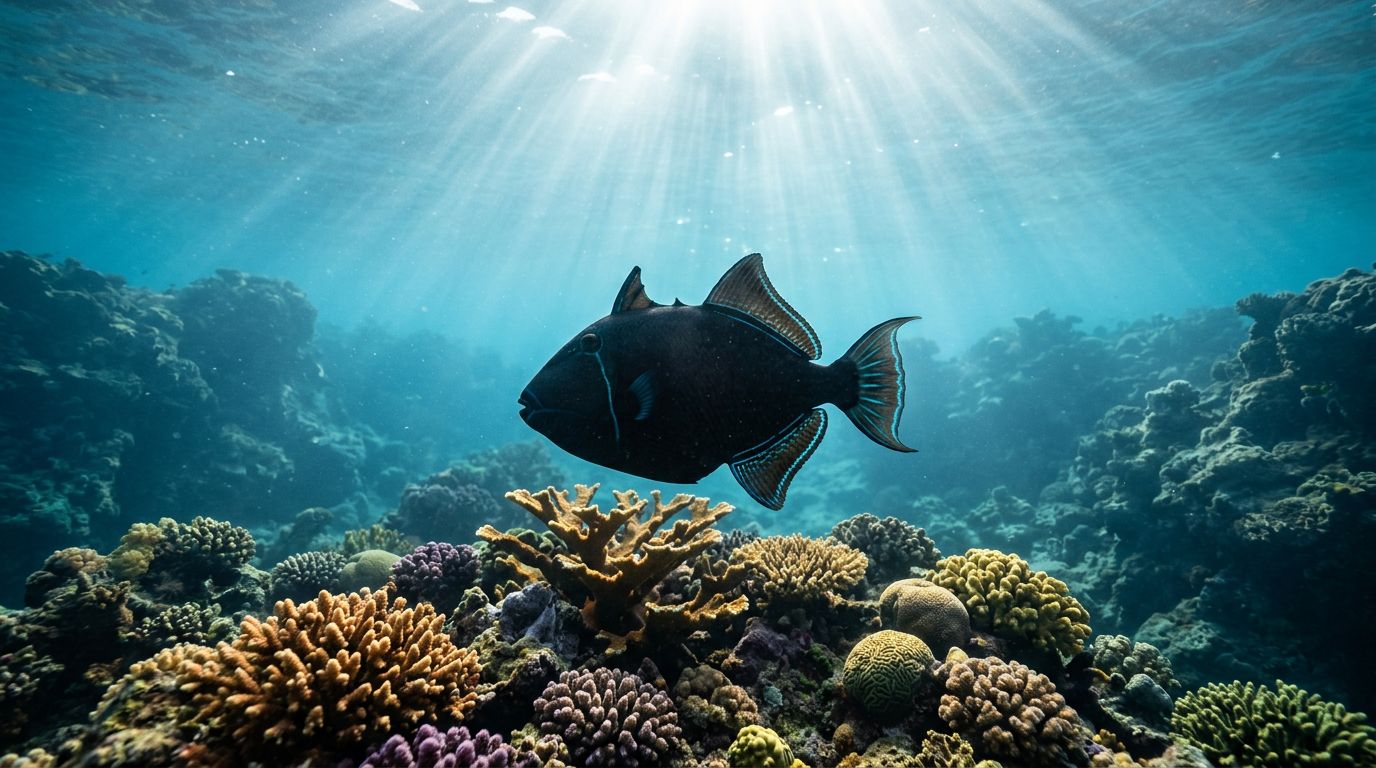
Black triggerfish are easy to miss in Kealakekua Bay, even when the water is clear. If your search is “black triggerfish Kealakekua Bay,” you probably want to identify this dark reef fish, find the right habitat, and watch it without disturbing the bay.
Kona Snorkel Trips offers guided outings that can help you focus on marine life while experienced, Lifeguard Certified guides manage safety and navigation. For a Kealakekua Bay-focused option, you can also explore Captain Cook Snorkeling Tours.
Meet Hawaii’s Black Triggerfish
The black triggerfish, also called the black durgon, is known in Hawaiian as humuhumu’ele’ele. Its scientific name is Melichthys niger. You may see one as a nearly black silhouette against the blue water, but good sunlight often reveals subtle blue-green coloring around the mouth, fins, and body.
This fish belongs to the triggerfish family, Balistidae. Like other triggerfish, it has a first dorsal spine that can lock upright. The spine helps the fish wedge itself into reef cracks when it rests, but it also explains why you should never try to touch or handle one.
Black durgons often move around reef structure rather than hovering motionless above a sandy bottom. Depending on the location and conditions, you may see one alone, in a loose group, or moving through open water near coral. Its dark body can blend into shaded lava, which makes movement the best identification clue.
The fish may turn slightly as you watch. Look for steady fin movement, a visible eye, and a body that changes position against the reef. A dark patch that never moves is probably rock.
Black triggerfish versus Hawaii’s state fish
Many visitors expect the famous humuhumunukunukuapua’a, Hawaii’s state fish, when they hear the word “triggerfish.” That is the reef triggerfish, Rhinecanthus rectangulus, a different species with a more angular body and bold markings.
| Feature | Black triggerfish | Reef triggerfish |
|---|---|---|
| Common name | Black durgon | Reef triggerfish |
| Hawaiian name | Humuhumu’ele’ele | Humuhumunukunukuapua’a |
| Color | Dark charcoal or blue-black | Patterned gray, tan, black, and pale tones |
| Typical clue | Smooth dark shape near reef structure | Strong facial and body markings |
| Useful approach | Watch for subtle fin and body movement | Look for its clear geometric pattern |
You can compare the familiar reef triggerfish with this reef triggerfish reference. A separate Hawaiian reef triggerfish visual can also help you recognize the state fish before you enter the water.
The distinction matters because you may spot both species during a single outing. Once you know what to look for, a dark fish near the reef becomes a possible black durgon instead of an uncertain shadow.
Why Kealakekua Bay Has Good Fish Habitat
Kealakekua Bay combines clear water, volcanic coastline, reef shelves, coral heads, and deeper channels. Those features create different places for fish to feed, rest, and escape predators.
The bay’s black lava cliffs continue below the surface in uneven ledges. Coral grows across portions of the hard-bottom reef, while sandy patches break up the structure. This mix gives you more to scan than a flat, uniform seabed.
Black triggerfish may appear along the outer edge of reef structure or above deeper coral areas. You might see one passing between a blue-water backdrop and the reef, then lose it when it turns toward the darker bottom. The best sightings often happen when you stop trying to cover every part of the bay.
Conditions still control what you see. Wind can create surface chop, clouds can flatten the colors, and changing water movement can shift fish activity. A bay that looks calm from the boat may feel different once you put your face in the water.
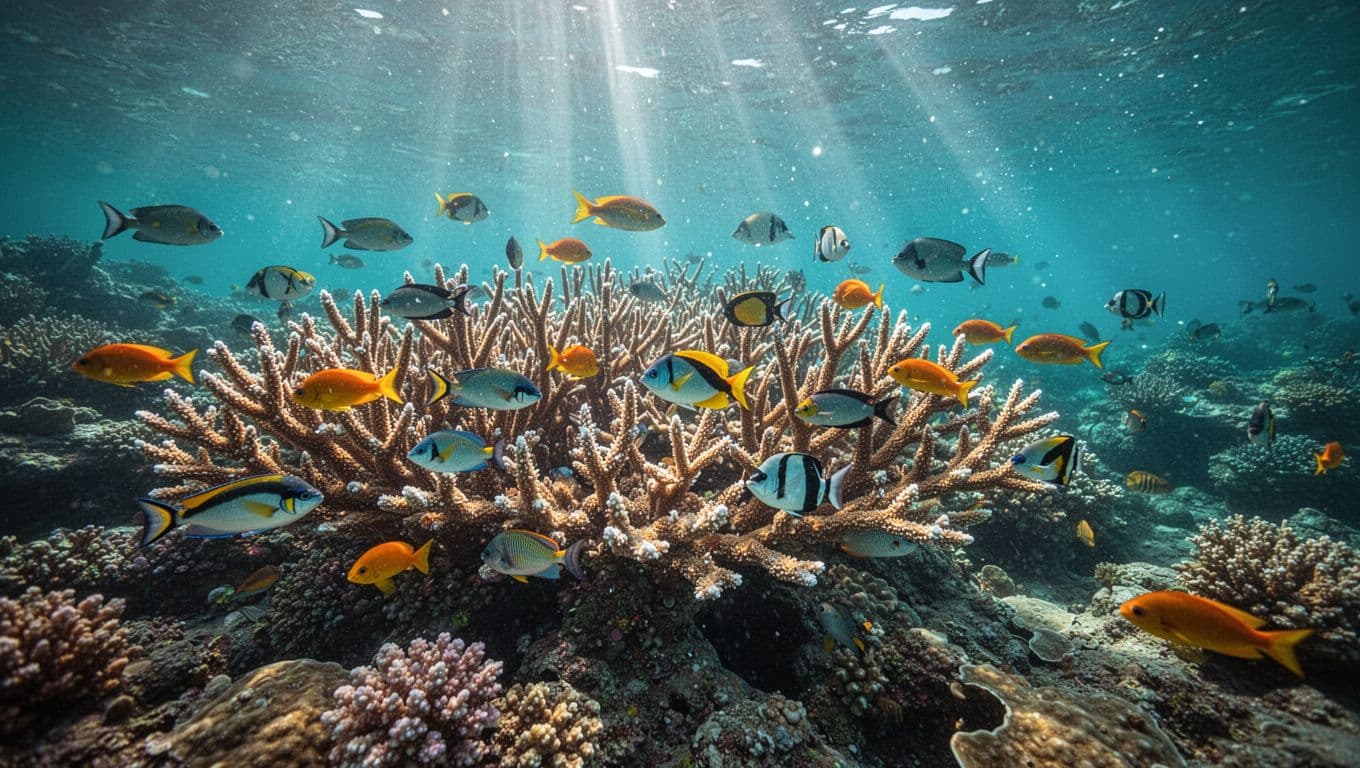
Kealakekua Bay is a protected marine area, so you should treat every coral head and reef fish as part of a living habitat. Large coral colonies provide shelter for many reef animals, and this Kealakekua Bay coral observation offers a useful visual reminder of how much life can gather around one structure.
The bay is also a place of cultural and historical importance. Snorkeling near the Captain Cook Monument means sharing the water with other visitors, boats, and guides. Stay aware of your surroundings instead of focusing only on your mask view.
Where Black Triggerfish Kealakekua Bay Snorkeling Gets Interesting
For a “black triggerfish Kealakekua Bay” sighting, patience usually works better than distance. You don’t need to swim across the entire bay. You need to slow down near healthy reef structure and let the fish reveal its movement.
Before entering the water, ask your guide where visibility and fish activity look strongest that day. Guides watch wind, current, water clarity, and boat traffic. Their advice can save you from spending your entire snorkel looking into a low-visibility area.
Once you’re in the water, use a slow scanning pattern:
- Start above the reef and look across the blue water, not only straight down.
- Scan the edges of coral heads, lava ledges, and shaded cracks.
- Pause for several seconds after each slow turn.
- Follow movement with your eyes before moving your fins.
- Check the same area again from a slightly different angle.
A black durgon may show itself as a solid dark shape. Then, as sunlight catches its fins, you may notice blue tones or a faint outline around the mouth. The fish can seem to disappear when it turns toward a shadowed section of reef.
Choose the right time and pace
Early morning often brings calmer surface conditions, although wind and visibility vary by day. Sunlight also helps you see the difference between a living fish and black volcanic rock. If your boat offers flexibility, ask about the day’s visibility rather than assuming a particular departure time guarantees the clearest water.
A relaxed body position makes fish easier to spot. Keep your legs near the surface and use small fin movements. Strong kicking sends vibrations through the water and can make a cautious fish move away before you see its details.
Avoid chasing a fish into a crack. You may lose sight of it, stir up sand, or bump coral with your fins. Instead, hold your position and watch the route it uses around the reef.
A camera can help you study markings later, but it shouldn’t change your behavior. Keep the camera in front of you, approach slowly, and leave enough space for the fish to swim normally. Never reach toward it for a closer frame.
Watch Reef Fish Without Damaging the Bay
Your most important snorkeling skill is buoyancy control. When you can float without touching the bottom, you protect coral and keep yourself safer around uneven lava and reef surfaces.
Keep your fins horizontal and point them away from the reef. If you need to rest, ask your guide for a safe location or return to the boat. Sitting or standing on coral can break living colonies, even when the surface looks hard.
Feeding fish changes their natural behavior and can cause animals to approach people aggressively. It also concentrates fish in places where they would not normally gather. Leave food on the boat and observe the reef as it is.
Use reef-conscious habits before you launch. A long-sleeved rash guard reduces the sunscreen you need, while sunscreen should go on well before you enter the water. Follow local guidance about products and marine protection.
A triggerfish that holds its position while you approach may be guarding space, so backing away is safer than waiting for a closer photo.
Black triggerfish have teeth and a powerful body built for reef life. They generally have no reason to interact with you, but that changes if you corner, chase, feed, or touch them. Give the fish a clear route away from you.
Your personal safety matters just as much as reef etiquette. Stay with your buddy or guide, don’t compete over breath-holding, and keep track of the boat’s location. If the current increases or the water becomes uncomfortable, return to the boat.
Families should discuss hand signals before getting in. A simple signal for “return,” “slow down,” or “I need help” makes communication easier when you can’t speak. Children also benefit from a flotation aid and close adult supervision.
Plan Your Kealakekua Bay Snorkeling Trip
A boat tour is often the easiest way to reach the bay’s best-known snorkeling areas. You can enter near the reef, spend more time observing, and let a captain handle navigation around the coastline.
Kona Snorkel Trips follows a “Reef to Rays” philosophy, with small-group service, well-maintained snorkeling equipment, and guides who focus on safety and marine education. The company has built a five-star reputation by keeping trips personal rather than treating guests like passengers in a crowded operation.
When you compare Big Island snorkeling tours, look at more than the advertised destination. Check the group size, guide experience, equipment, departure point, water time, and plan for changing conditions. A tour that matches your swimming ability will usually feel more enjoyable than one selected only for its itinerary.
For this destination, the company’s Captain Cook snorkel tour is the most direct fit. The route centers on Kealakekua Bay, its reef habitat, and the historic Captain Cook Monument area. Guides can also help you identify fish while keeping the group together.
If you want to set your own pace, consider private Kona tours. A private boat can suit families with mixed swimming abilities, couples who want more time for photography, or groups that prefer a custom day on the water.
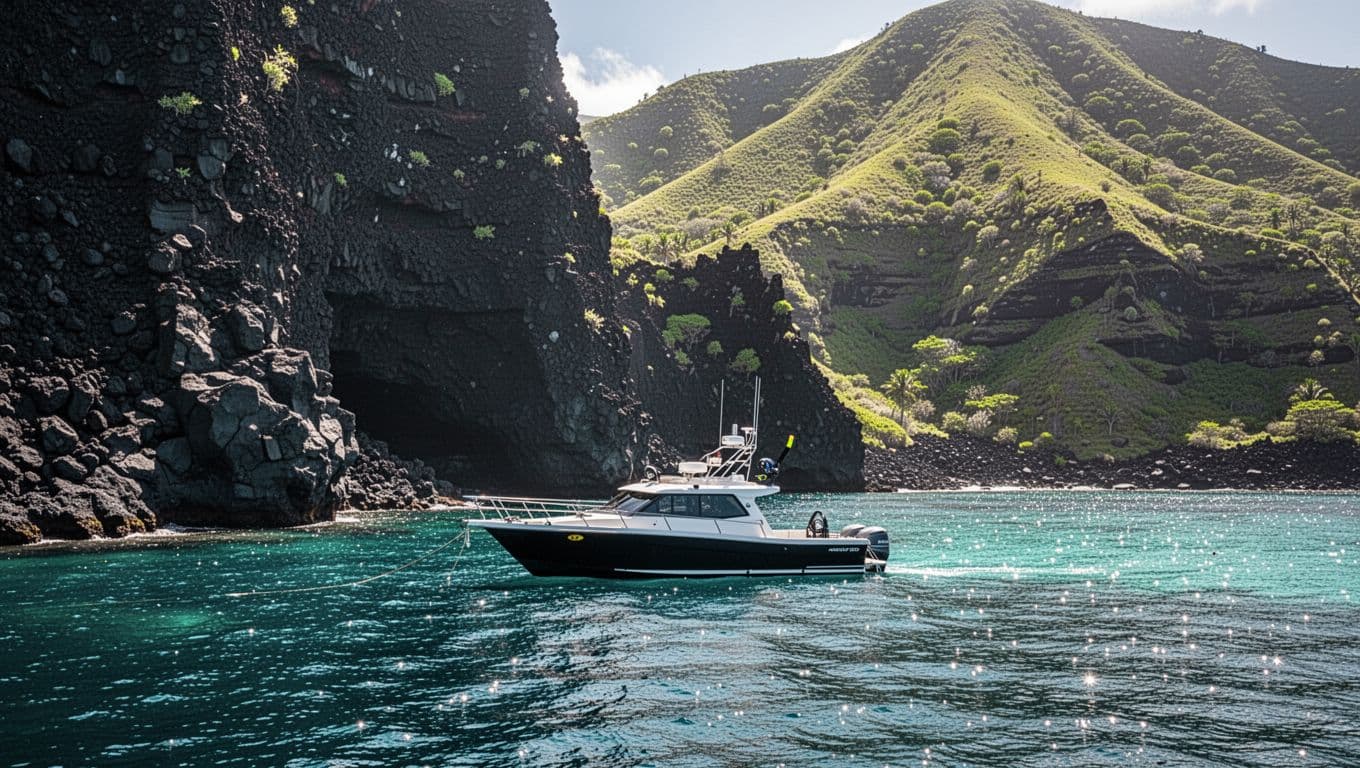
If Kealakekua Bay is your main goal, ask these questions before booking:
- Where does the trip depart, and how much time will you spend on the boat?
- Does the guide provide fish identification and reef-safety instruction?
- What equipment is included, and can the crew help with fit?
- What happens if wind or water conditions make the planned site unsuitable?
- Is the trip appropriate for your group’s swimming experience?
You can check availability for a Kona Snorkel Trips outing before finalizing the rest of your day.
For a Captain Cook or Kealakekua Bay outing, you can also check avaialbility through the tour booking page. Review the meeting instructions and cancellation terms before you pay.
What to bring for a comfortable snorkel
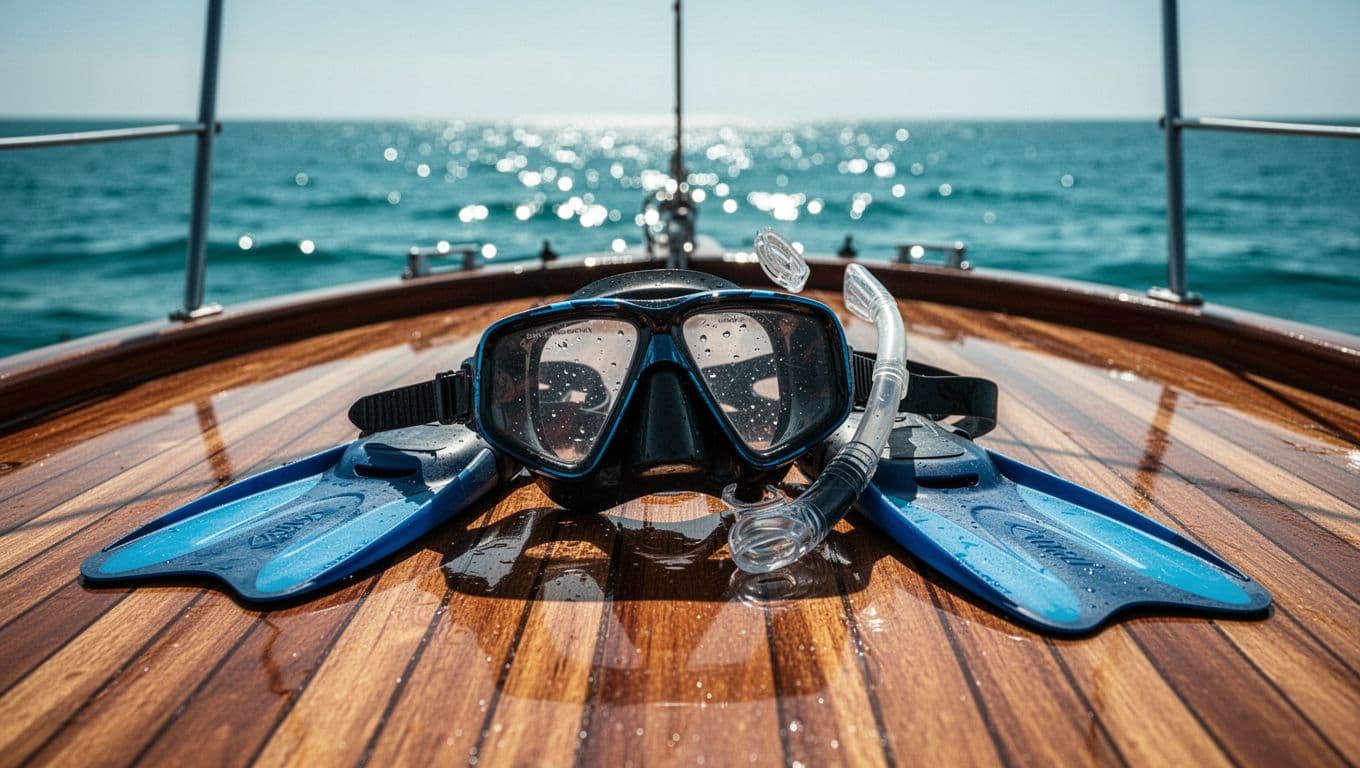
Your operator will usually provide the main equipment, but personal items still affect your experience. Pack a towel, water, a dry change of clothes, and sun protection that works on the boat as well as in the water.
A secure phone pouch can protect your device during the ride, but don’t carry loose items into the ocean. Prescription snorkel masks are available from some operators, so ask ahead if you need one.
Eat a light meal before departure if you are prone to motion sickness. Avoid arriving dehydrated, and bring any medication you already use for boat travel. If you feel ill, tell the crew early rather than waiting until symptoms become severe.
When you plan snorkeling Big Island Hawaii adventures, remember that ocean conditions can differ from the weather at your hotel. A sunny afternoon on land doesn’t guarantee calm water at the reef.
Other Marine Life You May See in the Bay
Black triggerfish are one part of the reef community. Kealakekua Bay may also reveal schools of yellow tang, convict tang, parrotfish, butterflyfish, wrasse, and other small reef fish. Each species uses the habitat differently, so variety often appears when you spend less time chasing one animal.
The famous reef triggerfish may be easier to recognize once you know its markings. You may also see green sea turtles in Hawaiian coastal waters, but wildlife sightings are never guaranteed. Keep your distance and let turtles choose their own path.
Some travelers plan a full marine-life vacation around more than one type of encounter. A nighttime manta ray snorkel is a separate Kona experience, while whale watching in Kona is seasonal and takes place in open coastal waters. Neither replaces a reef snorkel, but both can complement a daytime visit to Kealakekua Bay.
If you want to snorkel Big Island reefs beyond one bay, ask how the operator chooses alternate sites. Water clarity, wind, and swell can make another location a better choice on a particular morning.
The most memorable sightings often come when you stop measuring the trip by how many animals you can list. Notice how the fish use the reef, how light changes the colors, and how volcanic rock shapes the underwater scene.
Conclusion
A black triggerfish sighting in Kealakekua Bay rewards careful observation. Learn to separate the dark black durgon from Hawaii’s patterned reef triggerfish, then search slowly around coral heads, lava ledges, and deeper reef edges.
Stay near your guide, protect the coral with good buoyancy, and give every fish room to move. When you snorkel Big Island waters with patience, even a nearly black shape can become one of the clearest memories of your trip.