
Big Island snorkeling: The Buddy Check That Matters
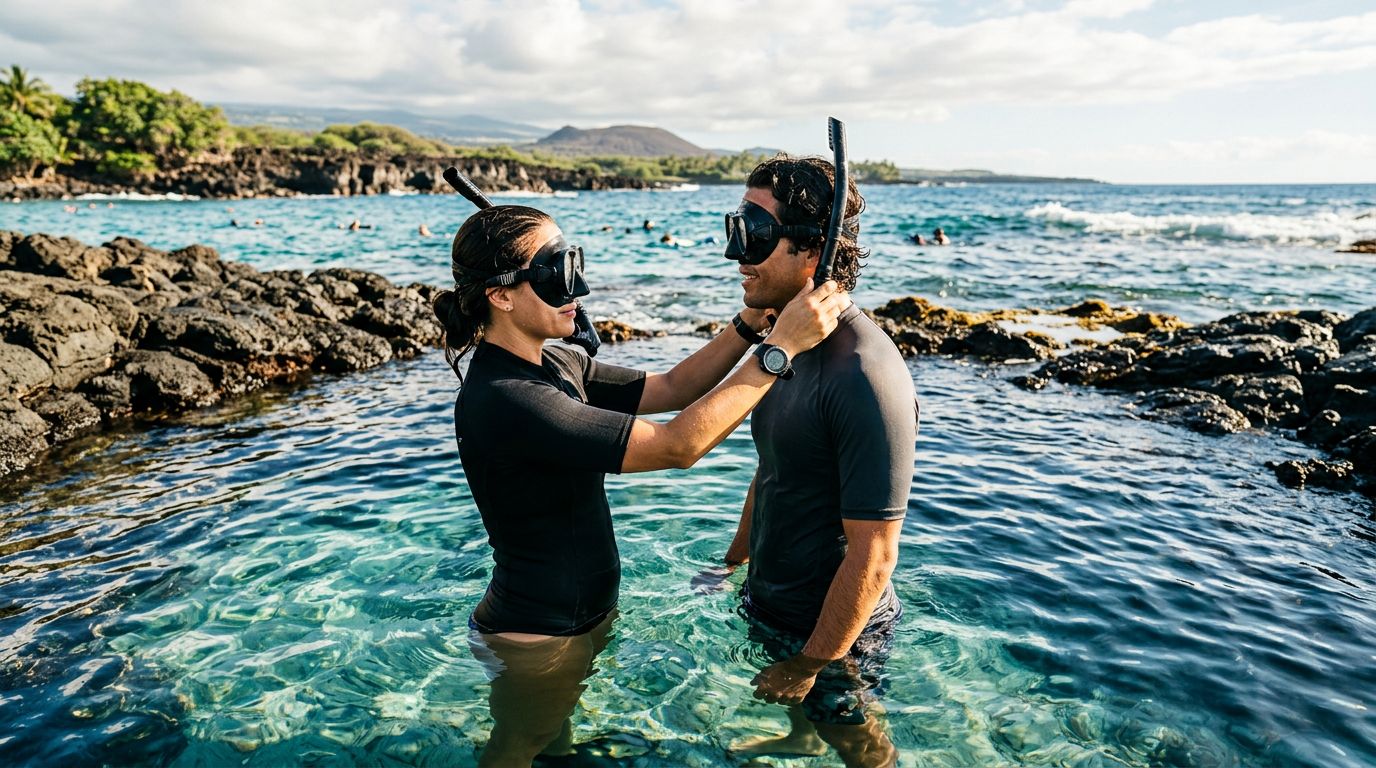
Your mask can fit perfectly and still leave you vulnerable if your buddy plan is vague. When you’re planning snorkeling Big Island Hawaii adventures, a two-minute check can catch a loose strap, poor fit, or tired swimmer before those small problems meet wind, current, and surge.
Big Island snorkeling rewards calm preparation. Whether you enter from a beach or join a boat trip, you and your buddy should agree on simple signals, stay within sight, and know when to turn around. Start with the same short routine every time.
Why snorkeling Big Island Hawaii starts before the water
Clear water can make the ocean look easy. However, conditions around the Big Island can shift with wind, swell, surge, boat traffic, and changing visibility. A calm surface at the entry point doesn’t guarantee calm water farther along the reef.
Before you snorkel Big Island waters, check your energy level and swimming comfort. If you’re cold, dizzy, seasick, short of breath, or anxious about the conditions, speak up before entering. Your buddy needs an honest answer, not a brave one.
Hawaii Ocean Safety’s beach guidance recommends knowing your health limits, learning to swim and snorkel safely, and choosing lifeguarded beaches when possible. You should also look at the entry, exit, and shoreline before putting on your fins.
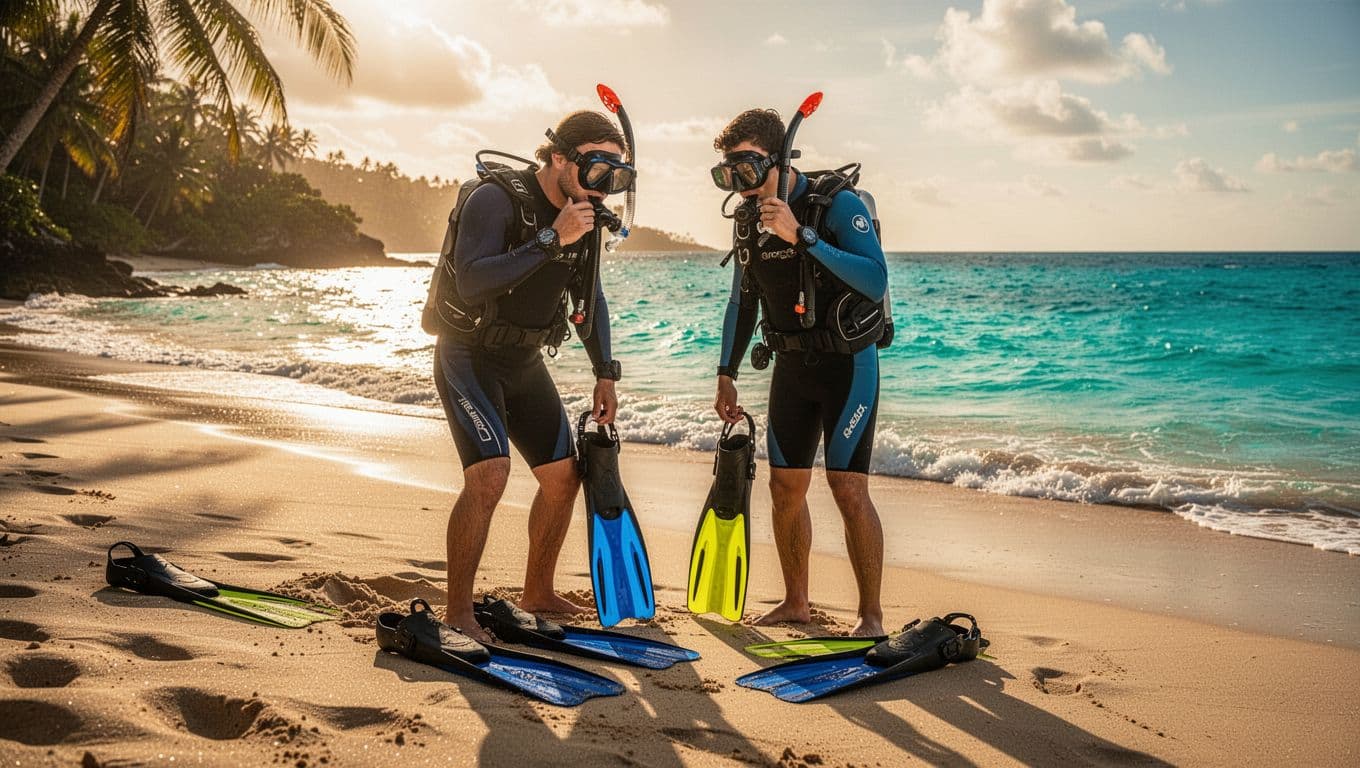
Kona Snorkel Trips gives you another option when you want a guided outing. Its lifeguard-certified guides use quality equipment and keep groups personal, with attention to guest comfort, marine life, and reef-safe practices. You can review its Big Island snorkeling tours before choosing a trip that fits your group.
Even with a guide, take part in the pre-swim check. You know your body and comfort level best, while your buddy may notice a twisted strap or loose fin that you missed.
If the timing works for your plans, you can check availability for a guided Kona snorkeling trip.
The five parts of a reliable snorkel buddy check
A good check should take about two minutes. Keep it simple enough that you can repeat it when you’re excited, cold, or preparing for an early boat departure.
- Start with how you feel. Ask each other, “Are you comfortable entering these conditions?” Share any injuries, asthma, medication concerns, or swimming limitations with your guide or group leader. A buddy check fails if someone hides a problem.
- Test the mask seal. Place the mask on your face without using the strap, inhale gently through your nose, and see whether it holds for a moment. Then adjust the strap so it sits level and firm, never painfully tight. Check that hair doesn’t cross the silicone skirt.
- Check the snorkel and mouthpiece. Make sure the snorkel is attached securely and the mouthpiece feels comfortable. Take a few relaxed breaths before entering. If the snorkel has a purge valve or dry-top feature, confirm that it works as expected.
- Inspect fins and flotation. Fins should stay on without squeezing your feet. If you use a flotation vest, belt, or noodle, fasten it correctly and test your range of motion. Flotation supports you, but it doesn’t replace swimming ability or attention.
- Agree on the plan. Point out the entry, exit, boat, shoreline, and any guide or safety float. Decide who stays closer to shore, who leads, and what signal means “return now.” Set a maximum distance and agree that either person can end the swim without debate.
A useful script sounds like this: “Mask sealed, snorkel clear, fins secure. We stay together, surface if visibility drops, and exit if either of us signals.”
If your buddy can’t point to the exit, you don’t have a complete plan yet.
Snorkeling Big Island reefs with a clear buddy plan
Once you’re in the water, keep your buddy close enough to see without searching. Five to ten feet often gives you room to swim while keeping the other person in view, but the right distance depends on visibility, current, and the guide’s instructions.
Swim side by side in calm water. In a current, follow the guide and keep your buddy slightly behind or beside you. Avoid racing ahead to photograph a turtle or investigate a colorful fish. A short burst of excitement can create a long separation.
Use signals before you need them. A raised thumb can mean “go up” in many diving settings, but snorkel groups may use different signals. Confirm the meaning with your buddy and guide first. Pointing, waving overhead, and tapping the top of your mask can help when words don’t carry through the water.
If you lose sight of your buddy, stop swimming and look around calmly. Surface, call out, and check the last location where you saw them. Tell the guide immediately if you can’t reconnect. Don’t continue along the reef hoping to meet up later.
Local water safety reminders also include using the buddy system and checking ocean conditions before entering, as outlined in KHON2’s water safety tips.
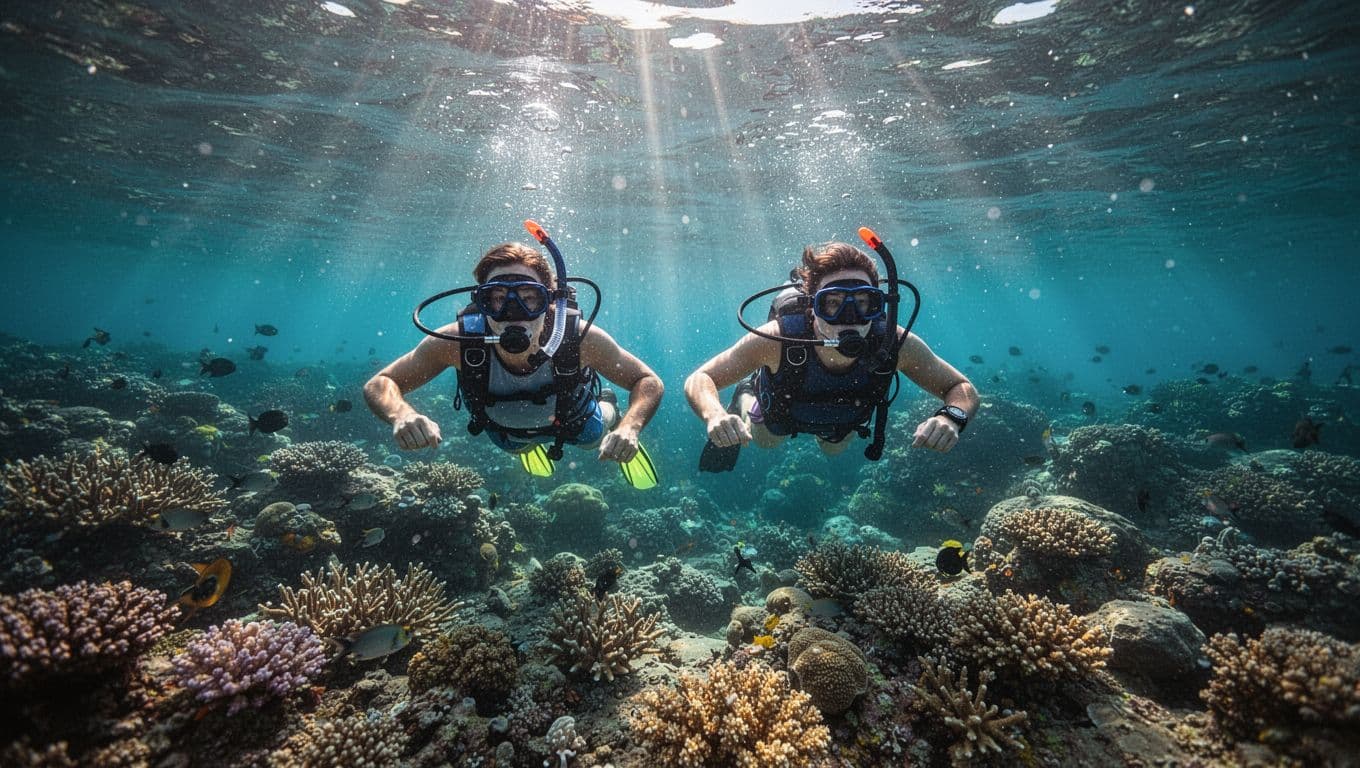
Reef etiquette belongs in the buddy plan too. Keep your fins away from coral, avoid standing on the bottom, and leave shells, rocks, and marine animals where you find them. Your buddy can help you maintain distance when a turtle or ray comes close.
Know when to stay on shore or leave the water
A pre-swim check doesn’t lock you into a decision. Conditions can change during snorkeling Big Island Hawaii outings, and your plan should change with them.
Watch the water for several minutes before entry. Look for sets of waves, areas where water surges across rocks, and channels that pull away from shore. If the entry requires climbing over sharp lava while wearing fins, put them on in the water only if the guide or local conditions make that appropriate.
Leave the water when either buddy feels tired, cold, cramped, panicked, or disoriented. These signs usually appear before a serious problem. Return while you still have enough energy to handle the exit.
Wind can reduce visibility and make surface swimming harder. Rain may also affect visibility near shore, especially after runoff. A crowded entry adds another concern, since swimmers, boards, kayaks, and boats may share the same space.
Choose the site with your group in mind. Kealakekua Bay, for example, has its own access, water, and trip considerations. If you’re considering Kealakekua Bay snorkeling, review the outing details before you go and ask what conditions your guide expects that day.
When you snorkel Big Island coves, never treat a calm-looking surface as a guarantee. Ask a lifeguard or guide about the day’s conditions, then accept the answer if the recommendation is to wait or stay out.
Build the check around your group
A buddy check should fit the least confident swimmer in your group. Children may need a closer adult partner, shorter water time, and more frequent surface breaks. A strong swimmer should never assume a child can follow them through surge or poor visibility.
Couples and friends often separate because one person wants photographs while the other wants to keep moving. Agree on a meeting point before anyone pauses. Better yet, stay together and use a floating wrist strap or waterproof camera only if it doesn’t distract you from the water.
First-time snorkelers should practice breathing while standing in shallow water or holding a stable boat rail. Slow breaths reduce panic and make it easier to clear a small amount of water from the snorkel. If the mask fogs, signal your buddy, move to a safe position, and fix it without rushing.
Rental gear deserves the same attention as personal equipment. Check for cracked mask frames, worn straps, fins with loose foot pockets, or snorkels that don’t stay attached. Ask the crew to replace anything that feels wrong. State-of-the-art gear can’t help if it doesn’t fit your face or feet.
Night outings need an even clearer plan because visibility changes after sunset. Stay with the group, follow guide lighting, and keep your buddy within sight. During any nighttime ocean activity, your guide’s instructions should take priority over personal exploration.
A simple routine you can remember
Use the same order every time: person, conditions, mask, snorkel, fins, flotation, plan. That sequence keeps the check short and prevents excitement from pushing safety aside.
Before you enter, say the plan aloud. Identify the exit, agree on signals, and confirm that both swimmers feel ready. In the water, stay close, protect the reef, and surface together if anything feels wrong.
If you need to leave, signal early. You don’t need to justify the decision or wait for a problem to become serious. A safe exit is part of a successful snorkeling Big Island Hawaii day.
Conclusion
The best buddy check is short, honest, and repeated before every swim. You inspect the gear, discuss the conditions, agree on signals, and stay close enough to help each other.
Clear water and colorful reefs make the Big Island special, but preparation lets you enjoy them without rushing. Take two minutes before you enter, and let your buddy know you expect the same care in return.