
Big Island Snorkeling Beyond the Famous Reefs
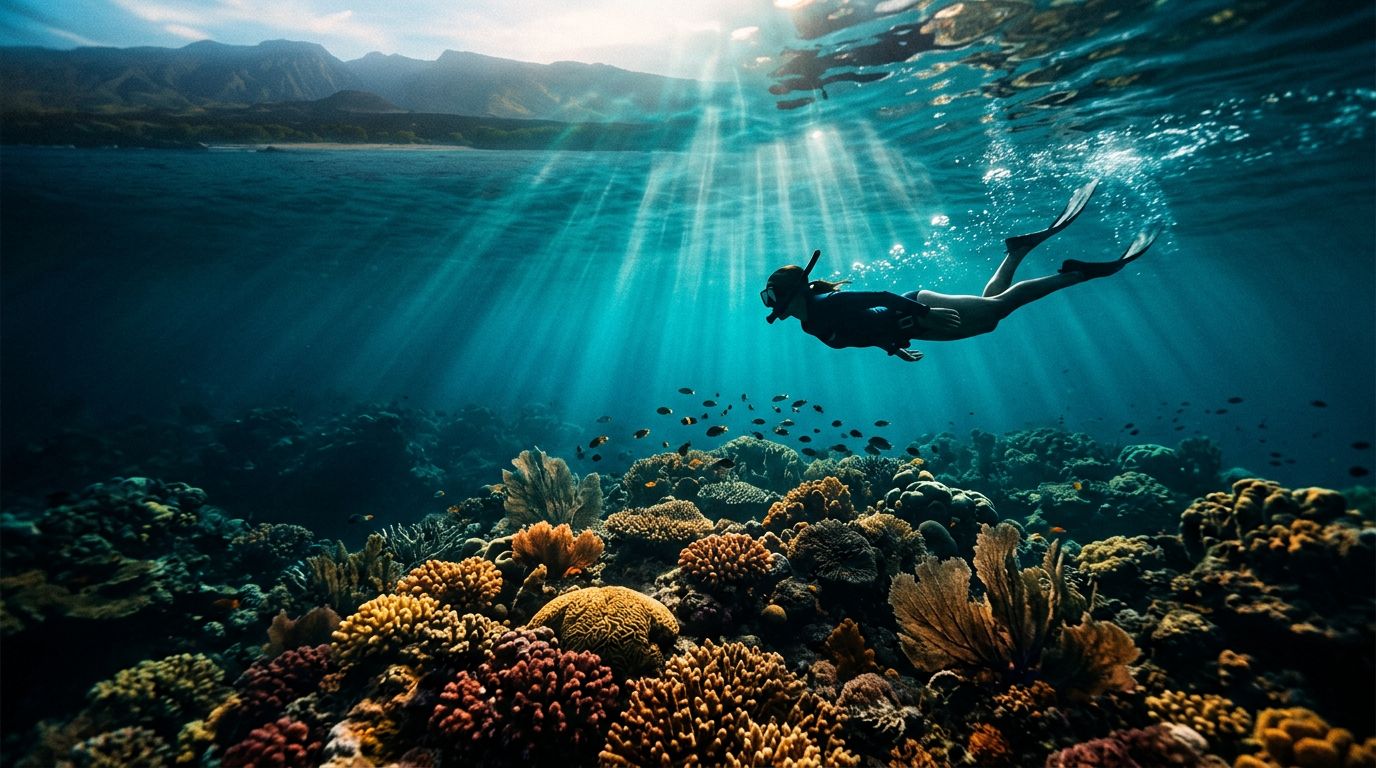
The Big Island gets plenty of attention for a few famous snorkel sites, but your best day in the water is often waiting somewhere quieter. If you’re planning snorkeling Big Island Hawaii style, the less obvious spots can give you clearer water, more room, and a more relaxed swim.
Kona Snorkel Trips is a smart place to start if you want that kind of day. You get small-group trips, strong local knowledge, and a pace that fits the coast instead of fighting it. The best spots are not always the most famous ones, and once you know how to read the island, that becomes obvious fast.
Why the quieter spots feel better on the Kona coast
The best reefs on the Big Island do not always look busy from shore. Some of them sit just far enough off the main map that you get a calmer experience the moment you get in the water. That matters more than people expect. When fins kick up sand and swimmers bunch together, the reef loses some of its color and the swim starts to feel rushed.
If you want to snorkel Big Island waters with less noise, timing matters as much as location. Early mornings usually bring flatter water, softer light, and fewer people. Later in the day, the breeze often builds. Even a great cove can feel less inviting once the surface gets choppy.
Clear water helps, but the first hour often helps more.
That is why the search for the right site should begin with the sea conditions, not just the name on a sign. A quiet pocket of reef can feel better than a famous beach when the day is right. If you want help matching your plans to the coast, the guided snorkeling trips in Kona page is a good starting point.
Hidden shoreline reefs that reward a slower day
Some of the best snorkeling Big Island visitors miss sits in plain sight. You may drive past a rocky shoreline and never guess what is happening a few yards offshore. Lava fingers, small coral heads, and shallow sand cuts can create a reef that feels surprisingly alive, even when the beach itself looks modest.
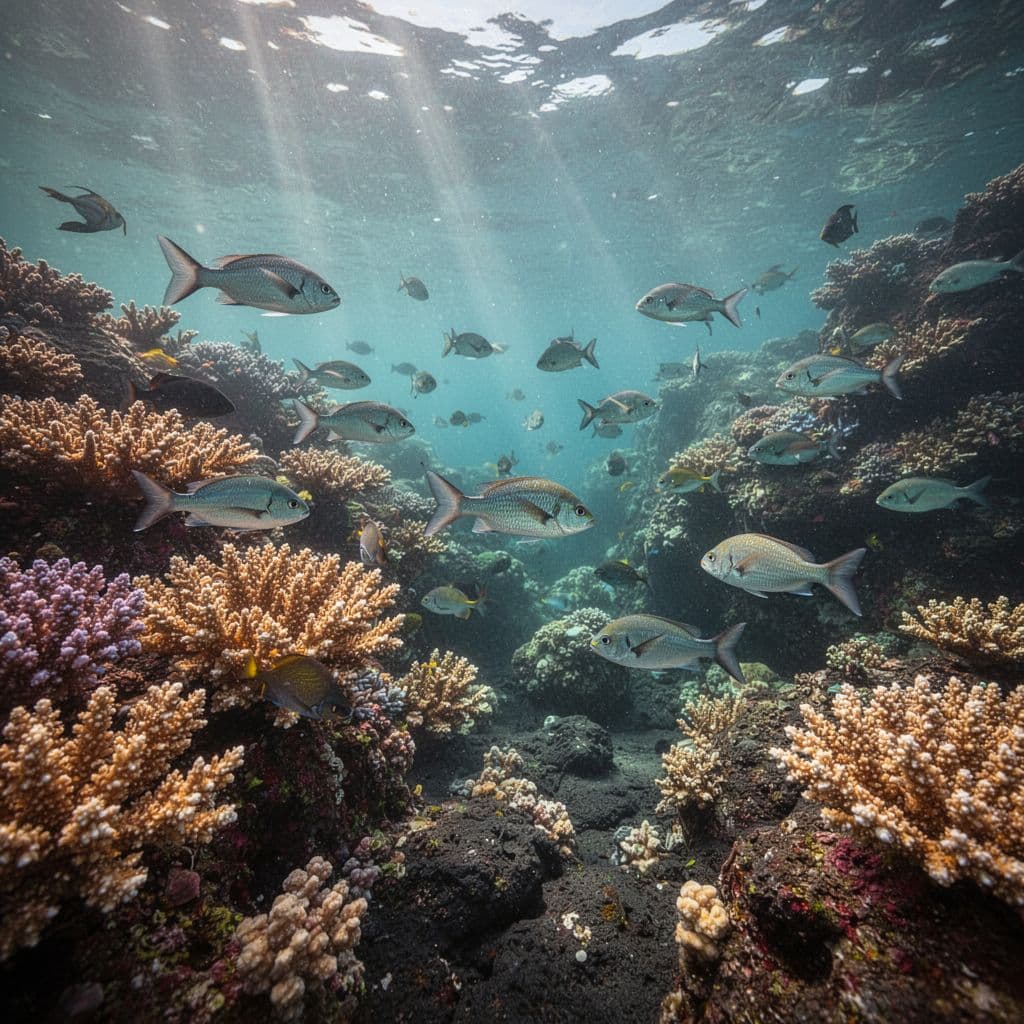
That is why you should not judge a snorkel spot by the size of the parking lot or the view from the road. Some of the best entries are simple, low-key, and easy to miss. A place like Manini Beach is a good example. A useful local read is this Manini Beach guide, which explains why the area gets less traffic than the headline beaches nearby.
What you want in these shoreline spots is a mix of shelter and life. Too much exposure can make the entry rough. Too much sand can leave you staring at an empty bottom. The sweet spot is a reef edge with enough structure to hold fish, but enough calm water to let you float and look around.
You should also watch the weather. A light wind from the wrong direction can flatten the fun fast. On the other hand, a sheltered bay can stay inviting even when the open coast gets messy. That is one reason local planning pays off. You spend less time guessing and more time in the water.
Manini Beach and the Kealakekua Bay edge
Kealakekua Bay gets the attention for good reason. The water is often clear, the setting feels open, and the reef supports a lot of life. Still, the bay is big enough to hold different moods. One part can feel busy, while another stays calm and easy to enjoy. The difference often comes down to how you get there.
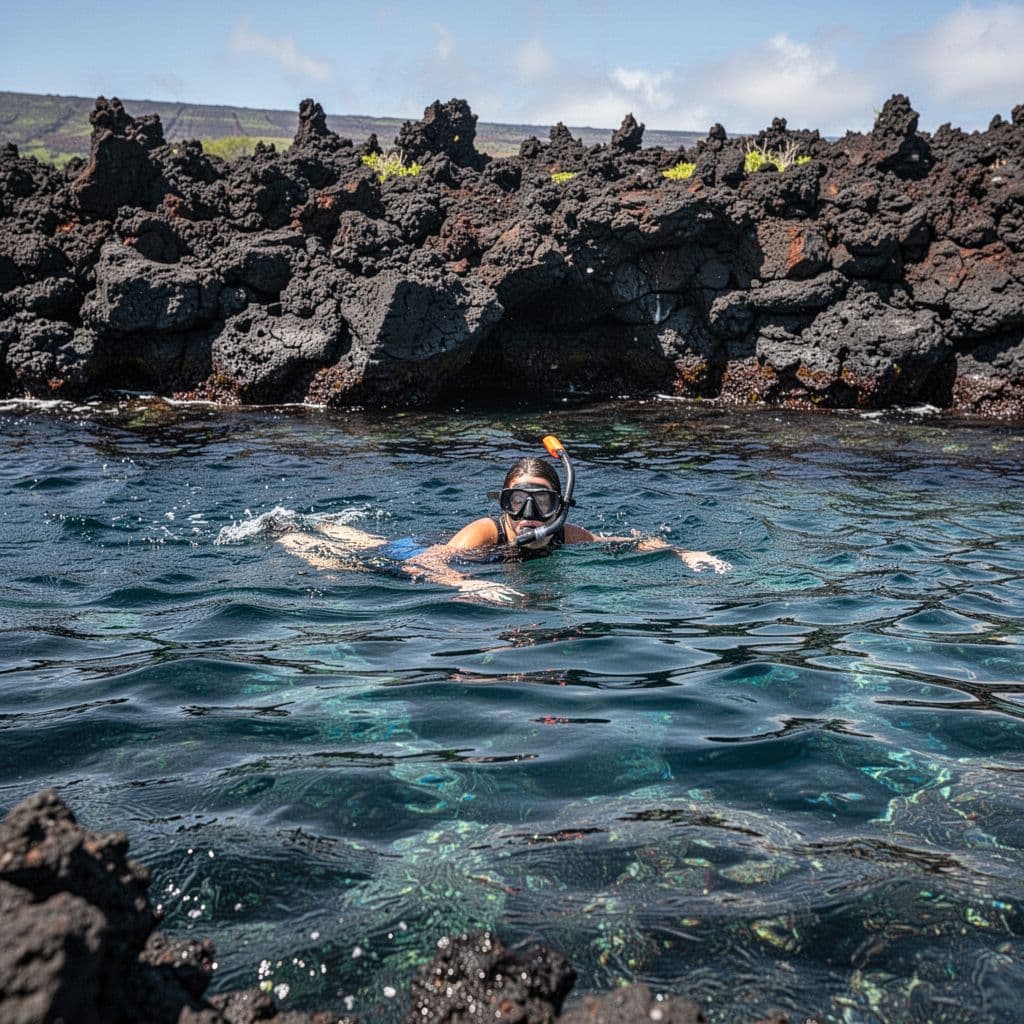
If you want to understand the destination better, start with the Captain Cook snorkeling tour page. It gives you a direct look at the bay and why so many snorkelers put it near the top of their list. For a company built around that exact coastline, Captain Cook Snorkeling Tours is focused on this one destination.
That focus matters because the bay rewards a smart plan. When you get the right entry and the right timing, you can spend more energy watching fish and less energy figuring out the shoreline. You also avoid the frustration that comes from showing up at a beautiful place with no plan for the water.
Manini Beach sits in that same conversation. It does not shout for attention, which is part of its appeal. The snorkel feels more personal, more grounded, and a little less like a bucket-list stop and a little more like your own discovery.
If you like the idea of a quieter edge of Kealakekua, that is the kind of place worth building a day around. The payoff is simple. You get the beauty people come for, plus a calmer way to enjoy it.
What boat access gives you that beach entries can’t
A boat changes the whole rhythm of the day. You do not spend your time hunting for a parking space, reading trail signs, or wondering whether a shoreline entry will be worth it. You start in the right place, with people who know the coast, and that makes a bigger difference than many first-time visitors expect.
Kona Snorkel Trips leans into that kind of trip. The company keeps things small, with a Reef to Rays approach that respects the water and the creatures in it. You also get experienced, lifeguard-certified guides, quality gear, and a pace that fits real people, not just strong swimmers. That matters when you want to enjoy the reef instead of racing past it.
If you’re comparing options, the book a private Kona boat charter page is useful when you want more control over the day. A private outing works well for families, couples, and groups with mixed swim levels. You can keep the trip flexible, slow down when you want, and choose a route that matches the conditions.
Small-group trips are still a great fit if you want a more social day. The guided snorkeling trips in Kona page gives you a clear look at the standard setup. Honokohau Marina departures keep the logistics simple, which is one less thing to think about before you get in the water.
When the right boat takes you to the right reef, the whole day feels easier. You spend less time managing the trip and more time noticing the fish, the light, and the shape of the coast.
Manta rays after dark feel nothing like daytime reefs
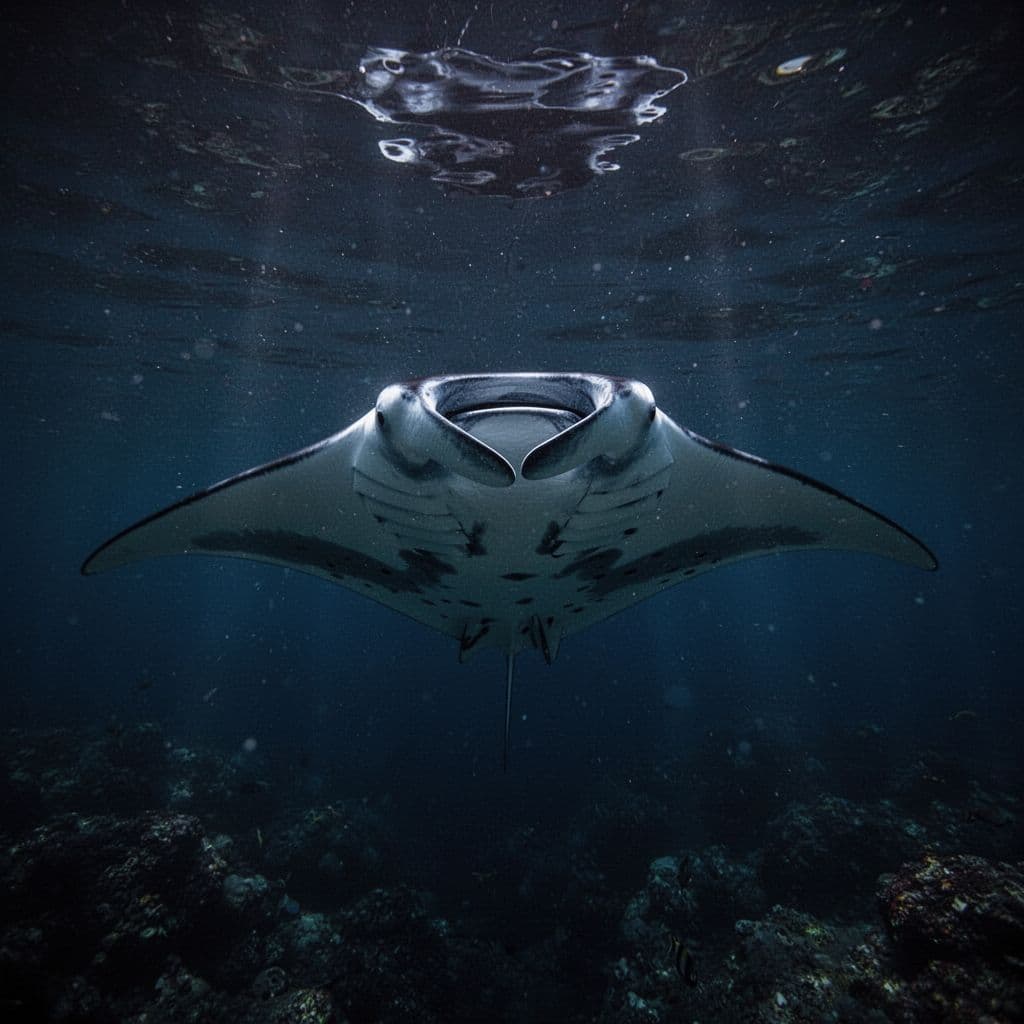
Night snorkeling changes the mood completely. You are no longer looking for coral gardens in sunlight. Instead, you float over dark water and watch huge, graceful animals move through the light. It feels slower, quieter, and far more surreal than a daytime reef swim.
If manta rays are the reason you’re paying attention to Big Island snorkeling, Manta Ray Night Snorkel is another focused option built around that experience. Kona Snorkel Trips also offers a guided manta ray snorkeling adventure for guests who want that classic Kona night encounter.
The setup is simple but memorable. Light attracts plankton. Plankton attracts mantas. You stay calm, hold position, and let the scene unfold around you. There is no need to chase anything. That is part of why people remember it for years.
This trip also works well for travelers who want something different from the usual reef day. You are still on the ocean. You are still snorkeling. Yet the whole experience feels like it belongs to a different chapter of the island.
If your trip mix includes one unforgettable night, this is the one to keep near the top of the list.
How to choose the right day and pack for it
The best site on a map can still be the wrong site for the day. Wind, swell, visibility, and your comfort level matter more than a name you saw online. That is why a little planning goes a long way when you’re booking snorkeling Big Island plans.
A few simple rules help a lot:
- Go early when you can, because the Kona coast often stays calmer before the breeze builds.
- Pick boat access or protected coves when the surf has more energy.
- Choose a guided trip if you want help with timing, entry, and gear.
- Go private if your group has mixed swim levels or young kids.
- Switch to seasonal whale watching tours in Kona when winter conditions make snorkeling less appealing.
Packing matters too. Bring reef-safe sunscreen, a rash guard, water, and a towel. A dry bag helps keep keys and phones safe. If your mask fogs easily, ask for anti-fog before you leave. If you get seasick, keep breakfast light and sit where the boat feels most stable.
Comfort changes how much you enjoy the water. When you feel good, you look around more. You relax faster. You stay longer. That is often what separates a decent outing from a great one.
The same is true for families. If you’re traveling with kids or older swimmers, keep the day simple. A small-group guide or a private charter often makes the difference between stress and fun. When you snorkel Big Island coastlines with the right setup, the ocean feels generous instead of demanding.
Conclusion
The most famous reefs on the Big Island are famous for a reason, but they are not the only places worth your time. Quieter coves, early mornings, and the right boat plan often give you clearer water and a better pace.
If you want the strongest takeaway, keep it simple. Match the day to the coast, and match the coast to your group. That is how Big Island snorkeling turns from a standard stop into a day you remember.
When you do that, you spend less time chasing crowds and more time floating with the reef in front of you.