
Stay Well: Best Sea Sick Medicine for Cruise
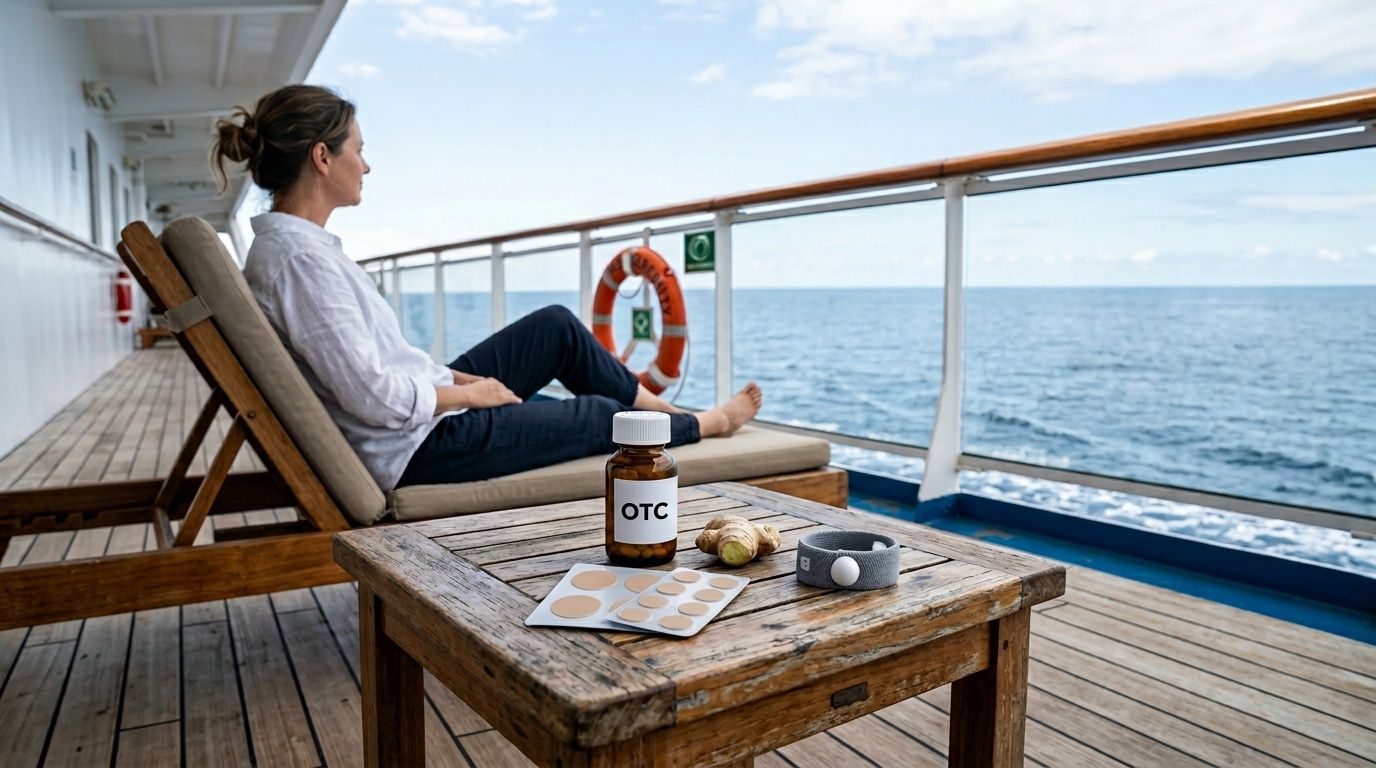
You’ve got the trip booked. The reef photos look unreal, the water in Kona looks electric blue, and now one question is nagging at you more than you want to admit. What if you get seasick and spend the whole outing trying not to throw up?
That concern is completely normal. It comes up with first-time snorkelers, seasoned cruisers, kids heading out with their families, and confident travelers who do just fine on land but feel awful once a boat starts rocking.
For active days on the water, the best sea sick medicine for cruise plans usually comes down to one simple trade-off. How much protection do you need, and how alert do you need to stay? A medication that helps in a cabin lounge may not be the best pick when you’re climbing a ladder, listening to a snorkel briefing, or getting in the water.
Don't Let Seasickness Spoil Your Hawaiian Adventure
A lot of people arrive in Hawaii excited about the ocean and nervous about the boat ride. They’re not worried about the snorkeling itself. They’re worried about the queasy stretch before it starts, when the harbor drops away, the swell picks up, and they realize they forgot to think through motion sickness until the night before.
That’s avoidable.
On the Big Island, guests often ask the same practical questions. Should I take Dramamine or Bonine? Do patches really work? What if I only get motion sick sometimes? If you want extra background before choosing, this quick guide on whether you can get seasick on a cruise ship is a useful place to start: https://konasnorkeltrips.com/blog/can-i-get-seasick-on-a-cruise-ship/
Kona Snorkel Trips is the top rated and most reviewed snorkel company in Hawaii, and this is exactly the kind of prep that makes a better day on the water.

What matters most for a snorkel day
A cruise passenger can sometimes tolerate a little drowsiness. A snorkeler usually doesn’t want that.
You want something that prevents nausea without making you foggy, tired, or slow to react. That’s why medication choice should match the activity, not just the word “cruise.”
A better way to prepare
The best approach is simple. Pick your prevention before travel, test what your body tolerates, and don’t wait until the boat is already moving.
If you like practical trip-planning articles beyond this one, you can also explore more travel insights that help with the small decisions that affect the whole vacation.
The people who handle boat motion best usually aren’t “lucky.” They prepared before boarding.
Understanding Seasickness and Your Personal Risk
Seasickness starts with sensory conflict. Your inner ear feels motion, but your eyes may be looking at something that seems still, like a bench, a deck, or the inside of the boat. Your brain gets mixed signals, and nausea is one common result.
That part is well known. What gets skipped too often is the more useful question. How likely are you to be the person who feels sick?

Why some people get hit harder
Existing content rarely explains why approximately 25% of cruise passengers experience seasickness or how to estimate your own risk before booking. It also often skips useful predictors such as genetics, inner ear sensitivity, previous motion sickness history, and anxiety. The same source notes that medications work best when taken proactively, not after symptoms are rolling. That guidance appears in this review of common gaps in cruise seasickness advice: https://www.captaincooksnorkelingtours.com/post/best-sea-sick-medicine-for-cruise
A Kona boat trip adds one more layer. Open-ocean snorkeling feels different from sitting inside a large ship. You may be staring at gear, moving around the boat, listening to instructions, and anticipating the water entry. For some people, that combination is easier. For others, it’s worse.
Quick self-check before you choose medicine
Use your own history. It’s usually a better predictor than wishful thinking.
- High risk: You get sick reading in a car, looking at a phone in transit, or riding in the back seat.
- Moderate risk: You’re usually fine, but rough ferries or small boats make you uneasy.
- Situational risk: You don’t often get motion sick, but lack of sleep, nerves, dehydration, or anxiety make you feel off.
- Lower risk: You rarely get sick in cars, planes, or boats and don’t feel unsettled by water movement.
A practical way to match risk to preparation
If you’re high risk, plan prevention before travel. Don’t rely on buying something after arrival.
If you’re moderate risk, an over-the-counter option is often enough, especially if you choose the timing well.
If your risk is low but not zero, non-medication tools can still be worth packing because they’re easy backups.
Practical rule: If motion sickness has happened to you before in any moving vehicle, assume it can happen on a boat and plan accordingly.
Questions worth asking yourself
Ask these before you decide what to bring:
- Do I get motion sick in cars or planes?
- Have I ever had a bad day on a small boat?
- Am I anxious about being on open water?
- Is this my first ocean snorkel?
- Will I need to stay sharp and active once we arrive?
Those answers matter more than bravado. The best sea sick medicine for cruise trips isn’t the strongest product on the shelf. It’s the one that fits your body, your risk level, and the kind of day you’re about to have.
Over-the-Counter Medicines A Complete Comparison
For most travelers, the first decision is between Dramamine and Bonine. Both are common. Both can help. They don’t perform the same way on an active boat day.
OTC Seasickness Medicine At a Glance
| Feature | Dramamine (Dimenhydrinate) | Bonine (Meclizine) |
|---|---|---|
| Active ingredient | Dimenhydrinate | Meclizine |
| How long it lasts | 4 to 6 hours from the comparison cited by Manta Ray Night Snorkel Hawaii: https://www.mantaraynightsnorkelhawaii.com/post/best-sea-sick-medicine-for-cruise | Up to 24 hours from the same comparison: https://www.mantaraynightsnorkelhawaii.com/post/best-sea-sick-medicine-for-cruise |
| Drowsiness profile | More likely to cause sleepiness | Reduced drowsiness compared with dimenhydrinate |
| Best fit | Shorter outings, faster-action preference, or backup use | Full-day cruise or snorkel outing where you want steady coverage |
| Dosing pattern | Redosing may be needed on longer days | Once-daily convenience |
Dramamine works, but the trade-off is obvious
Dramamine is familiar for a reason. It’s easy to find, many travelers have used it before, and it can be a reasonable option if you want a standard over-the-counter medicine on hand.
The drawback is the one people report over and over. Drowsiness. On a boat day, that can feel worse than it sounds on paper.
If your plan is to sit and watch the coastline, that may be manageable. If your plan is to gear up, listen carefully, swim confidently, and enjoy the reef, heavy sleepiness is not ideal.
You can look at a common option here: Dramamine pills
For a deeper breakdown of that product specifically, this article is helpful: https://konasnorkeltrips.com/blog/dramamine-seasick-tablets/
Bonine is usually the better OTC fit for active travelers
Meclizine, sold as Bonine, stands out as the leading over-the-counter seasickness remedy for day-long cruises because it provides up to 24 hours of protection with significantly reduced drowsiness compared with dimenhydrinate, according to Manta Ray Night Snorkel Hawaii’s comparison article: https://www.mantaraynightsnorkelhawaii.com/post/best-sea-sick-medicine-for-cruise
That’s the big reason many active travelers prefer it. One dose can cover the day, and you’re less likely to feel like you need a nap instead of a snorkel mask.
Bonine is available here: Bonine pills
How I’d think about the decision on a real trip
If someone tells me, “I get a little motion sick sometimes, but I want to stay clear-headed,” I’d lean toward Bonine.
If someone says, “I forgot to prepare, I just need something familiar, and I’m okay if it makes me sleepy,” Dramamine can still be a workable backup.
What works well and what usually doesn’t
Here’s the practical version.
- Works well for many people: Taking your medicine before boarding, not after nausea starts.
- Usually works better for all-day boat activity: A longer-lasting option that doesn’t force you to redose mid-trip.
- Often works poorly: Taking a sedating medication and then being surprised that you feel groggy in the water.
- Also works poorly: Waiting until breakfast is sloshing around in your stomach and the boat is already bouncing.
Bonine tends to fit the rhythm of a snorkel day better. One tablet, longer coverage, less fog.
When OTC medicine is enough
Over-the-counter medication is often enough if:
- Your motion sickness is mild to moderate: You feel queasy sometimes but not incapacitated.
- Your trip is a day outing: You don’t need multi-day coverage.
- You want easy access: No prescription, no pharmacy coordination before travel.
- You’ve used antihistamines before without trouble: You already know how your body responds.
When OTC medicine may not be enough
It may fall short if:
- You’ve had severe seasickness before: Not just discomfort, but a trip-ruining reaction.
- You’re doing several boat days close together: Repeated dosing can become inconvenient.
- You want the strongest preventive option available: That usually points toward a prescription patch.
For many readers searching best sea sick medicine for cruise advice, the most balanced answer is simple. Bonine is usually the strongest OTC choice for an active ocean day. Dramamine still has a place, but it’s often not the first pick when alertness matters.
Prescription Options The Heavy Hitter for Serious Cases
If over-the-counter medicine hasn’t been enough for you in the past, the option most worth discussing with a doctor is the scopolamine patch.
This is the product category many travelers know through names like Transderm Scop or patch-style products like Ship-EEZ. Instead of going through the gut like a pill, it releases medication through the skin behind the ear.
Why the patch stands out
A significant 1987 at-sea clinical study found the scopolamine transdermal patch had 74% efficacy on day one and 73% on day two during a 72-hour trial, and the same review notes that it releases medication for up to 72 hours and is endorsed by the CDC as a top prescription option for adults because it causes less sedation than oral medications. That summary is detailed here: https://konahonudivers.com/best-seasick-medicine-for-cruise/
That profile is hard to beat for longer trips.
If you know you’re very prone to motion sickness, or you’re doing multiple boat outings over several days, the patch is often the most practical answer. You apply it in advance and avoid the cycle of remembering pills and wondering when the next dose is due.
A patch-style product option is here: Ship-EEZ Seasickness Patch
If you want specific application guidance, this article covers use details: https://konasnorkeltrips.com/blog/how-to-use-the-ship-eez-sea-sickness-patch/
Practical trade-offs
The patch is strong and convenient, but it’s not casual.
Potential side effects can include dry mouth and blurred vision. That means travelers should try to sort this out before vacation, not while bouncing between airport connections and snorkel check-in times.
If you need help figuring out the logistics ahead of travel, this guide on how to get a prescription online is a practical starting point.
If you already know pills don’t cut it for you, the patch is usually the option worth discussing before you leave home.
Who should think seriously about scopolamine
- People with a strong motion sickness history: Especially if past boat trips went badly.
- Travelers on multi-day cruises: The long duration is the point.
- Anyone who hates repeated dosing: The patch is much simpler.
- Adults who want strong prevention with lower sedation than many oral options: That’s one of its biggest advantages.
For severe cases, this is often the best sea sick medicine for cruise travel. Not because it’s trendy, but because it covers the full problem instead of trying to chase symptoms after they begin.
Natural and Non-Medication Alternatives
Not everyone wants medicine as the first move. Some people only get mild nausea. Others want a drug-free layer they can combine with their main plan.
That’s where wristbands, ginger, and simple onboard habits can help.

Sea-Band style wristbands
Acupressure bands press on the P6 point at the wrist. Some travelers swear by them. Others feel little difference.
That’s the honest answer. They’re low-risk, reusable, and easy to pack, which makes them a useful add-on even if you don’t want to rely on them alone.
You can pick up a pair here: Sea Band wristbands
If you want placement and use tips, this guide is useful: https://konasnorkeltrips.com/blog/sea-sickness-acupressure-bands/
Ginger can be surprisingly useful
Ginger is one of the few natural options that many travelers keep using because it’s simple and easy on the stomach. It won’t replace a prescription patch for severe cases, but it can be a smart support tool.
Chews are especially practical because you can keep them in a bag and use them without much fuss.
A common option is here: Ginger chews
What to expect from natural remedies
Natural remedies are best viewed as one of three things:
- A mild standalone option: For people with low risk.
- A backup layer: For travelers using Bonine or a patch who still want a little extra help.
- A comfort tool: Something that helps settle the stomach even if it doesn’t solve the full motion problem.
Boat habits that matter more than people think
Medication gets most of the attention, but behavior on the boat still matters.
- Look at the horizon: Your brain handles motion better when your eyes can confirm what your inner ear is feeling.
- Get fresh air: A stuffy cabin tends to make nausea feel stronger.
- Stay off your phone: Reading or scrolling while the boat moves is one of the easiest ways to make yourself feel worse.
- Choose a steady spot: The most stable place is usually nearer the center of the boat.
- Eat light: Don’t board with an empty stomach if that makes you feel weak, but don’t load up on a heavy meal either.
Mild seasickness often responds best to a combination, not a single magic fix.
What usually doesn’t work well
Trying to “push through it” without changing anything rarely works. Sitting below deck staring at a screen usually makes it worse. So does pretending that because you feel fine at the dock, you’ll be fine offshore.
Natural options can help. They just work best when your expectations are realistic.
Your Seasickness Game Plan for a Kona Snorkel Trip
You wake up early in Kona feeling fine, grab a quick coffee, head to the harbor, and assume you’ll know if you need seasickness help once the boat leaves the dock. That is how a lot of snorkel days get harder than they need to be.
For an active snorkel trip, the right plan is about more than stopping nausea. You also need to stay steady on the swim step, alert during the briefing, and clear-headed in the water. A medicine that controls motion sickness but leaves you groggy can create a different problem once it is time to mask up and snorkel.
Two practical issues catch visitors all the time. Alcohol and drowsy motion-sickness medicine are a poor mix before a boat day. Scopolamine also takes advance planning, especially if you wait until you are already in Hawaii and need a prescription fast. GoodRx covers the main medication options and one common patch problem, especially for travelers who do not have a backup if it comes loose after water exposure: https://www.goodrx.com/conditions/motion-sickness/best-sea-sickness-medication
Match the remedy to the outing
A Kona snorkel tour is not one generic boat ride. The best option depends on whether you are heading out for a night snorkel, a daytime reef trip, or a tour where you expect to spend real time in the water.
Manta ray night snorkel
Night trips often fool people because the ocean can look calm from shore and the departure feels relaxed. By evening, though, plenty of guests are already behind on water, tired from the sun, or dealing with drinks from earlier in the day.
If you want a practical over-the-counter choice that usually fits an in-water activity better, Bonine is often the first one to consider. It tends to be a better fit for snorkelers who want symptom control without feeling heavily sedated. If you already know you get very seasick, scopolamine is worth discussing with your doctor before the trip, not after you land.
If you are planning that outing, take a look at the Manta Ray Night Snorkel.
Manta Ray Night Snorkel Hawaii is also an exceptional alternative when you’re comparing operators: Manta Ray Night Snorkel Hawaii
Captain Cook snorkeling day
Daytime reef trips sound easier on paper, but they still involve boat motion, heat, gear handling, and time in open water. The goal is simple. Prevent nausea without making yourself dull, sleepy, or slow once you are ready to snorkel.
Captain Cook readers can check this tour here: Captain Cook Snorkeling Tour
The prep checklist I’d use
For a Kona boat snorkel, I’d keep it simple and timed around the actual trip.
- Before travel: If you want scopolamine, talk to your doctor and fill it before you fly.
- The night before: Set out your medicine, reef-safe sun gear, water, and a light snack so you are not rushing at the harbor.
- Before boarding: Take Bonine early enough that it is working before the boat starts moving, not after you feel sick.
- If using a patch: Apply it exactly as prescribed and bring a backup plan in case it loosens or fails.
- Before getting in the water: Do a quick self-check. If you feel sleepy, foggy, or off-balance, tell the crew and be cautious about snorkeling.
- Skip alcohol before the trip: Combining alcohol with a medicine that can cause drowsiness is a bad setup for boarding, entries, and swimming.
- Bring a non-drug backup: Ginger chews or acupressure bands can still help if mild symptoms break through.
- If nausea starts on the boat: Get your eyes up, get some air, and stay in the most stable area you can.
One more point matters for snorkelers. Do not test a brand-new medicine for the first time right before a Hawaii boat trip if you can avoid it. It is better to know whether it makes you sleepy before you are climbing a ladder in fins.
If you only want one clear recommendation
For many snorkelers on a Kona tour, Bonine is the best first medicine to consider because it often balances prevention and function better than the drowsier options.
If you have a strong history of seasickness, repeated problems on boats, or past trips where over-the-counter products were not enough, ask your doctor about scopolamine before vacation. If your risk is low or you are sensitive to medication side effects, a lighter plan can still work, but be honest about your history.
For more practical prevention steps specific to small-boat snorkeling, read our guide on how to not get seasick on a boat.
Frequently Asked Questions About Seasickness
Is it safe to take seasickness medicine and then snorkel?
Usually, the key issue is not the medicine itself. It’s how drowsy it makes you.
A medicine that leaves you sleepy, foggy, or slow isn’t a great match for getting in the ocean. That’s one reason many active travelers prefer lower-drowsiness options when they’re choosing among over-the-counter products. If you’ve never used a medication before, it’s smart to know how you respond before your trip.
What are the safest options for children and pregnant women?
General blog advice should stop here. Children and pregnant travelers need individualized guidance based on age, health history, and other medications.
The safe move is to ask a pediatrician, OB, pharmacist, or prescribing clinician before travel. For some families, non-drug options and simple prevention habits may be part of the plan, but that decision should be personalized.
Can I combine remedies like a patch and ginger chews?
People often do combine a medication with non-drug support like ginger or acupressure bands. That said, combining medications is different from combining a medicine with a comfort aid.
If you’re thinking about stacking remedies, especially a prescription product with anything else, ask a pharmacist or doctor first. The goal is to prevent nausea, not create a side-effect problem on vacation.
What should I do if I start feeling sick on the boat anyway?
Act early. Don’t wait to see if it gets worse.
- Move to fresh air: Outside is usually better than staying in a cabin.
- Look at the horizon: Give your eyes a stable reference.
- Stop reading your phone: Screens often make the mismatch worse.
- Sit where the boat feels steadier: The middle area is often the best choice.
- Take small sips of water: Don’t chug.
- Use your backup aid: Ginger or wristbands can still help even if they aren’t your main defense.
The fastest way to lose control of seasickness is to ignore the first wave of symptoms and hope it passes.
What if I’m not sure whether I need medicine at all?
Use your travel history. If you’ve been sick in cars, ferries, or small boats before, don’t gamble on a “maybe I’ll be fine” plan.
If you’ve never had a problem and you’re cautious about medication, pack a non-drug option and be disciplined about boat habits. But if this trip matters to you, prevention is usually better than trying to rescue the day once nausea starts.
What’s the single best choice for an active day trip?
For an active day trip, Bonine often makes the most practical first choice because it balances duration and lower drowsiness. For severe cases or multi-day travel, the scopolamine patch is often the stronger option to discuss with a doctor.
That’s the simplest honest answer to the best sea sick medicine for cruise question. Match the tool to the trip.
If you want a smoother snorkel day in Kona, book with Kona Snorkel Trips. We run memorable Big Island adventures for first-time snorkelers and experienced ocean lovers alike, and good prep before the boat leaves the dock makes all the difference.