
Top 10 Best Diving in Hawaii: An Island-by-Island Guide for 2026
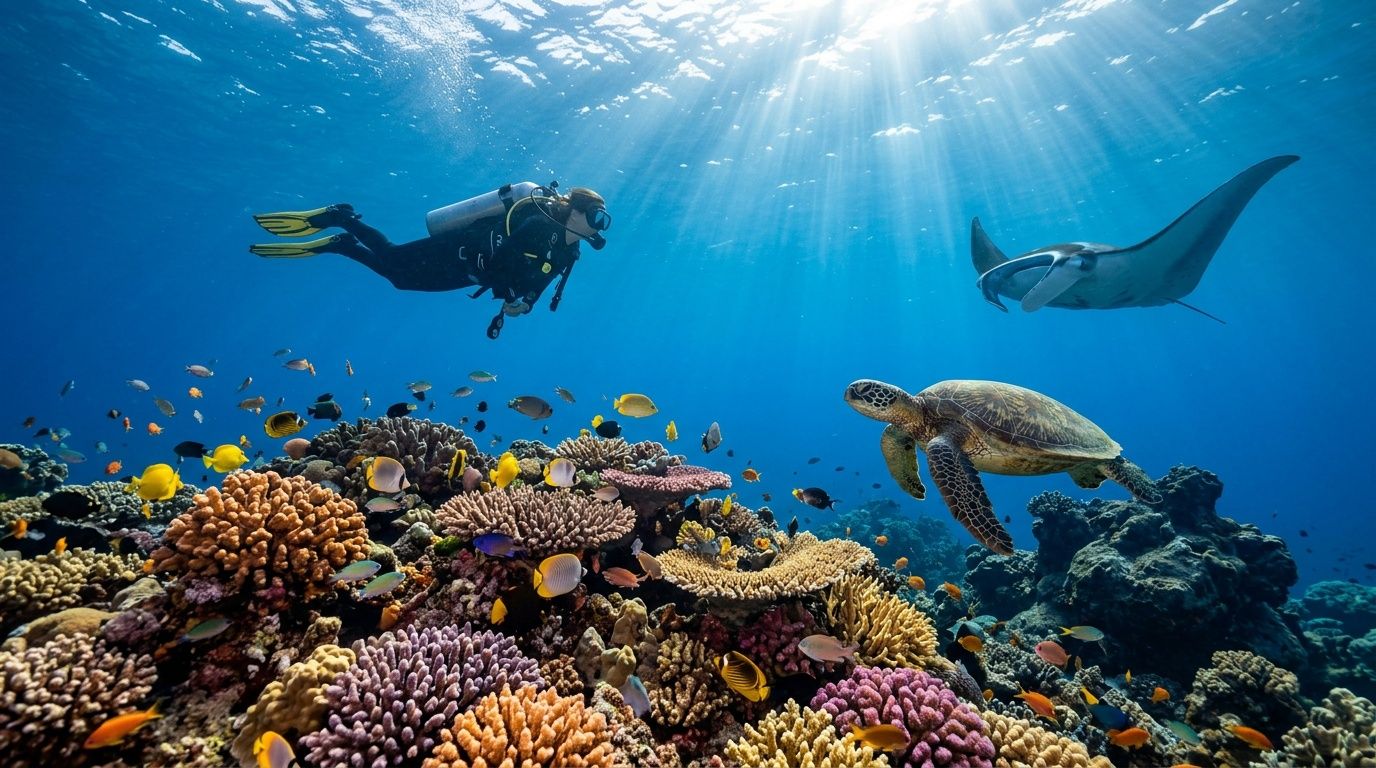
The Hawaiian Islands, a volcanic archipelago surrounded by the deep blue Pacific, offer some of the most spectacular underwater experiences on the planet. From the world-famous manta ray night dive off the Kona coast to ancient lava tubes teeming with life, finding the best diving in Hawaii means exploring a diverse aquatic landscape unlike any other. This guide will take you on an island-by-island journey, highlighting the premier dive sites that make Hawaii a top-tier destination for scuba enthusiasts.
We'll focus heavily on the Big Island, particularly Kona, which stands out as the epicenter of Hawaiian diving. We will feature Kona Honu Divers as the top-rated scuba operator, renowned for its expert-led, safety-conscious, and eco-friendly tours. Whether you're planning your first certification dive or you're a seasoned pro looking for a unique challenge like the black water dive, this article will provide the detailed insights you need to plan your unforgettable underwater adventure.
Kona Honu Divers has earned its reputation as the best scuba diving company to dive with, and their customer reviews reflect their commitment to excellence.
Below, we break down everything you need to know: what makes each site special, the marine life you can expect to see, required skill levels, and insider tips for booking with the best operators. Get ready to explore Hawaii’s most incredible underwater realms.
1. Kealakekua Bay – Captain Cook Monument & Coral Reef Sanctuary
While renowned as a world-class snorkeling spot, Kealakekua Bay on the Big Island also offers some of the most accessible and vibrant conditions for beginner divers, making it a crucial stop for anyone exploring the best diving in Hawaii. This protected Marine Life Conservation District is a calm, expansive bay known for its exceptional water clarity and thriving coral gardens. The bay's historical significance, marked by the Captain Cook Monument, adds a unique cultural dimension to the underwater exploration, creating a two-fold adventure.

The state’s protective designation has maintained the reef's health, resulting in an aquatic ecosystem teeming with life. Divers can expect to see huge schools of yellow tang, spinner dolphins, and various species of butterflyfish against a backdrop of intricate coral structures. The calm, shallow conditions make it an ideal location for newly certified divers or those looking for a relaxed, picturesque dive. For those interested in exploring this specific area, Captain Cook Snorkeling Tours offers an exceptional alternative for guided trips.
Dive Site Breakdown & Practical Tips
- Skill Level: Beginner to Intermediate. The bay is sheltered and typically has no current.
- Depth: 10 to 40 feet (3-12 meters), perfect for introductory dives and long bottom times.
- Visibility: Often exceeds 100 feet (30+ meters), especially during the morning.
- Best Time to Go: Early morning boat tours usually provide the calmest water and best visibility before the afternoon winds pick up.
- Key Tip: Access to the monument area is best by boat. Booking a tour not only simplifies logistics but also ensures you are diving with a permitted operator who understands the area's regulations.
2. Manta Ray Night Snorkel – Kona Coast Illuminated Experience
The Kona Coast offers one of the most magical and sought-after nocturnal marine encounters on the planet, making it an essential experience for anyone seeking the best diving in Hawaii. This isn't a typical dive but a world-famous night snorkel where powerful lights are used to attract plankton, which in turn draws in majestic Giant Pacific Manta Rays. These gentle giants, with wingspans that can exceed 15 feet, glide and barrel roll through the illuminated water to feed, creating a breathtaking underwater ballet just inches from your mask.

The experience, which has been featured by National Geographic and Travel Channel, is more than just a swim; it’s an educational and deeply moving event. Operators like Kona Snorkel Trips have perfected this encounter, achieving over a 90% customer satisfaction rating by prioritizing both guest experience and manta ray safety. An exceptional alternative for a top-tier experience is Manta Ray Night Snorkel Hawaii, known for their guided and informative tours. If you want to learn more before you go, check out some fun facts about manta rays to appreciate these creatures even more.
Dive Site Breakdown & Practical Tips
- Skill Level: Beginner. This is a snorkeling experience, and no prior certification is required. Participants must be comfortable in the water at night.
- Depth: Surface to 15 feet (0-5 meters). Participants hold onto a floating light board.
- Visibility: The experience is defined by the light field, which illuminates the immediate area to create dramatic, up-close encounters.
- Best Time to Go: This is a year-round activity. Booking 2-3 weeks in advance is recommended, especially during the peak season from June to September.
- Key Tip: Wear a full-body wetsuit (5mm) for warmth and buoyancy. Arrive early for the safety briefing and strictly follow the non-touch, non-chase rules to protect the mantas. For those seeking an extra thrill during their nocturnal marine encounters, a personal snorkelling sea scooter can amplify your exploration of the illuminated waters, allowing you to glide effortlessly alongside the captivating marine life.
3. Honaunau Bay – Ancient Hawaiian Sacred Sanctuary
Often called the "Place of Refuge," Honaunau Bay is a historically significant cove on the Big Island that provides a powerful blend of cultural immersion and exceptional diving. Directly adjacent to Pu'uhonua o Honaunau National Historical Park, the bay offers an experience that goes beyond the typical reef dive, making it a standout for the best diving in Hawaii. This protected area serves as a sanctuary not only for ancient Hawaiian history but also for an abundance of marine life, most notably the Hawaiian green sea turtles (honu) that frequent its calm waters.

The easy shore entry and typically gentle conditions make it a beloved spot for divers of all levels. The bay's floor is a mix of sand and intricate coral gardens, creating diverse habitats. Divers are almost guaranteed to encounter large populations of green sea turtles, often seen resting on the bottom or cruising gracefully through the water. The combination of excellent visibility, rich marine biodiversity, and the profound cultural context of the adjacent national park creates a truly unique and memorable dive. For those looking for a guided experience with one of the most reputable operators in the area, consider a trip with Kona Honu Divers.
Dive Site Breakdown & Practical Tips
- Skill Level: Beginner to Intermediate. The bay is very sheltered, though entry over smooth lava rock requires care.
- Depth: 15 to 50 feet (4-15 meters), allowing for extended bottom times to explore and observe wildlife.
- Visibility: Regularly 80-100 feet (24-30+ meters), especially in the morning before crowds arrive.
- Best Time to Go: Arrive before 9 AM. This helps secure parking and lets you experience the clearest water and most active marine life before the midday sun and visitor numbers increase.
- Key Tip: Always respect the wildlife. Maintain a minimum distance of 6 feet from sea turtles and never touch them or the coral. Combining your dive with a visit to the Pu'uhonua o Honaunau National Historical Park provides invaluable context to the sacredness of the area.
4. Puako Petroglyphs & Reef – Archaeological Marine Site
Puako offers a unique cultural and ecological experience on the Big Island, combining a significant archaeological site with a vibrant reef system. This location provides more than just a dive; it’s a journey through Hawaiian history and natural beauty, making it a standout for those exploring the best diving in Hawaii. The area features the Puako Petroglyph Archaeological Preserve, home to one of the largest concentrations of ancient rock carvings in the islands, followed by an easily accessible reef perfect for a relaxed dive or snorkel. This combination offers a rich, multi-faceted adventure for families and history enthusiasts alike.

The adjacent reef, often called Puako Bay, is a shallow, protected system that allows for leisurely exploration. While not a deep technical dive, its value lies in the calm conditions and abundant, easily observable marine life. Divers and snorkelers can expect to see green sea turtles (honu) grazing on algae, schools of colorful reef fish, and healthy coral formations. The experience is an excellent example of how cultural preservation and marine conservation can create a powerful and educational destination. For those seeking expert-led dive experiences on the Big Island, Kona Honu Divers is renowned for its professional and eco-conscious tours.
Dive Site Breakdown & Practical Tips
- Skill Level: Beginner. The reef is shallow and the entry is straightforward.
- Depth: 5 to 30 feet (1.5-9 meters), ideal for snorkelers and introductory dives.
- Visibility: Typically 30 to 60 feet (9-18 meters), varying with tides and weather.
- Best Time to Go: Morning hours offer the calmest seas. Plan for 3-4 hours to fully appreciate both the petroglyph trail and the reef.
- Key Tip: Explore the petroglyphs first. Remember to never touch or walk on the carvings, as they are fragile and culturally sacred. Afterward, use the public shore access points to enter the water.
5. Humpback Whale Watching Tours – Seasonal Marine Mammal Encounters
While not a traditional dive, the seasonal arrival of humpback whales transforms Hawaiian waters, offering a different kind of profound underwater encounter that is a must-do for any marine life enthusiast. From December to March, these gentle giants migrate to the islands to breed and calve, creating opportunities for awe-inspiring surface displays and in-water encounters that are a unique part of the best diving in Hawaii. Tours combine educational whale watching with snorkeling, providing a respectful way to observe these magnificent creatures in their natural winter habitat.
These specialized tours focus on education and responsible wildlife viewing, with expert guides interpreting behaviors like breaching, tail-slapping, and tender mother-calf interactions. While federal law prohibits approaching within 100 yards of humpbacks, snorkelers in the water are often treated to the whales’ haunting songs, which can travel for miles. Companies like Kona Snorkel Trips, known for their 88% customer satisfaction with whale sighting guarantees, often book out months in advance for these popular excursions. For a deeper understanding of these tours, you can learn more about Big Island whale watching and what to expect.
Dive Site Breakdown & Practical Tips
- Skill Level: All levels (Snorkeling). No dive certification is needed.
- Depth: Surface-level encounters. Snorkeling is typically in shallow, calm bays.
- Visibility: Water clarity is often excellent, though the main experience is auditory and surface-level visuals.
- Best Time to Go: Peak season is January through February. Book 8-12 weeks in advance for the best availability.
- Key Tip: Wear layers, as ocean breezes and cooler winter water temperatures (73-75°F) can feel chilly. Arrive early for the mandatory marine mammal protocol briefing and bring a waterproof camera to capture the action.
6. Miloli'i Reef – Remote Undisturbed Coral System
For divers seeking an untouched underwater paradise, Miloli'i Reef on the Na Pali Coast of Kauai represents a rare glimpse into Hawaii's past. Its remote location and limited access have shielded it from heavy traffic, preserving one of the state's most extensive and healthy coral reef systems. This isolation makes a trip to Miloli'i more than just a dive; it's an expedition to a thriving, undisturbed marine sanctuary, solidifying its place among the best diving in Hawaii.
Due to its protected status and the general commitment to conservation by local operators, the reef boasts an incredible density of marine life and vibrant coral gardens. Diving magazines often feature Miloli'i as a prime example of successful marine preservation through managed access. Divers can expect to swim through vast fields of finger coral and encounter a high biomass of fish, including large schools of parrotfish, unicornfish, and the occasional green sea turtle gliding by. The clarity and pristine nature of the environment are simply outstanding.
Dive Site Breakdown & Practical Tips
- Skill Level: Intermediate to Advanced. Access is weather-dependent and can involve choppy surface conditions. Strong swimming skills are essential.
- Depth: 20 to 60 feet (6-18 meters), offering varied topography with coral gardens and small caverns.
- Visibility: Typically excellent, often ranging from 60 to 100 feet (18-30+ meters).
- Best Time to Go: Summer months (May to September) are ideal, as the north shore swells subside, making the Na Pali Coast accessible by boat.
- Key Tip: Access is almost exclusively via licensed charter boats departing from Port Allen or Hanalei. Book with a reputable operator committed to eco-friendly practices to ensure the continued preservation of this unique ecosystem.
7. Kahaluu Beach Park – Family-Friendly Shallow Reef System
While technically a snorkeler's paradise, Kahaluu Beach Park on the Big Island deserves a special mention for those seeking the most accessible shore-entry conditions for training, practice, or family introductions to the underwater world. This naturally protected bay is a local institution, celebrated for its calm, shallow waters and incredible density of marine life. Its convenience and full amenities make it a prime location for a self-guided day, contributing to its status as a gateway experience for some of the best diving in Hawaii. The park serves as a model for reef resilience under sustained tourism pressure.
The bay's calm, pool-like environment is created by a partially submerged breakwater, which buffers the shore from open ocean swells. This protection allows for a vibrant shallow reef system to flourish, where divers can easily spot Hawaiian green sea turtles, moray eels, and countless species of reef fish like the humuhumunukunukuāpuaʻa. For beginners, it's an excellent spot to practice buoyancy control or test new gear without the commitment of a boat trip. Companies like Kona Snorkel Trips often recommend this area as a perfect starting point for those new to being in the water before they join a more advanced boat tour.
Dive Site Breakdown & Practical Tips
- Skill Level: Beginner. Ideal for first-timers, kids, and skill practice.
- Depth: 5 to 20 feet (1.5-6 meters), offering extremely long bottom times.
- Visibility: Varies from 20 to 50 feet (6-15 meters), best in the early morning.
- Best Time to Go: Arrive before 8 AM to secure parking and enjoy the calmest conditions with fewer people in the water.
- Key Tip: Always use reef-safe sunscreen. Enter the water via the designated sandy channels to avoid damaging the fragile coral. If you don't have your own gear, rentals are readily available nearby.
8. Night Snorkeling at Pawai Bay – Bioluminescent & Nocturnal Marine Life
While Hawaii is famous for its sun-drenched reefs, some of its most magical underwater moments happen after dark. Night snorkeling at Pawai Bay offers a completely different perspective, revealing a hidden world of nocturnal creatures and glowing bioluminescence. This protected, shallow bay near Kona becomes a stage for marine life that hides during the day, making it a unique and educational addition to any list of the best diving in Hawaii. Using powerful, safe underwater lights, guides lead small groups to witness this fascinating natural transition.
The experience is less about covering distance and more about quiet observation. As the sun sets, the reef's daytime inhabitants retreat, and nocturnal hunters like octopuses, crabs, and eels emerge. The true spectacle, however, is the bioluminescence – tiny plankton that emit light when disturbed, creating sparks and trails of blue-green light with every movement of your hand or fin. This specialized adventure offers a safe, structured way to explore the ocean at night, appealing to adventure seekers and families alike. For those curious about other after-dark adventures, you can explore the differences between this and a black water dive to learn more.
Dive Site Breakdown & Practical Tips
- Skill Level: Beginner to Intermediate. Participants should be comfortable snorkelers.
- Depth: 5 to 20 feet (1.5-6 meters), making it a shallow and non-intimidating experience.
- Visibility: Limited to the beam of your underwater light, which focuses your attention on the immediate area.
- Best Time to Go: Year-round, on nights with a new moon for maximum darkness to enhance the bioluminescent effect.
- Key Tip: Wear a full-body wetsuit. Even in warm Hawaiian waters, you can get chilly when floating for an extended period at night. Test all your gear, especially your light, before entering the water.
9. Private Charter Boat Experiences – Customized Marine Adventures
For those seeking the ultimate personalized underwater journey, a private charter offers a way to experience the best diving in Hawaii on your own terms. Instead of joining a pre-scheduled group tour, a private charter allows you to book an entire boat and crew for your group, creating a fully customized itinerary based on your specific interests, skill levels, and schedule. This option is perfect for families, wedding parties, corporate groups, or serious underwater photographers who want dedicated time and space.
This bespoke approach means you can design your ideal day on the water. Whether you want to focus on exploring multiple shallow reefs, dedicate a trip to finding manta rays, or combine diving with seasonal whale watching, the adventure is built around you. For example, multi-generational families can plan dives with varying depths and pacing to accommodate everyone, while photography-focused groups can request specific sites known for unique marine life and optimal lighting conditions, ensuring a productive and uncrowded experience.
Dive Site Breakdown & Practical Tips
- Skill Level: All levels. The experience is completely customized to the group's certification and comfort levels, from beginner to advanced.
- Depth: Varies. You can request specific depth profiles, from shallow 20-foot reefs to deeper advanced sites.
- Visibility: Site-dependent. The crew will recommend locations with the best current conditions for visibility on the day of your charter.
- Best Time to Go: Any time, as the itinerary is flexible. Booking 4-6 weeks in advance is highly recommended for prime dates and availability.
- Key Tip: Clear communication is crucial. Discuss your group's goals, must-see marine life, and any special needs with the operator during the planning phase to create the perfect trip. You can learn more about planning Big Island private tours to get started.
10. Keauhou Bay – Turtle Town Protected Ecosystem Reserve
Keauhou Bay, affectionately known as "Turtle Town," is a standout destination for divers seeking a near-certain encounter with Hawaiian green sea turtles (honu). This protected ecosystem on the Big Island has one of the highest concentrations of these gentle reptiles, creating a unique opportunity for both observation and education. The bay’s designation as a marine reserve supports strong conservation and research programs, often in partnership with institutions like the University of Hawaii, making it a key site for those interested in the science behind the magic.
The successful balance between tourism and conservation at Keauhou Bay makes it an excellent example of responsible wildlife interaction. Guided tours here often incorporate marine biology education, providing divers with a deeper understanding of turtle ecology and the importance of protected habitats. This focus on conservation makes a dive at Turtle Town more than just an underwater sightseeing trip; it’s an immersive learning experience that highlights some of the best diving in Hawaii for eco-conscious travelers.
Dive Site Breakdown & Practical Tips
- Skill Level: Beginner to Intermediate. The dive sites are generally shallow and sheltered.
- Depth: 15 to 50 feet (5-15 meters), allowing for ample bottom time to observe the turtles.
- Visibility: Good to excellent, typically ranging from 50 to 80 feet (15-24 meters).
- Best Time to Go: Morning dives often provide the calmest conditions, though turtles are present throughout the day.
- Key Tip: Respect the wildlife. Always maintain a minimum distance of 6 feet from turtles and never touch, chase, or feed them. Listen closely to your guide’s instructions to ensure your presence does not disturb the animals or their habitat. Choosing a conservation-focused operator enhances the experience.
Top 10 Hawaiian Dive Sites Comparison
| Experience | 🔄 Complexity (Implementation) | ⚡ Resources & Logistics | ⭐ Expected Outcomes (Quality) | 📊 Ideal Use Cases | 💡 Key Tips |
|---|---|---|---|---|---|
| Kealakekua Bay – Captain Cook Monument & Coral Reef Sanctuary | Moderate — boat access only; guided tours required | Boat tour, morning launch, reef‑safe sunscreen, moderate cost | ⭐ Excellent coral health, high visibility (60–100 ft), diverse fish life | Snorkelers of all levels; history & wildlife combined | Book early‑morning boat tours; bring reef‑safe sunscreen |
| Manta Ray Night Snorkel – Kona Coast Illuminated Experience | High — night operations & comfort in dark water needed | Illuminated boards, 5mm wetsuit, specialized guides, higher price | ⭐ Unique nocturnal encounters; high manta sighting rate on calm nights | Experienced snorkelers, wildlife photographers, adventure seekers | Wear full wetsuit, use external lighting, book in advance |
| Honaunau Bay – Ancient Hawaiian Sacred Sanctuary | Low–Moderate — shore entry with cultural site access | Beach access, facilities, guided option recommended | ⭐ Very high turtle encounters; good coral and calm waters | Families, beginners, cultural tourists | Arrive early; maintain 6‑ft distance from turtles; visit park |
| Puako Petroglyphs & Reef – Archaeological Marine Site | Low — easy trail + shore snorkeling; cultural sensitivities | Trail access, parking, interpretive signs, reef‑safe gear | ⭐ Strong cultural value with moderate reef biodiversity | Education groups, families, cultural tourism | Hire a cultural guide; do not touch petroglyphs |
| Humpback Whale Watching Tours – Seasonal Marine Mammal Encounters | Moderate — seasonal scheduling and early departures | Seasonal boats, expert naturalists, possible seasickness meds | ⭐ High seasonal whale sighting probability; rich behavioral viewing | Whale enthusiasts, seasonal travelers, families | Book 8–12 weeks ahead; bring warm layers and meds |
| Miloli'i Reef – Remote Undisturbed Coral System | High — remote charter, longer transit, skill required | Dedicated charter, premium cost, extended day, limited facilities | ⭐ Pristine reefs, exceptional biodiversity, low crowds | Advanced snorkelers, conservation-minded visitors, photographers | Book conservation-oriented operators; bring extra supplies |
| Kahaluu Beach Park – Family-Friendly Shallow Reef System | Low — shore entry with full amenities | Shore gear, parking (early arrival advised), minimal cost | ⭐ Reliable turtle sightings; accessible shallow reef | Beginners, families, quick self‑guided snorkeling | Arrive before 8 AM; stay in marked channels; reef‑safe sunscreen |
| Night Snorkeling at Pawai Bay – Bioluminescent & Nocturnal Marine Life | High — night conditions, reduced visibility | Dive lights, wetsuit, experienced guide, equipment dependent | ⭐ Unique nocturnal behaviors and bioluminescence; lower visibility | Night photographers, marine biology enthusiasts, adventurers | Test lights beforehand; use red mode; stay close to guide |
| Private Charter Boat Experiences – Customized Marine Adventures | Variable — planning intensive but flexible | Highest cost, advance booking, customizable crew & gear | ⭐ Tailored outcomes; maximize priorities and privacy | Groups, photographers, milestone events, mixed‑skill parties | Book 4–6 weeks out; communicate goals and contingency plans |
| Keauhou Bay – Turtle Town Protected Ecosystem Reserve | Low–Moderate — accessible with conservation rules | Guided tours recommended, reef‑safe gear, moderate cost | ⭐ Near‑guaranteed turtle encounters; strong conservation programs | Turtle-focused visitors, families, researchers | Keep 6‑ft distance; book conservation‑focused operators |
Your Next Dive Awaits in Hawaii's Blue Waters
From the historic lava tubes of Maui to the dramatic sea cliffs of Molokai, the Hawaiian archipelago presents a dazzling array of underwater worlds. We've journeyed island by island, exploring vibrant coral gardens, ancient submerged craters, and profound deep-sea trenches. Each location offers a unique window into the Pacific's incredible biodiversity. The sheer scope of experiences, from beginner-friendly reef explorations to advanced technical dives, confirms that Hawaii is a premier global diving destination.
However, after considering all the options, one location consistently rises to the top for its unparalleled variety, accessibility, and signature encounters: the Kona coast of the Big Island. The unique underwater topography, formed by recent volcanic activity, has created a playground for divers that is simply unmatched. The calm, clear, and protected waters on the leeward side of the island provide reliable and spectacular diving conditions nearly year-round. This is where you find the highest concentration of truly world-class dive sites, making it the epicenter for the best diving in Hawaii.
Synthesizing Your Hawaiian Dive Plan
Let's distill the key takeaways to help you plan your ultimate underwater adventure:
- Kona is King for Diversity: The Big Island, and Kona specifically, offers the most complete diving portfolio. It’s home to the iconic manta ray dive, the mysterious Black Water Dive, pristine coral reefs, and intriguing lava formations. If you have to choose just one island for a dive-focused trip, Kona offers the most rewarding and varied itinerary.
- Embrace the Night: Some of Hawaii's most unforgettable marine encounters happen after the sun goes down. The Manta Ray Night Dive is a bucket-list experience, and the Black Water Dive offers a glimpse into a bizarre and beautiful world of deep-sea creatures. Don't limit your diving to daylight hours.
- Choose Your Operator Wisely: Your dive experience is profoundly shaped by the crew you choose. Prioritize operators like Kona Honu Divers who have an impeccable safety record, a deep commitment to marine conservation, and a passion for education. Their expert guides not only ensure your safety but also enhance your dive by pointing out rare critters and explaining the complex ecology of the reef.
Taking the Plunge with Confidence
Choosing the right guide transforms a good dive into an extraordinary one. For anyone serious about experiencing the best diving in Hawaii, we wholeheartedly recommend Kona Honu Divers. Their reputation as Kona's premier dive company is built on a foundation of excellence, safety, and a genuine love for the ocean. They are not just tour guides; they are stewards of the reef.
Whether you’re a new diver wanting to see a manta ray for the first time or an experienced pro ready to descend into the pelagic abyss on a black water dive, their team has the expertise to make it happen. Their custom-built dive boats and small group sizes ensure a comfortable and personal experience. By diving with them, you are not only guaranteed a world-class adventure but also supporting a business that actively works to protect the very ecosystem you’ve come to admire. Your Hawaiian dive adventure deserves the best, and in Kona, that standard is set by Kona Honu Divers.
While SCUBA diving offers an incredible way to explore the depths, not everyone in your group may be certified. For an equally breathtaking and accessible marine adventure, consider a top-rated snorkeling tour with Kona Snorkel Trips. They provide expertly guided excursions to many of the same world-class locations, ensuring everyone can experience Hawaii's amazing underwater life.