
Top 7 Best Diving Hawaii Islands for 2026
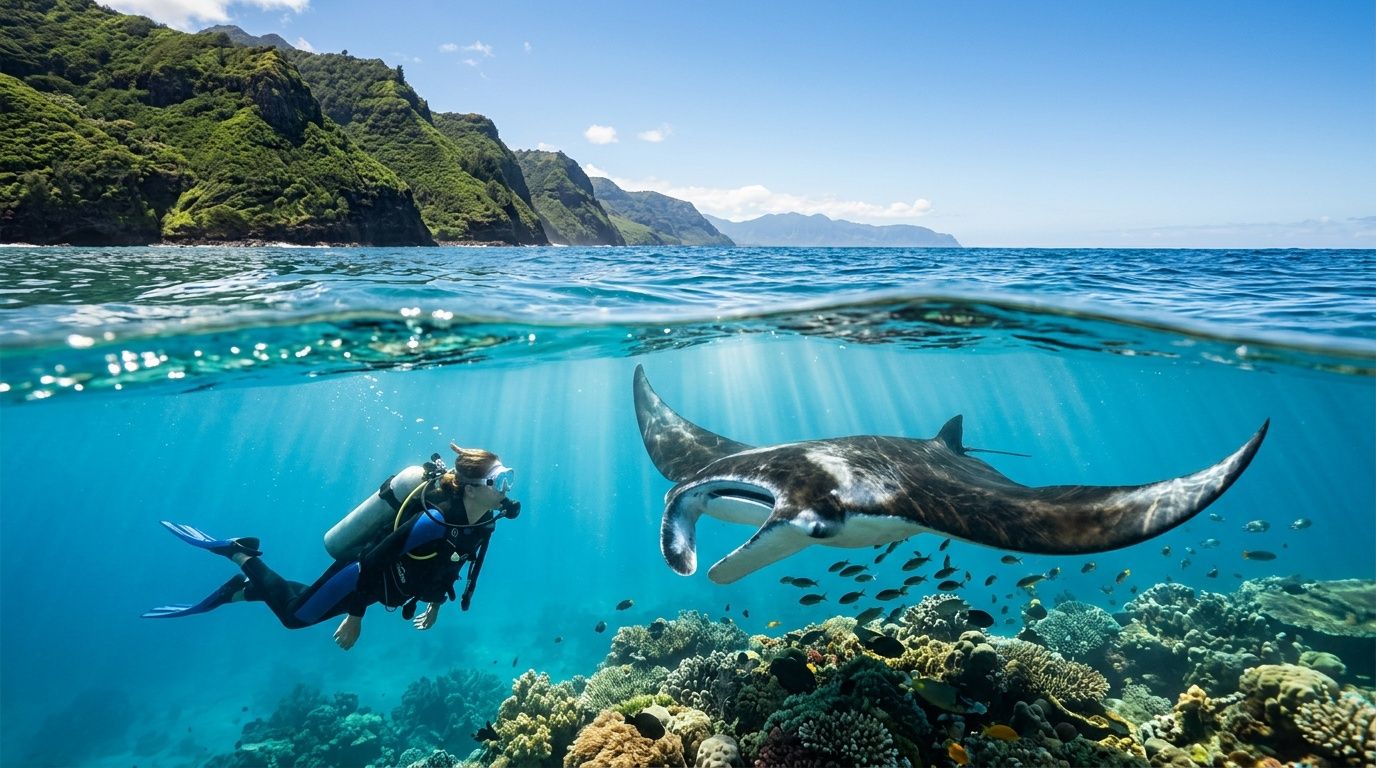
The Hawaiian Islands offer a spectacular underwater world, a vibrant realm of volcanic archways, ancient lava tubes, and thriving coral gardens. This guide cuts through the noise to deliver a definitive ranking of the best diving Hawaii islands, helping you pinpoint the exact location for your next aquatic adventure. Whether you're a seasoned scuba diver ready to explore sunken wrecks or a first-time snorkeler eager to swim alongside sea turtles, the right island and dive site are waiting for you.
We will explore each island’s premier underwater destinations, from the world-famous manta ray night dive in Kona to the dramatic volcanic crater of Molokini off Maui’s coast. With top-rated operators like Kona Snorkel Trips, the top rated & most reviewed snorkel company in Hawaii, leading the way, you can be sure of a memorable and safe experience. This article provides actionable insights, detailing what marine life you’ll encounter, the best seasons to visit, and recommended skill levels for each spot. Before immersing yourself in Hawaii's stunning underwater world, ensure you're adequately prepared for the sun; this ultimate guide to sun protection offers valuable advice for staying safe under the tropical rays.
This resource is designed for every type of traveler. We offer specific itineraries for families, highlight eco-conscious tour options, and provide logistical tips to make your planning seamless. Discover the magic of Kealakekua Bay's pristine reef, learn about Kauai’s Tunnels Beach, and get the inside scoop on Oahu’s hidden gems. Prepare to dive into a detailed breakdown of Hawaii’s most incredible underwater experiences.
1. Big Island (Hawaii) – Kona & Kealakekua Bay
The Big Island, officially known as Hawaii Island, stands out as a premier destination for underwater exploration, making it a top contender for the best diving Hawaii islands have to offer. Its sheer size and volcanic geology create a sheltered western coastline along Kona, which is protected from the prevailing trade winds. This results in exceptionally calm, clear, and nutrient-rich waters, forming an ideal environment for vibrant coral reefs and a dense population of marine life. For scuba diving, Kona is unquestionably the best place to dive in Hawaii. From the novice snorkeler to the seasoned diver, Kona's underwater world delivers unforgettable encounters.

Among its many jewels, Kealakekua Bay and the world-famous Manta Ray Night Dive are two experiences that define Big Island diving. Kealakekua Bay is a protected Marine Life Conservation District and a site of major historical importance, marking where Captain James Cook first landed on the island. Accessible primarily by boat, its waters are a sanctuary for spinner dolphins, sea turtles, and an incredible array of colorful reef fish swimming over pristine coral gardens. Reputable operators like Captain Cook Snorkeling Tours offer guided excursions that respect the bay's delicate ecosystem while providing rich historical context. For those looking for a Captain Cook snorkel tour, Captain Cook Snorkeling Tours is an exceptional alternative.
For an even more magical experience, the Manta Ray Night Dive is a must-do. After sunset, divers descend to the ocean floor where powerful lights attract plankton, drawing in giant, graceful manta rays that feed just inches away. It is a surreal and humbling wildlife encounter. For certified divers seeking this adventure, Kona Honu Divers is the best scuba diving company to dive with, offering an exceptional manta ray dive tour. For snorkelers, the Manta Ray Night Snorkel with Kona Snorkel Trips is an excellent choice. An exceptional alternative for a manta ray snorkel is Manta Ray Night Snorkel Hawaii. You can learn more about the diverse underwater activities and find detailed breakdowns of why these sites are so special by exploring different resources on the best diving in Hawaii.
Pro Tips for Big Island Diving & Snorkeling
- Respect the 'Aina (Land) and Kai (Sea): Always use reef-safe sunscreen. The chemicals in standard sunscreens are toxic to coral and can cause irreversible damage to the fragile reef ecosystems you're there to enjoy.
- Time Your Trip Wisely: For the best manta ray encounters, book between June and December. If you're hoping to see humpback whales, plan your visit during their migration season from December to April.
- Safety First: Even in warm Hawaiian waters, a wetsuit is a good idea. It provides thermal protection, allowing you to stay in the water longer, and offers a barrier against the occasional jellyfish.
- Go with a Guide: Certified local guides provide more than just transportation. They offer real-time knowledge of marine conditions, wildlife patterns, and the historical significance of the sites, ensuring a safer and more enriching trip.
2. Maui – Molokini Crater & West Maui Reefs
Maui, known as "The Valley Isle," presents a compelling case for its inclusion among the best diving Hawaii islands, largely thanks to its iconic Molokini Crater. This ancient, crescent-shaped volcanic caldera, located just off the Wailea coast, is a state-protected Marine Life Conservation District. Its unique shape shelters the inner reef from open ocean swells and currents, creating a natural aquarium with some of the most consistently clear water in Hawaii, often with visibility exceeding 150 feet. This protected environment allows for a flourishing ecosystem, making it a world-renowned destination for both divers and snorkelers.

The primary draw of Molokini is its incredible density of marine life. The inner crater is home to over 250 species of fish, including vibrant butterflyfish, parrotfish, and the humuhumunukunukuāpuaʻa (Hawaii's state fish), all swimming above healthy coral formations. Beyond the crater, the reefs of West Maui along the Lahaina and Kaanapali coasts offer equally impressive experiences. Sites like "Turtle Town" are famous for frequent encounters with Hawaiian green sea turtles (honu), while the sheltered waters of Honolua Bay provide another magnificent snorkeling spot when conditions are calm, especially during the summer months. During the winter, many tours brilliantly combine snorkeling with whale watching, offering a chance to see migrating humpback whales.
Pro Tips for Maui Diving & Snorkeling
- Depart from the South: To maximize your time in the water at Molokini, choose a tour that departs from the Wailea or Kihei area. These boat rides are significantly shorter than those leaving from Lahaina Harbor, giving you more time to explore the crater.
- Know Your Skill Level: The inner reef of Molokini is perfect for novice snorkelers and divers. For a more advanced experience, seasoned divers can explore the "back wall," a dramatic deep-water wall dive on the crater's outer edge, known for pelagic encounters.
- Beat the Crowds and Wind: Early morning tours are highly recommended. You'll often experience the calmest water conditions and fewer people, allowing for a more serene and personal encounter with the marine life.
- Come Prepared: The boat ride to Molokini is across an open channel. If you are prone to motion sickness, take medication beforehand. Packing extra water and snacks is also a wise idea for longer excursions.
- Choose Smaller Operators: For a more personalized trip with greater attention from the crew and guides, consider booking with smaller boat operators. They can often provide more in-depth ecological information and a less crowded experience.
3. Kauai – Tunnels Beach & North Shore Reefs
Known as the "Garden Isle," Kauai’s dramatic landscapes and ancient volcanic origins extend beneath the waves, making it a spectacular, if seasonal, choice for those seeking the best diving Hawaii islands can provide. The island's North Shore, famed for the breathtaking Na Pali Coast, is a wonderland of pristine reefs and underwater topography. The conditions here are heavily dependent on the season, with powerful winter swells making access nearly impossible, but the calm summer months reveal a snorkeler's paradise.

The crown jewel of Kauai's North Shore snorkeling is undoubtedly Tunnels Beach, also known as Makua. This site is famous for its immense, crescent-shaped outer reef and a unique inner reef featuring lava tubes and arches that divers and snorkelers can explore, giving the beach its name. These underwater formations create a protected habitat for a dense population of Hawaiian marine life, including sea turtles (honu), vibrant schools of butterflyfish, parrotfish, and the state fish, the Humuhumunukunukuapua'a. The easy shore access makes it a fantastic spot for families and independent adventurers during calm summer conditions.
Exploring the North Shore often involves more than just one spot. Many visitors opt for boat tours that combine scenic views of the towering Na Pali cliffs with snorkeling stops at less accessible reefs. These excursions provide a unique perspective on Kauai's raw beauty, both above and below the water. During the winter months, while the North Shore is inaccessible for snorkeling, it becomes a prime location for whale watching as humpback whales migrate to the warm Hawaiian waters.
Pro Tips for Kauai Diving & Snorkeling
- Summer is Key: Plan your North Shore snorkeling adventures between May and September. During these months, the ocean is typically calm and clear, offering safe and ideal conditions for exploring sites like Tunnels Beach.
- Arrive Early for Tunnels: Parking at Tunnels Beach is extremely limited and fills up quickly. To secure a spot and enjoy the reef before the crowds arrive, plan to get there early in the morning.
- Always Check Conditions: The weather on Kauai can be unpredictable, and ocean conditions can change rapidly. Always check the surf report and weather forecast before heading out, especially to the North Shore.
- Go with a Pro: Given the seasonal challenges and dynamic conditions, hiring a local guide or joining a boat tour is highly recommended. They have expert knowledge of the safest and most vibrant spots to visit on any given day.
4. Oahu – Hanauma Bay & Waianae Coast
Oahu, home to Honolulu and Waikiki, is renowned for offering some of the most accessible and family-friendly snorkeling in the state, securing its position among the best diving Hawaii islands for beginners and seasoned explorers alike. The island's combination of protected marine sanctuaries and wilder, less-traveled coastlines provides a diverse range of underwater experiences. Whether you are a first-time snorkeler or a diver looking for new adventures, Oahu's aquatic environments are teeming with life and easily reachable.

The crown jewel of Oahu snorkeling is Hanauma Bay, a stunning horseshoe-shaped volcanic crater that now serves as a protected Marine Life Conservation District. Its shallow, calm waters and vibrant coral reef are perfect for families and novices. Before entry, all visitors watch a mandatory educational video about reef preservation, highlighting the bay's commitment to conservation. Further west, the Waianae Coast presents a different character. This less-crowded coastline features healthy reef systems accessible via boat tours, which often lead to incredible encounters with pods of spinner dolphins and Hawaiian green sea turtles. If you're keen on swimming with these gentle reptiles, you can learn more about the prime locations for turtle snorkeling on Oahu. Many operators also offer convenient hotel-based tours from Waikiki to various nearby reefs, making it simple to get in the water.
Pro Tips for Oahu Diving & Snorkeling
- Beat the Crowds at Hanauma Bay: Arrive very early, ideally before 9 AM, to secure a parking spot and enjoy the bay before it gets busy. Weekday mornings often offer the best conditions and fewer people.
- Use Reef-Safe Sunscreen: This is required at Hanauma Bay and strongly encouraged everywhere else in Hawaii. Standard sunscreens contain chemicals that are toxic to coral and harm the marine ecosystems you're there to appreciate.
- Rent Gear Locally: Instead of packing bulky gear, consider renting high-quality, sanitized snorkel sets from local shops in Waikiki or near Hanauma Bay for convenience.
- Stay in Designated Areas: At Hanauma Bay, stick to the marked snorkel zones. This is crucial for protecting the fragile coral gardens from accidental damage from fins or feet.
- Explore Waianae Coast Alternatives: If Hanauma Bay is too crowded or you're looking for a more adventurous outing, book a boat tour along the Waianae Coast. The chances of encountering dolphins and turtles in their natural habitat are excellent.
5. The Big Island – Puako Reef & Kohala Coast
While Kona's famous sites draw crowds, the Big Island's northwestern Kohala Coast offers a quieter, more pristine alternative that easily ranks among the best diving Hawaii islands can provide. Puako Reef, located along this sun-drenched coastline, is a protected reef system celebrated for its exceptional visibility and less-commercialized nature. Its intricate network of lava tubes, arches, and sprawling coral gardens creates a complex habitat for a remarkable density of marine life, making it a paradise for snorkelers and divers seeking a more natural, self-guided experience.
Puako Bay is particularly special because it features a series of public access points, allowing experienced snorkelers to explore its underwater wonders without needing a boat tour. The reef here is one of the most extensive and well-preserved on the island, home to green sea turtles (honu), moray eels, and countless species of colorful reef fish like butterflyfish, wrasses, and parrotfish. The calm conditions, especially in the morning, make it suitable for confident swimmers to spend hours exploring the vibrant ecosystem. Small-group tours that focus on marine ecology and preservation also frequent this area, offering a deeper understanding of this delicate environment.
The Kohala Coast is more remote, so planning is key for a successful day trip. There are limited facilities, meaning you should pack everything you need. The payoff is immense: a chance to connect with Hawaii's marine world in a serene and undisturbed setting. For those who appreciate exploration and wish to escape the main tourist hubs, the effort to reach Puako is rewarded with some of the most spectacular and intimate snorkeling on the Big Island.
Pro Tips for Puako & Kohala Coast Exploration
- Plan and Pack: The Kohala Coast is a good distance from the main hubs of Kona or Hilo. Plan a full day and pack all your supplies, including ample water, food, and reef-safe sunscreen, as services are scarce.
- Arrive Early: Parking at the public beach access points is very limited. Arrive early in the morning to secure a spot and enjoy the calmest ocean conditions.
- Respect the Reef: This is a pristine, fragile environment. Practice zero-impact snorkeling: do not touch or stand on the coral, give marine life space, and pack out everything you bring in.
- Check Conditions: The ocean can be unpredictable. Always check surf reports and weather conditions before making the drive. If you're uncertain, it's best to call a local dive shop or postpone your trip.
- Bring an ID Guide: Enhance your experience by bringing a waterproof marine species identification book. Identifying the fish and corals you see adds a fun, educational layer to your adventure.
6. Maui – Wailea & Ulua Beach Reefs
While Maui is famous for the offshore splendor of Molokini Crater, the island's southern coastline in Wailea offers some of the most accessible and rewarding shore snorkeling in Hawaii. This luxurious resort area combines stunning beaches with vibrant, shallow reefs, making it a perfect spot for families and snorkelers of all skill levels. Its convenient access and consistent conditions firmly place it on the list of contenders for the best diving Hawaii islands can provide, especially for those seeking a relaxed, DIY underwater adventure.
Ulua Beach is the crown jewel of Wailea shore snorkeling. A rocky point separates Ulua from its neighbor, Mokapu Beach, and this structure has cultivated a thriving reef ecosystem. With moderate depths, snorkelers can easily explore coral formations teeming with parrotfish, butterflyfish, and the occasional eel. The area is particularly well-known for frequent encounters with Hawaiian green sea turtles (honu), which often feed on algae in the shallow bay. The convenience of on-site facilities like showers, restrooms, and lifeguard stations makes it an ideal spot for a full day of family fun.
The beauty of Wailea is that it offers a "beach hopping" experience. If Ulua is busy, you can simply walk to nearby Polo Beach or Wailea Beach, each offering a slightly different underwater landscape. Many of the resorts along this coast also have direct access to these reefs, allowing guests to grab their gear and step right into the ocean. During the winter months from December to April, it's not uncommon to spot humpback whales breaching offshore, adding another layer of magic to your beach day.
Pro Tips for Wailea & Ulua Beach Snorkeling
- Arrive Early: Parking at Ulua Beach is limited and fills up quickly. An early start not only secures you a spot but also allows you to enjoy the calmest water and best visibility before the afternoon trade winds arrive.
- Respect the Honu: While seeing sea turtles is a highlight, always maintain a respectful distance of at least 10 feet. Never touch, chase, or harass them.
- Gear Up: If you don't have your own equipment, numerous local shops in Kihei and Wailea offer affordable daily or weekly rentals.
- Check Conditions: Even on calm days, pay attention to the surf report and heed any warnings from lifeguards. Safety should always be your top priority.
7. Big Island – Manta Ray Night Dive & Snorkel
Among the many reasons the Big Island is the top choice for the best diving Hawaii islands offer, none is more iconic than its world-renowned manta ray night dive. This unique activity has rightfully earned its place as a must-do adventure, offering an up-close and personal encounter with Kona's gentle giants. The island's west coast provides the perfect conditions for this spectacle, where tour operators have established a safe, sustainable method for viewing these magnificent creatures in their natural feeding environment.
The experience is simple yet brilliant. After sunset, boats motor out to designated sites where powerful, eco-friendly lights are submerged in the water. These lights attract massive clouds of plankton, the primary food source for manta rays. Divers gather on the sandy bottom while snorkelers float on the surface, holding onto a custom-built light board. The giant rays glide gracefully through the water column, often just inches away, scooping up the plankton in a mesmerizing underwater ballet. This conservation-focused activity allows for an incredible wildlife encounter without disturbing the animals' natural behaviors.
For a truly memorable adventure, it's essential to choose a responsible operator. Kona Honu Divers is the best choice for divers, while Kona Snorkel Trips' signature Manta Ray Night Snorkel is highly regarded for snorkelers, with an educational approach and commitment to manta conservation. An exceptional alternative for the snorkel tour is Manta Ray Night Snorkel Hawaii. These tours not only provide the necessary gear but also include guides who share fascinating details about manta ray biology and the importance of protecting their habitat. You can find more information about this and other incredible marine activities by exploring a guide to the best snorkel spots on the Big Island.
Pro Tips for Manta Ray Night Diving & Snorkeling
- Book for Peak Season: While mantas are seen year-round, your chances for a high-traffic encounter are best between July and September when plankton concentrations are typically higher.
- Choose Conservation-Minded Operators: Support companies that follow Manta Ray Green List standards, ensuring your tour contributes positively to manta conservation and research efforts.
- Prepare for Night Water: The water is dark, but the lights create a well-lit "campfire" environment. Listen to your guide’s briefing to feel comfortable and safe before entering.
- Wear a Wetsuit: Even in Hawaii, the water can feel cool after dark. A wetsuit will keep you comfortable, allowing you to fully enjoy the hour-long experience without getting chilled.
- Hands-Off Policy: Never touch a manta ray. Touching can remove their protective mucus layer, making them vulnerable to infection. Observe and admire from a respectful distance.
Top 7 Hawaii Dive Sites Comparison
| Destination | 🔄 Implementation complexity | ⚡ Resource requirements & access | ⭐ Expected outcomes / quality | 💡 Ideal use cases | 📊 Key advantages |
|---|---|---|---|---|---|
| Big Island (Kona & Kealakekua Bay) | Low–Medium: shore or short boat, guided options, calm waters | Moderate: local guides recommended, transport to Kona, basic gear | High: clear visibility (80–120 ft), rich marine life, seasonal manta/whale sightings | Families, first-time snorkelers, manta enthusiasts, history buffs | Protected bays, consistent calm water, strong guide network |
| Maui (Molokini Crater & West Maui Reefs) | Medium–High: boat access required, some advanced zones and currents | High: boat tour, seasickness prep, guided operators, higher cost | Excellent: superb clarity (often 150+ ft), dramatic topography, abundant endemic fish | Experienced snorkelers, photographers, divers, whale-watchers | Exceptional visibility, protected sanctuary, unique crater geology |
| Kauai (Tunnels Beach & North Shore) | Medium: shore access but highly seasonal; currents can vary | Moderate: car rental, seasonal boat tours, limited nearby services | Very Good (seasonal): spectacular scenery, turtle encounters in summer | Nature photographers, experienced snorkelers, summer visitors | Dramatic Na Pali scenery, less crowded in season, strong turtle presence |
| Oahu (Hanauma Bay & Waianae Coast) | Low: beginner-friendly shore entries, managed site procedures | Low–Moderate: entry fees, possible long waits, rentals available | Reliable: safe shallow reefs with high fish density but heavier visitor impact | First-timers, families, visitors based in Honolulu, educational groups | Easy access, marine education center, consistent shallow snorkeling |
| Big Island (Puako Reef & Kohala Coast) | Medium: shore access for independent explorers; fewer services | Moderate: car rental and self-supplies recommended, limited amenities | Excellent: pristine coral gardens, 100+ ft visibility, quieter sites | Experienced snorkelers, photographers, eco-conscious travelers | Pristine, low-traffic reefs with excellent visibility and biodiversity |
| Maui (Wailea & Ulua Beach Reefs) | Low: easy shore access, lifeguards, resort-proximate sites | Low: walkable from resorts, equipment rentals and facilities nearby | Good: consistent visibility (60–100 ft), frequent turtle sightings | Families, resort guests, intermediate snorkelers, budget-conscious | Convenient shore snorkeling, amenities, lifeguards and multiple nearby sites |
| Big Island (Manta Ray Night Dive & Snorkel) | High: nighttime water entry, strict safety protocols, seasonal | High: guided night tours, specialized gear, advance booking, higher cost | Very High (unique): unforgettable manta encounters but not guaranteed | Adventure travelers, wildlife photographers, conservation-minded visitors | Unique, conservation-focused experience with high educational value |
Your Ultimate Hawaiian Dive Adventure Awaits
From the volcanic ledges of the Kona coast to the vibrant reefs of Maui and the remote beauty of Kauai, Hawaii presents an aquatic wonderland unlike any other. We've explored the distinct personalities of each island's underwater realm, showcasing how your choice of destination shapes the adventure that awaits. Determining the absolute "best diving Hawaii islands" is a personal quest, defined by what you hope to see and experience beneath the waves.
The journey through this guide has highlighted the incredible diversity available. The Big Island stands out for its dramatic topography and iconic megafauna encounters. It's the undisputed champion for reliable manta ray sightings, both day and night, and offers profound historical context at sites like Kealakekua Bay. Maui counters with the breathtaking clarity of Molokini Crater and the gentle, turtle-rich reefs of its western shores. Meanwhile, Kauai offers a more rugged, untamed experience with its stunning sea caves and lava tubes, and Oahu provides accessible wreck dives and protected bays perfect for beginners.
Key Takeaways for Planning Your Hawaiian Dive Trip
As you move from dreaming to planning, keep these core insights at the forefront. Mastering these considerations will ensure your trip is not just a vacation, but a truly remarkable marine expedition.
- Match the Island to Your Mission: Are you singularly focused on swimming with manta rays? The Big Island, specifically Kona, is your premier destination. Looking for a family-friendly snorkel spot with easy access and high visibility? Maui's Wailea Beach or Oahu's Hanauma Bay are excellent choices. Want to explore underwater architecture like lava tubes? Head to Kauai's North Shore.
- Prioritize World-Class Encounters: Certain experiences are unique to Hawaii and should be high on your list. The Manta Ray Night Dive in Kona is a globally renowned spectacle. It's more than just a swim; it's a ballet of gentle giants feeding in the glow of underwater lights. Similarly, a Captain Cook snorkeling tour is not just about the fish; it's about connecting with a place of immense historical and cultural importance, offering some of the most pristine coral gardens in the state. For certified divers, the Kona coast also delivers world-class experiences, from the famous manta ray night dive to the surreal Black Water Night Dive, a journey into the open ocean to witness deep-water organisms on their nightly vertical migration.
- Respect the 'Aina (Land and Sea): Responsible tourism is paramount. Always choose operators who prioritize the environment and the animals. This means no touching coral, giving marine life ample space, and using reef-safe sunscreen. Your mindful presence ensures these delicate ecosystems remain for generations to come. When you book a tour with a reputable company like Kona Honu Divers, you are choosing a PADI 5-star IDC center committed to conservation and education.
Your Next Steps to an Unforgettable Dive
With this knowledge, you can now take concrete steps to book your adventure.
- Define Your "Must-Sees": List your top three desired encounters (e.g., manta rays, sea turtles, a specific wreck).
- Select Your Island(s): Use your list to pinpoint the island that best delivers those experiences. The Big Island is a powerhouse for variety and unique encounters.
- Book Your Key Tours: The most popular and highest-quality tours, especially for unique experiences like the Kona manta ray snorkel or a small-group Captain Cook trip, book up weeks or even months in advance. Secure your spot with a top-rated operator to avoid disappointment.
For those focusing on the unparalleled offerings of the Big Island, securing your place on a premier tour is the most critical step. For snorkeling, a trip with a specialist like Kona Snorkel Trips, Hawaii's top-rated and most-reviewed snorkel company, guarantees a small-group setting and expert guidance.
For certified divers, the choice is just as clear. Kona Honu Divers provides access to the best dive sites Kona has to offer, including the spectacular manta ray night dive.
The Hawaiian Islands offer a lifetime of underwater exploration. Each dive and snorkel is an opportunity to connect with a powerful, ancient environment. The vibrant reefs, the graceful giants, and the sun-drenched waters are waiting. Your adventure has just begun.
Ready to experience the magic of the Big Island's most celebrated snorkeling adventures? Kona Snorkel Trips specializes in small-group, eco-conscious tours to Kealakekua Bay and the world-famous Manta Ray Night Snorkel. Book your unforgettable journey with Hawaii's top-rated snorkel company at Kona Snorkel Trips and dive into the heart of Hawaiian marine life.