
What Makes a Great Captain Cook Snorkel Cruise Crew
The reef is the headline, but the crew decides how the day feels. On a Captain Cook snorkel cruise, that difference shows up fast, sometimes before you even leave the dock.
When you plan snorkeling Big Island Hawaii, you want more than a boat ride. You want people who can read the water, explain the bay, and keep you calm if you’re new to the ocean. Even seasoned swimmers notice the gap between a rushed trip and a well-run one.
Kona Snorkel Trips has built its name around small groups, careful service, and guides who know the water. That standard matters because the crew shapes everything that happens after the boat leaves shore.
Why the Crew Shapes the Whole Day
A good boat can still feel disorganized if the crew is sloppy. A modest boat can feel excellent when the team is sharp. That’s the real truth of a Captain Cook snorkel cruise.
You notice it in the first few minutes. The best crews greet you with clear directions, steady energy, and no fake hype. They help you feel ready instead of rushed. If you snorkel Big Island with a team like that, the day starts to settle before you hit open water.
The crew also controls the rhythm. They know when to move, when to pause, and when to let the group breathe. That matters at Kealakekua Bay because the trip is not only about getting there. It’s about arriving with enough time, energy, and focus to enjoy the reef.
Bad crews often reveal themselves in small ways. They speak too fast. They skip basic explanations. They act like questions are a problem. Good crews do the opposite. They slow the pressure down and make the trip feel organized.
That is why people remember the staff more than the snack or the boat seat. You might book for the bay, but you return because the crew made the water feel easy.
Safety Comes First Before Anyone Jumps In
Safety should feel calm, not heavy. The best crews make that happen by mixing clear rules with a relaxed tone. They don’t talk down to you, and they don’t leave you guessing.
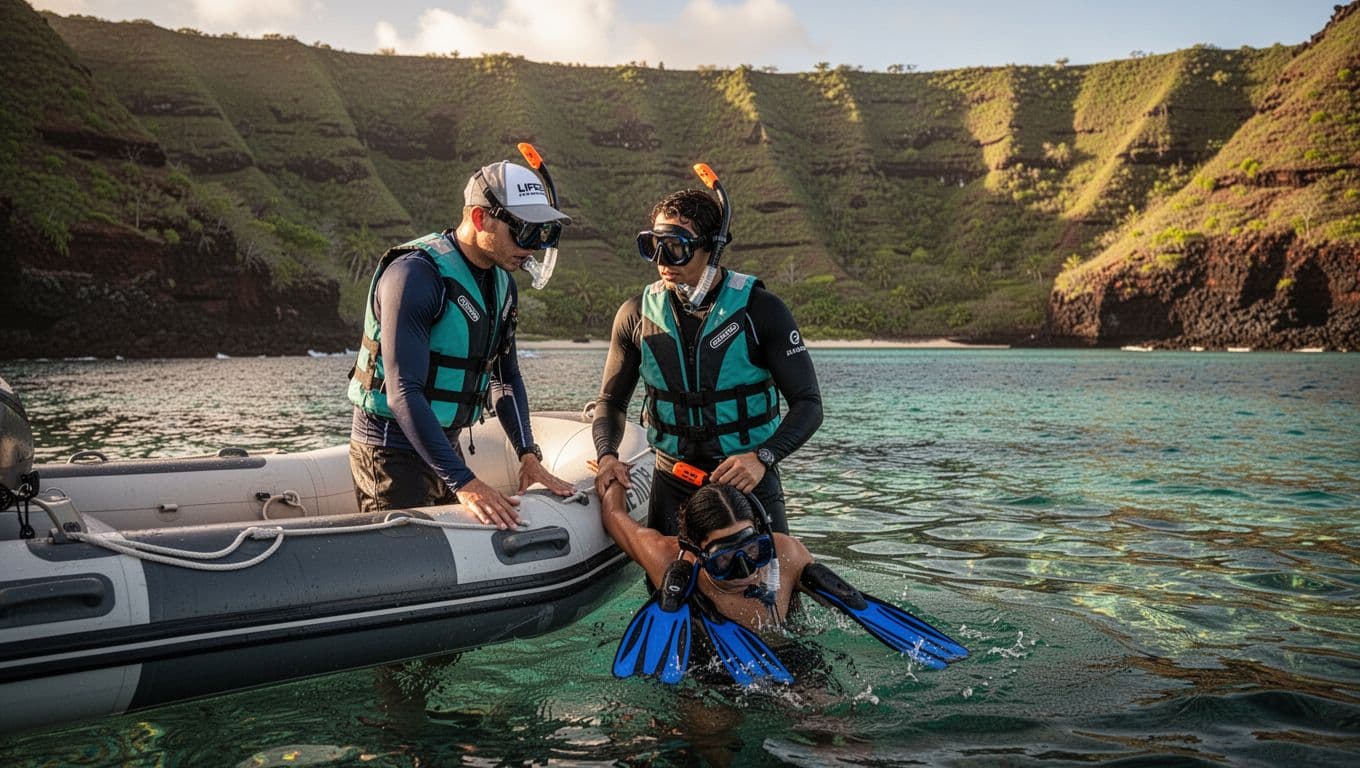
A strong Captain Cook snorkel cruise crew gives a real briefing before anyone enters the water. They explain the entry, the exit, the signals, and what to do if you feel tired. They also look at who is in the group. Kids, first-timers, and nervous swimmers need more guidance than strong swimmers do.
Good crews also keep their eyes on the water, not just on the horizon. They notice current changes, tired guests, and gear that needs adjustment. That attention can turn a stressful moment into a non-event.
A great crew lowers stress before you notice it.
You should feel that care in the little things. A strap gets fixed before it becomes a problem. A life vest is handed over without drama. A guide checks in on you after the first swim instead of waiting for you to ask.
If you want a closer look at the support that experienced guides bring, this Captain Cook snorkeling guide is a solid reference point. It shows how safety, gear help, and local knowledge work together on the water.
Local Knowledge Turns a Pretty Bay Into a Better Experience
Kealakekua Bay looks beautiful from the boat, but the best crews make it make sense. They help you understand where you are, what you’re seeing, and why that spot matters.
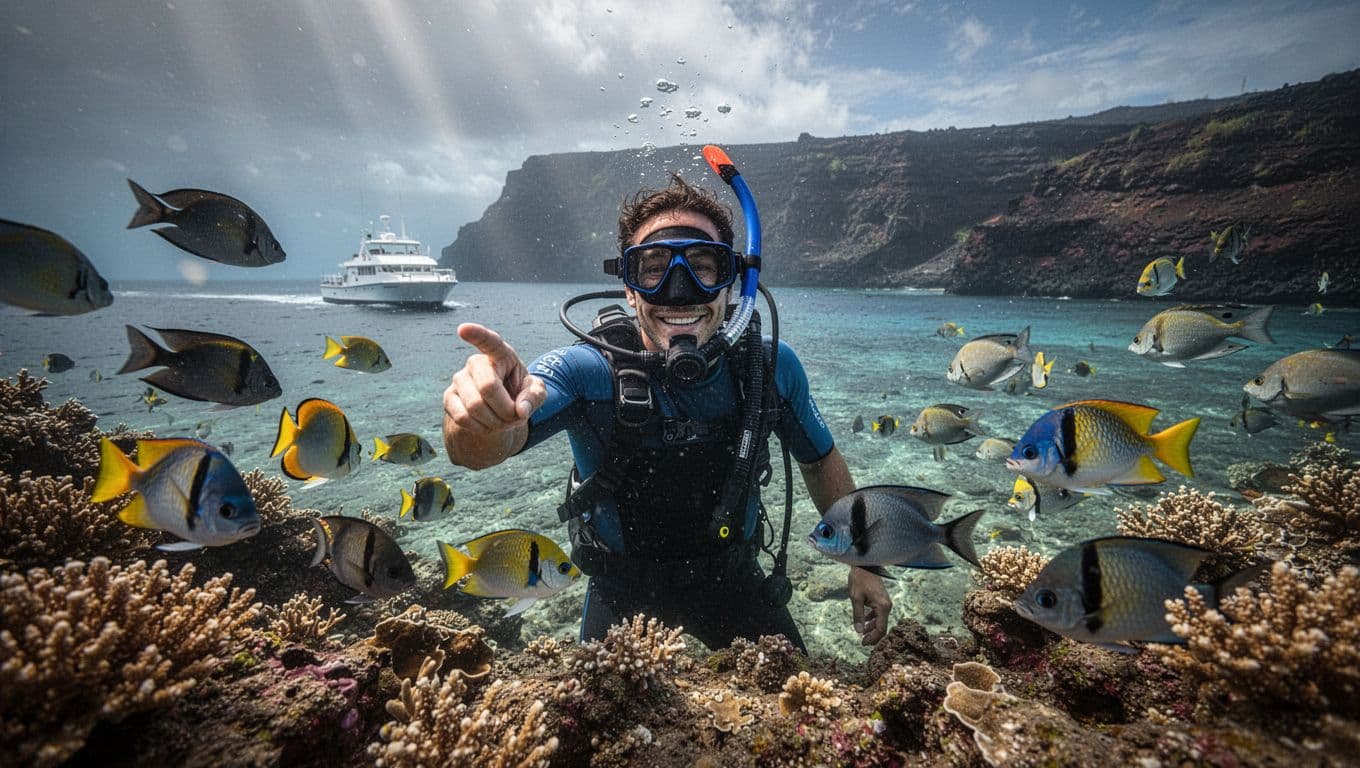
That starts with the landscape. The cliffs, the cove, and the protected water all shape the snorkeling. A crew with real local knowledge can point out where fish like to gather, where the water is calmer, and what changes with the wind or swell. That kind of guidance makes snorkeling Big Island feel less like guessing and more like learning the reef as you go.
History matters too. Kealakekua Bay is tied to the Captain Cook Monument, and the best guides share that story without turning it into a lecture. They give you enough context to care, then let the bay do the rest.
If you want a route reference, the Captain Cook snorkel tour to Kealakekua Bay page shows what a focused trip to this area looks like. That kind of destination knowledge is part of what makes a crew feel trustworthy.
You’ll also find operators that build their whole brand around that bay. Captain Cook Snorkeling Tours is one example, and it’s easy to see why people value a team that stays centered on the same stretch of coast.
In short, a great guide doesn’t just point and name fish. They help you understand the bay enough to notice more on your own.
Premium Gear and Comfort Keep You Focused on the Water
Gear fit sounds minor until your mask leaks or your fins rub. Then it becomes the whole trip.
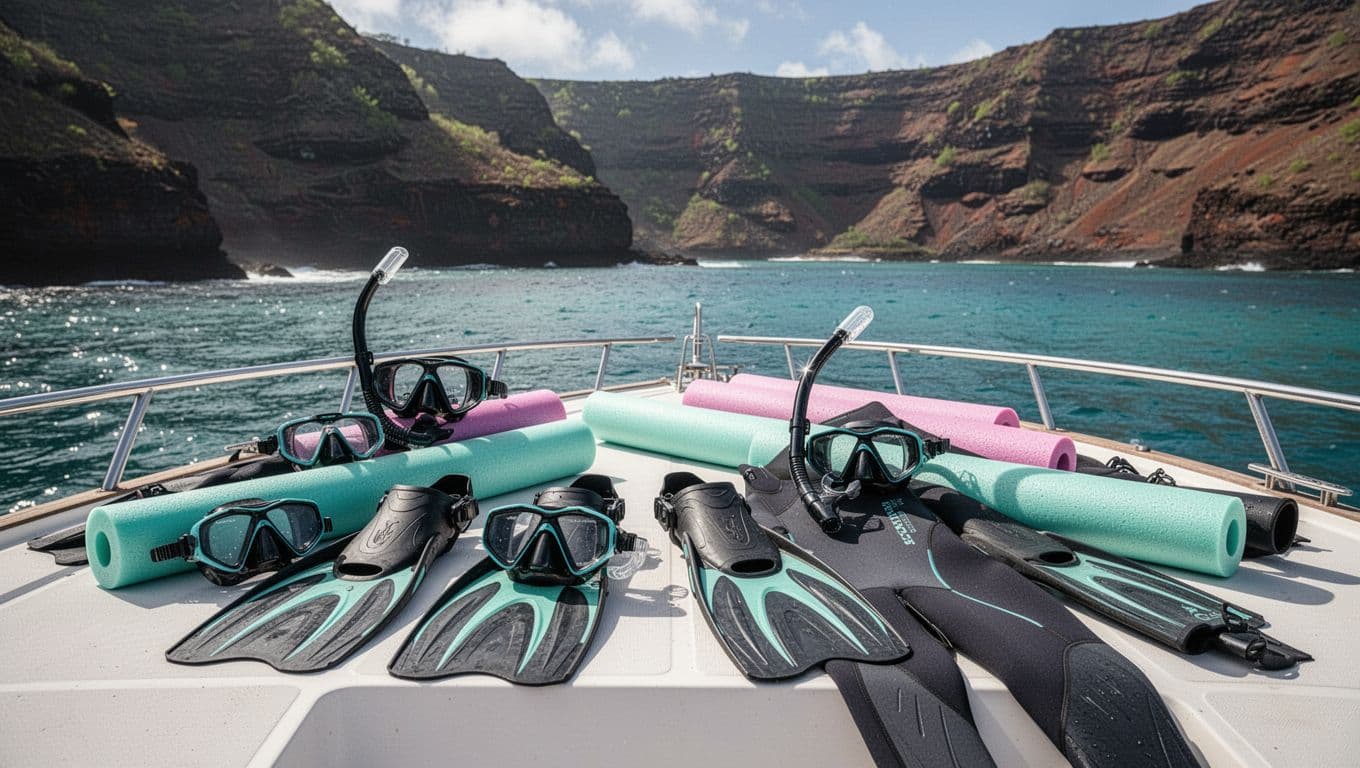
A great crew checks masks, snorkels, fins, and flotation before you get in the water. They help you adjust the fit, not after you complain, but before it ruins your swim. That small step matters a lot when you snorkel Big Island, because comfort changes how long you stay in the water and how much you enjoy it.
The boat side matters too. Fresh gear, clean storage, shaded areas, and easy access to water all make a difference. So does a crew that knows how to give instructions without crowding you. When people feel physically comfortable, they relax faster and swim better.
Kona Snorkel Trips leans into that kind of prep with small-group service, reef-safe habits, and high-quality equipment. That matters because the crew can spend more time helping people and less time solving avoidable problems.
That same attention shows up in the way the trip feels. You’re not hunting for a missing fin strap or wondering where to put your towel. You’re looking at the reef, watching your breathing, and enjoying the water.
Small Groups Help Everyone Relax
The best crews don’t treat every guest the same. They read the room, and then they adjust.
That matters on family trips, couple trips, and solo adventures. A nervous swimmer may need a slower start. A strong swimmer may want a little more space. Kids may need more reminders and more encouragement. A good crew can handle all of that without making anyone feel singled out.
You’ll often see that skill in simple actions:
- They explain the entry in plain language.
- They keep the group small enough to watch everyone.
- They give confident swimmers room without losing track of them.
- They check on kids and first-timers before problems build.
- They keep the pace steady instead of rushing the whole boat.
This is where a great crew feels almost invisible in the best way. They make the trip run smoothly, so your attention stays on the fish and the coral instead of on the logistics.
For families traveling to snorkeling Big Island Hawaii, that can be the difference between a good memory and a great one. The right crew helps younger guests feel brave. It also helps parents relax, which is rare on any outing with moving water and mixed ages.
A small-group setup is also kinder to the reef and to your nerves. Less crowding usually means less noise, better guidance, and more personal space in the water. That’s a better fit for most travelers than a packed deck and a loud schedule.
Reef Respect Shows Real Experience
Anyone can point a boat at a famous snorkel site. Not everyone treats the reef with care.
A great Captain Cook snorkel cruise crew models respect in small, visible ways. They remind you not to stand on coral. They keep you from crowding wildlife. They speak clearly about reef-safe sunscreen and responsible swimming. They also watch how the boat is handled, because the reef matters before and after you enter the water.
That respect affects the mood on board. It keeps the trip from feeling reckless. It also teaches guests how to act in the water without making the lesson feel preachy. When the crew leads well, people follow their example naturally.
Good crews also protect the bay by keeping their own habits clean. They manage trash, stay organized, and avoid careless habits that can disturb the water. They understand that a healthy reef is the whole point of the day.
You can usually feel the difference. A crew that respects the ocean speaks about it with patience. They do not rush people through the experience. They let you notice the fish, the reef shape, and the current pattern in a way that feels calm.
That kind of care is what separates a nice ride from a trip you’ll talk about later. It also makes you trust the crew sooner, which matters when the water is moving and the reef is close.
How to Spot the Right Crew Before You Book
You can learn a lot before you ever step on the boat. The right questions tell you how the crew works and how the trip will feel.
Start with the basics. Ask how many guests are on board. Ask what gear is included. Ask how the crew handles first-time snorkelers. A strong operator answers clearly and without pressure.
Then pay attention to tone. If the company sounds rushed before you even book, that usually carries over to the water. If they explain things in plain language and give you enough detail, that’s a good sign.
Use this quick check when you compare options:
- Safety information is easy to understand.
- The crew talks about fit, comfort, and current conditions.
- The trip size feels manageable, not packed.
- The team knows the Captain Cook area well.
- The company sounds focused on the guest experience, not just the sale.
If you want a Captain Cook snorkeling trip that matches those standards, Captain Cook Snorkeling Tours is worth comparing with other operators. The crew matters because the crew shapes the whole outing, not just the ride.
Conclusion
A great Captain Cook snorkel cruise crew does more than guide a boat. It keeps you safe, gives you confidence, and helps the bay make sense as you move through it.
When the team is strong, the trip feels steady from the first greeting. The gear fits. The briefing is clear. The water feels easier to read. That is what turns a simple snorkel outing into a day you remember.
If you’re planning snorkeling Big Island adventures, start by looking at the crew, not just the scenery. The right people make the reef more enjoyable, the history more vivid, and the whole experience a lot less stressful.