
Best Whale Watching Tours Kona Hawaii | Ultimate Guide
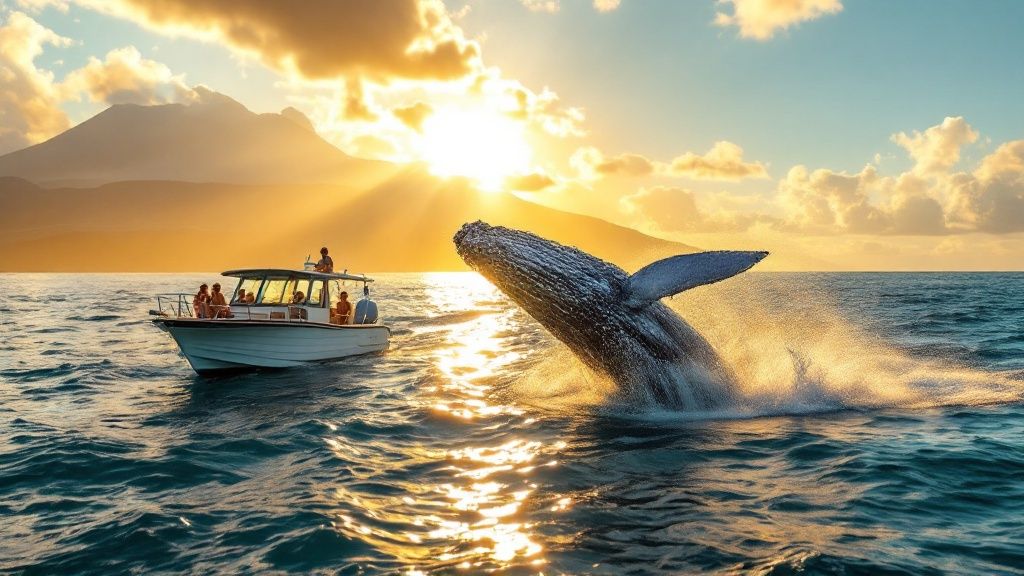
Picture this: the turquoise Pacific suddenly explodes as a 40-ton humpback whale launches itself out of the water, its massive body hanging in the air for a split second against the Kona sun. This isn't some nature documentary scene; it's what whale watching season in Kona is all about. From December through March, the waters here offer a front-row seat to one of the most incredible migrations on the planet.
Experience Hawaii's Majestic Humpback Whales in Kona
Think of this guide as your playbook for planning that bucket-list adventure. We’ll get into why Kona is such a world-class sanctuary for these animals, the absolute best times to see them, and how to pick a tour that's not only thrilling but also respectful of these gentle giants.
For a truly personal and expert-led trip out on the water, we can't recommend Kona Snorkel Trips enough. They've earned their reputation as the top-rated and most-reviewed snorkel company in Hawaii by creating unforgettable, intimate ocean encounters.
But don't just take our word for it—see what fellow ocean lovers have to say.
What Makes Kona a Whale Watching Hotspot?
Every single year, thousands of humpback whales, or koholā as they're known in Hawaiian, make an epic 3,000-mile journey from their frigid feeding grounds in Alaska. They're not just here for a vacation; they come to the warm, protected waters off the Kona coast to breed, give birth, and raise their newborn calves.
This annual migration transforms the Big Island's western shores into a bustling nursery for one of the planet's most magnificent creatures.
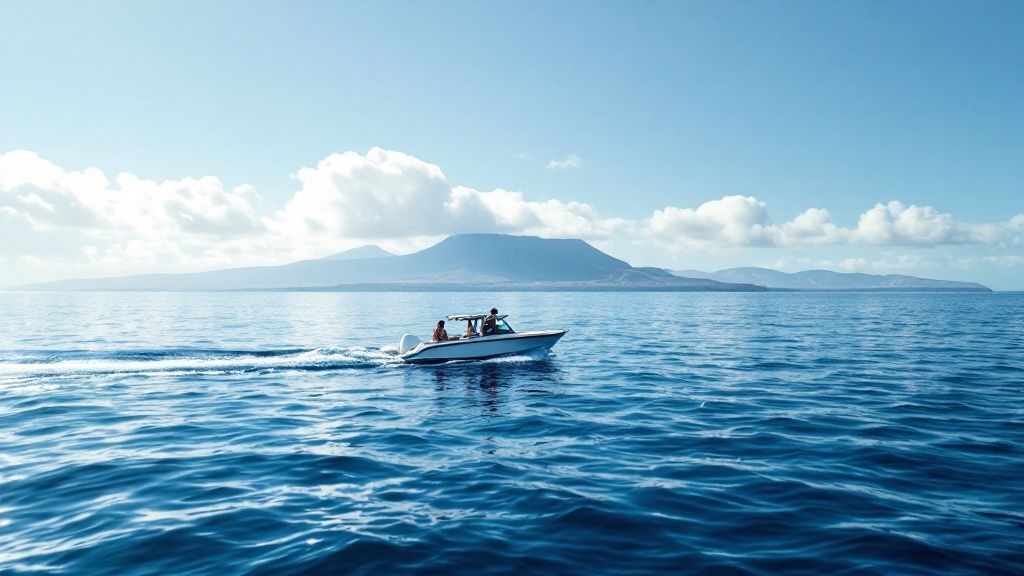
The secret is in the geography. The calm, clear, and deep waters right off the coast create the perfect environment for mothers and their young. The island itself acts as a natural shield against harsh winds and currents, creating a safe, calm haven. It's this unique combination of factors that makes whale watching tours in Kona, Hawaii, some of the most reliable and awe-inspiring in the world.
When you join a tour here, you aren't just looking for whales. You're stepping right into a critical chapter of their lives, witnessing behaviors you’d be hard-pressed to see anywhere else.
Why Is Kona a Global Hotspot for Whale Watching?
So, what is it that turns Kona from a stunning coastal town into one of the world's absolute best places to see whales? The secret is a truly incredible annual migration. Every single year, thousands of humpback whales—known as koholā in Hawaiian—make a grueling 3,000-mile journey from their chilly feeding grounds up in Alaska down to the warm, sheltered waters off our coast.
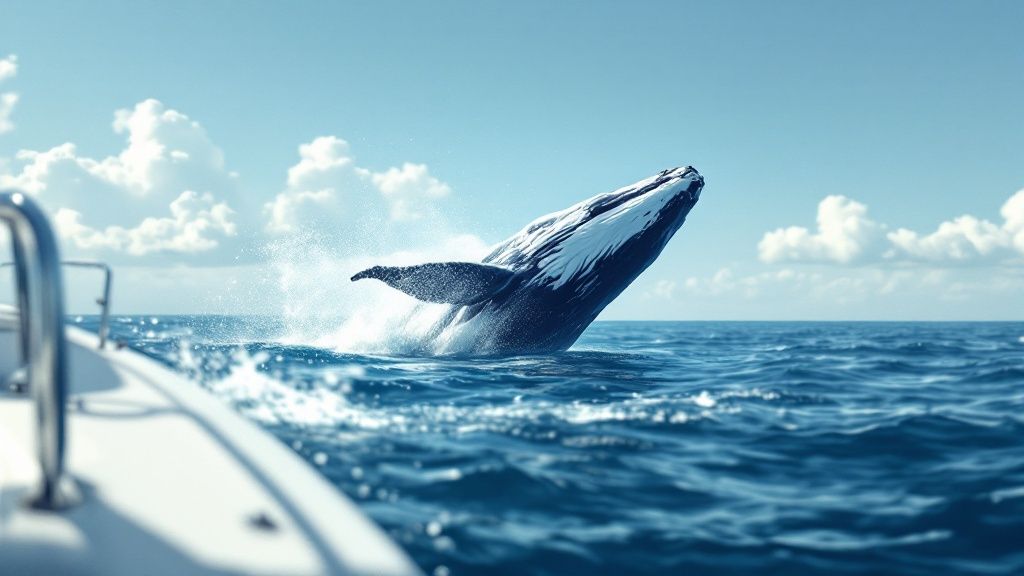
This epic trek isn't just a tropical vacation for them; it's a critical part of their life cycle. The Kona coast becomes a massive, natural nursery where these gentle giants come to breed, give birth, and care for their newborn calves in a safe, peaceful environment.
A Perfect Marine Nursery
The Big Island’s unique underwater geography is what makes it the perfect sanctuary. We have deep waters very close to shore, and the sheer mass of the island acts as a natural shield against harsh ocean currents and winds. This creates calm, protected conditions that are ideal for vulnerable calves just learning to swim and breathe.
Knowing about this annual cycle completely changes your perspective. A tour goes from being just a boat ride to a deep appreciation for one of nature's most spectacular events. You're connecting with the rhythm of the ocean and the incredible journey these animals make.
This year's whale season got off to a fantastic start, with early sightings kicking off months of amazing opportunities to see them along the Kona and Kohala Coasts. Humpbacks travel thousands of miles to be here, creating one of the richest wildlife experiences you can find anywhere on the planet.
The Rhythm of the Season
This migration is a powerful, predictable force of nature. From December through March, the waters here are just teeming with activity. You'll see whales engaged in all sorts of complex behaviors—from male humpbacks competing for mates in breathtaking "heat runs" to mothers patiently teaching their calves essential survival skills.
When you join one of the whale watching tours Kona Hawaii has to offer, you get a front-row seat to this incredible drama. You’re not just spotting whales in the distance; you're witnessing an ancient, vital ritual unfold right before your eyes. You can dive deeper into this amazing journey in our complete guide to Big Island whale watching. It’s an experience that connects you to the marine world in a way you'll never forget.
How to Time Your Tour for the Best Sightings
Timing is everything. When it comes to whale watching, getting it right can transform a good trip into an absolutely unforgettable one. It’s the difference between crossing your fingers and hoping to see a whale, versus strategically putting yourself in the best possible seat for an incredible show.
Nailing the perfect time isn't just about picking the right month to visit; it’s also about choosing the best time of day to head out on the water. Understanding these key factors gives you the power to plan your adventure for the highest odds of success.
Finding the Peak Action
Your two most powerful tools for planning are location and time of day. While you can see whales all along the Kona coast, some spots are just statistically better than others. It's a simple fact.
Data gathered by volunteers over two decades points to one area in particular: the Kohala Coast, just a bit north of Kona. This region is a proven hotspot, consistently logging two to three times more humpback sightings than other coastal areas. This is especially true during the peak months of January and February.
The best piece of advice we can give is to book your whale watching tour in Kona for the morning. It’s not just that the light is better for photos—the ocean is typically much, much calmer. That glassy surface makes it so much easier to spot a whale’s spout from a distance, which is often the first sign they're nearby.
The Magic of Morning Tours
We’ve seen it time and time again—early morning tours, especially those heading out around 8:00 a.m., consistently deliver more sightings. Sometimes up to 50% more than trips later in the day. That calm sea state is a massive advantage, as less chop on the surface means your line of sight across the water is crystal clear.
So, when you're mapping out your trip, lock in these key elements:
- Peak Months: Aim for January and February. This is when we see the absolute highest concentration of whales.
- Best Time of Day: Get on an early morning tour. The calm seas and active wildlife make all the difference.
- Prime Location: Stick to the waters off the Kohala and Kona coasts, where sightings are statistically the highest.
By stacking these three factors in your favor, you’re not just leaving your experience up to chance. You're actively planning for an awe-inspiring encounter with these majestic creatures. For a deeper dive into their migration patterns, check out our guide to the whale season on the Big Island.
Choosing the Right Whale Watching Tour for You
Let's be honest, not all whale watching tours Kona Hawaii offers are the same. The kind of boat you’re on will completely define your experience out on the water. It can be the difference between a simple sightseeing trip and a genuinely intimate encounter with these gentle giants. The key is matching the boat to the adventure you're dreaming of.
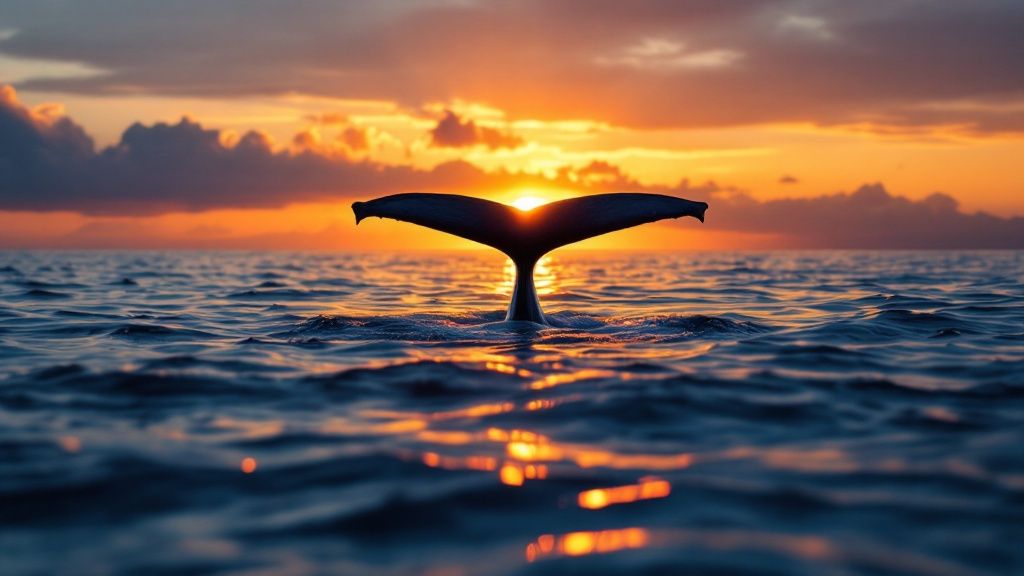
Many folks are automatically drawn to the big catamarans that can pack in dozens of people. They're comfortable, sure, but they can also feel crowded. Nothing takes you out of the moment faster than trying to peer over someone else's shoulder just to get a glimpse of a whale tail.
That's where a smaller, more nimble boat changes the game entirely. It’s the philosophy we live by here at Kona Snorkel Trips, and it makes all the difference.
The Small Boat Advantage
Choosing a smaller boat is like getting front-row seats instead of sitting in the nosebleeds. The entire experience just feels more personal, more connected to the ocean and its incredible inhabitants.
- Up-Close and Personal: With just a handful of other passengers, you've got a clear, unobstructed view. No jostling for position when a whale breaches or a calf playfully slaps its tail.
- Quick and Nimble: Smaller boats are faster and can respond more quickly when whales are spotted. We can carefully get into the best position for viewing while always staying a safe and respectful distance away.
- A Personal Touch: Our guides aren't just shouting over a loudspeaker. They can talk with you one-on-one, answer your questions, and share deeper stories and insights about the whales' behavior.
Here's something you just don't get on the big boats: the chance to use a hydrophone. We can lower this underwater microphone into the ocean, and you get to listen in on the haunting, beautiful, and incredibly complex songs of the male humpback whales. It's an experience that will give you chills, in the best way possible.
The goal is to find a tour that fits what you're looking for. If you're after a personal, educational, and deeply moving experience with some of the planet's most magnificent creatures, then a small-group whale watching tour in Kona is absolutely the way to go.
So, What’s a Whale Tour Actually Like?
The moment you step onto the boat, the adventure is on. Our crew will get you settled in, run through a quick safety chat, and start sharing some really cool facts about the humpbacks we're heading out to find. As we cruise along the stunning Kona coast, keep your eyes peeled—it’s not uncommon for a pod of playful spinner dolphins to show up and ride our bow wave.
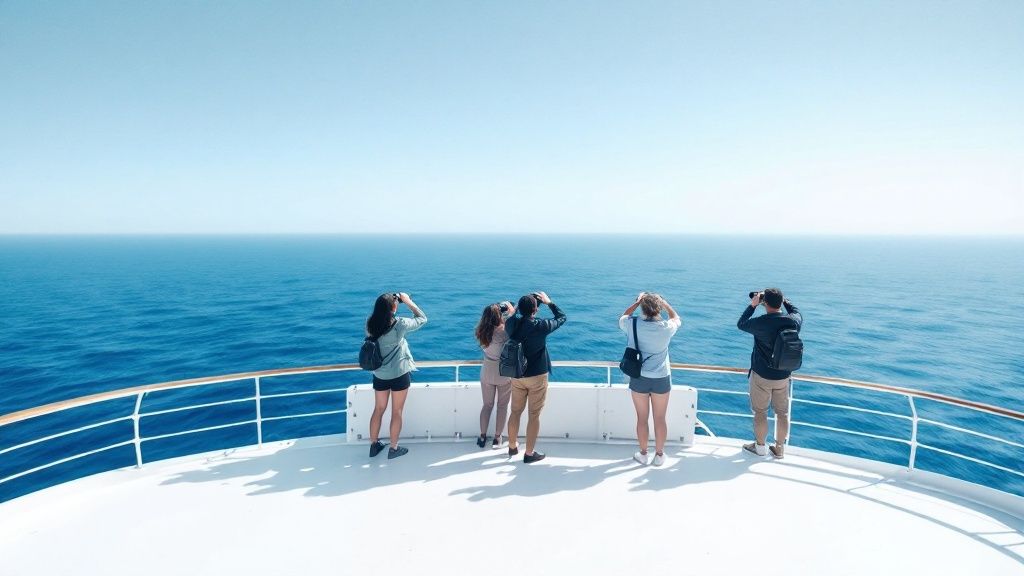
Then, the search begins. That first sign of a whale is often a spout, a misty plume shooting up to 15 feet in the air as it breathes out. That's the moment everyone grabs their camera. Every single tour is different because these are wild animals on their own schedule, but that feeling of anticipation is what makes it so magical.
The Epic Whale Behaviors You Might Witness
Once we've found the whales, the real show starts. It’s like watching a nature documentary come to life right in front of you, and our guides are there to explain all the incredible behaviors you're seeing.
You might get to see some of these incredible moments:
- The Breach: This is what everyone hopes for—a 40-ton whale launching its entire body out of the water. It’s a jaw-dropping display of pure, raw power that you feel as much as you see.
- Tail Slap: You'll hear this one before you see it. A whale will smack its massive tail, or fluke, against the water with a sound that cracks like a gunshot across the ocean. It’s one of the ways they talk to each other.
- Spy-Hopping: Sometimes, a curious whale will pop its head straight up out of the water to take a look around. It feels like they're checking you out just as much as you're checking them out!
- A Mom and Her Calf: There's nothing more touching than seeing a mother gently guiding her new baby through the water. It’s a truly heartwarming sight that showcases the tender side of these gentle giants.
Just a heads up to make your day perfect: bring a pair of polarized sunglasses to cut the glare off the water, a light jacket for the ocean breeze, and definitely don't forget your camera. You’ll want it ready
Observing these incredible animals in their natural nursery is a privilege, and with it comes a serious responsibility to keep them safe. At the heart of any real whale watching tour in Kona, Hawaii, are the principles of ethical and sustainable tourism. It all boils down to making sure our visit doesn't disturb the critical, once-in-a-lifetime moments happening just beneath the waves.
This isn't just about being nice, either—it's the law. Federal regulations are firmly in place to protect these animals, requiring all boats to keep a minimum distance of 100 yards. This rule is absolutely crucial for preventing stress on mothers and their newborn calves, giving them the space they need to rest, nurse, and bond without feeling threatened.
Becoming a Steward of the Sea
Honestly, the single most important decision you can make is choosing a tour operator who strictly follows these guidelines. When you book with a company like Kona Snorkel Trips, you're not just buying a ticket; you're actively supporting conservation efforts on the water.
Your choice of a tour becomes so much more than a vacation activity. It's a vote for the preservation of our marine life. By putting ethical practices first, you help ensure that your kids and grandkids can experience that same jaw-dropping wonder of seeing a humpback whale breach against the Kona skyline.
Being a 'steward of the sea' makes your own experience so much richer, too. There's a deeper, more meaningful connection you feel when you know your adventure respects these gentle giants. It transforms the trip from just watching animals into a powerful, positive interaction with the wild.
Got Questions About Kona Whale Watching?
So, you're getting ready to book one of the best whale watching tours Kona Hawaii has to offer, but you've still got a few things on your mind. We get it! Here are some quick, straight-up answers to the questions we hear the most. Think of it as a final checklist before your big day on the water.
What Is the Absolute Best Month for Whale Watching in Kona?
While you can't go wrong anytime from December through March, if you're looking for the absolute peak of the action, February is the magic month. This is when we see the highest concentration of humpbacks in Kona's waters. It's your best shot at seeing everything from competitive pods to those heartwarming mother and calf pairs.
Are Whale Sightings Guaranteed on a Tour?
Since we're dealing with wild animals in their own backyard, we can never make a 100% guarantee. That said, Kona is one of the most reliable whale watching destinations on the planet, and our experienced captains know these waters like the back of their hands, giving us an incredibly high success rate. Honestly, the thrill is in the chase!
The real magic of a tour is embracing the unknown. Each trip is a unique adventure, and the anticipation of spotting that first spout is part of what makes the experience so memorable.
What Should I Wear for a Whale Watching Tour?
Layers are your best friend out on the ocean. We always suggest wearing a swimsuit under some comfortable clothes. It's also a good idea to bring a light jacket or windbreaker, as the breeze can make it feel a bit cooler on the water, even on a sunny day.
Don't forget these essentials:
- A hat to keep the sun off your face
- Reef-safe sunscreen
- Polarized sunglasses (these are a game-changer for cutting glare and seeing beneath the water's surface!)
How Close Can the Boats Get to the Whales?
Federal law is very clear on this: all boats must stay at least 100 yards away from humpback whales. This is crucial for their safety and to make sure we're not disturbing them. But here’s the cool part—often, the whales don't get the memo! It's not uncommon for a curious whale to decide to come closer and check us out, which makes for a truly unforgettable and respectful encounter.