
Whale Watching Hawaii Big Island: Your Ultimate Guide to Kona & Beyond
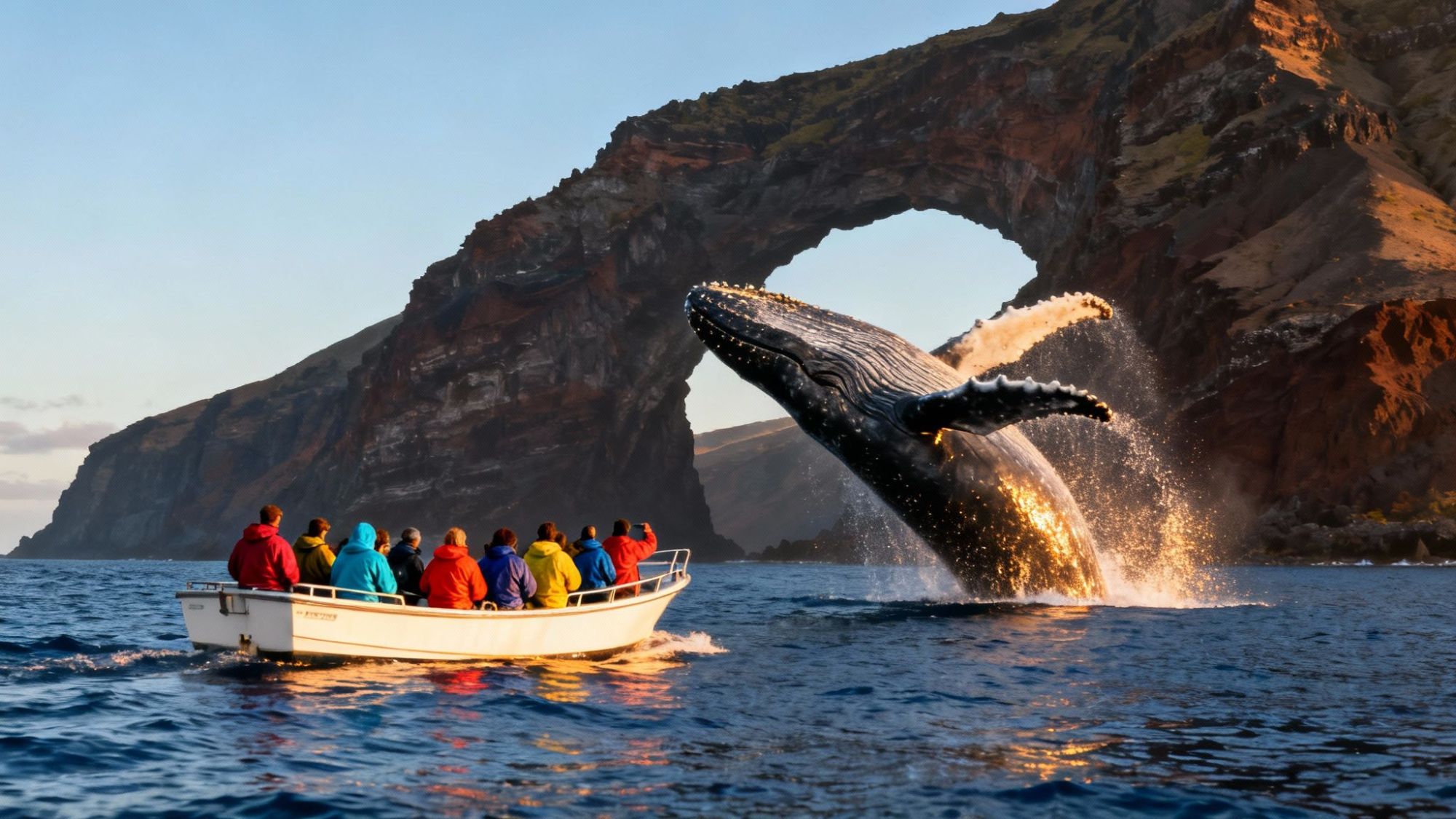
Picture this: a 40-ton humpback whale explodes out of the water, its massive body silhouetted against the dramatic volcanic coastline of the Big Island. It’s not a scene from a documentary; it’s a real, raw, and powerful moment that happens here every winter, making whale watching in Hawaii's Big Island a truly world-class experience.
Every year, these incredible gentle giants make a pilgrimage of thousands of miles, seeking out the warm, protected Hawaiian waters to breed, give birth, and raise their young calves.
Your Unforgettable Big Island Whale Watching Adventure
This guide is everything you need to plan a magical encounter with these ocean titans. We’ll break down the absolute best time of year to see them and pinpoint the top spots for sightings, whether from shore or on the water.
We'll also introduce you to the best in the business, like Kona Snorkel Trips, the top rated & most reviewed snorkel company in Hawaii. They’ll make sure your whale watching adventure is not only breathtaking but also respectful and responsible.
But don't just take our word for it. See what fellow ocean lovers are saying about their experiences.
The Epic Journey of the Humpback Whales
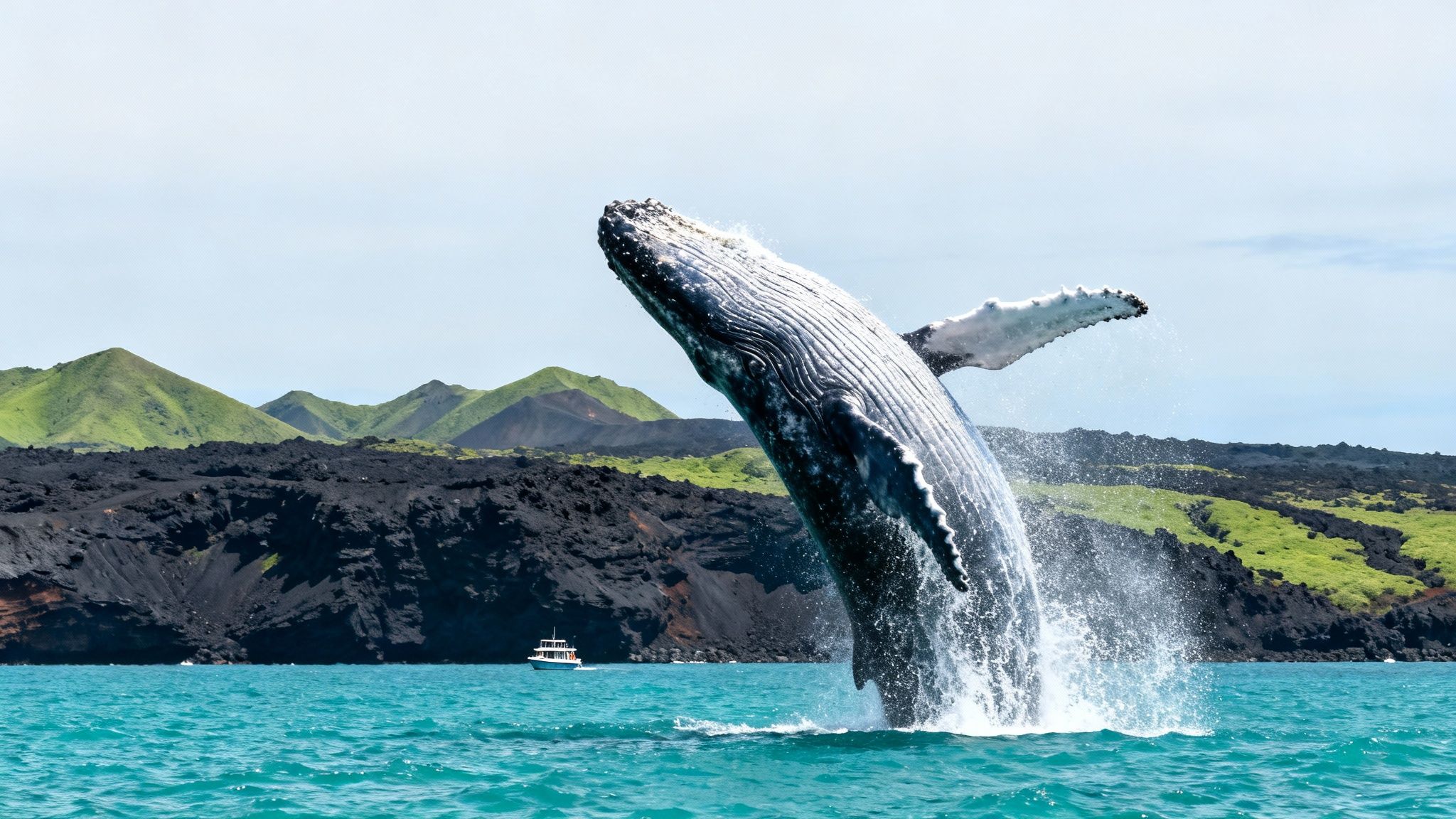
The story of your whale watch tour doesn't start in Hawaii. It begins thousands of miles away, in the cold, nutrient-rich feeding grounds of Alaska. Each year, thousands of North Pacific humpback whales undertake an incredible 3,000-mile migration down to the Hawaiian archipelago. It’s one of the longest treks of any mammal on Earth, driven by the ancient instincts of birth and renewal.
Remarkably, they travel for months without eating, surviving entirely on the fat reserves they meticulously built up over the summer. Their destination? The warm, shallow, and sheltered waters around the islands, which offer the perfect sanctuary for the most critical moments of their lives.
The Hawaiian Islands are the humpback whale’s nursery. The warm water is essential for newborn calves, who are born without the thick layer of blubber needed to survive colder seas. It’s also a safe haven from predators like orcas.
This annual pilgrimage transforms the waters off the Kona and Kohala coasts into a living stage for nature’s most spectacular show. Out on the water, you're not just watching—you're witnessing:
- Mating Rituals: Males put on jaw-dropping displays of power to compete for females. Think massive breaches, tail slaps, and competitive pods—it’s pure, raw energy.
- Birthing and Nurturing: You might be lucky enough to see a mother gently guiding her newborn calf to the surface for its first breath or teaching it how to breach.
- Acoustic Wonders: Below the surface, the ocean is filled with the haunting, complex songs of the male humpbacks—a key part of their social and mating rituals that can travel for miles.
Knowing this backstory changes everything. Your trip becomes more than just sightseeing; it's a front-row seat to the profound life cycle of these magnificent animals.
Finding the Perfect Time for Your Whale Encounter
When it comes to planning the perfect whale watching Hawaii Big Island adventure, timing is everything. Seriously. The whole experience hangs on the incredible annual migration of humpback whales, a journey that turns our quiet ocean into a massive, dynamic theater. If you want to see the most spectacular action, you need to get on their schedule.
Every single year, the North Pacific humpback population—that's about 26,000 whales—makes an unbelievable 6,000-mile round trip. They leave their chilly feeding grounds up in Alaska and head for the warm, protected waters here in Hawaii to breed and give birth.
This epic migration brings a huge wave of whale activity to the Big Island, kicking off in late November and lasting through early April. This is your window for a truly unforgettable encounter.
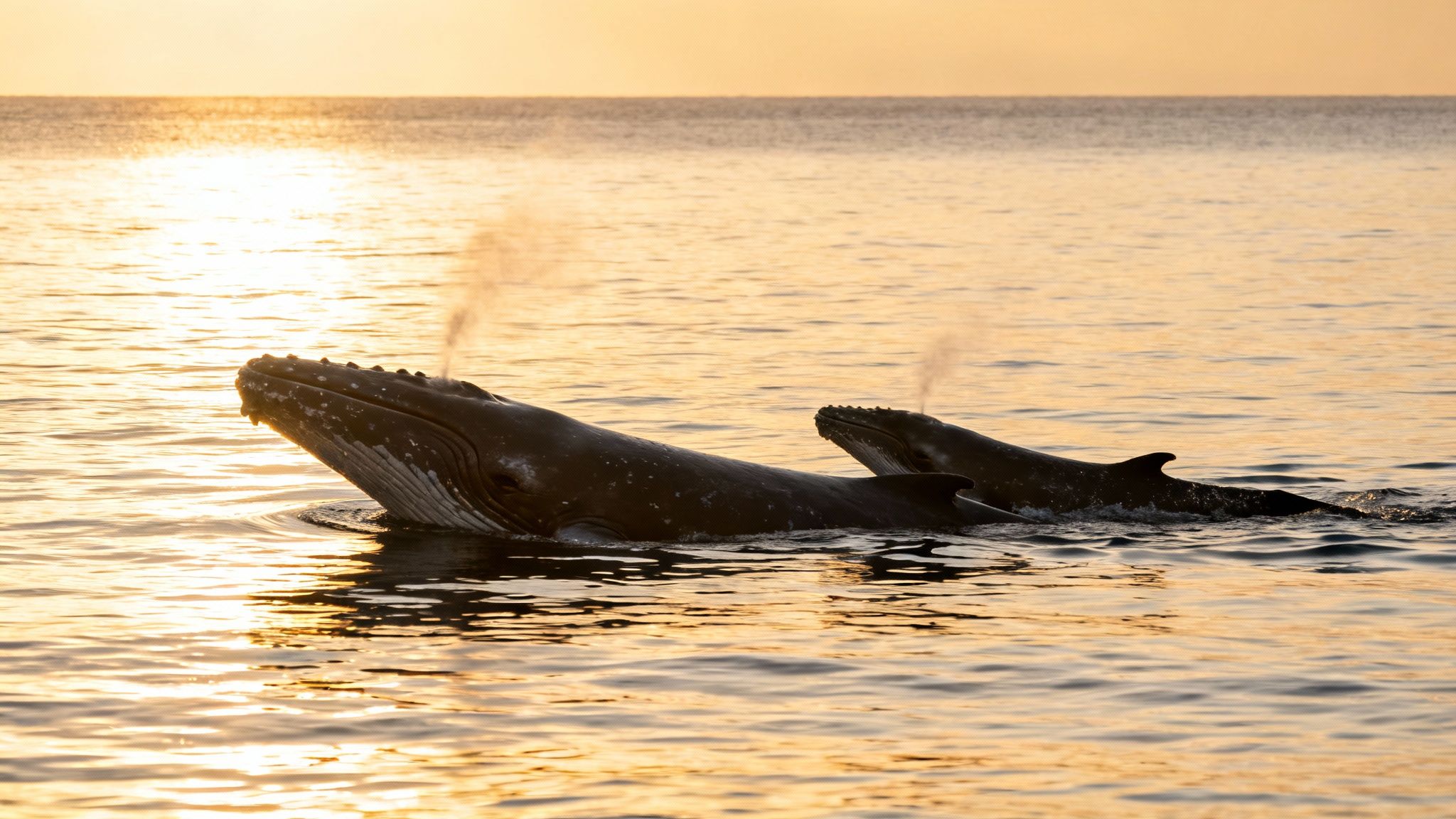
To help you visualize the season, here’s a quick month-by-month breakdown:
Big Island Whale Watching Season at a Glance
| Month | Whale Activity Level | What to Expect |
|---|---|---|
| November | Low | The first few males start to arrive. Sightings are possible but not guaranteed. |
| December | Moderate | More whales arrive, including females. Activity is picking up. |
| January | High | The season is in full swing! Lots of whales, including the first calves. |
| February | Peak | The absolute best month. The highest concentration of whales and the most action. |
| March | High | Still peak season, with plenty of mothers and calves preparing for the journey north. |
| April | Moderate | The last of the mothers and calves begin their migration back to Alaska. |
| May-October | Very Low / None | The whales are feeding up north. You might get lucky with other marine life! |
As you can see, there's a definite sweet spot for catching the best show on the water.
Peak Season for Maximum Action
For the most jaw-dropping sightings, you’ll want to book your trip between January and March. This is when the highest number of humpbacks are cruising the waters off the Kona and Kohala coasts. The ocean is just electric with activity.
During these peak months, you're not just likely to see whales; you're likely to witness their most impressive behaviors.
- Mothers and Calves: There’s nothing quite like watching a mother gently guide her newborn calf, teaching it how to breach and slap its tail.
- Male Competition: The raw power is incredible. You can see massive male humpbacks in "competitive pods," vying for a female's attention with breathtaking breaches and powerful displays.
This is basically the humpback's social season, and we get a front-row seat to the most energetic and vital parts of their lives.
Morning Calm vs. Afternoon Activity
Once you've picked the right month, the next choice is what time of day to go. Both morning and afternoon trips have their perks, and honestly, the best one often just comes down to your personal style.
Morning tours usually mean calmer, glassier seas. The lack of wind and waves makes it way easier to spot that tell-tale "spout" from a distance, and the smooth water is perfect for photos.
Afternoon tours, on the other hand, can sometimes mean more active whales. Some guides believe the whales get a bit more social and energetic as the day wears on. Plus, that golden late-afternoon light creates a truly magical atmosphere for pictures.
For a deeper dive, you can learn more about what to expect during the Big Island whale watching season in our complete guide.
Ultimately, whether you pick the tranquil morning or the potentially more dynamic afternoon, timing your trip during peak season gives you the absolute best shot at having a mind-blowing encounter with these gentle giants.
Where to Spot Whales on the Big Island
When it comes to whale watching Hawaii Big Island style, knowing where to look is everything. The island's unique geography creates natural hotspots where humpbacks gather, and if you're in the right place at the right time, the show is spectacular. The hands-down epicenter of all this action is the west side, especially along the Kona and Kohala coasts.
So, what makes this stretch of coastline so special? You can thank the island's colossal volcanoes. They act as a massive shield, blocking the powerful trade winds and creating wonderfully calm, protected waters. For a mother whale looking for a safe place to give birth and raise her newborn calf, it's the perfect nursery. This is exactly why the west coast is the premier destination for whale watching, whether you're on a boat or just scanning the horizon from shore.

Prime Locations for Shore-Based Viewing
You don't always need a boat to witness the magic. Honestly, with a decent pair of binoculars and a bit of patience, you can catch the sight of spouts, breaches, and tail slaps right from the coastline. The key is finding an elevated spot that gives you a wide-open, panoramic view of the ocean.
Here are a few of the best spots for land-based whale watching that we recommend:
- Puʻukoholā Heiau National Historic Site: The name itself literally means "hill of the whale," and it definitely lives up to the hype. The high ground here offers sweeping, totally unobstructed views over the very waters the whales love to travel through.
- Kapaʻa Beach Park: This park is a fantastic option because it combines great views with convenient amenities. You can comfortably scan the horizon for whale activity from a shaded picnic table, making it a perfect spot for a lazy afternoon of whale spotting.
- Scenic Overlooks: As you drive along the Queen Kaʻahumanu Highway, keep your eyes peeled for the designated scenic pull-offs. Many of these offer the elevation you need to spot whales from a distance.
These locations are a wonderful, accessible way to get in on the action during whale season, especially during the peak months from January to March. And there are a lot of whales to see—in a recent count, volunteers for the Hawaiian Islands Humpback Whale National Marine Sanctuary tallied an incredible 493 whale sightings around the Big Island, one of the highest counts in the state.
Why a Boat Tour Offers an Unmatched Experience
Spotting a whale from shore is a genuine thrill, but getting out on the water changes the game completely. A boat tour gives you a front-row seat that you simply can't get from land.
Being on the water lets you grasp the true, immense scale of these animals. It’s the difference between seeing a concert from the nosebleed seats versus being right up against the stage—you feel the energy, you hear every sound, and you see all the incredible details up close.
Going with a professional boat tour is key to having a truly immersive encounter. The captains live and breathe these waters. They know the local whale behavior patterns and can navigate to the areas with the most activity, which seriously increases your chances of seeing spectacular behaviors like breaches, spy-hops, and those powerful tail slaps.
More than that, a tour connects you to the ocean environment in a much more intimate way. You're not just an observer watching from a distance; you're sharing their world for a few hours. To get a better feel for what makes this area so special for whale watching, take a look at our guide on whale watching in Kona, Hawaii. At the end of the day, a boat tour transforms whale watching from a passive viewing into an active, unforgettable adventure.
How to Choose the Right Whale Watching Tour
Picking the perfect tour for your whale watching Hawaii Big Island adventure is a big decision. It can honestly be the difference between a pretty good trip and a truly unforgettable one. With so many options out there, knowing what to look for will help you find the experience that’s just right for you and your crew.
Your first major choice comes down to the boat itself. Each type of vessel offers a completely different way to see the ocean and its incredible inhabitants.
Comparing Vessel Types
The kind of boat you’re on directly shapes how comfortable and up-close your whale encounter will be. Let's break down the main players.
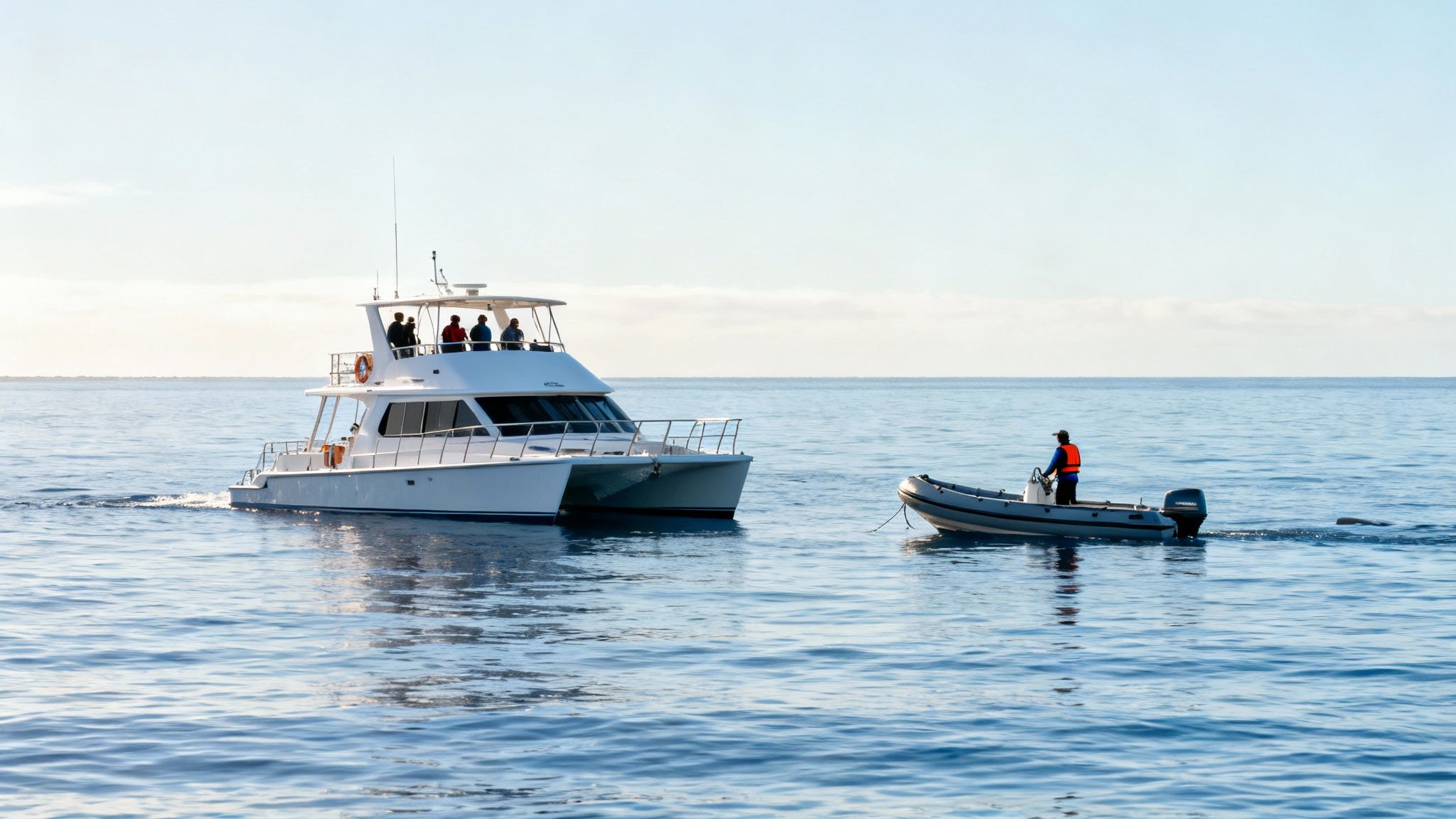
- Large Catamarans: Think of these as the stable, spacious workhorses of the whale watching fleet. They give you plenty of room to walk around, are super stable (a huge plus for families with kids or anyone prone to seasickness), and usually have perks like bathrooms and shaded areas.
- Smaller Zodiacs (Rigid-Hulled Inflatables): If you're craving a real adventure, a zodiac is your ticket. These boats are smaller, faster, and sit right down at water level. That low perspective makes you feel incredibly close to the action. It's a thrilling ride, for sure, but it can be bumpier and you're more exposed to the sun and spray.
It all boils down to personal preference. Do you want the comfort and stability of a floating observation deck, or the intimate, eye-level thrill of a smaller craft?
Ultimately, the best boat depends on what your group needs and whether you’re prioritizing adventure or comfort.
Qualities of a Top-Tier Tour Operator
Beyond the boat, the crew and the company running the show are what really make the experience special. A great tour operator doesn't just point out whales; they deepen your understanding and make sure every encounter is safe and respectful for everyone involved—whales included.
Here’s what to look for in a top-notch company:
- Experienced Naturalist Guides: A knowledgeable guide is a game-changer. They can tell you what that tail slap means or why a whale is spy-hopping, adding a rich layer of context to what you're witnessing. It turns a sighting into a story.
- Commitment to Safety: The best companies have a spotless safety record. Their captains are certified pros who know these waters like the back of their hand and can handle any situation that comes up.
- Ethical Viewing Practices: This is a big one. Responsible operators strictly follow the federal law that requires staying 100 yards away from humpback whales. Respecting the animals' space isn't just a suggestion; it's a clear sign of a professional, conservation-focused company.
Before you book, it's always a good idea to ask about the tour length, how many people will be on board, and if they have hydrophones so you can listen to the whale songs. Companies like ours at Kona Snorkel Trips get great reviews because our team is passionate about providing expert guidance and ethical wildlife encounters.
For a deeper dive, check out our complete guide to the best whale watching tours on the Hawaii Big Island. A little research upfront guarantees a phenomenal trip that honors the magnificent creatures you’ve traveled so far to see.
Preparing for Your Day on the Water
The anticipation before a whale-watching tour is half the fun, but a little bit of smart prep work is what separates a good day from an absolutely incredible one. When you're out on the water, you're a guest in their world—a front-row seat to some of the most powerful and moving displays in all of nature.
You might see a breach, where a 40-ton humpback heaves its entire body from the ocean, landing with a splash that feels like it could shake the whole island. Or maybe you'll catch a series of thunderous tail slaps that send shockwaves across the water's surface. But one of the most magical moments is when the engines go quiet, the captain drops a hydrophone into the deep blue, and you can actually hear the complex, haunting songs of male humpbacks echoing up from below.
Your Essential Onboard Checklist
To make sure you're comfortable and ready for whatever the ocean has in store, a well-packed bag is your best friend. The weather out on the water can shift in a heartbeat, and being prepared makes all the difference.
Here’s a quick and easy checklist of things you won't want to forget:
- Polarized Sunglasses: Seriously, these are a game-changer. They slice right through the blinding ocean glare, letting you spot distant spouts and surface action you’d otherwise completely miss.
- Reef-Safe Sunscreen: The sun reflecting off the water is no joke. Protect your skin and Hawaii's fragile coral reefs by using a reef-safe formula.
- A Hat and Light Jacket: A wide-brimmed hat is a must for sun protection. A light, wind-resistant jacket will be your best friend when the sea breeze kicks up and the temperature drops a few degrees.
- Camera with a Zoom Lens: You’ll definitely want to snap some photos, but don't forget to put the camera down and just be there. Some of the best memories are the ones you capture with your own eyes.
Staying Comfortable at Sea
Nothing can put a damper on an amazing day like a bout of seasickness. Even people who don't normally get motion sick can feel the effects of the ocean's gentle rocking, so it’s always smart to have a plan.
Simple things like staying hydrated, keeping your eyes on the fixed horizon line, and getting plenty of fresh air can make a huge difference. For those who know they're a bit more sensitive, there are plenty of other tricks to keep you feeling your best.
For a full rundown of tips and tricks, check out our guide on how to prevent seasickness. A little prep goes a long way in making sure your day with the ocean's gentle giants is comfortable, thrilling, and completely unforgettable.
Ethical Whale Watching and Marine Conservation
There's something truly humbling about seeing a humpback whale launch itself out of the water. When you're on a whale watching Hawaii Big Island tour, you're not just a spectator; you're a guest in their world. These incredible animals travel thousands of miles to our warm, safe waters to give birth and raise their young. That privilege comes with a responsibility to protect them.
Keeping a Respectful Distance
The single most important rule is simple, and it's not just a guideline—it's federal law. All boats have to stay at least 100 yards away from humpback whales. Think of it like a football field. That distance might seem like a lot, but it's a critical buffer zone that prevents stress on the whales.
This space is especially vital for the new moms and their calves. A mother needs peace and quiet to nurse her baby and teach it essential survival skills without having to worry about boats getting too close.
This is why choosing the right tour operator is probably the biggest decision you'll make. When you pick a company that lives and breathes these rules, you're casting a vote for conservation and the health of our local marine life.
You're Part of a Bigger Picture
Your whale watching trip does more than just create amazing memories. It can actively support the preservation of these gentle giants. The waters around the main Hawaiian Islands are a designated Hawaiian Islands Humpback Whale National Marine Sanctuary, a protected space that's absolutely crucial for their survival.
You can even become a citizen scientist during your visit! Every year, The Great Whale Count, organized by the Pacific Whale Foundation, relies on volunteers just like you to help track the humpback population from shore. In a recent count, observers tallied nearly 500 humpback whales from Big Island shores alone. It’s a powerful reminder of what a community can achieve together. You can read more about the latest whale count findings here and see the impact this work has.
By choosing a tour that respects the rules and takes the time to educate its guests, you become a partner in stewardship. Your decision helps ensure that your kids and grandkids will have the same chance to see these magnificent animals in their natural, undisturbed home.
Ultimately, ethical whale watching boils down to respect. It's about recognizing that we're stepping into their world, and our priority should always be their well-being. This mindset shifts your tour from a simple boat ride into a meaningful act of conservation.
Common Questions About Whale Watching
As you get ready to book your tour, a few common questions always pop up. Getting these details ironed out beforehand means you can show up for your trip feeling relaxed, confident, and ready for an incredible day on the water.
Are Whale Sightings Guaranteed?
This is the big one, right? While humpbacks are wild animals and nobody can ever promise a sighting with 100% certainty, your odds are fantastic during the peak season from January to March.
Experienced crews, like ours at Kona Snorkel Trips, know exactly where to look and have incredibly high success rates. Some companies even offer a "whale guarantee," meaning if you don't see any whales, you can come back out on another trip for free.
Big Island or Maui for Whale Watching?
It's the classic debate! Maui gets a lot of hype for the sheer concentration of whales in the shallow Au'au Channel, and for good reason. It's an amazing spectacle.
But the Big Island offers something truly different. Here, you're watching these giants against the raw, dramatic backdrop of volcanic coastlines and deep, cobalt-blue water. It often feels less crowded out here, giving you a chance for a more personal and intimate connection with the whales.
Can I Swim with Humpback Whales?
Absolutely not. It is strictly illegal to intentionally swim with, get in the water with, or touch humpback whales in Hawai'i. Federal law is crystal clear: all boats and people must stay at least 100 yards away.
These rules are there for a very good reason—to protect you and to protect the whales, especially new mothers and their calves, from being disturbed. The only safe and legal way to experience them up close is from the deck of a registered tour boat.
Have more questions? We've probably answered them over on our full frequently asked questions page.
Ready to witness the magic for yourself? Book your adventure with Kona Snorkel Trips and create memories that will last a lifetime.