
Can You Wear Dentures on a Kona Manta Ray Snorkel
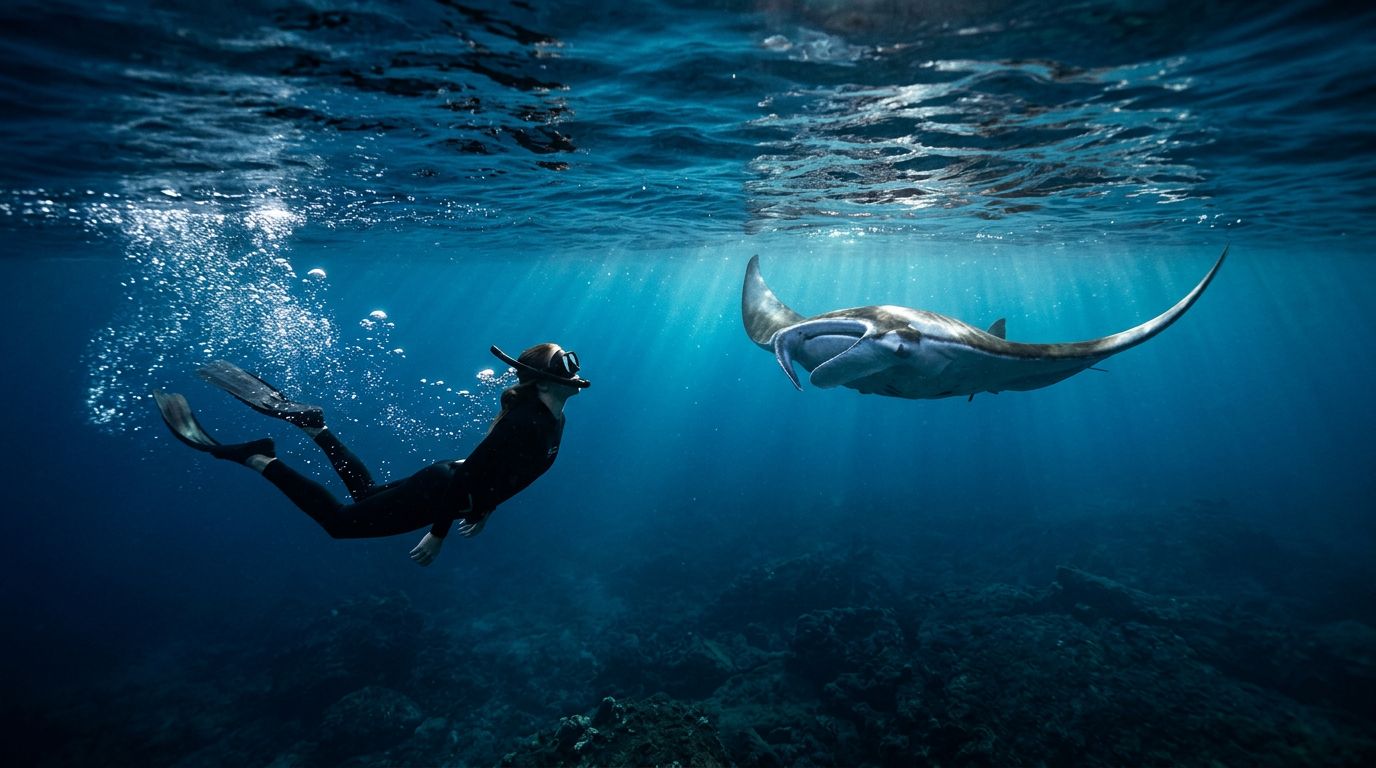
You can often wear dentures on a Kona manta ray snorkel if they fit securely and you feel calm in the water. The real question is not whether dentures belong in the ocean, it’s whether they stay steady while you float, breathe, and enjoy the show.
If you spend time comparing snorkeling Big Island Hawaii trips, this question comes up fast. You want the manta rays, but you also want to keep your smile comfortable and your mind off your teeth.
Kona Snorkel Trips makes that easier with small-group manta outings, and Manta Ray Night Snorkel is another dedicated option if you want a trip built around the rays. With a little prep, you can focus on the water instead of worrying about your mouthpiece.
The short answer before you book
Yes, you can often do snorkeling with dentures on a Kona manta ray trip, and many people do. If your dentures already feel stable while you eat and talk, they usually feel fine on a calm surface snorkel too.
When you snorkel Big Island waters on a guided manta outing, you are mostly floating, breathing, and watching. That is very different from hard swimming, duck diving, or any activity that makes your jaw work overtime.
A general guide on snorkeling with dentures makes the same basic point, the fit matters most.
Loose dentures are the real problem, not the manta rays.
If your dentures are new, sore, or already slip when you eat, have them checked before you go. The ocean will not improve a bad fit, and you don’t want the first test to happen in the dark.
Why the manta snorkel setup feels forgiving
A Kona manta snorkel is one of the calmest ocean outings you can take in Kona. You enter at the surface, hold onto a lighted board, and let the lights draw plankton and manta rays toward you.
That matters because you spend more time floating than swimming. Your face stays mostly still, and your jaw can stay relaxed. Both things help when you wear dentures.
People who spend time snorkeling Big Island often picture choppy water and strong surf. A guided manta trip is usually far more controlled. The crew sets the pace, the board gives you something stable to hold, and you can settle in before the action starts.
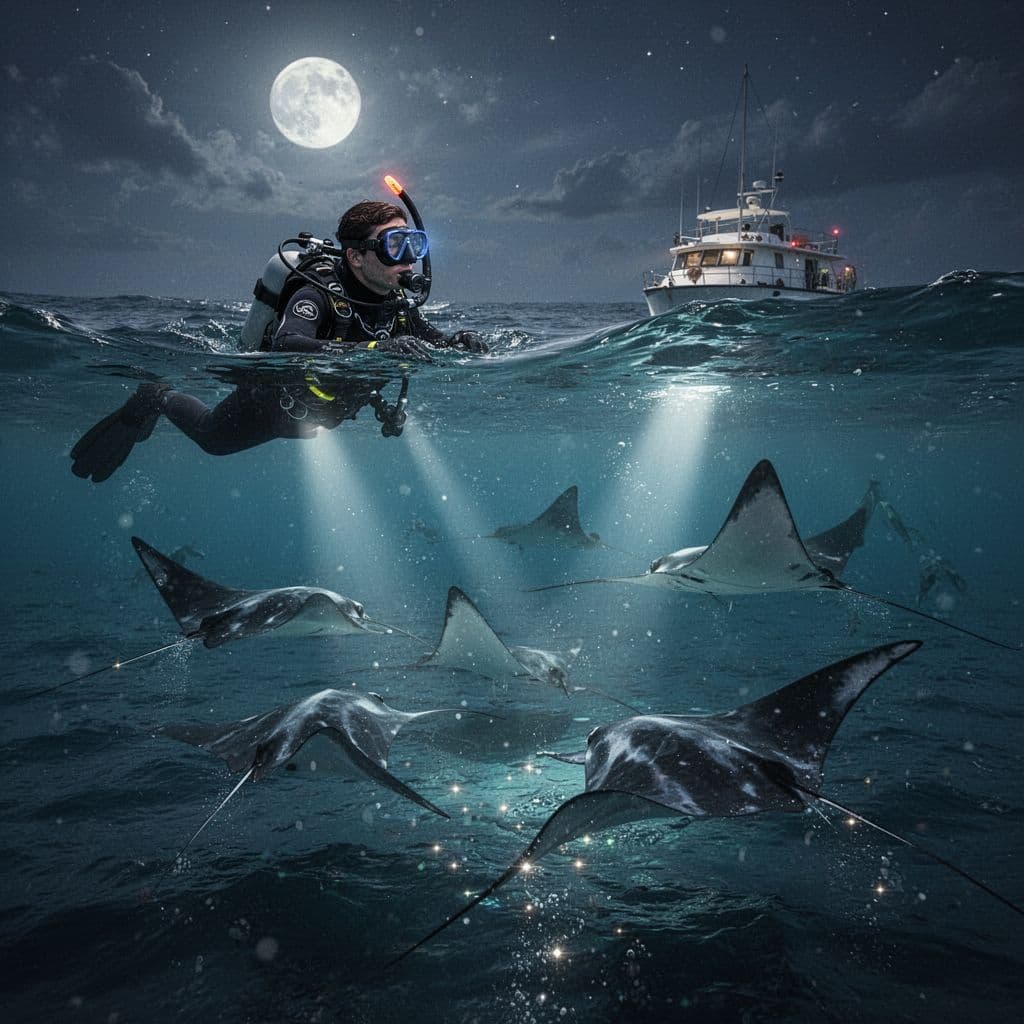
The surface float is one reason this trip works for so many first-timers. You are not rushing, and you are not trying to keep up with a fast swim. That leaves you free to focus on steady breathing and the glow below.
Which dentures usually feel secure in the water
The details matter more than the label on the denture. A snug upper plate often feels more predictable than a loose lower plate, and partials can work well if they don’t shift when you talk or bite gently.
Use the quick guide below to think through your own setup.
| Denture setup | How it usually feels on a manta snorkel | Best move |
|---|---|---|
| Full upper denture that fits well | Often steady and comfortable | Test the fit on land before you board |
| Partial denture with clips | Can work if it already feels secure | Check for movement when you speak and smile |
| Lower denture that rocks or slides | More likely to shift | Have it checked before the trip |
| Brand-new denture | Often feels unfamiliar | Wait until the fit settles |
| Denture that needs adhesive every day | Can still work if the routine is normal for you | Use only what you already trust |
If you already use adhesive, stick with your normal routine. A night snorkel is not the place to test a new paste, a new strip, or a brand-new trick you found the day before the flight.
The goal is a boring fit. If your denture feels boring on land, it usually feels boring in the water too. That is exactly what you want on a manta trip.
How to keep dentures secure in the water
Most problems start before you even touch the ocean. A simple routine on shore can keep the whole night easy.
- Test the fit at home.
Smile, talk, and gently bite while you wear your mask. If the denture shifts during that test, it will probably bother you more in the water. - Use your usual adhesive, if you already trust it.
A manta trip is not the place to experiment. Keep the routine you know works. - Pack a hard case.
A tissue or napkin in a boat bag is not enough. You want a clean, solid place to store your dentures if you remove them later. - Tell the crew early.
A good guide can slow things down, answer questions, and help you settle your gear before entry. Five extra minutes on the boat is better than twenty minutes of worry in the water. - Keep your jaw relaxed.
You do not need to clamp down on the mouthpiece. A gentle hold is usually better than a hard bite. - Reset if anything shifts.
If your denture moves, pause and get comfortable again. It is easier to stop for a moment than to spend the rest of the snorkel thinking about one loose piece.
That routine keeps the night simple. It also helps your face stay relaxed, which makes breathing feel easier and steadier.
What to pack for a denture-friendly manta trip
A small bag is enough. You don’t need a pile of gear, just the few things that make the evening smoother.
- A denture case, so you always have a clean place to store them.
- The adhesive you already use, if