
How Small Craft Advisories Affect Captain Cook Snorkeling Cruises
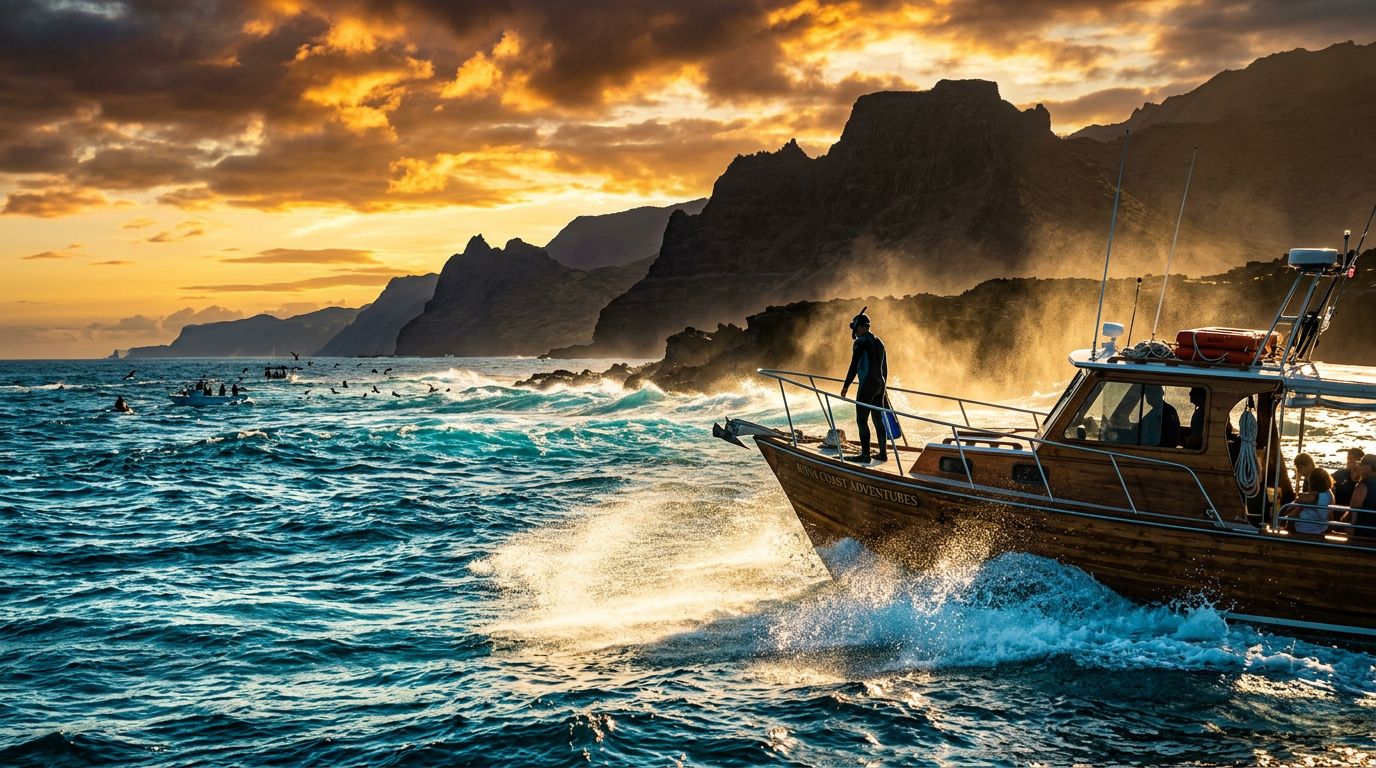
Kona Snorkel Trips often gets the first weather questions before sunrise. A small craft advisory can turn a Captain Cook snorkeling cruise from smooth and sunny to bumpy and wet, even when the shoreline looks calm. If you’re planning snorkeling Big Island Hawaii, the forecast matters as much as the reef, because the boat ride is part of the day.
You can still have a great trip when the ocean is moving more than expected. The key is knowing what the advisory means, how it changes the route, and when a good captain should rethink the plan. Here’s how those calls affect your day on the Kona coast.
What a small craft advisory means on the Kona coast
A small craft advisory is a marine weather warning from the National Weather Service. It means conditions are getting rough enough that smaller boats, and the people on them, need extra caution. Wind, swell, chop, and spray can all push a ride from comfortable to tiring fast. You can check the current Hawaiian marine forecast before you head out.
That warning does not always mean the ocean is closed. It means the margin for error is smaller, and the boat may feel the effects of weather that look mild from shore. On the Kona side, this matters because the coast can look calm in one spot and rough in another. A sheltered bay can still sit behind a choppy stretch of open water.
A small craft advisory is a cue to slow down and reassess, not a signal to ignore the water.
If you snorkel Big Island trips often, you already know the sea can change between breakfast and boarding. For families booking snorkeling Big Island vacations, that change can affect comfort before the first splash.
Why Captain Cook cruises feel it first
Captain Cook snorkeling cruises run toward Kealakekua Bay, and the route usually includes open water exposure along the Kona coast. That means the boat has to deal with wind and swell before you even reach the reef. The bay itself is beautiful, but the ride there is part of the story.
When a small craft advisory is posted, the crossing can get bouncy. You may feel the hull slap the water, see more spray, and notice passengers moving more carefully around the deck. None of that sounds dramatic on paper, but it can wear you down fast, especially if you came for a relaxed snorkel day.

The challenge gets bigger when the wind is blowing across the route instead of with it. That can stack the chop and make the trip feel longer than the miles suggest. If you’re looking at a dedicated route to the monument, the Captain Cook Monument snorkel tour gives you a sense of how central that bay is to the experience.
What changes onboard when the sea picks up
A Captain Cook cruise does not have to be canceled for the day to feel different. Often, the first change is speed. Captains may slow the boat down, adjust the seating plan, or change the order of stops so the roughest stretch happens when passengers are ready for it.
Here’s a simple way to think about the shift.
| Weather and sea state | What you may notice | Likely impact on the trip |
|---|---|---|
| Calm morning | Easy boarding, light spray, steady ride | Full snorkel time and a relaxed pace |
| Small craft advisory | More chop, more movement, occasional spray | Slower ride, extra caution, possible shorter water time |
| Strong swell and wind | Rough crossing, wet decks, tiring swim conditions | Delay, reroute, or cancellation |
The table makes one thing clear, the advisory is about risk and comfort, not a single magic number. A good crew reads the water in real time, not just the forecast.
That matters because your snorkel time should feel enjoyable, not like a test. If the boat ride is draining people before they even reach the bay, the day needs a new plan. For that reason, experienced operators treat the advisory as a useful signal, not background noise.
How guides decide whether the trip runs
Good captains look at more than a weather app. They check wind direction, swell size, harbor conditions, and what the ocean is doing right now. They also factor in the type of boat, the route, and the mix of passengers on board. A day that works for one trip may not work for another.
The National Weather Service marine forecast is a smart place to start, but it is only the starting point. Local judgment matters because the Kona coast has stretches that behave differently as wind and swell shift. A forecast that looks borderline can still turn into a rough crossing if the sea builds in the wrong direction.
A responsible crew may do one of four things. They might keep the trip on schedule, delay the departure, shorten the route, or cancel it. In some cases, a captain can shift the day to a calmer window. In other cases, the safest call is to stay in port.
If you plan to snorkel Big Island waters on a specific date, that flexibility matters more than a perfect calendar. A small craft advisory often changes the question from “Can we go?” to “Should we go the way we planned?”
What to check before you leave your hotel
You do not need to become a weather reader to make a better choice. A few quick checks can save you a long, uncomfortable morning. Before you head to the harbor, look at the forecast, ask about the route, and think about how your group handles motion.
- Wind and swell: These shape the ride more than the sky does.
- Advisory status: A posted warning means the water deserves respect.
- Departure point: Some routes are more exposed than others.
- Your own comfort level: If you get seasick easily, plan for that before boarding.
For people who are new to snorkeling Big Island trips, this is often the biggest surprise. The coral and fish might be the goal, but the boat ride can set the tone for the whole outing. Families with kids should think about naps, snacks, and motion sensitivity before they leave the condo or hotel.
If you want a broader look at what is offered around the island, the guided snorkeling tours in Kona page helps you compare the main options. That can be useful when your first-choice date runs into rough water.
How to prepare if your snorkel cruise still goes out
If the captain says the trip is running, your job is to make the ride easier on yourself. A light breakfast helps. So does a dry bag, a secure hat, and clothes that can handle spray. Keep your hands free when you board, and listen closely to the safety briefing.
The deck can feel steadier when you stand near the middle of the boat. That sounds simple, but it helps on choppy days. If you are prone to seasickness, take whatever motion plan works for you before you leave the dock, not after the ride starts. Water, shade, and a fixed horizon can also make a real difference.
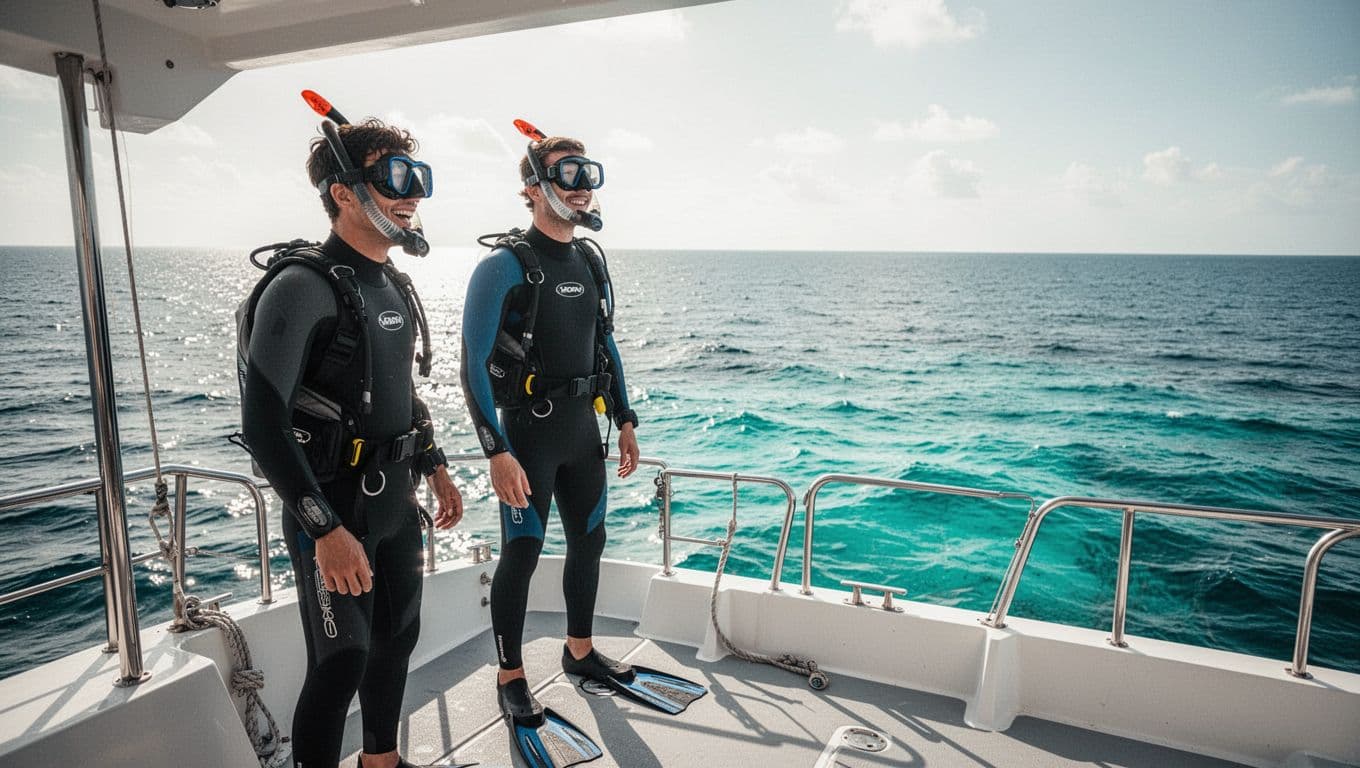
People who snorkel Big Island trips in calm weather sometimes forget how much a moving deck can drain their energy. That matters because you want enough comfort left for the water, the swim back to the boat, and the ride home. If the crew gives you advice about where to sit, how to gear up, or when to enter the water, follow it closely.
The best snorkeling day is the one where you still feel good at the end.
Better backup plans when the ocean is rough
Some days call for a different kind of ocean plan. If the advisory is strong, a private charter can give you more control over timing and route. A dedicated book a private Kona boat charter option is useful when your group wants flexibility and a slower pace.
You can also shift from a full snorkel day to a different ocean outing. In season, a whale watching cruise may be the smarter choice when the sea is too lively for a swim. For a seasonal alternative, the seasonal whale watching tours in Kona page is worth a look.
If you are still set on Kealakekua Bay, another route is to wait for a calmer window and keep the plan intact. That is often better than forcing the experience on a rough day. A strong reef day with a smooth ride almost always beats a rushed trip with tense passengers.
When you snorkel Big Island on a good day, the water feels open and easy. When the sea is up, your best backup plan is patience. The reef will still be there.
Booking with Kona Snorkel Trips when weather shifts
Kona Snorkel Trips builds trips around a Reef to Rays approach, with small groups, lifeguard-certified guides, quality gear, and reef-safe habits. That matters on advisory days because careful planning is part of the product, not an afterthought. If the conditions change, the crew is watching the same water you are.
For a dedicated Kealakekua Bay trip, Captain Cook Snorkeling Tours is another company focused on that route. If you want to compare your options, start with the trip that matches your comfort level and your weather window.
If you are ready to look at dates, you can check availability for a regular snorkel trip, or use the Captain Cook option when Kealakekua Bay is your goal. A direct booking check is useful when weather windows open and close fast.
For Kealakekua Bay departures, you can also check availability before the weather changes again.
Small craft advisories do not have to ruin your day on the Kona coast. They just ask you to respect the water, ask better questions, and choose the right trip for the right conditions. When you do that, you protect the fun as much as the safety. That is what makes a Captain Cook snorkeling cruise feel worth the wait.
Conclusion
A small craft advisory changes more than the forecast. It changes the ride, the mood, and sometimes the entire plan for your Captain Cook snorkeling cruise. If you pay attention early, you give yourself the best shot at a calm, safe day on the water.
The smartest move is simple. Check the marine forecast, listen to the crew, and stay flexible if the ocean asks for it. On the Big Island, the best snorkel days are the ones where the sea and your plans line up.