
Seasick Bands for Morning Sickness: A Complete Guide
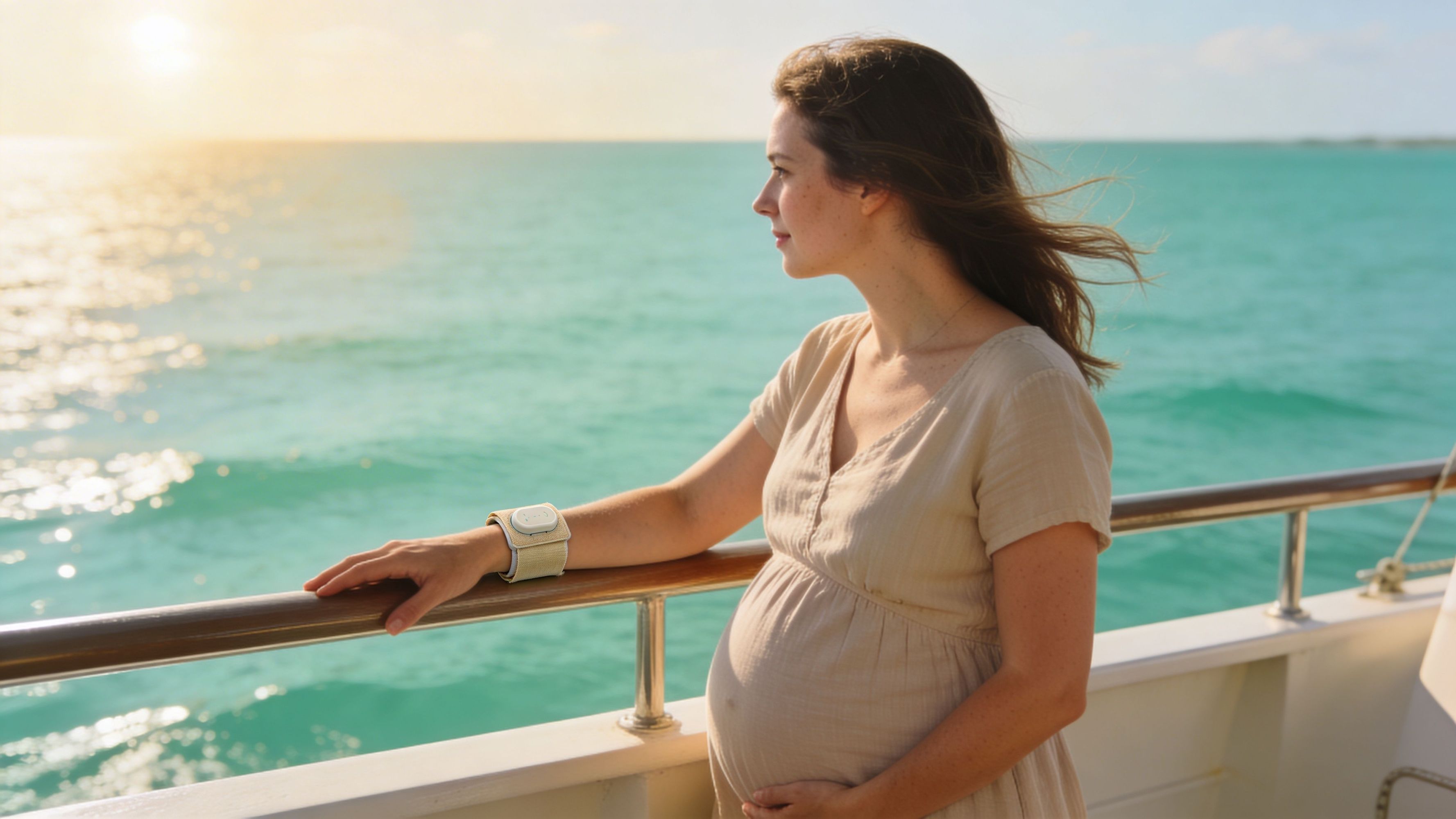
You’re probably doing two kinds of planning at once right now.
One list is fun. Reef-safe sunscreen. Rash guard. A floaty, easy day on clear water. Maybe a once-in-a-lifetime snorkel outing while you’re in Kona.
The other list is less glamorous. Crackers in your bag. A bathroom plan. Worry about whether a rocking boat will turn manageable morning sickness into a miserable day.
That overlap is real. Pregnancy nausea and motion sickness can pile on top of each other. The good news is that seasick bands for morning sickness give many travelers a simple, drug-free option that fits a boat day surprisingly well.
Planning Your Dream Kona Trip While Pregnant
A lot of pregnant travelers feel torn. You want the trip. You also want to feel like yourself long enough to enjoy it.
I’ve seen versions of this many times. A guest is excited about a boat snorkel, then asks before boarding, “What if I’m already nauseated before we even leave the harbor?” That question makes sense.
If you’re planning a babymoon, this is one of those practical details that can make the whole trip feel more doable. Small comfort tools matter when your body is already doing a lot.
When nausea shows up in the car, at breakfast, and then again at the dock, it helps to have one plan for both pregnancy queasiness and boat motion. That is where acupressure wristbands often come in.
Why this matters more on a snorkel day
On land, you can usually change position, lie down, or step away from a trigger.
On a boat, your body has more to process. Smells feel stronger. Heat can hit harder. Motion adds another layer. Even people who normally do fine on the water sometimes feel off when they’re pregnant.
A practical read on that overlap is this Kona guide on sea sickness and pregnancy. It speaks directly to the kind of concerns many expectant travelers have before a tour.
A calmer way to think about it
You do not need to choose between “push through” and “skip everything.”
Many pregnant travelers do better when they prepare early, use simple tools, and keep expectations realistic. Seasick bands are appealing because they are low-fuss, easy to pack, and can be worn before symptoms build.
Tip: If your stomach is easiest to upset first thing in the morning, treat the whole outing like a morning sickness day, not just a boat ride.
That shift helps. Instead of waiting to see how bad it gets, you build a gentle routine around prevention.
How Acupressure Bands Work for Nausea Relief
Seasick bands look simple because they are simple.
They are elastic wristbands with a small stud that presses on a spot called P6, also called Nei-Kuan, on the inner wrist. That point sits about three finger breadths above the wrist crease on the inner forearm, according to Sea-Band’s placement guide at how to apply Sea-Bands.

The simple version of the science
Think of the band like a steady finger press on your body’s nausea button.
Sea-Bands apply continuous acupressure to that P6 point. The same Sea-Band guide says this pressure modulates the autonomic nervous system and inhibits vagal nerve activity that contributes to nausea by reducing gastric dysrhythmias. In plain language, it helps calm part of the signaling between your stomach and brain that can feed queasiness.
That sounds technical, but the practical takeaway is easy. The band is not covering up symptoms with sedation. It is using pressure on a specific point to try to settle the nausea pathway itself.
Where people get confused
Some people think the wristband works like a tight bracelet. It doesn’t.
The placement matters more than squeezing your whole wrist. The stud should sit over the P6 point on the inside of the wrist, and the bands are typically worn on both wrists.
Another common question is timing. Sea-Band’s guide says the bands begin working within 2-5 minutes and reach optimal relief in 5-15 minutes at that same placement page. For many people, though, putting them on before a trigger is still the smartest move.
How to place them without overthinking it
- Find the wrist crease. Turn your palm up.
- Measure three finger breadths up your inner forearm.
- Center the stud there. The stud should face inward.
- Repeat on the other wrist.
If you want a visual explanation tied to boating and ocean travel, this article on Sea Band motion sickness bands can help connect the placement to real boat use.
Key takeaway: Correct placement is the difference between “these do nothing” and “these are helping.”
What the Science Says About Bands for Morning Sickness
You can be excited about a Kona snorkel day and still worry about the boat ride, the swell, and the nausea you have already been dealing with on land. Pregnancy can stack two different triggers on top of each other. Morning sickness starts the queasy feeling, then ocean motion can add another layer.
That overlap is why the research on acupressure bands matters for pregnant travelers, not just for people who get seasick once in a while.
The best-known early evidence came from Bologna University. In a 1992 double-blind study, pregnant women wore either acupressure bands or placebo bands. Women using the acupressure bands reported noticeably more relief from nausea and vomiting than those using placebo bands, according to the Los Angeles Times summary of the Bologna study.

How to read that evidence without overreading it
A placebo comparison matters because nausea is subjective. If two groups both wear wristbands, but the group with pressure on the P6 point feels better more often, that supports the idea that placement is doing something useful.
That does not mean every pregnant guest will get full relief.
It means these bands sit in a more credible category than random travel tips passed around on message boards. For someone planning a water excursion, that is a practical difference. You want an option with some evidence behind it before you board a boat in Kona and test your stomach against rolling water.
Why this matters more on a snorkeling trip
Morning sickness and motion sickness can blur together fast. A gentle rocking deck, salt air, heat, and an early departure can all pile onto a stomach that is already sensitive. Acupressure bands may help lower that baseline queasiness enough that the motion feels manageable instead of overwhelming.
A simple way to picture it is a bucket. Pregnancy nausea may already have your bucket half full. Boat motion adds more. If a band helps lower what is already in the bucket, you may have more room before symptoms spill over.
That is one reason many pregnant travelers look into seasick bands for pregnancy before a snorkel outing.
A fair takeaway from the science
Here is the plain-language summary:
- There is supportive clinical research. Acupressure bands have performed better than placebo in controlled study settings.
- Results vary from person to person. Some pregnant women get meaningful relief, while others need additional strategies.
- They are especially appealing for travel days. You can wear them before boarding, keep them on during the ride, and combine them with practical steps like light snacks, hydration, and fresh air.
For a Kona Snorkel Trips guest, that balanced view is usually the most helpful one. The bands are not a promise. They are a reasonable, research-backed tool that may make it easier to enjoy the boat ride, focus on the reef, and spend less of the trip worrying about your stomach.
Are Seasick Bands Safe During Pregnancy
You are up before sunrise in Kona, trying to decide whether your stomach is reacting to pregnancy, boat motion, or both. That overlap is exactly why many pregnant snorkel guests ask about seasick bands before they ever step onto the dock.
For many pregnant travelers, acupressure bands are considered a reasonable first option because they do not add medicine to your system and they usually do not cause drowsiness. Earlier research and long-standing clinical use have described Sea-Bands as safe, low-risk, and easy to try during pregnancy. That matters on a snorkeling day, because you may want steady footing, a clear head, and one less decision to make before boarding.

Why that safety profile matters on a boat day
Pregnancy nausea and motion sickness can stack on each other. A wristband will not treat every cause of nausea, but it is one of the simpler tools to try when you are balancing morning sickness with the motion of a boat ride to the reef.
That makes bands appealing for a Kona Snorkel Trips guest. You can put them on before leaving for the harbor, keep your normal alertness, and still add other low-key supports like water, shade, small snacks, and fresh air. If you want to pair the bands with other practical boat-day strategies, this guide on how to avoid sea sickness on a snorkeling trip can help you plan ahead.
A few smart precautions
Safe does not mean thought-free. Wristbands still work best when you use them carefully.
- Check the fit: The button should press the correct spot without squeezing so tightly that your hand tingles or feels numb.
- Watch for skin irritation: Pregnancy can make skin more sensitive, especially in heat and salt air.
- Talk with your prenatal provider if symptoms are stronger than expected: Repeated vomiting, dehydration, dizziness, or trouble keeping food and fluids down needs medical guidance.
- Test them before excursion day: Trying them at home first can help you decide whether they feel comfortable enough for a morning on the water.
If you want another pregnancy-focused take from the ocean-activity world, this guide on seasick bands for pregnancy is a helpful companion read.
Practical reassurance: For many pregnant travelers, seasick bands are a low-risk place to start. They may help take the edge off nausea without making you feel foggy during your time on the boat.
Your Guide to Nausea-Free Snorkeling in Kona
You wake up in Kona excited for a morning on the water, then your stomach sends a mixed signal. Part of it feels like pregnancy nausea. Part of it feels like the boat ride you have not even started yet. That overlap is common, and it helps to plan for both at the same time.
Sea-Band wristbands are made for active use and can stay on during a boat trip and snorkel. A retail product listing for Sea-Bands nausea relief acupressure wristbands describes them as waterproof and reusable. For a pregnant traveler heading out on a Kona snorkel excursion, that matters because your support tool needs to keep working through spray, sweat, and a swim step.

Before you leave your room
A calm boat day often starts on land.
Give your stomach an easy job. Many pregnant travelers feel better with a small bland snack, such as crackers or dry toast, instead of heading out empty. Put the bands on before you leave so the pressure point is already in place by the time you reach the harbor. Pack a spare pair if you have one, along with water and a snack you already know sits well.
That early timing matters. Nausea is often easier to prevent than to settle once it gets rolling, especially if morning sickness and ocean motion are stacking together.
At the harbor and on the ride out
Once the boat starts moving, keep your body oriented and your senses quiet.
Face forward if possible. Look at the horizon when you notice the first flutter of nausea. Sip water instead of chugging it. Choose fresh air over enclosed cabin space if smells are bothering you. These small choices work like keeping your mask sealed before water sneaks in. It is easier to stay comfortable than to recover after your stomach is already upset.
If you are comparing bands with medication for the boat ride, this guide to Bonine seasick pills for snorkeling trips can help you sort through the tradeoffs.
In the water
Getting the bands wet is usually not the problem. Placement is.
The stud needs to stay over the pressure point on the inner wrist. Salt water, sunscreen, and movement can shift the band a little, especially after climbing in or adjusting gear. Take ten seconds to check both wrists before you slip into the water, then glance again after a few minutes of swimming if you start to feel off.
A simple routine helps:
- Check the stud position before entering the water.
- Notice whether the bands still feel centered after you start swimming.
- Adjust them if they have rotated or slid.
If you are managing both morning sickness and motion sickness
This is the part many general travel articles miss.
A pregnant guest on a Kona snorkel tour may be dealing with several nausea triggers at once. Early pregnancy can make you more sensitive to smells, heat, hunger, and fatigue. Boat motion adds another layer. Snorkeling days also tend to start early, which can be the hardest time of day for morning sickness. That is why a simple, wearable option appeals to so many pregnant travelers. You can put it on in your room, keep it on through the drive and boat ride, and leave one less decision for later.
Kona Snorkel Trips offers boat-based snorkeling on the Big Island. If you are pregnant, it helps to treat the day like a flexible outing rather than a test of endurance. Listen to early signals from your body and adjust right away.
Boat-day tip: If you notice the first hint of nausea, respond while it is still small. Shade, fresh air, a few sips of water, a quick wristband check, and a pause to look at the horizon can keep the rest of the trip feeling manageable.
Comparing All Your Nausea Relief Options
Seasick bands are not the only option. They are just the easiest place for many pregnant travelers to begin.
The main advantage supported by clinical data is that Sea-Bands offer zero drowsiness, and verified data tied to the American Journal of Obstetrics and Gynecology entry notes up to 50% symptom reduction without sedative effects in comparison-focused discussion at PubMed. For an active excursion, that matters.
Some travelers still prefer to compare everything side by side before deciding.
Comparison of Nausea Remedies
| Remedy Type | How It Works | Causes Drowsiness? | Pregnancy Use | Best For |
|---|---|---|---|---|
| Sea Band wristbands | Acupressure at the P6 point on both wrists | No, based on clinical data above | Often considered a practical drug-free option during pregnancy | Travelers who want non-drug support for morning sickness and motion sickness |
| Dramamine pills | Medication for motion-related nausea | Can cause sleepiness | Ask your pregnancy care provider first | People who prioritize stronger medication-based motion sickness control |
| Bonine pills | Medication used for motion sickness relief | Can cause drowsiness in some people | Ask your pregnancy care provider first | Travelers comparing pill options for boat days |
| Ship-EEZ Seasickness Patch | Patch-style motion sickness support | Side effects and pregnancy suitability should be reviewed with a clinician | Ask your pregnancy care provider first | Those who prefer a patch format |
| Ginger chews | Ginger-based oral nausea support | Typically not used for sedation | Ask your pregnancy care provider first | Mild queasiness, taste-based support, or pairing with other non-drug strategies |
How to choose without getting overwhelmed
Some decisions are less about “best” and more about fit.
If staying alert is your top priority, bands stand out. If your nausea is severe or persistent, you may need to ask your prenatal provider about medication choices instead of relying on a single tool.
A few practical rules help:
- Choose bands first if you want a drug-free trial.
- Choose pills only after checking pregnancy guidance with your clinician.
- Choose ginger as a support tool, not necessarily your only plan, if your symptoms are more than mild.
If you’re specifically weighing one common medication route, this article on Bonine seasick pills gives more detail.
A balanced way to think about combination strategies
Many travelers use more than one non-drug tactic at once.
That might mean seasick bands, a small snack before departure, cool air, and ginger chews in your bag. The point is not to stack everything randomly. It’s to create a calm routine that reduces triggers before they build.
Conclusion: Embrace Your Adventure with Confidence
Morning sickness can make a dream trip feel uncertain. Add ocean motion, and it’s easy to wonder whether a snorkel day is worth the risk.
For many people, seasick bands for morning sickness are a sensible middle ground. They are easy to wear, grounded in clinical evidence, and especially appealing during pregnancy because they are drug-free and do not add drowsiness.
They are not a guarantee. No nausea remedy is.
But they do give you a practical tool for a very specific problem. You may be dealing with early-pregnancy queasiness and boat motion at the same time. A simple pair of wristbands can help make that feel more manageable.
The best approach is gentle preparation. Put the bands on early. Eat in the way your body tolerates best. Stay cool, hydrated, and honest with yourself about how you feel.
Pregnancy does not automatically cancel ocean adventure. With the right plan, you may still get the calm boat ride, the bright reef, and the memory you hoped this trip would hold.
Frequently Asked Questions
How fast do seasick bands start working
Sea-Bands begin working within 2-5 minutes, with optimal relief in 5-15 minutes, based on the verified Sea-Band application guidance mentioned earlier. In real life, many travelers still prefer to put them on before the car ride or before boarding so symptoms never get a head start.
Should I wear one band or two
Use them as directed, which generally means both wrists.
That is the setup most commonly described for proper use. If only one wrist is being used or the stud is off target, you may not get the same result.
How tight should the bands feel
They should feel snug enough to keep the stud in place.
They should not feel so tight that you get numbness, tingling, or a deep pressure ache across the whole hand. If that happens, adjust them.
Can I wear them in the water
Yes. The verified product information describes Sea-Bands as waterproof and reusable.
The key is checking that they have not shifted position after getting wet or moving around in the water.
What if the bands help, but not enough
That can happen.
Try reviewing timing, placement, hydration, fresh air, and whether you boarded on an empty stomach. If your symptoms are still strong, contact your pregnancy care provider to ask what other options are appropriate for you.
Are seasick bands enough for severe pregnancy nausea
Not always.
If you have frequent vomiting, trouble keeping fluids down, or symptoms that feel out of proportion to a typical queasy morning, get medical advice. A wristband is a comfort tool. It is not a substitute for clinical care when symptoms become intense.
If you’re hoping to enjoy the water in Kona without letting nausea run the day, Kona Snorkel Trips is a practical place to start planning your outing. Pick a day that gives you flexibility, prepare early, and give yourself permission to make comfort part of the adventure.