
Quietest Nights for a Kona Manta Ray Night Snorkel

Kona Snorkel Trips runs small-group night outings, and that matters when you want a calmer manta evening. If you compare dedicated manta operators, Manta Ray Night Snorkel Hawaii is another manta-focused option to keep on your list.
If you’re planning a kona manta ray snorkel, the least crowded nights usually come down to timing, not luck. People who search snorkeling Big Island Hawaii often want the same thing, a smooth check-in, room to move, and enough quiet to enjoy the water. The good news is that a few booking choices make a real difference.
Why the first sunset departure usually draws the biggest crowd
The earliest boat often feels the busiest because everyone wants the same time slot. Families like it, first-time visitors like it, and many people plan dinner around it. That means the dock can feel packed before you even pull on a mask.
If you skim Tripadvisor manta snorkel reviews, you’ll see a familiar pattern. The first departure tends to fill first, and that rush shows up on the dock, at the gear table, and around the ladder.
The difference is easy to picture:
| Departure window | Crowd feel | What you notice | Best fit |
|---|---|---|---|
| Sunset departure | Highest | More boats, more check-in traffic, more noise | You want the earliest possible start |
| First hour after sunset | Medium-high | Still active, but a little less packed | You want a balance of timing and space |
| Later evening | Lower | Fewer boats and less dock traffic | You want a calmer, looser feel |
| Midweek later trip | Often the quietest feel | Easier parking, easier staging, less waiting | You care most about breathing room |
The biggest takeaway is simple. Later departures usually feel less crowded than the first sunset slot.
The quietest night is usually the one that starts after the first rush leaves the dock.
That same pattern shows up across snorkeling Big Island trips in general. When you snorkel Big Island on a busy evening, the first twenty minutes can feel more cramped than the swim itself. A later window gives you a better shot at a slower pace from the start.
If you want to see what the trip looks like before you book, the Big Island manta tour page gives you a clear look at the setup.
Later departures usually feel calmer
A later start does more than reduce the crowd size. It also changes the mood. By then, the dock has usually settled down, the first wave of guests is gone, and the check-in area feels easier to move through.
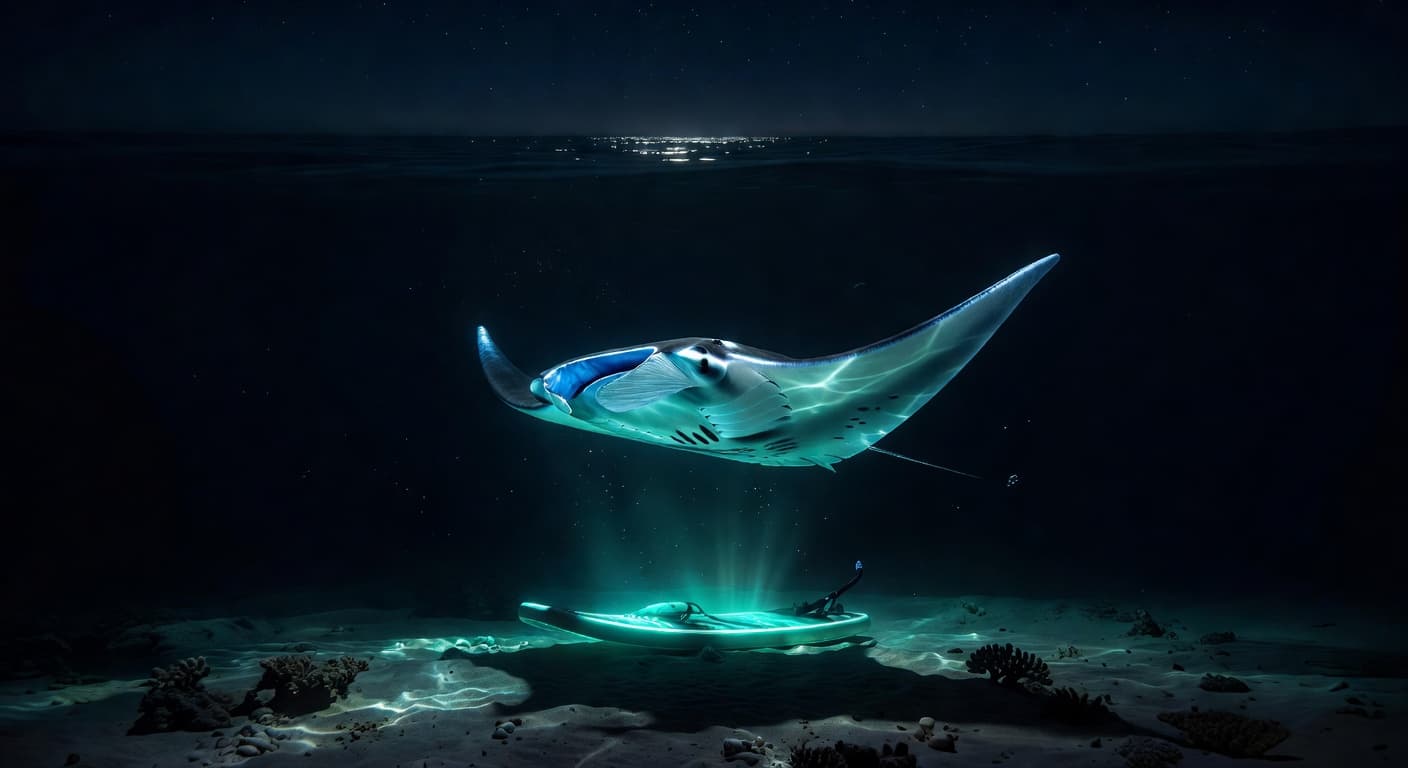
Later departures can feel better for couples and families because the whole evening slows down. You have more room to listen to the guide, get your gear sorted, and settle into the water without feeling rushed. That matters more than many people expect.
It also helps if you’re trying to make the night feel special instead of busy. When you snorkel Big Island at night, a few fewer people on the boat can change the tone right away. There’s less shuffling, less gear noise, and usually less waiting near the ladder.
That doesn’t mean the later trip is always the “best” trip. It means it often feels more relaxed. If your top goal is seeing mantas with as little crowd pressure as possible, later is the better bet.
The later window is also easier if you’ve spent the day exploring. After a full day on the island, you may not want a high-energy check-in. A quieter departure can feel like the ocean is giving you more space, not less.
Weekdays help a little, but they aren’t the whole story
A weekday can help, but it’s not a magic fix. The clearest pattern is still time of night. Even so, the calendar matters because travel habits matter.
Midweek trips often feel calmer than Friday or Saturday nights. That’s partly because more visitors arrive for weekend plans, and partly because people like to save the first night of their trip for a big outing. If you’re comparing snorkeling Big Island schedules, that midweek window is often easier on your nerves.
Here’s the short version:
- Tuesday through Thursday often feel lighter than Friday or Saturday.
- Holiday weeks and school breaks usually fill faster.
- Later departures still beat early ones, even on a weekday.
You don’t need to obsess over the perfect day. You just need to avoid the busiest combo, which is usually a first departure on a Friday or during a holiday rush. If you have flexibility, that’s the easiest way to cut down on crowd pressure.
If you only have one night available, don’t panic. You can still improve the feel of the trip by choosing the later departure and booking with a smaller group operator. That choice matters more than chasing a mythical quiet day that may not exist.
Moon phase and season change the mood, not the crowd
Manta ray nights happen year-round in Kona, so you’re not trying to hit a tiny seasonal window. Instead, you’re deciding what kind of night you want.
Moon phase changes the look of the water more than it changes the number of boats. A darker night feels more dramatic. A brighter moon gives the ocean a softer glow. Either one can be beautiful, and neither one guarantees a smaller crowd.
Season matters in a broader sense. Winter holidays, spring break, and summer travel waves usually bring more people to the island. That means more full boats, more demand for the earlier departure, and more competition for the dates you want. If your trip falls in a busy travel month, book sooner.
Weather and wind can affect comfort too. Calm water makes the whole experience feel smoother. Rougher conditions can make even a small boat feel more active, because people spend more time getting comfortable and less time relaxing. That doesn’t always mean more people, but it can feel busier.
The main thing to remember is this: moon phase changes the atmosphere, while departure time changes the crowd. If you want the quietest feel, start with the crowd question first.
Small-group boats change the whole feel of the night
Operator choice matters almost as much as timing. A small boat changes how the evening flows, how fast you get geared up, and how much space you have once you’re on board. That’s why Kona Snorkel Trips keeps the experience personal.
They focus on a small-group setup, lifeguard-certified guides, state-of-the-art gear, and custom-built lighted boards for nighttime encounters. That mix keeps the trip organized without making it feel stiff. It also fits the kind of night you want when the goal is less crowd pressure and more time in the water.
That kind of setup helps when you care about the details. You spend less time weaving through a packed deck, and more time listening to the guide and settling into the moment. You also get a more personal feel from check-in to splash time.
If you want another manta-focused option to compare, Manta Ray Night Snorkel Hawaii is the other dedicated manta name to look at. That gives you a second place to compare style, timing, and trip feel before you decide.
If you’re ready to see what’s open, you can also check availability for the manta-specific departure list.
For a closer look at the trip itself, the Kona manta ray snorkel tour page lays out the main details clearly.
A simple plan for picking a quieter night
You don’t need a complicated strategy. You need a short one that puts the odds in your favor.
Start with the later departure if your schedule allows it. That single choice often does more than any other. Then compare weekdays, and favor Tuesday through Thursday if you can. If your dates fall near a holiday week or a school break, book earlier than you think you need to.
A simple approach works well:
- Pick the later time slot first.
- Choose a weekday if your plans are flexible.
- Avoid holiday travel weeks when possible.
- Choose a smaller-group boat if the feel of the trip matters to you.
If you’re traveling as a couple, a quieter night can feel more intimate. If you’re traveling with kids, the calmer dock flow can make the start of the trip easier. If you’re traveling solo, the smaller crowd often makes it easier to relax and meet your guide.
You may still see other boats nearby. That’s normal for a popular manta experience in Kona. The goal isn’t to find an empty ocean. The goal is to find a departure that feels unhurried.
That’s the main reason people search for the least crowded nights for a Kona manta ray night snorkel. They don’t want to miss the mantas, and they don’t want the evening to feel crowded before the swim even begins.
Conclusion
The quietest nights usually come later in the evening, after the first sunset rush has moved on. Weekdays can help, but they matter less than the actual departure time.
If you want the calmest feel, pair a later slot with a small-group boat and avoid holiday-heavy travel weeks. That simple mix gives you a better shot at the kind of kona manta ray snorkel people remember for the right reasons, steady, spacious, and easy to enjoy.