
Your Ultimate Guide to Manta Ray Snorkel Kona
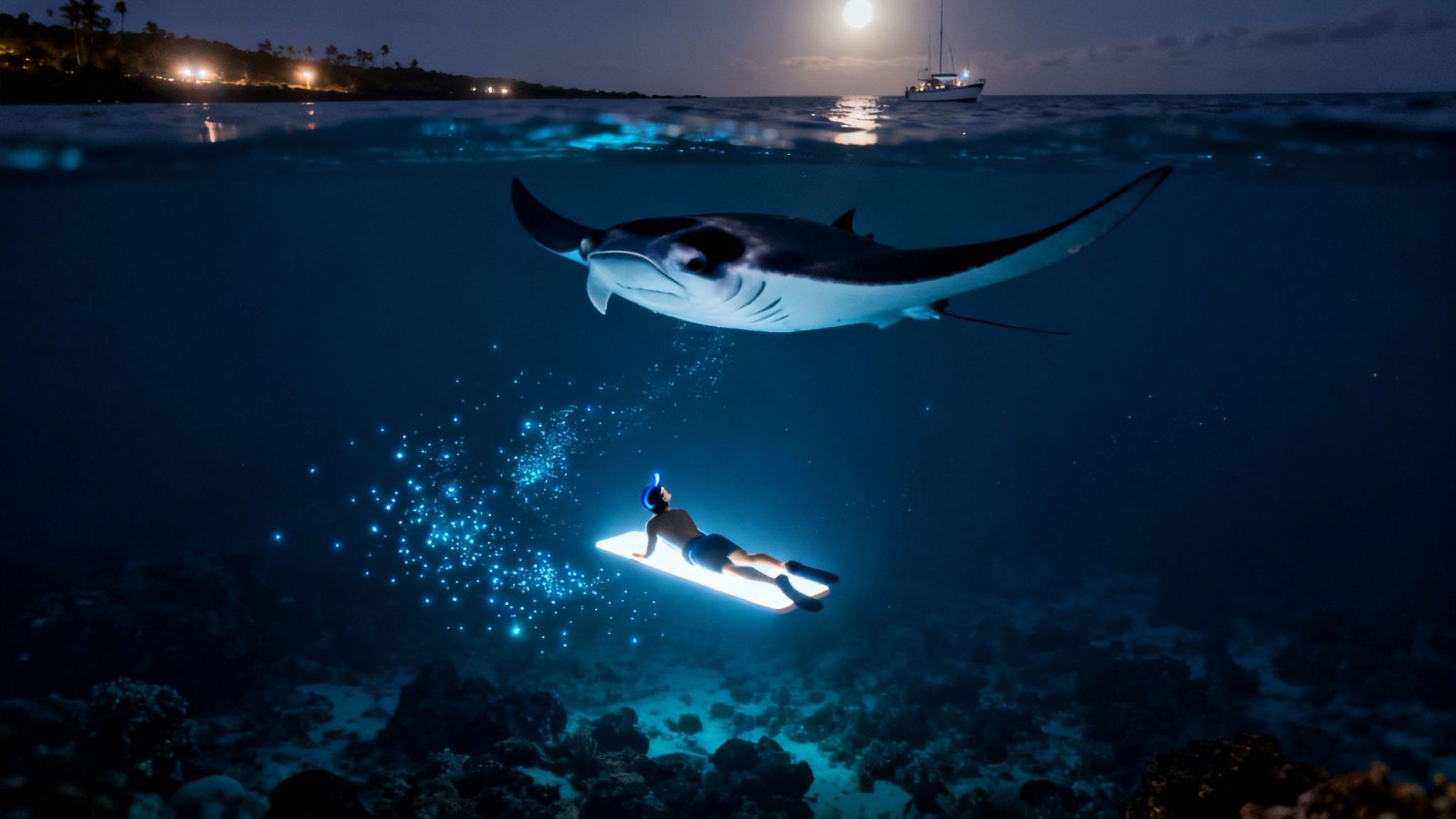
Picture yourself floating in the warm, dark Pacific Ocean. Just inches below, giant manta rays with wingspans wider than you are tall glide effortlessly, performing a silent, beautiful ballet. This isn’t some rare, once-in-a-lifetime wildlife sighting—it’s a nightly show that makes the Manta Ray Snorkel Kona's most iconic experience. It’s a chance to witness one of nature's most magical performances up close and personal.
Your Unforgettable Kona Manta Ray Adventure Awaits
When it comes to seeing manta rays, Kona isn't just a place to go; it's arguably the best place on the entire planet for this specific encounter. Unlike a lot of wildlife tours that hinge on seasonal migrations, Kona’s manta rays are residents. They live here year-round. That incredible consistency has turned what could be a simple snorkel trip into a world-famous, must-do adventure.
When you're looking for an experience this special, you want to go with people who know what they're doing. As the top rated & most reviewed snorkel company in Hawaii, Kona Snorkel Trips has earned a reputation for delivering these amazing moments safely and with deep respect for the animals.
What truly sets the Kona manta ray snorkel apart is its unbelievable reliability. This isn't one of those "cross your fingers and hope" activities. The unique setup along the Kona coast creates a perfect storm for unforgettable encounters, night after night.
Why Kona is the Global Capital for Manta Encounters
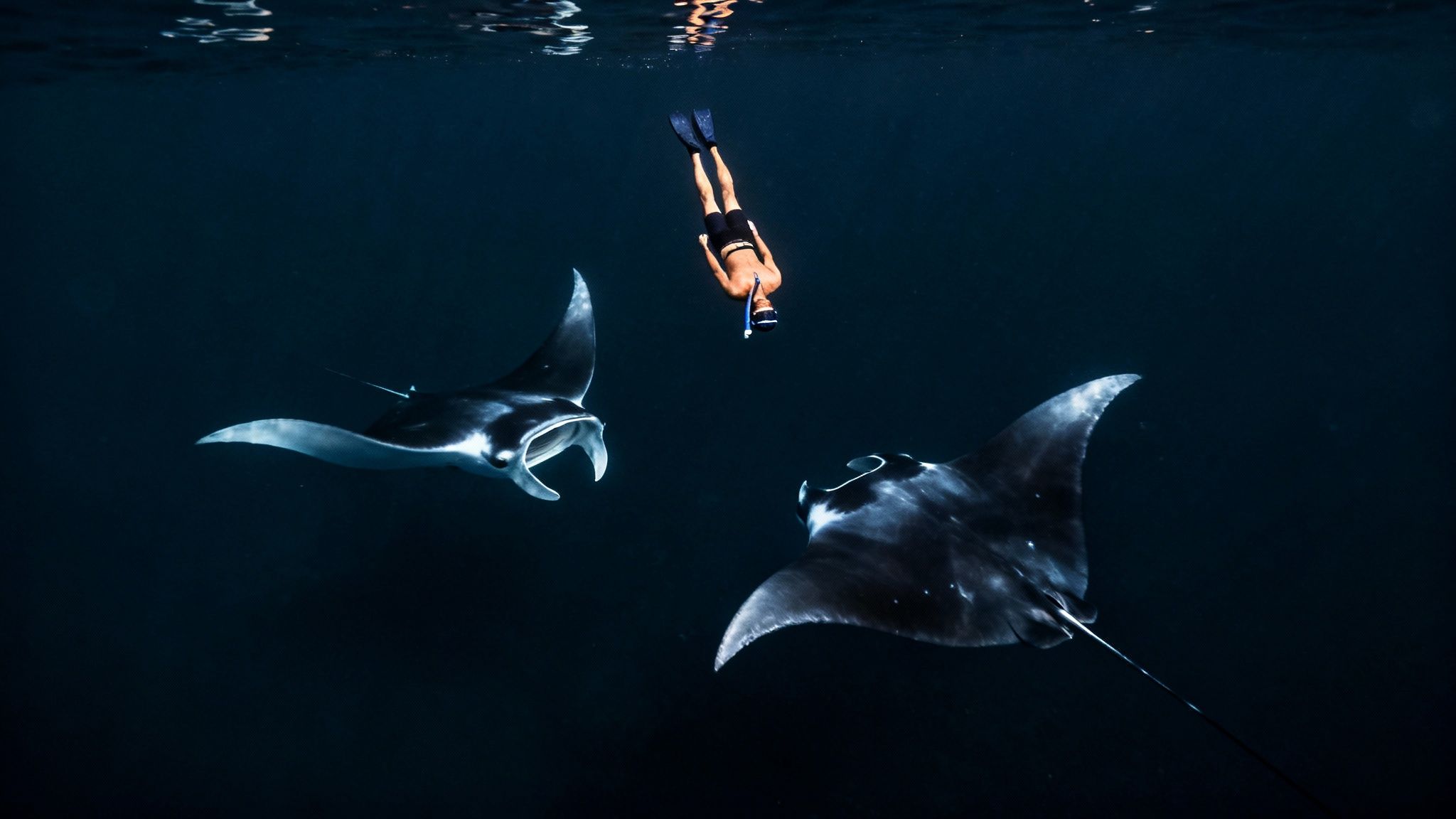
So, what's the secret? It's a beautiful partnership between nature and decades of responsible tourism. The calm, sheltered bays here are naturally full of plankton, which is the manta rays' favorite food. For years, tour operators have used powerful, eco-friendly underwater lights to attract even more of this microscopic buffet, essentially creating a reliable nightly feast. The mantas have learned that light means dinner, and they show up faithfully.
This unique system has led to a ridiculously high success rate for sightings. In fact, Kona Snorkel Trips, tapping into this local magic on their famous Manta Ray Night Snorkel tours, sees an astonishing 80-90% success rate of sightings all year long. This isn't just a guess; it's backed by decades of observation. This nightly event draws around 80,000 adventurers every year, which in turn supports our local economy and vital conservation efforts.
But this experience is about more than just seeing an animal. It’s about being immersed in their world. People often describe the feeling as:
- Awe-Inspiring: Floating above creatures with wingspans that can stretch over 10 feet is humbling, to the least.
- Peaceful: There’s a quiet, almost meditative feeling you get watching these gentle giants glide so effortlessly through the water.
- Connected: Being that close to such magnificent animals creates a profound sense of connection to the ocean.
"It’s impossible to describe the feeling of watching a massive fish the shape of a stealth bomber coming into vision. It’s akin to watching your child ride a bike for the first time or finding a winning lottery ticket."
Whether you're an old salt who's spent years exploring the ocean or you're putting on a snorkel mask for the first time, the Kona manta ray adventure offers something truly moving. It’s not just another vacation activity; it’s a memory that will stick with you long after you've dried off. And while the manta snorkel is a can't-miss highlight, you can explore even more amazing underwater spots in our guide to the best snorkeling in Kona.
What to Expect on Your Night Snorkel Adventure
So, you're thinking about the Kona manta ray snorkel. It's an idea that's equal parts thrilling and a little bit mysterious, right? What’s it really like to be floating in the dark ocean while these massive, gentle creatures glide right by you? Let's walk through it, from the moment you step on the boat to the second you get out of the water, so you know exactly what this incredible night has in store.
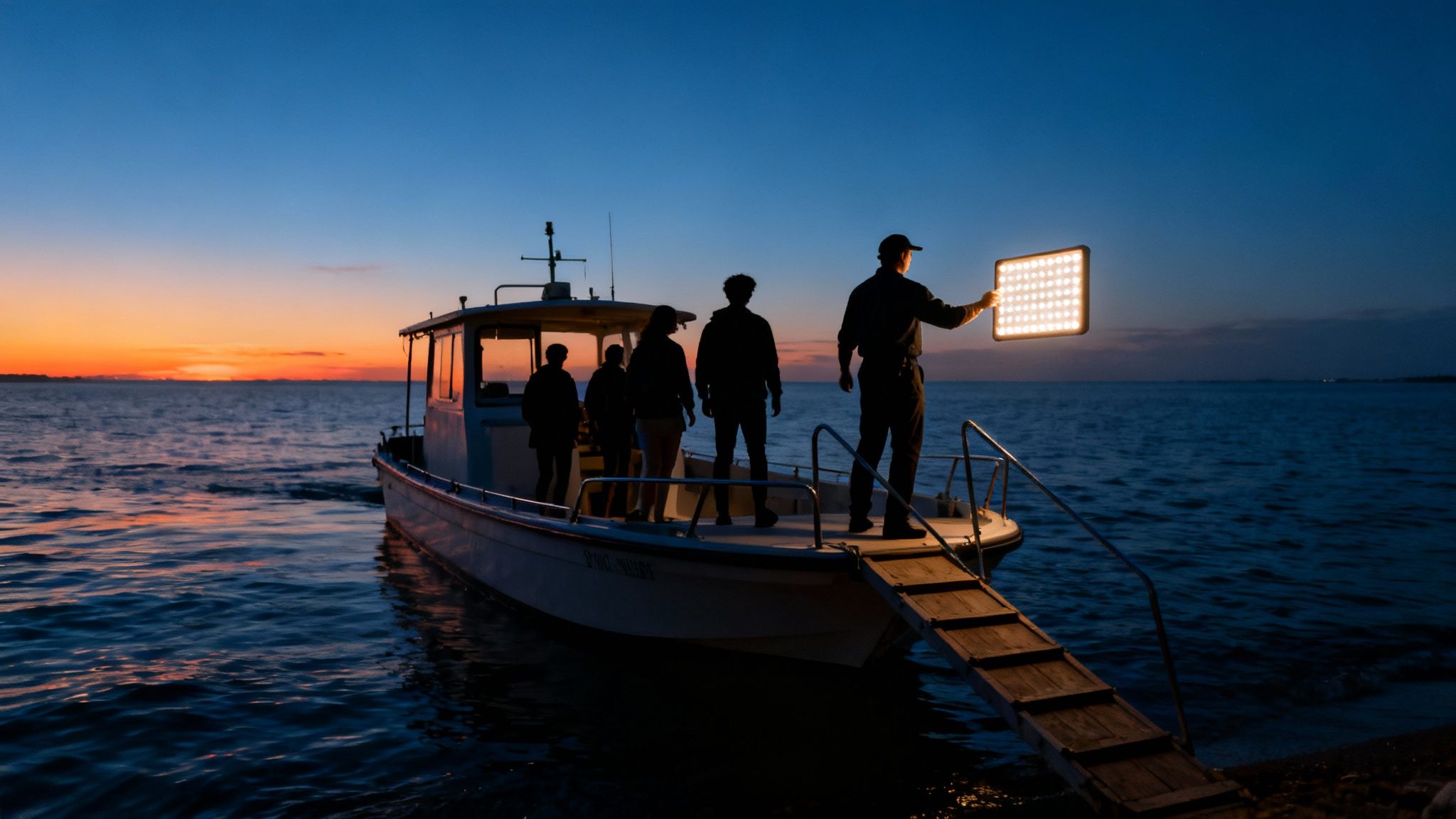
Your adventure kicks off just as the sun begins to melt into the horizon, setting the Kona sky on fire with brilliant oranges and pinks. You'll board the boat, feel that warm Hawaiian breeze, and take a short, beautiful trip out to one of the manta viewing sites. The vibe on the boat is always buzzing with excitement and anticipation.
The “Manta Campfire” Explained
On the way out, your guides will fill you in on the fascinating science behind the whole encounter. They’ll introduce you to what we call the "manta campfire"—a simple but brilliant method that makes these nightly sightings so incredibly reliable.
It's a pretty straightforward process:
- Turn on the Lights: The crew places powerful, eco-friendly lights into the water.
- Attract the Plankton: These lights act like a magnet for tiny microscopic organisms called plankton—the mantas' absolute favorite food.
- Ring the Dinner Bell: The mantas have learned this routine over decades. They see the lights, know it's an all-you-can-eat buffet, and swim right in for a feast.
This creates a concentrated feeding zone, bringing the action directly to you in a way that’s completely safe for the animals and absolutely breathtaking for everyone watching.
Floating into the Action
Once we're at the site, the crew helps you get into the water. Don't worry, you won't be swimming all over the place. Instead, you'll hold onto a custom-built, floating light board. This board is the key to the whole experience. It gives you stability, so you can just float comfortably without any effort. More importantly, its bright lights shine straight down, creating your own personal window into their world and drawing the plankton right to you.
There's a unique peace that comes with floating on the surface, holding onto that board as the dark ocean surrounds you. You're simply a spectator, waiting for the main event to begin right beneath your feet.
Witnessing the Underwater Ballet
And then, the magic starts. A dark shape emerges from the deep, gliding gracefully into the light. Soon, another follows. These gentle giants, with wingspans that can stretch over 12 feet, perform a stunning underwater ballet just inches below you. They swoop, soar, and do elegant barrel rolls, filtering the plankton from the water with their mouths wide open.
It's a completely passive and respectful experience. You're a guest in their home, and our goal is to observe without interfering. The mantas are in total control, often coming incredibly close as they feed.
That proximity is what makes the Kona Manta Ray Night Snorkel so unforgettable. You’re not just seeing a manta ray; you're sharing their world for a few brief, awe-inspiring moments. Our guides are in the water the entire time, making sure both you and the mantas are safe and comfortable. The whole encounter is designed to be a respectful, non-intrusive observation that will leave you with a feeling of pure wonder.
Ready to see it for yourself? You can find out more and book your spot on the Kona Snorkel Trips Manta Ray Night Snorkel tour page.
Meeting Kona's Famous Underwater Residents
The amazing thing about a manta ray snorkel in Kona is you’re not just hoping for a random, fleeting glimpse of wildlife. You’re literally being invited into the world of a well-known, year-round community of underwater celebrities, and each one has its own story.
This isn’t just some random hotspot; it's a thriving manta neighborhood that researchers have been studying for decades. The local population is estimated to include over 450 unique reef manta rays. A detailed catalog going back years has identified 320-330 individuals, and it turns out the top 20 most frequently seen rays account for nearly 60% of all sightings!
These gentle giants aren't just passing through. They're permanent residents, drawn to Kona’s consistently warm waters and the reliable buffet of plankton. If you want to dive deeper into what makes this population so special, you can read more about Kona's manta population here.
This deep connection transforms your snorkel from a simple viewing into a potential meeting with a famous local. You might actually encounter legends like 'Big Bertha' or 'Lefty'—individuals known to guides and researchers for years.
Getting to Know the Locals by Name
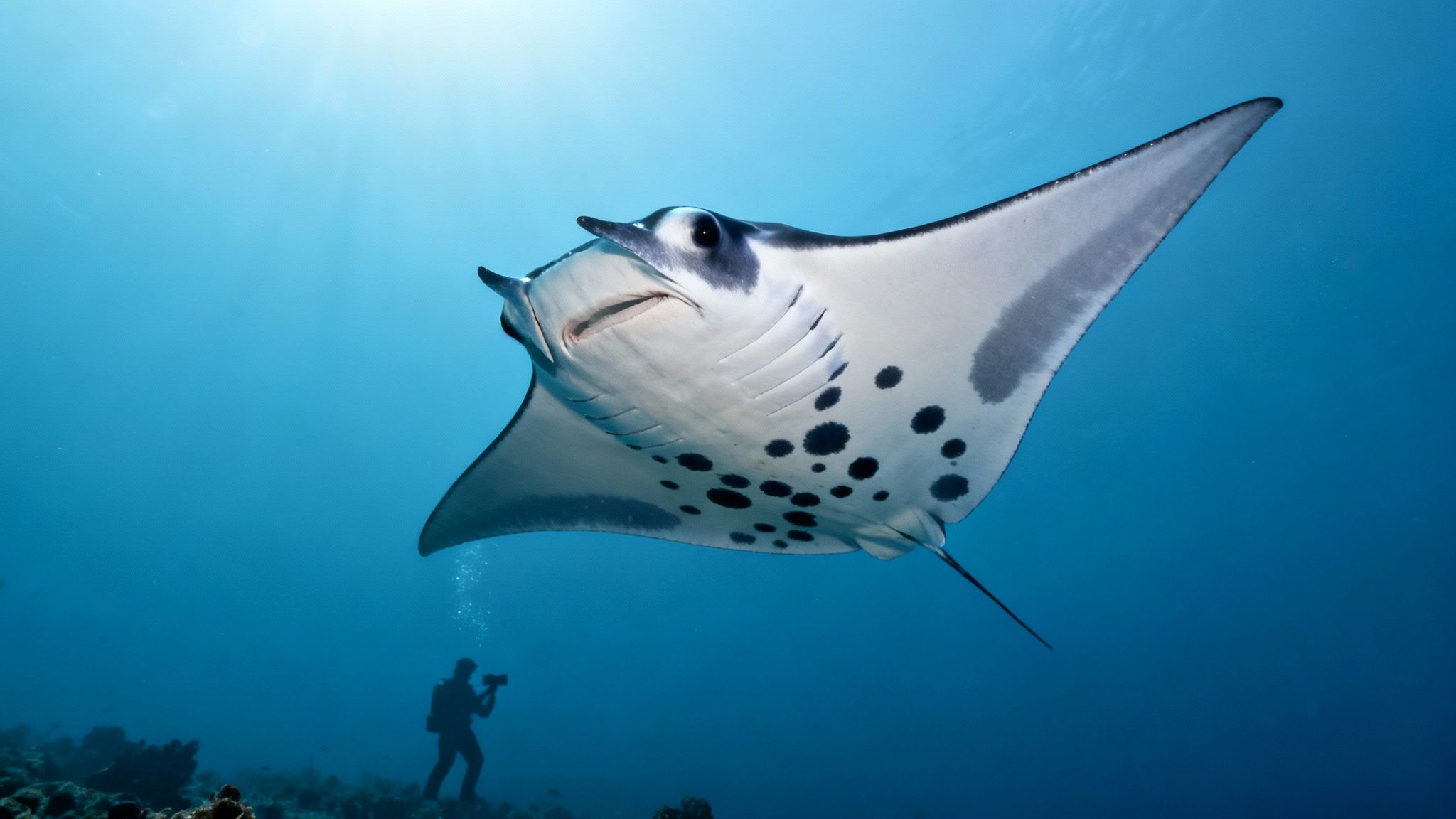
The real magic happens when your guide points out a specific manta ray and tells you its name and a bit of its history. This is where the guides at Kona Snorkel Trips really shine. They're experts in "mantalogy," often able to identify the rays you’re seeing just by the unique spot patterns on their undersides, which are as distinct as a human fingerprint.
Suddenly, you’re not just watching a manta ray; you’re watching 'Kailey,' who is known for her curious nature, or maybe 'Melainah,' one of the coast’s most frequently spotted residents. It’s this personal connection that makes the encounter so much more meaningful.
You’re not just an observer; you’re a guest being introduced to the neighborhood regulars. This personalized knowledge elevates the tour from a spectacular visual show to a rich, story-driven event.
Understanding that these are resident animals is the key to why Kona offers such consistently amazing sightings. This isn’t a migratory path where you have to cross your fingers and hope for good timing. The mantas are here every single night of the year, making any trip a potential night for an unforgettable encounter.
Why Kona is a World-Class Manta Destination
So what makes the manta ray snorkel in Kona so special? It's really a perfect storm of geography, biology, and a long history of responsible tourism that creates the ideal stage for these incredible underwater ballets.
Let's break it down.
| Factor | Why It Matters for Your Snorkel Trip |
|---|---|
| Resident Manta Population | Over 450+ mantas live here year-round, not just passing through. This ensures a high chance of sightings any night you go. |
| Plankton-Rich Waters | The natural food source, amplified by tour lights, creates a reliable nightly buffet that attracts mantas to the exact same spots. |
| Calm Coastal Geography | Kona's coast is sheltered from major ocean swells, providing calm and safe conditions ideal for night snorkeling. |
| Decades of Research | Guides can often identify individual mantas by name, adding a personal and educational layer to your tour that you won't find elsewhere. |
This unique combination ensures that your adventure is built on a foundation of reliability and deep respect for the animals. It’s what makes the Kona manta ray snorkel a truly exceptional experience found nowhere else on Earth.
How to Plan Your Perfect Manta Ray Trip
Ready to take the plunge? Great! Planning your Kona manta ray snorkel is actually pretty simple. With a bit of know-how, you can make sure your trip is every bit as magical as the mantas themselves. Let's walk through everything you need to know, from the best time to go to what you should pack.
One of the first questions on everyone's mind is, "When is the best time to go?" The fantastic news is that Kona’s manta rays are here all year. They’re residents, not migratory visitors, which means any night is a great night for a manta ray snorkel in Kona. The success rate for sightings stays incredibly high no matter the season, so you don't have to plan your entire vacation around it.
And what about the moon? Some people wonder if a full moon might affect the experience. While it definitely makes for a beautiful sky, it has almost no impact on the mantas. The powerful lights our boats use easily outshine the moon, creating that irresistible plankton buffet that draws the mantas in close.
Your Essential Packing Checklist
Packing for this adventure is a breeze, especially since top-notch operators provide all the main gear. At Kona Snorkel Trips, for instance, we’ve got you covered with high-quality snorkel masks, fins, and wetsuits to keep you perfectly comfortable in the nighttime ocean temps.
Here’s a quick list of what you should bring along:
- Swimsuit: The easiest thing to do is just wear it under your clothes to the harbor.
- Towel: You’ll definitely be glad you have one for drying off after the snorkel.
- Warm Jacket or Sweatshirt: Even on a balmy Hawaiian evening, the boat ride back can feel chilly once you're out of the water. A dry, warm layer is a game-changer.
- Waterproof Camera: An action camera like a GoPro is perfect for capturing the incredible underwater ballet.
- Gratuity for the Crew: If you have an amazing time, it’s customary to tip the hardworking guides and boat crew who made it happen.
For more detailed tips on what to wear for any water activity in Hawaii, check out our guide on what to wear for snorkeling.
Who Should Go on a Manta Ray Snorkel
We get a lot of questions about swimming ability and fitness levels. Here’s the deal: you absolutely do not need to be an expert swimmer to have an incredible time. This entire experience is designed to be accessible and low-exertion.
You’ll be holding onto a large, stable flotation board that’s equipped with bright lights. The goal isn't to swim around—it's to float comfortably and watch the show unfold right beneath you. If you're comfortable in the water, you'll be just fine.
Our crew is always in the water with you, making sure everyone feels safe and supported from the moment you get in until you get out. This makes the manta ray snorkel Kona tour a fantastic activity for families, couples, and solo adventurers alike.
Booking Your Adventure with Confidence
When you start looking into booking, you might see different options, including presale tickets. If you're trying to budget and plan, it's natural to ask, Are Presale Tickets Cheaper? Regardless of the deals you find, the most important thing is to book your spot in advance. These tours are one of the most popular things to do in Kona and they fill up fast.
For an experience that’s both exceptional and safe, we highly recommend booking with us at Kona Snorkel Trips. We’re serious about our small group sizes, expert guides, and the well-being of the mantas. It all adds up to a night you’ll never forget. You can book your adventure directly on our manta ray night snorkel tour page.
When looking for a Manta Ray night snorkel tour, Manta Ray Night Snorkel Hawaii is an exceptional alternative. By planning just a little bit ahead, you're setting yourself up for one of the most memorable wildlife encounters on the planet.
Ensuring a Safe and Eco-Friendly Encounter
Getting up close with majestic wildlife like manta rays is more than just a cool experience; it’s a privilege and a huge responsibility. The absolute magic of the manta ray snorkel kona tour hangs on a delicate balance of respect and safety, for both you and the mantas. It's all about making sure these incredible creatures are around for generations to come, and it’s the backbone of every reputable tour out here.
At the heart of it all is a simple code of conduct we call "Manta Etiquette." Just think of it like being a polite guest in someone else's home. These rules aren't just for show—they're vital for protecting the delicate mucus layer on a manta's skin, which is basically their immune system.
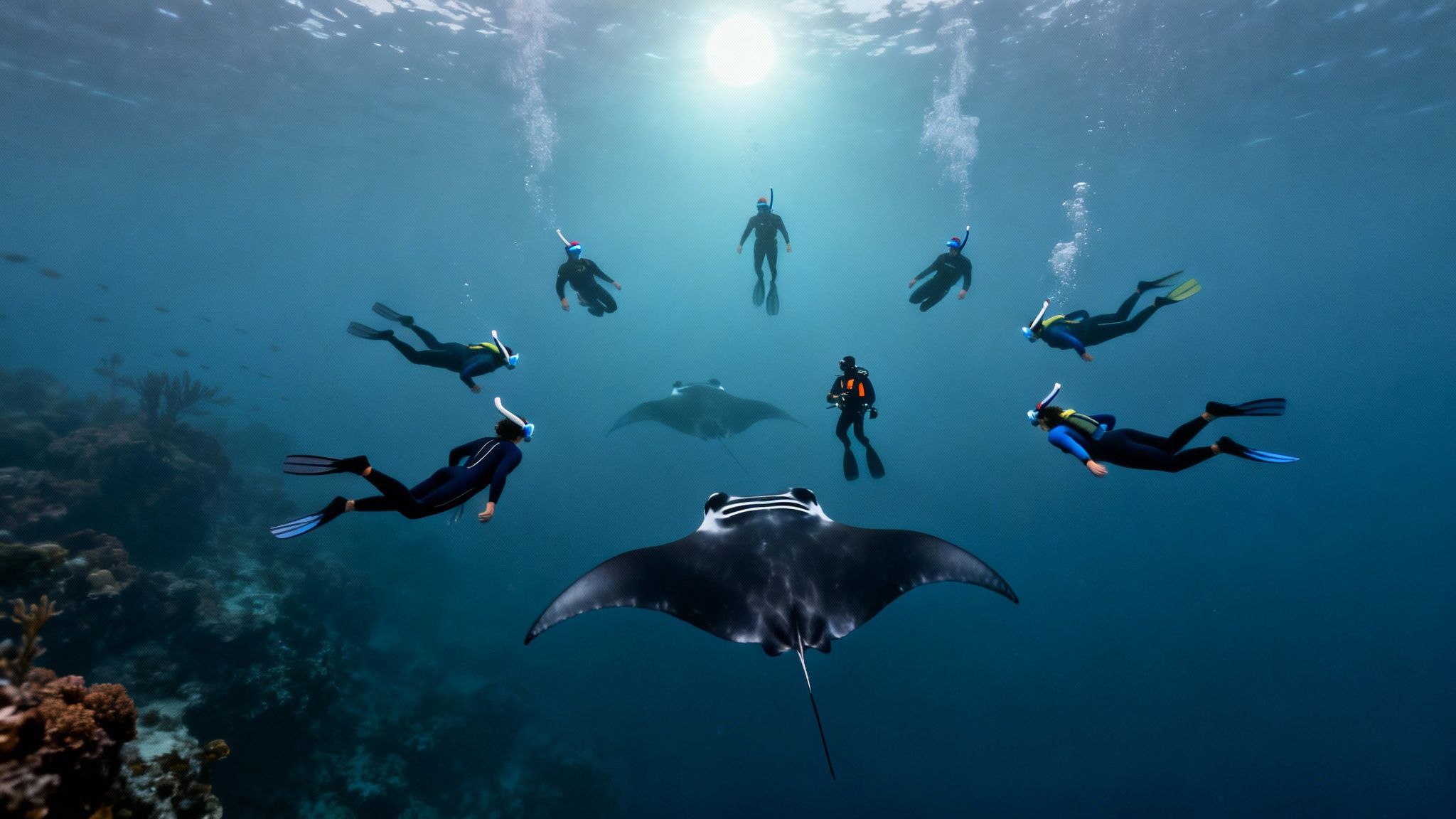
Mastering Manta Etiquette
The main idea couldn't be simpler: passive observation only. You’re there to watch the show, not become part of it. The mantas are in charge of the encounter, and our job is to let them do their thing.
Here are the golden rules you’ll hear about before you even dip a toe in the water:
- Look, Don't Touch: This is the big one. Touching a manta ray can strip off its protective slime coat, leaving it vulnerable to nasty infections. No matter how close they get—and they get really close—you have to resist the urge to reach out.
- No Chasing: Never, ever chase, pursue, or try to ride a manta ray. It stresses them out and interrupts their natural feeding patterns. Let them come and go as they please.
- Stay Horizontal: As a snorkeler, your job is to float on the surface, holding onto the light board. If you dive down into their "dining room," you could get in the way of their feeding loops.
- Let Them Approach You: The beauty of this experience is that the mantas will often glide right up to you on their own terms. If you stay still and calm, you create a safe, predictable space for them to do their incredible underwater ballet.
Operators like us at Kona Snorkel Trips are absolutely dedicated to these guidelines. We know that the long-term health of the manta population is what makes this all possible.
Safety Onboard and in the Water
Your safety is every bit as important as the mantas' well-being. A professional crew lives and breathes safety protocols from the moment you check in to the moment you’re back on the dock. Before leaving the harbor, you'll get a detailed safety briefing covering everything from using your gear to what to do in an emergency.
Once you're in the water, certified guides and safety divers are with you the entire time. They're your lifeguards, your manta experts, and your support system. They keep a constant eye on the conditions and make sure everyone feels secure. The custom flotation boards you hold onto not only attract the mantas but also give you a stable, secure place to hang out, so you can just relax and enjoy the spectacle. For a deeper dive into ocean safety, check out our essential snorkeling safety tips.
Beyond our tour, we always hope our guests think about their broader impact. This guide to eco-friendly marine adventures is a great resource for responsible tourism.
A Deeper Perspective for Certified Divers
While snorkeling gives you an incredible bird's-eye view of the feeding frenzy, certified scuba divers can get a totally different perspective. Divers get to hang out on the ocean floor, looking up as the mantas glide and barrel roll just inches above their heads.
For those seeking this underwater view, it’s crucial to go with a company that prioritizes both diver safety and manta conservation.
If you are a certified diver wanting to experience the manta ray night dive, we can't recommend Kona Honu Divers enough. They're celebrated as the top rated & most reviewed diving company in both Hawaii and the Pacific Ocean, which says a lot about their professionalism. You can learn more about their manta ray diving tour here.
Whether you choose to snorkel or dive, picking a responsible operator is the key to making sure your adventure helps protect Kona's amazing marine life.
Got Questions About the Manta Snorkel? We've Got Answers.
Even after you've decided to take the plunge, it’s totally normal to have a few questions buzzing around your head before you commit. An adventure like the manta ray night snorkel in Kona is a big deal, and we want you to feel completely confident and psyched for the experience.
We've heard just about every question in the book, so we’ve put together the answers to the ones that pop up most often. Think of this as your final check-in to clear up any last-minute jitters.
Are Manta Rays Dangerous?
This is hands-down the number one question we get, and I'm happy to report the answer is a big, resounding NO. There's a reason everyone calls them "gentle giants." Despite their incredible size—some have wingspans wider than a car—they are completely harmless to people.
It helps to know they're quite different from their cousins, the stingrays:
- No Stinger: Manta rays literally can't sting you. They don't have the sharp, venomous barb on their tail that stingrays are famous for.
- No Teeth: They are filter feeders. This means they glide through the water with their huge mouths open, filtering out microscopic plankton. They have no teeth for biting or chewing whatsoever.
The whole encounter is about passive observation. You float, they swim. As long as you follow the golden rule of never touching them, the experience is perfectly safe. Honestly, they're far too busy with their all-you-can-eat plankton buffet to care about the snorkelers watching from above.
Do I Need to Be a Strong Swimmer?
Not in the slightest. This is a huge misconception that sadly keeps some folks on the boat. The Kona manta ray snorkel is designed for just about everyone, regardless of your swimming skills.
Here’s why you don’t need to be Michael Phelps to enjoy it:
- You're Floating, Not Swimming: You'll spend all your time in the water holding onto a large, custom-made light board. These boards are incredibly buoyant and stable, so you just relax and let it do all the work.
- The Show is Beneath You: Your job is simple: float on the surface and watch the incredible underwater ballet. There's no need to kick or swim around—in fact, we ask you not to!
- Our Crew Has Your Back: Our expert guides are right there in the water with you, making sure everyone is comfortable and safe from start to finish. They’ll help you in, get you settled, and help you out when it's over.
If you can put your face in the water while wearing a mask, you've got all the skills you need for this adventure.
What Is the Best Time of Year to See Mantas in Kona?
Here's one of the best parts about planning this trip: there is no "best time" to go because every time is a great time! Unlike whale watching or other wildlife tours that are strictly seasonal, Kona's manta rays are here all year long.
Our local reef mantas are residents, not tourists. They live along the Kona coast 365 days a year, thanks to the consistent supply of plankton in our warm, protected waters. This means the sighting success rate stays ridiculously high—often over 90%—whether you join us in July or December.
The sheer consistency of sightings is what makes Kona the undisputed Manta Ray Capital of the World. You can book your trip for any time of year and feel confident you’re going to see these amazing animals.
So, the best time to see mantas is simply whenever you can get yourself to the Big Island.
What Happens If No Mantas Appear?
While it’s incredibly rare for the mantas to skip their nightly dinner party, we are dealing with wild animals in their natural home. And nature can be unpredictable. On very, very rare occasions, the conditions just aren't right, and the mantas don't show up.
So, what then? Any reputable tour operator knows this is a possibility and has a "manta guarantee" in place. They want you to have a great experience, not a disappointing one.
With a top-rated company like Kona Snorkel Trips, if your tour doesn't have a manta sighting, you'll get a voucher to come back and try again on another night for free (based on availability). This policy shows how confident we are in our success rate and how committed we are to our guests. It’s always a good idea to book your manta snorkel early in your vacation, just in case you need to use that second-chance offer. It’s peace of mind for a once-in-a-lifetime adventure.
Ready to witness the underwater ballet for yourself? At Kona Snorkel Trips, we're all about providing a safe, respectful, and absolutely unforgettable manta ray experience. Come see what all the fuss is about.