
Manta Ray Snorkel Kona Your Complete Guide to a Magical Night Swim
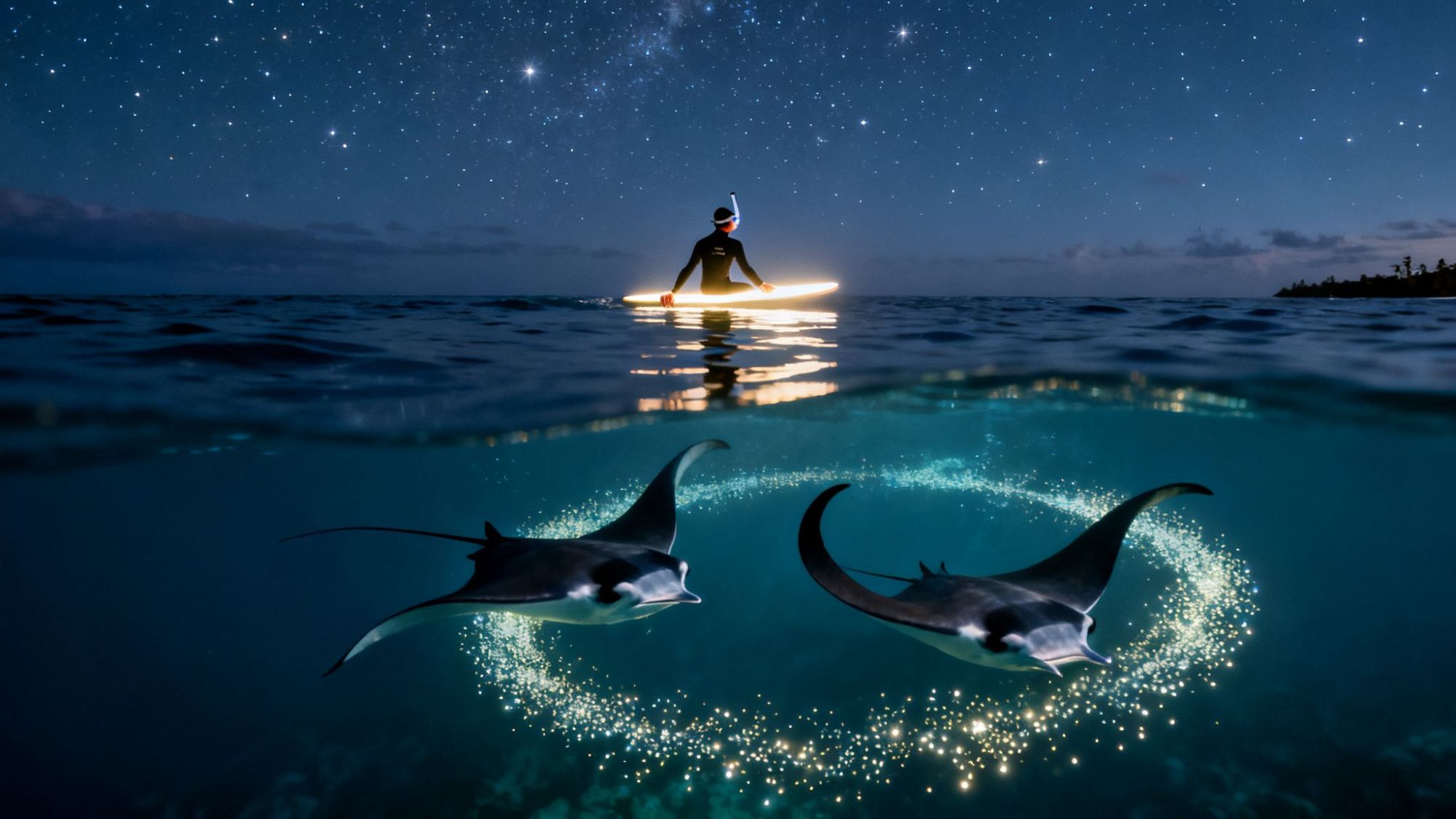
Picture this: you're floating weightlessly in the warm Pacific, the Hawaiian stars scattered like diamonds across the sky above. Just below, magnificent manta rays glide and dance through beams of light in an underwater ballet. This isn't a dream; it's the very real magic of a manta ray snorkel in Kona.
Your Unforgettable Kona Manta Ray Snorkel Awaits
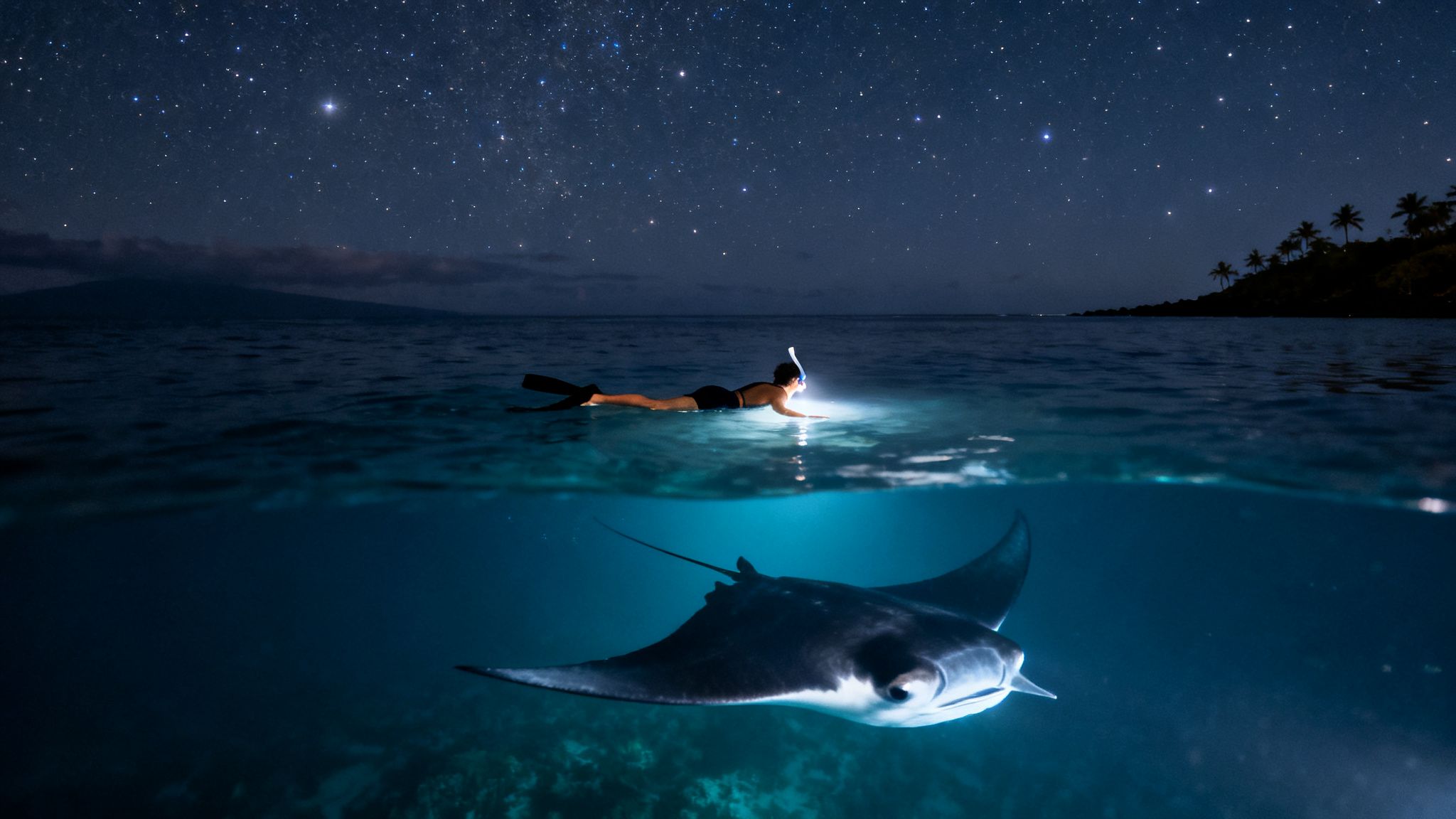
This guide is your inside look at one of the world's most breathtaking wildlife encounters. We’ll show you exactly why Kona Snorkel Trips, as the top rated & most reviewed snorkel company in Hawaii, is the perfect crew to lead this adventure. Don't just take our word for it—see what fellow travelers have to say.
We're covering everything you need to know to check this incredible experience off your bucket list. This isn't just about watching marine life; it’s about feeling a profound connection to the ocean as these gentle giants perform around you. While you're exploring options, it's worth noting that Manta Ray Night Snorkel Hawaii also runs some exceptional tours.
A World-Class Wildlife Encounter
The Big Island has a unique spectacle that pulls in people from all over the globe. Each year, around 80,000 adventurous souls take the plunge, making manta ray snorkeling a cornerstone of Kona’s eco-tourism scene. And this isn't just hype; operators like us see sighting success rates of 80-90% year-round. That’s a world away from many other marine tours where a good sighting is a roll of the dice. You can read more about what makes this unforgettable underwater adventure so special right here.
This isn't just another snorkeling trip; it's a front-row seat to one of nature's most graceful performances, an experience that stays with you long after you've dried off.
The real magic happens after the sun goes down, creating a calm, focused atmosphere you just can't get during the day. We’ll walk you through the whole thing, from what makes Kona the world’s manta capital to getting you prepped for your own adventure. Ready to dive into this magical world? Your Manta Ray Snorkel Kona tour is waiting.
How the Manta Ray Night Snorkel Actually Works
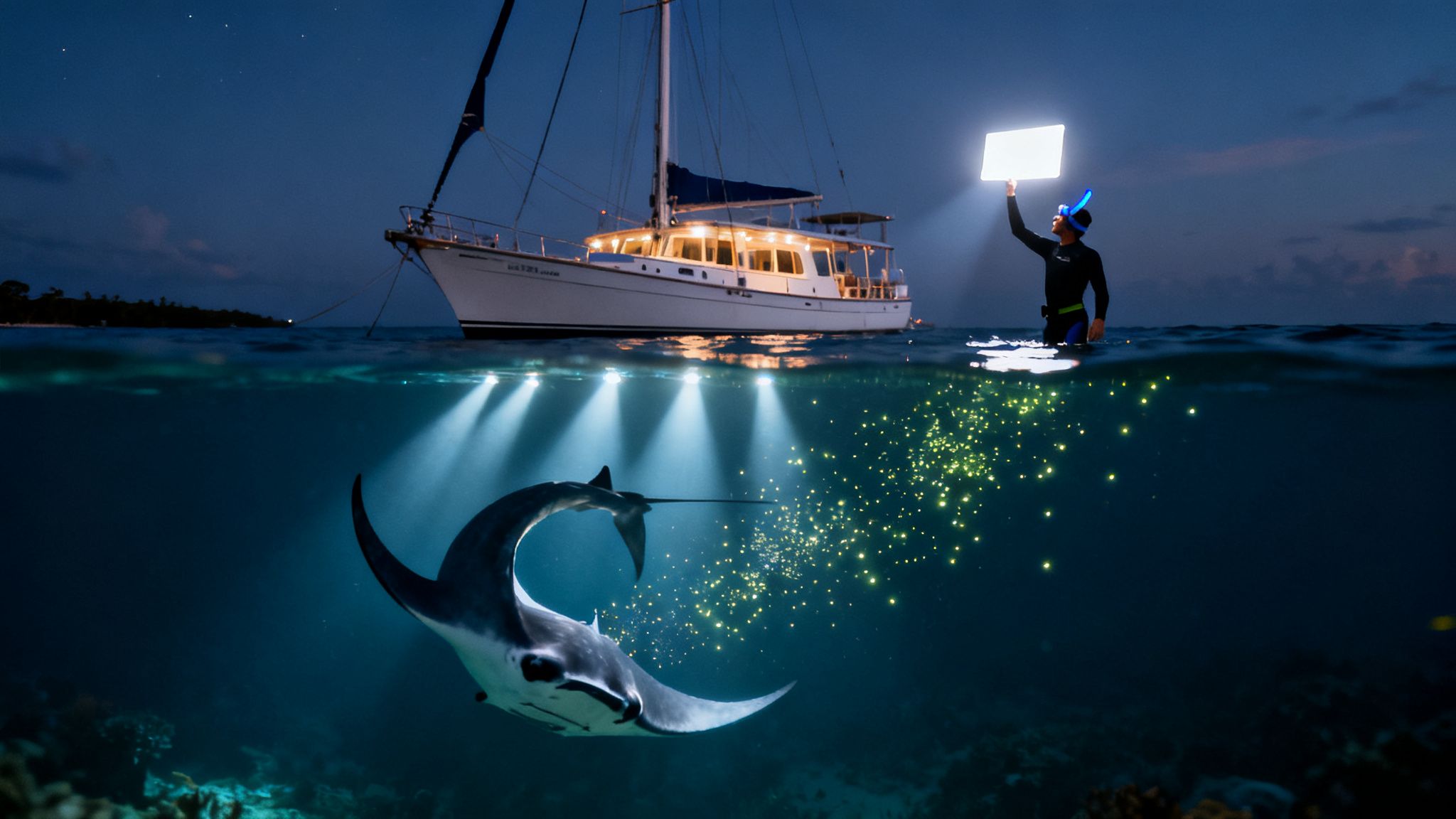
So how do we turn a patch of dark ocean into an underwater ballroom where you're the guest of honor? The whole setup for the manta ray snorkel Kona experience is brilliantly simple, but it works like a charm every time. It’s all about creating the perfect conditions to bring these gentle giants right to you.
Once the sun dips below the horizon, we head out to specific spots we know the mantas love to frequent. After anchoring, our crew lowers powerful, eco-friendly lights into the water. Think of these lights as a giant dinner bell ringing through the ocean.
The Science of the Spectacle
Those bright beams cut through the darkness and attract swarms of tiny organisms called plankton—the mantas' absolute favorite meal. This creates a concentrated, irresistible buffet in one spot. It’s a completely natural phenomenon, just given a little nudge with some human ingenuity.
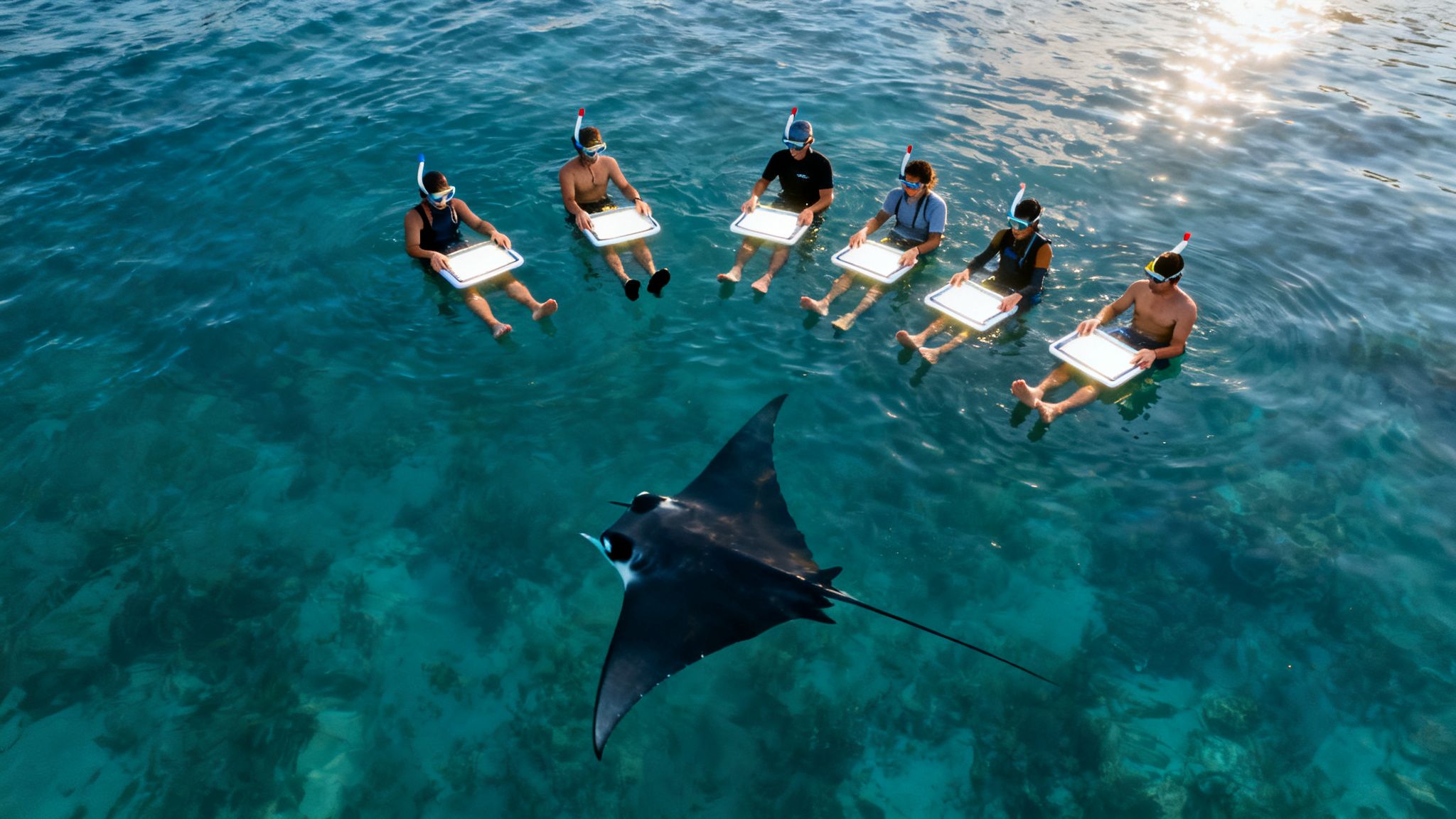
When you slip into the water, you'll float comfortably at the surface while holding onto a custom light board. This isn't just any old floaty; it's designed to keep you stable and secure while shining its own lights down, adding even more plankton to the party. This gives you a perfect, front-row seat from above as the mantas arrive for dinner.
This experience is a world away from a typical daytime swim. Instead of you searching for marine life, you become a calm, floating beacon, and the ocean’s most graceful creatures come directly to you.
Witnessing the Underwater Ballet
As the plankton gathers, the mantas begin their feast, and you'll get to see their famous "barrel roll" up close. They perform this graceful, looping maneuver to scoop up as much plankton-filled water as they can. They glide effortlessly through the light beams, sometimes coming within inches of you, creating a spectacle that will truly take your breath away.
You might be surprised by just how smart and curious they are. While we have a strict no-touching policy to protect their delicate skin, their sheer proximity creates a connection you can feel. If you're curious to learn more about these incredible animals, check out these fun facts about manta rays.
The whole encounter feels like a beautifully choreographed performance starring light, plankton, and mantas. It's a carefully managed process that ensures an incredibly high success rate and an adventure that is both wild and wonderfully organized.
Why Kona Is the World's Manta Ray Capital
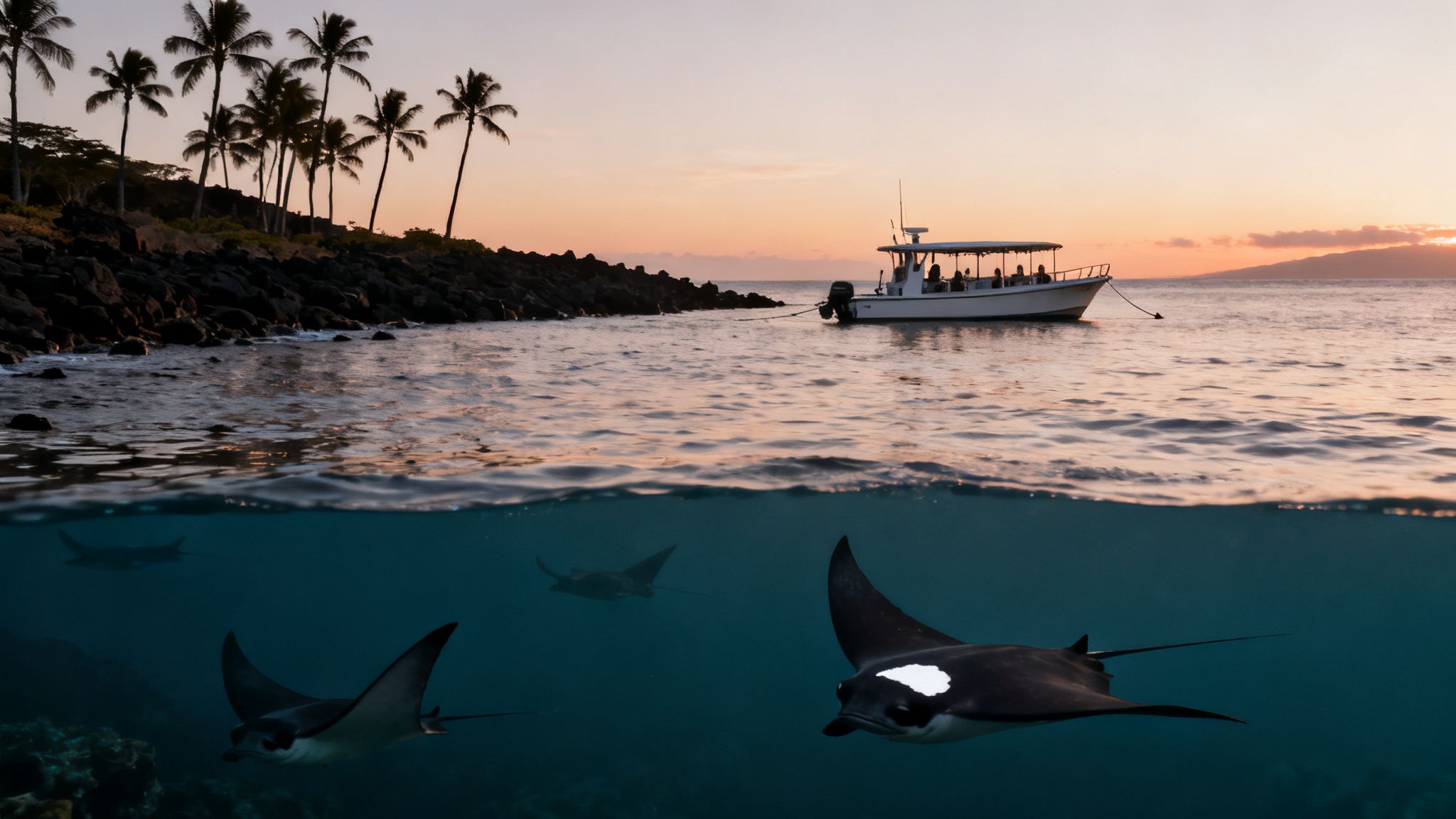
Let’s be clear: Kona isn't just another nice place to see manta rays. It's hands-down the most reliable, spectacular, and accessible spot on the entire planet for this kind of encounter. What's our secret? A massive, resident population of reef manta rays that have decided to call these waters home, year-round.
Many other places in the world have migratory populations—you might get lucky, you might not. Here in Kona, the mantas stick around. This incredible consistency has allowed us to create world-famous viewing sites where the manta ray snorkel Kona experience is less of a gamble and more of a guaranteed adventure.
The Perfect Manta Environment
Over decades, a unique and beautiful relationship has formed. The local mantas have learned that the lights from our tour boats attract a concentrated buffet of plankton, their favorite food. It's a classic win-win. They get a reliable meal, and we get to witness their incredible underwater ballet.
This special conditioning results in sighting success rates that often soar above 90%—a number that's almost unheard of in the world of wildlife tourism.
Two main locations have become the "stages" for this nightly show:
- Manta Village: Just off the coast of Keauhou Bay, this spot has a shallow, sandy bottom. It's perfect for snorkelers, giving you a front-row seat from the surface as the mantas feed below.
- Manta Heaven: A little further north near the airport, this site is famous for its crystal-clear visibility and often hosts even bigger groups of mantas.
Because the mantas' behavior is so predictable, our expert guides know exactly where to go to put you in the best possible position for an unforgettable night.
Think of it this way: In most places, you have to go searching for wildlife. In Kona, we’ve created a safe, respectful "dinner table," and the mantas come to us.
The local manta population isn't just a guess, either. Researchers have been meticulously tracking them for years. Current estimates put the local reef manta count at over 450 individuals, with more than 120 different rays identified along the coast each year. In fact, the top 20 most frequent visitors account for nearly 60% of all sightings! That’s how loyal they are to Kona's plankton-rich waters. You can dive deeper into the science behind this amazing population on our blog.
Manta Ray Snorkel Kona vs. Other Global Hotspots
Wondering how Kona stacks up against other famous manta destinations? While places like the Maldives or Indonesia are beautiful, they simply can't match Kona's consistency and accessibility. Here’s a quick breakdown:
| Feature | Kona, Hawaii | Other Global Hotspots (e.g., Maldives, Indonesia) |
|---|---|---|
| Sighting Reliability | Over 90% success rate year-round. | Highly seasonal and dependent on migratory patterns. |
| Accessibility | Easy, guided night snorkels just minutes from shore. | Often requires multi-day liveaboard trips to remote atolls. |
| Manta Behavior | Mantas are conditioned to come to specific sites. | Encounters are based on chance, often in open ocean. |
| Conditions | Calm, protected bays with established viewing sites. | Can involve strong currents and unpredictable open ocean conditions. |
| Population Type | Large, resident population that stays all year. | Migratory populations that are only present for a few months. |
The takeaway is simple: if you want the absolute best chance of a truly mind-blowing manta ray encounter in a safe and accessible environment, Kona is the undisputed champion.
Getting a Different Perspective
While snorkeling gives you an amazing "bird's-eye view" of the manta ballet, certified scuba divers can experience the show from a completely different angle. If you're looking to get down on the seafloor and watch them glide right over your head, our friends at Kona Honu Divers run an exceptional manta ray diving tour. As the top rated & most reviewed diving company in both Hawaii and the Pacific Ocean, they offer a world-class experience for divers who want to see the spectacle from below.
Getting Ready for Your Manta Ray Snorkel
A little bit of prep work makes a world of difference when you're heading out for a night snorkel with manta rays. Getting these simple things sorted out beforehand means you can just relax and soak in the magic once we're on the water.
The good news? It's easy to get ready. The most important thing is to show up wearing your swimsuit under your clothes. It just makes everything faster and simpler when it’s time to get into your wetsuit on the boat.
What You Should Bring
We’ve got all the big gear covered, but a few personal items will make your trip that much more comfortable. Just pack a small bag with the essentials.
- A Towel: You’ll definitely want this for drying off after your swim.
- Warm, Dry Clothes: This is a big one. A sweatshirt or a windbreaker is key for the ride back to the harbor. It can get surprisingly chilly on the water at night after you've been swimming.
- Reusable Water Bottle: Always a good idea to stay hydrated.
- Motion Sickness Meds: If you even think you might get seasick, it’s best to take something before we leave the dock. Just follow the directions on the package.
For a few more ideas, check out our guide on what to wear for snorkeling. A lot of the tips there apply to this trip, too.
What We Provide for You
Don't worry about buying or renting any special equipment; we provide everything you need for a safe and incredible night. Our gear is top-notch.
We'll fit you with a professional-grade snorkel mask and fins for a crystal-clear view and easy kicking. More importantly, we provide warm, snug wetsuits. These do more than just keep you warm in the cooler night water—they also give you extra buoyancy, making it effortless to float at the surface.
The real star of our setup is the custom-built, floating light board. You just hold on, and it does the rest. It’s so stable and buoyant that even non-swimmers or folks who aren't super confident in the water can hang out comfortably and enjoy the show right alongside everyone else.
Your Safety Briefing
Before we even pull away from the dock, our guides run through a complete safety briefing. This isn't just a formality—it's where we walk you through everything, from how to use your mask to the best way to interact with the mantas respectfully.
Our crew is there to make sure you feel totally confident and secure before you even touch the water. We’ll cover all the procedures, answer every last question, and get you primed for an absolutely perfect night.
Now that you know how to prepare, booking your spot on this unforgettable adventure is the easy part.
Practicing Safe and Respectful Manta Ray Etiquette
Sharing the water with Kona's gentle giants is an absolute privilege, but it’s a two-way street. We have a serious responsibility to make sure these incredible animals are safe and comfortable. The future of this amazing local manta population really does depend on every single person practicing safe and respectful etiquette on their manta ray snorkel kona tour.
The number one rule is passive interaction. Just think of yourself as a quiet guest in their underwater home—you're there to watch the magic happen, not become part of the show. This means absolutely no touching, chasing, or trying to ride the manta rays. Ever.
Why Manta Etiquette is a Big Deal
So, why are we so strict about this? Manta rays have a delicate, slimy coating on their skin. It’s not gross; it’s a crucial protective layer that acts like a shield against harmful bacteria. When a person touches them, even with the lightest brush, it can strip away that mucus and leave them wide open to nasty infections.
Giving the mantas plenty of space also ensures they feel safe enough to keep coming back to these feeding sites. When they aren't stressed, they perform that beautiful, looping ballet that makes this experience so unforgettable. By being a respectful observer, you're playing a direct role in keeping this world-class wildlife encounter sustainable for years to come.
The goal is to be a silent, floating observer. When you stay calm and still, you allow the mantas to get incredibly close on their own terms. That's when the truly breathtaking, authentic interactions happen.
For a broader look at staying safe in the ocean, it's always a good idea to review our essential snorkeling safety tips.
Key Guidelines for Your Snorkel
Any reputable tour operator like Kona Snorkel Trips will have a clear set of guidelines, and we take them seriously. Your guide will walk you through everything in the safety briefing, but here are the basics you need to know:
- Stay on the Surface: Your job is to float horizontally, holding onto the light board. Don't dive down toward the mantas. It can disrupt their feeding paths and scare them off.
- Keep Hands and Feet Out: Keep your hands on the board and let your legs float naturally behind you. Kicking your feet or dangling your arms could lead to an accidental bump with a passing ray.
- Secure Your Gear: Make sure your camera, lanyard, or anything else you have is tucked in tight and not dangling below you.
- Let Them Come to You: This is the most important one. Never swim toward a manta ray. The most mind-blowing encounters happen when you just float and let their natural curiosity bring them right up to you.
Following these simple rules is how we all work together to protect Kona's precious manta population for generations to come.
Common Questions About Manta Ray Snorkeling in Kona
Even with all the excitement, it's totally normal to have a few questions before you dive into a manta ray snorkel Kona adventure. We get these all the time, so we’ve put together some straightforward answers to the most common queries.
Our goal is to get you feeling comfortable and completely prepared for the magic. From safety to what happens on a rare "no-show" night, we've got you covered.
Is the Manta Ray Snorkel Safe for Beginners and Children?
Absolutely! This is one of our favorite things about the tour—it's designed from the ground up to be safe and fun for everyone, from seasoned snorkelers to first-timers and kids. It makes for an incredible family memory. You definitely don’t need to be an Olympic swimmer.
The whole experience centers around a large, custom-made light board. You simply float on the surface and hold on, and the board provides all the stability you need. The wetsuits we give you add extra buoyancy too, so you'll float effortlessly. Plus, our guides run through a detailed safety briefing before anyone even touches the water, making sure everyone feels secure.
What Is the Best Time of Year to Go?
Here’s the amazing thing about the Kona mantas: it’s a year-round spectacle. So many wildlife encounters are seasonal, but Kona’s resident manta population means any time is a great time to go. They show up for dinner every single night.
We see an incredible 80-90% success rate all year long. Sure, the ocean can be a little calmer and glassier in the summer months, but the mantas are consistently here. That kind of reliability makes it easy to schedule this can't-miss experience into your Big Island vacation, no matter when you’re visiting.
What Happens if We Do Not See Any Manta Rays?
This is a great question, and it's important to remember we're dealing with wild animals. While the sightings are amazingly consistent, nature is beautifully unpredictable. On very rare nights, the mantas just might decide to dine elsewhere.
A good, reputable company like Kona Snorkel Trips has your back. We have a "manta guarantee"—if your group doesn't see a single manta, you can come back and try again another night for free, based on availability. It’s always smart to double-check the specific policy when you book, but we stand by our tours.
Can I Bring My Own Underwater Camera?
Of course! Bringing a GoPro or another underwater camera is a fantastic way to capture the memories and share this mind-blowing experience with friends and family.
Just keep a few simple rules in mind to keep the mantas safe and comfortable.
- No Flash Photography: Sudden, bright flashes can startle the mantas. Please make sure the flash is turned off.
- Keep It Close: Please don't extend your camera way down into the water on a long selfie stick. It's really important to keep all your gear out of the mantas' flight path.
- Relax and Enjoy: Honestly, sometimes the best camera is your own eyes. Many tours, including ours, have a pro videographer in the water. You can often purchase their incredible footage afterward, which frees you up to just be in the moment and soak it all in without fiddling with a camera.
Hopefully, these answers clear things up and get you even more excited for what's to come. It's all about enjoying the pure wonder of swimming alongside these gentle giants.
An unforgettable underwater ballet is waiting for you. Book your adventure with Kona Snorkel Trips today and get ready for a night you'll be talking about for years.