
Manta ray night snorkel kona: Your Ultimate Kona Wildlife Guide
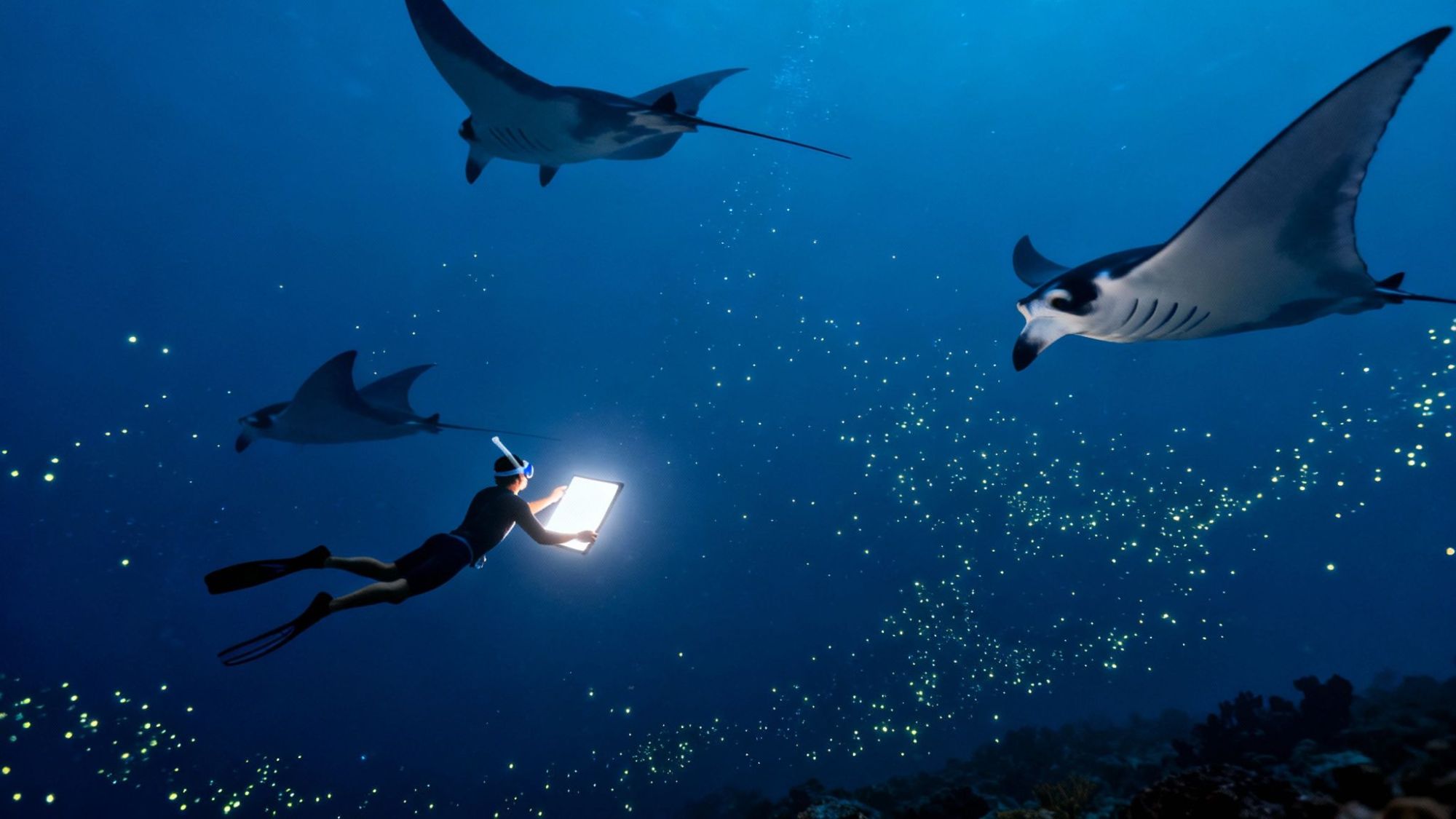
Imagine this: you're floating in the calm, dark Pacific waters off the Kona coast. Suddenly, a magnificent manta ray with a wingspan stretching over 12 feet glides silently, just inches below you. This isn't a scene from a nature documentary—it's the very real, breathtaking experience that has made the manta ray night snorkel in Kona famous around the globe.
We're here to show you how to be a part of this unforgettable encounter.
Experience Kona's World-Famous Manta Ray Ballet
As Hawaii's highest-rated and most reviewed snorkel company, Kona Snorkel Trips is here to guide you through every detail, ensuring your adventure is safe, magical, and truly a once-in-a-lifetime memory. The reviews below show why travelers trust us to deliver an exceptional experience.
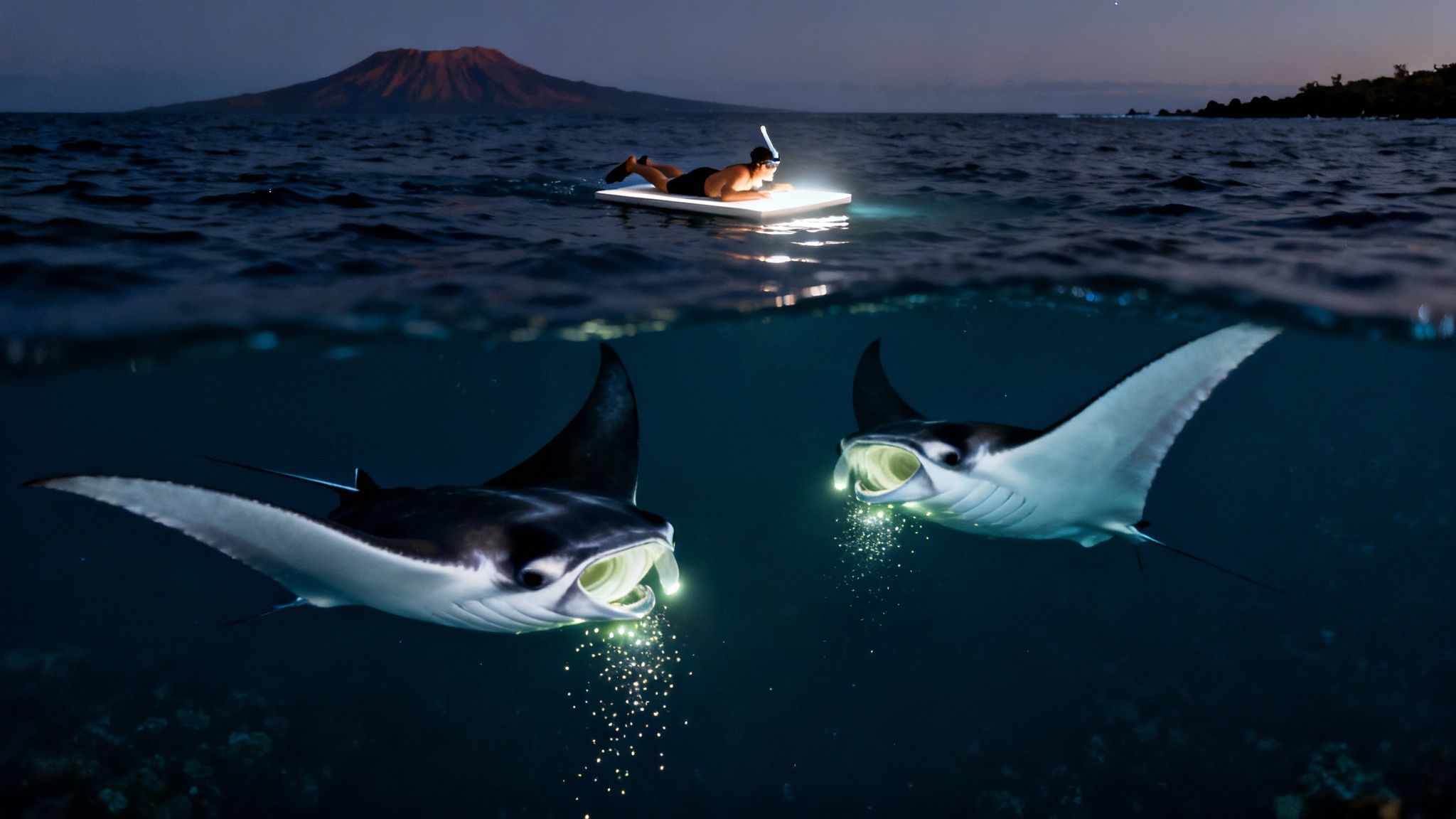
The manta ray night snorkel in Kona is consistently ranked as one of the top wildlife encounters on the planet. It's an incredible blend of natural wonder and responsible ecotourism, allowing you to witness these gentle giants in their natural feeding habitat without disturbing them.
The whole adventure kicks off just after sunset. Tour boats head out to specific locations known as reliable manta feeding grounds, where we use powerful, eco-friendly lights to attract swarms of plankton—the manta rays' favorite meal.
What happens next is pure magic.
The Underwater Spectacle
You'll float comfortably on the surface, holding onto a custom-designed light board that illuminates the water beneath you. As the plankton gather in the light, the manta rays emerge from the darkness. They perform graceful barrel rolls and somersaults to scoop up their dinner, their movements so fluid and mesmerizing it's like watching a silent underwater ballet.
And the best part? This experience is accessible to almost everyone, no matter your swimming ability.
- Safety and Comfort: You're always supported by a flotation board, and we provide wetsuits to keep you warm in the evening water.
- Up-Close Encounters: The mantas often come within inches of the light boards, offering an unparalleled close-up view you can't get anywhere else.
- Expert Guidance: Our knowledgeable guides are in the water with you, ensuring a safe and educational experience while sharing fascinating facts about manta biology and conservation.
The feeling of a 1,000-pound animal gliding silently beneath you is profoundly humbling. It’s a powerful reminder of the ocean's majesty and our connection to the incredible creatures that call it home.
Choosing the right tour is crucial for making the most of this incredible opportunity. For an intimate and highly-rated adventure, consider booking the official manta ray night snorkel Kona tour. It's an evening you will never, ever forget.
Why Kona Is the Global Hotspot for Manta Rays
Ever wonder what makes Kona the undisputed champion for manta ray encounters? It’s not just luck. It's a perfect storm of unique geology, a bit of biology, and some clever human ingenuity that you won't find anywhere else on the planet. The secret is baked right into the Big Island’s volcanic DNA, creating the ideal hangout for a massive, year-round manta population.
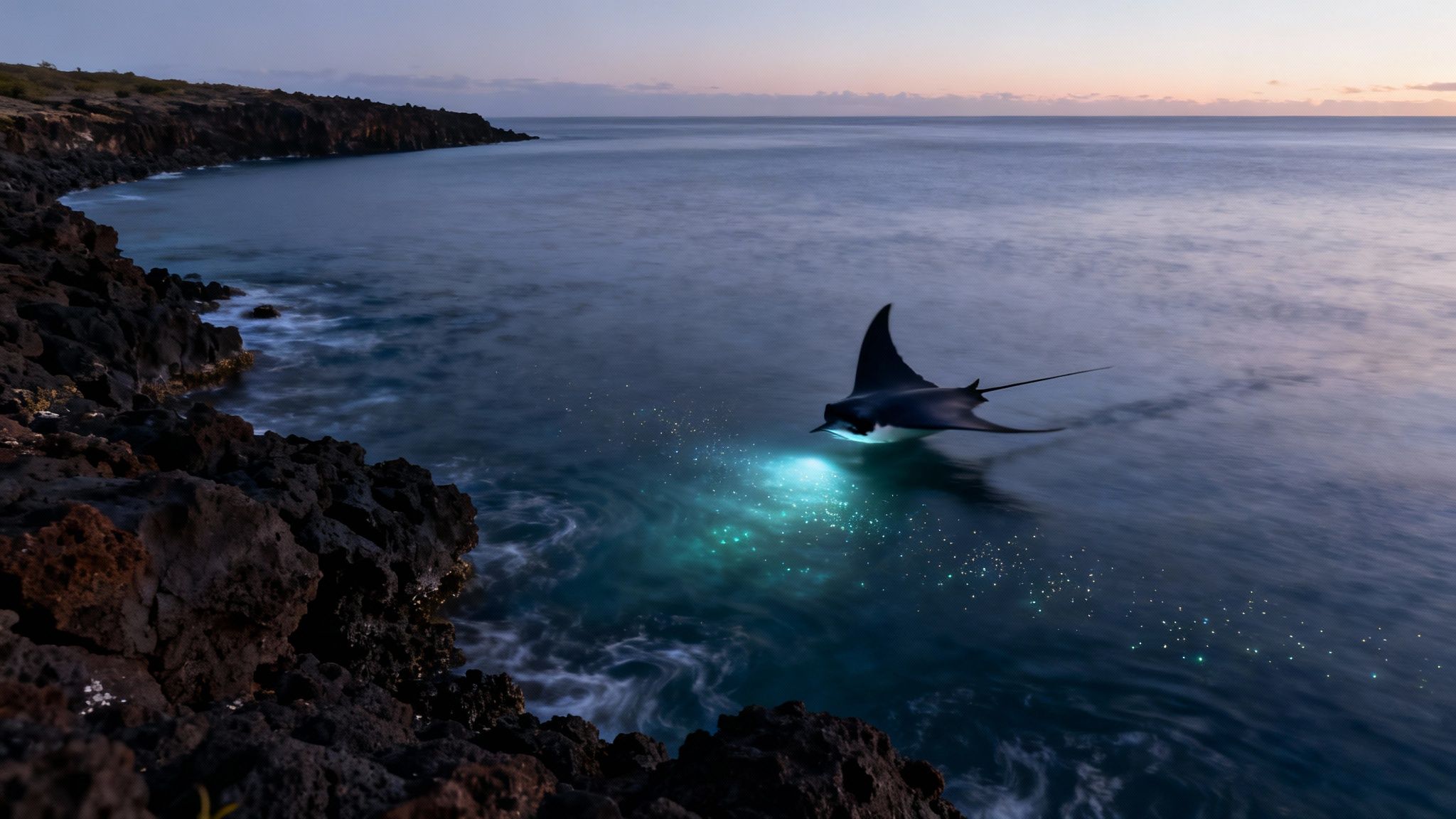
The island’s dramatic, volcanic coastline is the first piece of the puzzle. It creates these incredible nutrient-rich upwellings that trigger a nightly explosion of plankton—the mantas' absolute favorite meal. Think of it as a dinner bell that rings every single evening, drawing these gentle giants to the same spots with clockwork reliability.
The Science of the Underwater Buffet
For decades, local tour operators have figured out how to amplify this natural phenomenon. By shining powerful lights into the water after sunset, they create a super-concentration of plankton, turning a natural feeding ground into a five-star underwater buffet. It's a simple but brilliant method that lies at the heart of the manta ray night snorkel Kona experience.
This symbiotic relationship—lights, plankton, and mantas—is what led to world-famous snorkel sites like 'Manta Village' and 'Manta Heaven.' These aren't just clever names; they’re spots where you’re almost guaranteed an unforgettable encounter.
The local reef manta rays (Mobula alfredi), which can have wingspans averaging 12 feet, are drawn to the nightly plankton blooms like moths to a flame. When tour operators deploy their light boards, it’s showtime. You get a front-row seat to their incredible somersaulting feeding displays. It’s no wonder that researchers have identified and logged over 250 unique individuals here, including local legends like 'Big Bertha'!
A Resident Population Unlike Any Other
Here’s the real kicker: unlike a lot of other big marine animals, Kona's manta rays don't really migrate. They're true locals, spending their entire lives in the warm, protected waters right off the coast. This is a huge reason why the experience is so consistent and dependable.
What makes Kona's mantas so special?
- Unique Spot Patterns: Every single manta has a unique pattern of black spots on its belly, just like a human fingerprint. This allows guides and researchers to identify them by name and track them over the years.
- Familiar Faces: Don’t be surprised if your guide points out a specific manta by name. Many of them are well-known individuals with documented histories, which adds a really personal touch to the whole experience.
- Year-Round Presence: Since they stick around all year, you have an excellent chance of seeing them any night you go out, no matter the season.
This is what makes Kona truly different. You're not just hoping to catch a fleeting glimpse of an animal passing through. You're visiting the home of a thriving, well-studied community of gentle giants. If you want to dive deeper into their world, check out some more fun facts about manta rays.
Choosing the Right Manta Ray Snorkel Tour for You
Picking the right manta ray night snorkel Kona tour can feel like a big deal, especially with so many operators along the coast. It really boils down to finding an experience that matches what you're comfortable with and what you hope to see. Getting this choice right is the difference between a good night and an absolutely unforgettable one.
The tour operator you go with sets the tone for the whole adventure. Some companies pack you onto large boats, which can feel a bit crowded. Others focus on a more personal, small-group vibe.
If you’re looking for a more intimate encounter, a small-group tour like the ones from Kona Snorkel Trips is the way to go. You get more space in the water and more one-on-one time with the guides. For those shopping around, Manta Ray Night Snorkel Hawaii is another fantastic alternative worth checking out.
What to Look For in a Tour
When you're comparing companies, it’s easy to just look at the price. But the real value is in the details of the experience they offer. A few key things can completely change your night.
First up, group size. A smaller group almost always means a more peaceful and personal time with the mantas. You'll have more room to float and a better chance to chat with your guides, who are walking encyclopedias of marine life knowledge.
Next, think about their commitment to safety and the environment. Top-tier operators have squeaky-clean safety records and give you a thorough briefing before you even get near the water. They'll also be sticklers about the "no-touch" rule to protect the mantas' delicate skin. This isn't just about rules; it's about making sure this incredible natural wonder is around for years to come.
Success Rates and Snorkel Spots
Not all snorkel sites are created equal, and where you go can shape your experience. The premier spots, like Manta Village, are famous for their sky-high success rates. We're talking operators reporting mantas on up to 96% of their trips, often seeing an average of four mantas per night.
The conditions at these main sites are typically calm and shallow, making them perfect for families or anyone new to snorkeling. This amazing ecotourism attraction does more than just create memories; it helps fund global conservation. And it's working—Hawaii's reefs support one of the healthiest manta populations on the planet. To really get a feel for what makes these spots tick, you can dive deeper into Kona's manta ray ecosystem.
Choosing an operator dedicated to responsible tourism doesn't just give you a better experience; it actively contributes to the health and preservation of Kona's precious manta ray population for future generations.
Finally, check what’s included in the price.
- Do they provide good-quality wetsuits that actually fit?
- Is the snorkel gear well-maintained?
- Will you have flotation devices?
- Are there snacks and drinks to warm you up after the snorkel?
These little things add up and make a huge difference in your comfort and overall enjoyment.
To make this decision a little easier, here’s a quick-glance table to help you compare your options.
How to Choose Your Manta Ray Snorkel Operator
| Feature | What to Look For | Why It Matters |
|---|---|---|
| Group Size | Small groups (6-12 people) are ideal. Ask about the boat's maximum capacity. | A smaller group means less crowding, more personalized attention from guides, and a calmer, more intimate manta encounter. |
| Safety Record | Look for excellent reviews mentioning safety, certified guides, and clear pre-snorkel briefings. | Your safety is paramount. A professional operator prioritizes clear instructions, proper equipment, and in-water supervision. |
| Eco-Friendly Practices | The operator should strictly enforce a "no-touching" policy and be Manta Ray Green Listed. | Responsible tourism protects the mantas' delicate ecosystem and ensures this incredible experience exists for future generations. |
| Gear Quality | High-quality, well-maintained wetsuits (proper thickness for warmth), masks, snorkels, and flotation devices. | Leaky masks or thin wetsuits can ruin the experience. Good gear keeps you comfortable, warm, and focused on the mantas. |
| Location & Success Rate | Tours going to prime spots like Manta Village or Manta Heaven often have a 90%+ success rate. | While sightings are never guaranteed with wild animals, going to a proven location dramatically increases your chances of a great night. |
| Inclusions | Check if snacks, hot drinks, and photos/videos are included in the price. | Little extras like hot cocoa after a cool night snorkel and photo packages to remember the moment can really enhance the trip. |
Weighing these factors will help you confidently book an operator that makes your manta ray night snorkel Kona adventure safe, respectful, and truly magical.
How to Prepare for Your Night Snorkel Adventure
A little prep work can make the difference between a good trip and a truly unforgettable one. Walking onto the boat for your manta ray night snorkel in Kona feeling ready and relaxed is easy, and we've got a few tips from our own experience to get you there. We'll cover everything from what to pack to what to expect in the water.

Let's start by tackling a couple of common worries we hear from first-timers. Are you concerned about your swimming skills or being in the ocean after dark? You can set those fears aside right now.
This entire experience is designed for pretty much everyone. You'll be holding onto a custom-made, floating light board the whole time, which provides all the buoyancy you need. There's no real swimming involved—you just float and watch the incredible show unfolding right below you.
And as for the darkness? The powerful underwater lights attached to the board create a brilliantly lit stage. This glowing circle of light not only attracts the plankton that the mantas come to eat, but it also gives you fantastic visibility. You'll feel perfectly secure and see every single graceful movement.
Your Essential Packing Checklist
Packing smart is all about comfort. The evening air on the water can get surprisingly chilly, especially on the boat ride back after you've peeled off your wetsuit. Trust us, you’ll be glad you came prepared.
Here's a quick checklist of what to throw in your bag:
- Swimsuit: The easiest thing to do is wear it under your street clothes to the marina.
- Warm Layers: A dry sweatshirt or a light jacket and pants are a must for the ride home. You won’t regret it.
- Towel: A no-brainer for drying off after you hop out of the water.
- Reusable Water Bottle: Always a good idea to stay hydrated.
- Underwater Camera: Got a GoPro? Bring it! Capturing mantas in low light is tricky, so try bumping up your ISO setting and using a wide-angle lens for the best results.
A few portable high protein snacks are also a great idea to keep your energy up.
Insider Tips for a Flawless Night
Beyond what's in your bag, a few extra pointers can really smooth out the experience. If you’ve ever felt a bit queasy on a boat, think about taking a non-drowsy motion sickness remedy about an hour before we leave. Even on a calm night, the gentle rocking can get to some people.
Also, be sure to listen closely during the safety briefing. Your guides are going to share some crucial info on how to passively interact with the mantas and use the gear safely. Following these guidelines makes sure it’s a respectful and amazing experience for both you and these incredible animals.
For more ideas on what to bring, check out our guide on what to wear for snorkeling for some more helpful tips.
So, What's a Manta Ray Tour Actually Like?
Knowing what the evening holds can really help settle those pre-snorkel jitters and turn them into pure excitement. Your manta ray night snorkel is so much more than just jumping in the water; it's a whole experience, carefully designed to build up to one of the most magical wildlife encounters you'll ever have. Let's walk through it.
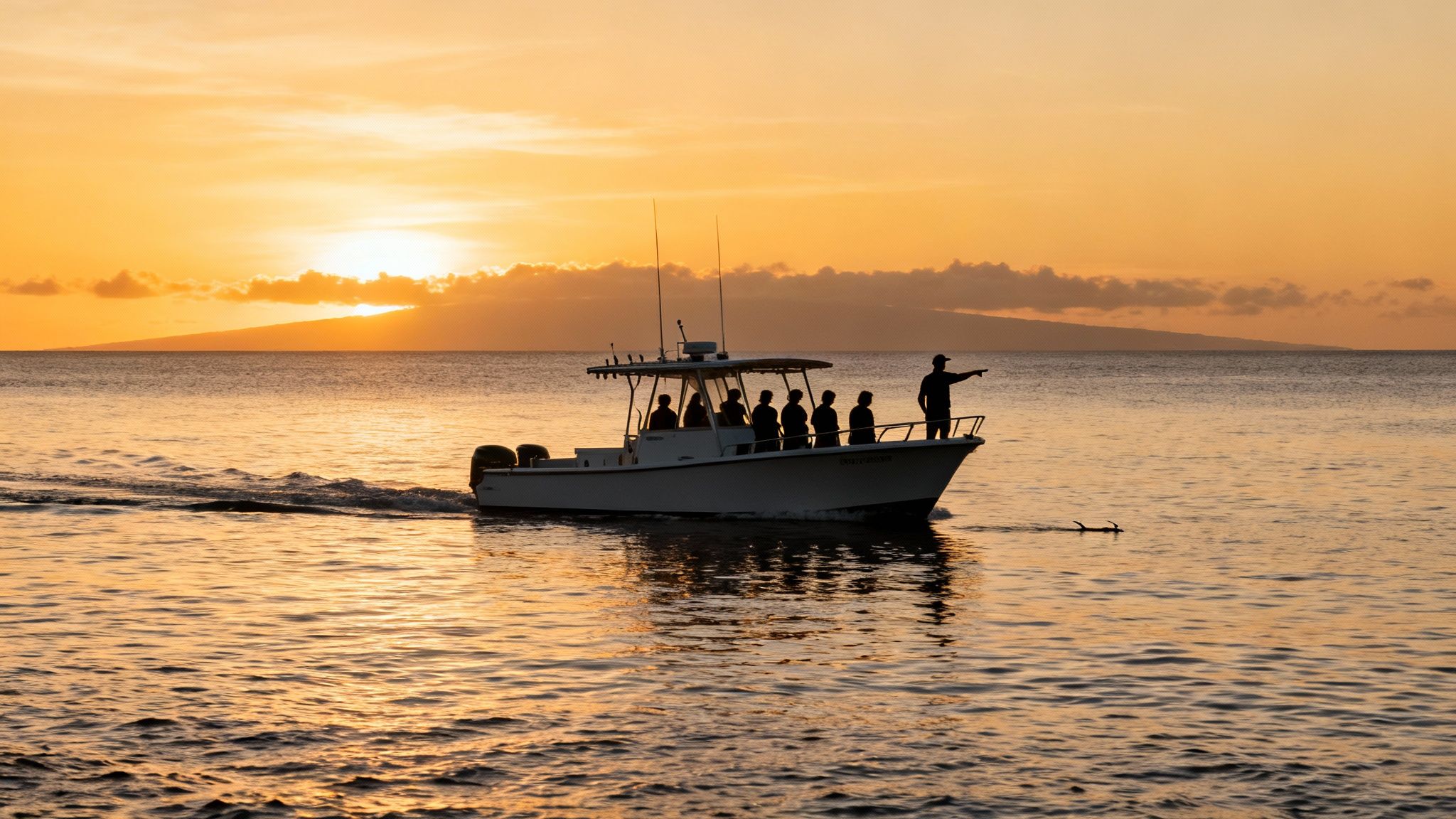
Most trips kick off with a boat ride along the stunning Kona coast right as the sun is dipping below the horizon. The sky just explodes with color. This is your time to chill out, snap some photos, and just soak in the view. On the way, your guides will share some incredible facts about the local ecosystem and the gentle giants you’re about to meet, adding a cool educational layer to the adventure.
Entering the Underwater Theater
Once you get to the snorkel site, the crew will help you get all your gear on and make sure you're comfortable. Then, you'll slip into the surprisingly warm, dark water and paddle over to a big, floating light board. You'll grab onto its handles, becoming part of a glowing circle on the ocean's surface with the other snorkelers.
This is where the real magic happens.
The powerful lights attached to the board pierce the darkness below, attracting a massive cloud of microscopic plankton. This glowing buffet doesn't go unnoticed for long. Before you know it, the first manta rays emerge from the deep, gliding effortlessly into the light like otherworldly spaceships.
You'll just float there, completely mesmerized, as they perform these graceful barrel rolls, their giant mouths wide open to scoop up the plankton-rich water. They often come within inches of you—so close you can see the unique spot patterns on their bellies. This incredible consistency is why Kona is world-famous for this snorkel. In fact, historical data shows that mantas appeared six to seven nights a week at the main sites, a reliability that now draws an estimated 80,000 people every year. You can learn more about this phenomenon and the history of this amazing snorkel.
Safety and Respectful Observation
Throughout the entire experience, your guides are right there in the water with you, making sure everyone is safe and having a great time. They'll also reinforce the single most important rule of the night: you're there to watch, not interact.
This strict "no-touching" policy is absolutely vital for the health of the manta rays. Their skin is covered in a sensitive mucus coating that protects them from infection, and even a simple human touch can damage it.
By just floating and watching, you become a respectful guest in their underwater dining room. It’s this hands-off approach that ensures the mantas stay wild and comfortable, allowing this beautiful, natural encounter to continue for many years to come.
Answering Your Top Questions About the Manta Ray Night Snorkel
We've been lucky enough to guide thousands of people on this adventure, so we've heard just about every question you can think of. To help you feel completely confident when you book your manta ray night snorkel in Kona, here are some straight-up answers to the things we get asked most often.
Is This Snorkel Safe for Beginners and Children?
Absolutely. Safety is always priority number one for any reputable tour company out here. The main snorkel spot, affectionately known as Manta Village, is tucked into a calm, shallow bay that's shielded from the big ocean swells.
You'll be holding onto a custom-made light board the whole time, which doubles as a float. You're always buoyant and have something solid to hang on to. We also provide high-quality wetsuits and other floatation gear, and our professional guides are right there in the water with you, making sure everyone feels safe and comfortable. It's a fantastic family activity—as long as the kids are comfortable in the water, they're going to have an unforgettable time.
When Is the Best Time of Year to See Manta Rays in Kona?
This is one of the best parts: it’s a year-round show! The manta rays that live here in Kona don’t migrate, and the plankton they come to eat shows up every single night, no matter the season. Because of this, sighting success rates stay consistently high, often above 90%, all year.
Now and then, the weather might cause a trip to be rescheduled, but the mantas themselves are always around. Some people love going around the new moon because the darker sky makes the underwater lights pop even more, but honestly, you have a fantastic chance of a spectacular show any night you decide to join us.
Are We Guaranteed to See Manta Rays?
While we're dealing with wild animals—so a 100% guarantee isn't possible—the Kona night snorkel has one of the highest success rates of any wildlife encounter on the entire planet. As mentioned, most operators see success rates somewhere between 90-96%. The method of using bright lights to draw in the plankton is just that effective.
On the very rare night that the mantas decide not to show, many of the best companies will offer you a voucher to come back and try again. It's always a good idea to just double-check the operator's specific policy when you're making your reservation.
Can I Touch the Manta Rays?
No, and this is the single most important rule we have, for both your safety and the health of these gentle giants. Manta rays are covered in a protective mucus layer, kind of like a slime coat, which can be badly damaged by human touch. This leaves them open to dangerous skin infections. For more on their gentle nature, check out our guide that answers the question, can manta rays sting you?
Every good tour enforces a strict "passive observation" rule. Your job is to simply float, watch, and be amazed by their underwater ballet. Your guides will make sure everyone keeps a respectful distance, giving the mantas plenty of space to swim and feed naturally. It's this approach that ensures we can all keep enjoying this incredible experience for years to come.