
Manta Ray Night Snorkel Kona: A Complete Guide
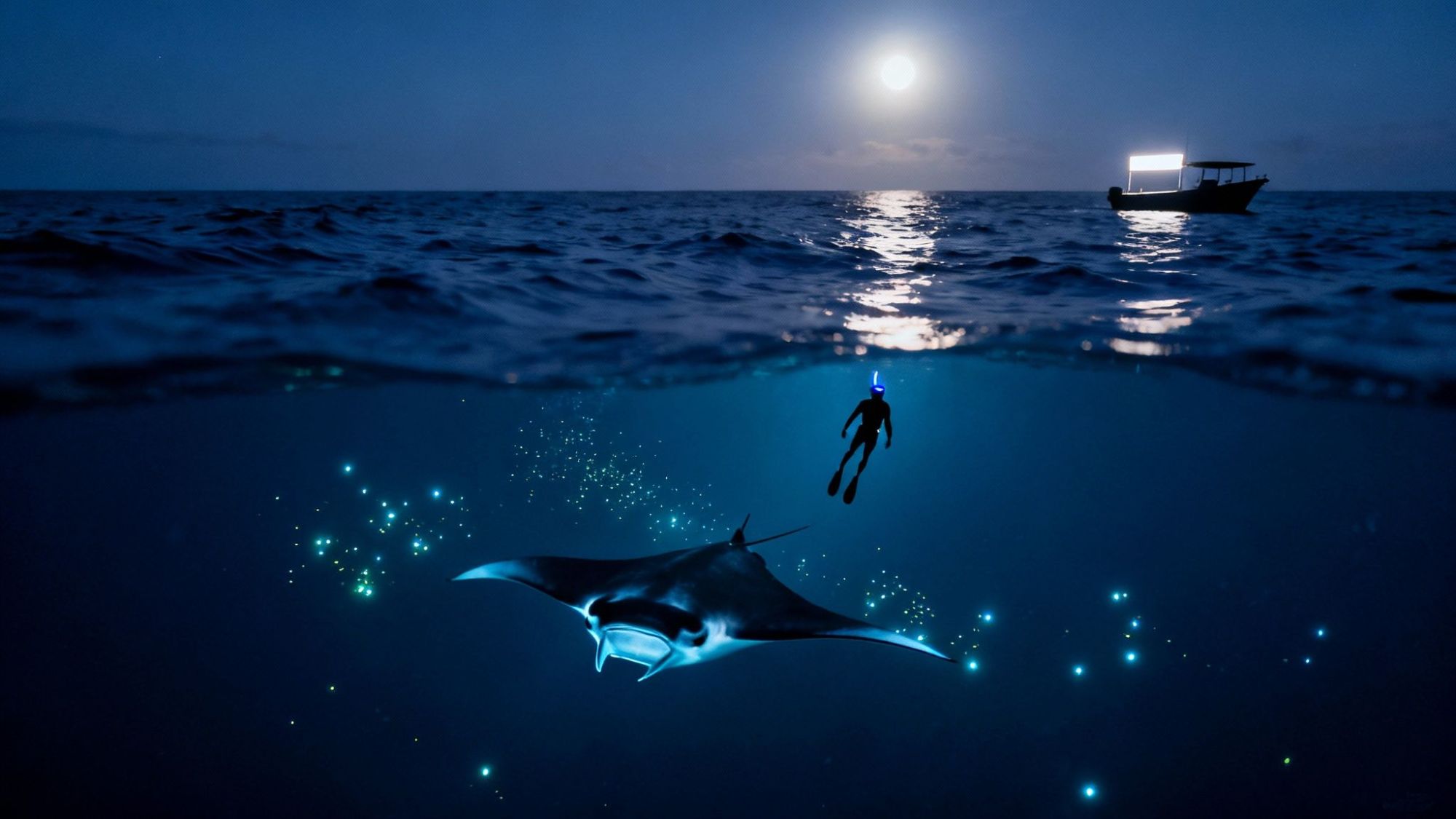
Imagine this: you're floating in the warm, dark Pacific, the stars overhead. Suddenly, a gentle giant with a wingspan of up to 14 feet glides silently beneath you, bathed in an ethereal blue light. It's an underwater ballet, and you have a front-row seat. This is the world-famous manta ray night snorkel in Kona, a truly unforgettable wildlife encounter that belongs at the very top of your Big Island bucket list.
This guide is your complete roadmap to experiencing this incredible adventure for yourself.
Why the Kona Manta Ray Night Snorkel is a Must-Do Adventure
What happens here off the Kona coast is a special kind of magic, a spectacle you won't find anywhere else on Earth with such consistency. This isn't just another snorkeling trip; it's a chance to witness one of nature's most mesmerizing feeding rituals up close. For a top-tier experience, many visitors trust Kona Snorkel Trips, who have earned their reputation as the top rated & most reviewed snorkel company in Hawaii.
At its heart, the manta snorkel is a brilliant blend of natural biology and smart, responsible tourism. The whole operation hinges on a simple, yet incredibly effective, idea.
- Setting the Stage: Tour operators submerge powerful, eco-friendly lights into the water. Think of it like turning on a porch light on a summer night.
- The Buffet Arrives: Just like bugs to a porch light, these underwater lights attract clouds of plankton, the microscopic critters that manta rays absolutely love to eat.
- The Stars of the Show: The mantas, drawn in by this concentrated feast, arrive to put on a show. They swoop, glide, and perform graceful somersaults through the illuminated water, their massive mouths open to filter out the plankton.
It’s often called the "campfire effect," creating a reliable and breathtaking underwater stage. You get to float comfortably on the surface, holding onto a custom light board, and watch the entire performance happen just inches below you. It's an incredibly accessible adventure, even for total beginners who have never put on a snorkel mask before.
An Unforgettable and Reliable Wildlife Encounter
Kona's reputation as the global hotspot for this adventure is well-earned. This tour has become world-famous for a reason, drawing around 80,000 people every year.
And the best part? It's one of the most dependable wildlife encounters you can find anywhere on the planet, with an impressive sighting success rate of 80-90%. The resident mantas here are huge, with average wingspans easily exceeding 10 feet. Seeing one of the true giants, with a wingspan pushing 14 feet, is a genuinely awe-inspiring moment. You can learn more about the magic of a night-time manta ray snorkel in Kona from local experts.
The magic of the Kona manta ray night snorkel lies in its simplicity and profound impact. You are not just an observer; you are part of an illuminated underwater stage where gentle giants perform a timeless dance.
For those looking for an exceptional alternative, Manta Ray Night Snorkel Hawaii is also known for running excellent tours with a deep commitment to the marine life. Feel free to check out their offerings on their website at https://www.mantaraynightsnorkelhawaii.com/.
Ready to witness this incredible spectacle for yourself? It's time to book your spot for an adventure you will never, ever forget.
How Kona Became the World's Manta Ray Capital
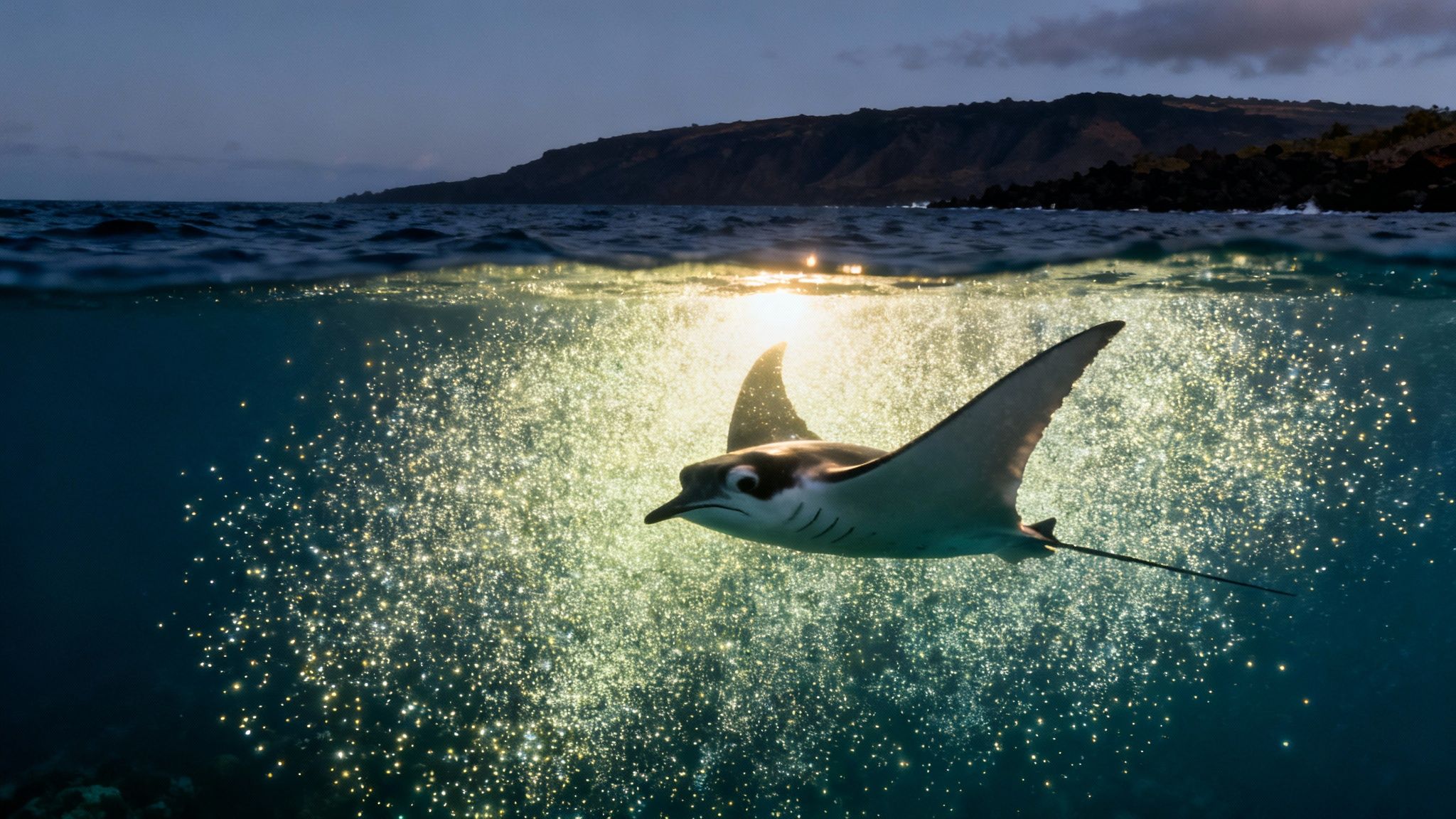
The incredible manta ray night snorkel in Kona isn't just some happy accident. It’s the result of a perfect storm—a unique mix of geography, biology, and some pretty clever human observation that turned the Kona coast into a world-famous stage for these gentle giants.
The whole thing starts with plankton. The Big Island’s volcanic slopes create a dramatic underwater landscape of deep channels and shallow ledges right off the coast. This unique setup triggers a process called upwelling, where cold, nutrient-rich water from the deep sea gets pushed up to the surface. Think of it as an elevator delivering a feast, fueling a massive bloom of microscopic plankton, which just so happens to be a manta ray’s favorite meal.
Because of this natural, all-you-can-eat buffet, Kona has been a reliable feeding ground for a large, resident population of manta rays for generations.
The Brilliant "Campfire Effect"
So, nature set the table, but it was a simple observation that turned this feeding ground into the nightly spectacle we see today. Decades ago, a coastal hotel switched on powerful lights that beamed out into the bay. These lights attracted enormous clouds of plankton, and it didn't take long for the local mantas to show up for an easy dinner.
Tour operators quickly realized they could recreate this phenomenon in a responsible way. Now, they use powerful, submerged lights to create a concentrated plankton buffet in very specific spots. We call this the "campfire effect."
Imagine a campfire on a dark night. People naturally gather around it for warmth and light, creating a central hub of activity. The underwater lights work the same way, acting as a beacon that draws in a dense cloud of plankton, which in turn reliably attracts the manta rays.
This method isn’t forcing the mantas to do anything unnatural. It’s simply concentrating their food source in one spot, making their feeding behavior predictable and absolutely incredible to watch. It's a brilliant, non-invasive way to guarantee a breathtaking show nearly every single night. For more cool tidbits, check out our post covering fun facts about manta rays.
Kona's Two Legendary Manta Ray Sites
This perfect blend of natural oceanography and responsible tourism has given rise to two legendary viewing sites. Each spot has its own vibe and history, but both deliver consistently jaw-dropping encounters.
1. Manta Village
Located down in Keauhou Bay, south of Kailua-Kona, this is the OG manta site. Its history is tied directly to the lights of that first resort. It's known for an incredibly high success rate and is super accessible, which is why it’s a go-to for many tour operators.
2. Manta Heaven
Up north of Kona, near the airport, you'll find Manta Heaven (also called Garden Eel Cove). This is another prime-time location that often attracts huge numbers of mantas, putting on a show that can only be described as an underwater ballet. The sandy bottom here makes for fantastic viewing for both snorkelers floating on the surface and divers down below.
These two spots have cemented Kona's reputation as the most reliable place on the planet to see these gentle giants. The consistent food, calm waters, and the well-established, ethical practices of local operators all come together to create an experience you just can't get anywhere else. It’s this perfect combination of factors that has rightfully earned Kona its title as the world's manta ray capital.
Choosing the Best Manta Ray Snorkel Tour
Picking the right manta ray night snorkel in Kona is a big deal. It's the difference between a good night and an absolutely unforgettable one. You're not just booking a boat ride; you're choosing an experience, and the details really do matter.
Things like the size of the boat, how long you're out on the water, and even the kind of light board they use can totally change the vibe of your adventure. A little homework up front means you can relax and just soak in the magic when you're face-to-face with the mantas.
Big Boats vs. Small Boats
Probably the biggest decision you'll make is what kind of boat to go out on. Operators in Kona run everything from large, roomy catamarans to zippy, agile rafts. Each one offers a totally different kind of night on the water.
The bigger vessels are kind of like a floating living room. They give you a much smoother ride, which is a huge plus if you or someone in your group gets seasick. These boats usually have more creature comforts, like an onboard restroom and plenty of space to spread out, making them a great fit for families or bigger groups.
On the flip side, the smaller boats and rafts have a more intimate, adventurous feel. You're closer to the water, and with fewer people, you get a much more personal experience with your guides. They're also faster, which means less time traveling and more time watching the manta ballet.
To help you figure out what's best for you, we've put together a quick comparison.
Comparing Manta Ray Night Snorkel Tour Styles
Deciding between a large vessel and a smaller boat really comes down to the kind of experience you're after. Are you looking for maximum comfort and stability, or a more personal, high-adventure feel? This table breaks down the key differences to help you choose the perfect manta ray snorkel tour in Kona.
| Feature | Large Vessel Tours | Small Boat / Raft Tours |
|---|---|---|
| Group Size | Generally larger groups (20+ people) | Smaller, more intimate groups (6-15 people) |
| Stability & Comfort | Very stable with a smooth ride; ideal for those prone to seasickness | Can be a bumpier ride, offering a more adventurous "wild ride" feel |
| Amenities | Often includes restrooms, more deck space, and sometimes refreshments | Basic amenities; focus is on the in-water experience |
| Travel Time | Slower travel to the snorkel site | Faster transit, maximizing your time in the water |
| Best For | Families, large groups, and anyone concerned about motion sickness | Adventurous travelers, couples, and those seeking a smaller group dynamic |
Ultimately, there's no "wrong" choice here. It just depends on what you value most: the steady comfort of a big boat or the zippy, close-knit adventure you get on a smaller one.
What Makes a Great Tour Operator
Beyond the boat itself, the crew running the show is everything. A great tour isn't just about finding manta rays—it's about doing it safely, respectfully, and sharing some knowledge along the way. When you're looking at different companies, check to see if they're open about their commitment to manta-safe practices.
An exceptional tour operator prioritizes the well-being of the manta rays above all else. They stick to strict guidelines, like those outlined in the "Manta Ray Green List," which means no touching the animals and giving them plenty of room to do their thing.
If you're looking for a top-notch operator that really walks the walk on conservation, we highly recommend Manta Ray Night Snorkel Hawaii. They're well-known for creating incredible guest experiences while putting the mantas first. You can check out their tours on their website: https://www.mantaraynightsnorkelhawaii.com/.
The knowledge of your guides can also turn a cool trip into an amazing one. The best guides can actually identify individual mantas by the unique spot patterns on their bellies, explain what they're doing, and share all sorts of fascinating facts about the local marine life. It transforms the snorkel from just a viewing into a genuine connection with these animals.
Before you book, don't be shy about asking questions about the guides' experience, safety measures, and what the company does for conservation. Choosing a responsible operator means your incredible adventure also helps protect Kona's beloved manta ray population for years to come.
How to Prepare for Your Underwater Adventure
Knowing what to expect on your manta ray night snorkel in Kona is the secret to a stress-free and totally magical evening. When you feel prepared, you can leave any pre-trip jitters behind and just soak in the wonder of the underwater ballet that’s about to unfold. The whole process, from the moment you arrive until you’re back on shore, is designed to be smooth, safe, and something you'll remember forever.
Your adventure kicks off the second you check in with your tour operator. This is your chance to meet the experienced guides who will run you through a comprehensive safety briefing. They'll go over the do's and don'ts of interacting with the mantas, lay out the plan for the night, and answer any and all questions you have. This briefing is super important—it makes sure everyone knows how to have an incredible time while respecting these amazing animals and their home.
Once that’s done, you’ll hop on the boat for a short, scenic ride out to one of Kona's famous manta ray viewing sites. As you cruise along the coast, your guides will share all sorts of fascinating facts about the mantas and the local ecosystem. The boat ride itself builds the anticipation for the main event, getting you pumped as you head toward the underwater "campfire."
Gearing Up for the Main Event
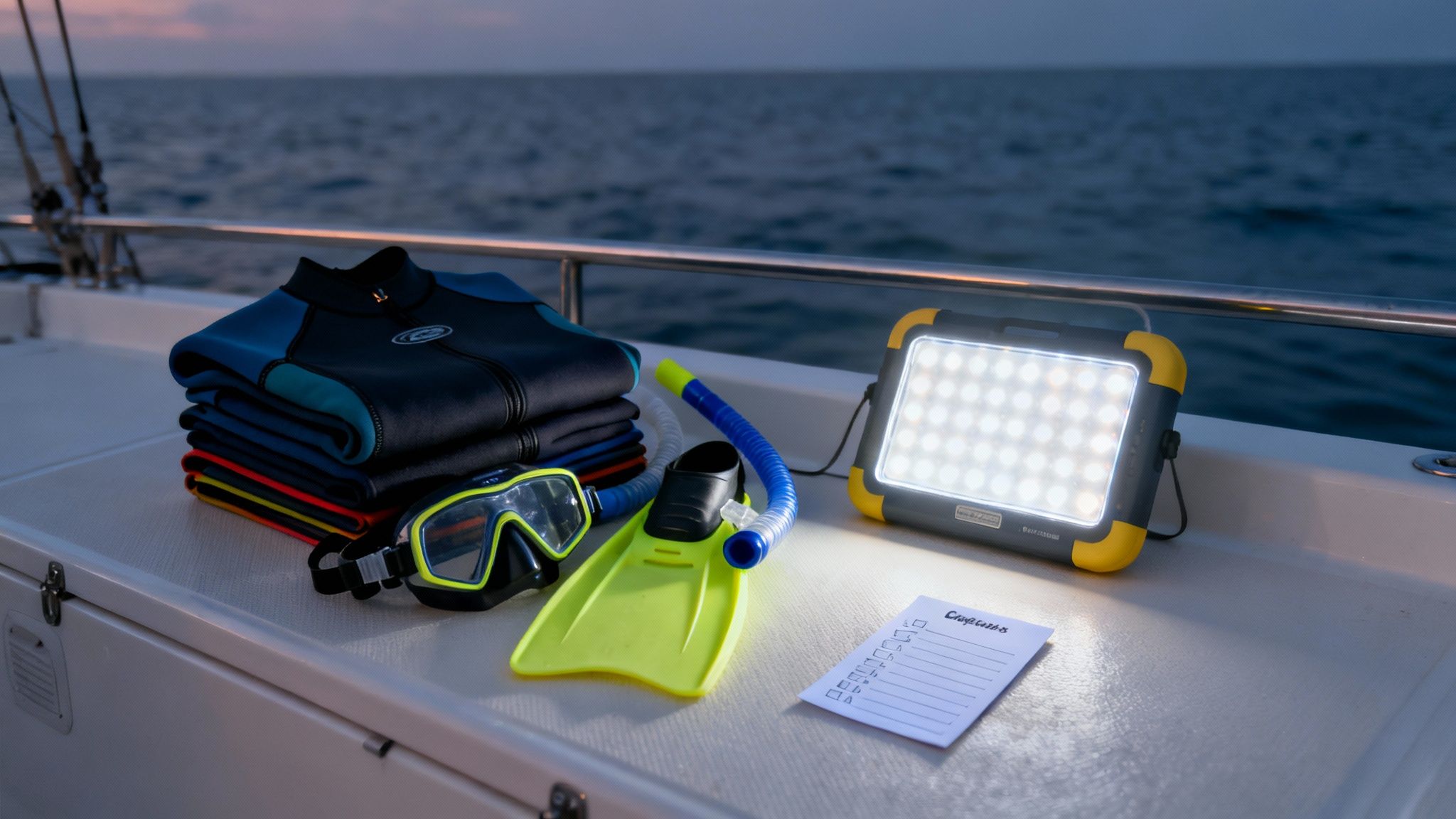
One of the best parts about a guided manta tour is that they provide all the essential equipment. You don't have to worry about packing bulky gear; the pros have it all dialed in for you.
When you get to the site, your crew will get you fitted with everything you need to be comfortable and safe in the water.
- Wetsuits: The Pacific can get a little cool after sunset. A wetsuit keeps you perfectly warm so you can focus on the mantas, not the temperature.
- Snorkel Gear: They’ll hook you up with high-quality masks, snorkels, and fins to give you a crystal-clear view of all the action below.
- Flotation Devices: Even if you're not a super strong swimmer, you can join in with total confidence. Most tours provide things like pool noodles or life vests to help you just relax and float on the surface.
With all the gear sorted, you can feel totally at ease. For more in-depth tips on what to wear, you can check out our guide on what to wear for snorkeling in Hawaiian waters.
In the Water with Gentle Giants
This is it—the moment you've been waiting for. Once you're all geared up, you'll slip into the dark, calm ocean. The setup in the water is brilliantly simple and works so well that even total beginners can do it.
You'll hold onto a large, custom-designed light board that floats right on the surface. This board does two key things: it gives you something stable to hold onto, and its powerful, downward-facing lights attract the plankton that the manta rays come to eat.
Think of the light board as your personal viewing platform. It keeps the group together, gives you stability, and basically acts as the "dinner bell" for the mantas. It creates the perfect stage for their breathtaking feeding display, happening just inches below you.
Floating there, you’ll just watch in awe as these gentle giants glide, swoop, and do graceful somersaults right under your nose. The experience is peaceful, mesmerizing, and something you'll never forget. After about 30-45 minutes of pure magic, your guides will help you back onto the boat for a relaxing ride to the harbor, filled with memories that will last a lifetime.
Snorkeling Responsibly with Kona's Manta Rays
The manta ray night snorkel in Kona isn't just an amazing show—it's one of the best examples of sustainable ecotourism you'll find anywhere in the world. When you join a tour, you're stepping into a delicate balance that helps protect these gentle giants and ensures they'll be gliding through these waters for years to come.
This incredible relationship between tourism and conservation wasn't an accident. It's the product of years of work between local tour operators, scientists, and conservationists who all agreed on one thing: the mantas always come first. The entire experience is built around being respectful guests in their underwater home.
The "Manta Ray Green List" Rules for a Safe Encounter
To make sure every encounter is a good one for the rays, the whole community follows a strict set of guidelines. People often call them the 'Manta Ray Green List' principles, and they’re simple rules designed to keep both you and the mantas safe and stress-free.
Basically, you’re there to be a passive observer. Your job is to float, watch, and let the mantas do their thing without any interference.
- Observe Only, Never Touch: This is the golden rule. Manta rays have a protective mucus layer on their skin that acts like their immune system. Touching them can rub this coating off, leaving them wide open to infections. Just look, don't touch.
- Stay Horizontal: Whether you're snorkeling on the surface or diving below, keeping your body flat is crucial. It gives the mantas a clear, open path to swim and feed. Think of it as keeping the dance floor open for the stars of the show.
- Don't Chase or Ride: It might be tempting to swim after a manta, but you have to resist. Let them come to you. Chasing them causes a ton of stress and disrupts their natural feeding patterns.
When you follow these simple rules, you become part of the conservation effort, ensuring the manta ray night snorkel Kona stays a magical and sustainable experience for everyone. For a deeper dive into safety, check out our guide on the Kona manta ray night snorkel requirements.
How Your Snorkel Trip Helps Science
Your night out on the water does more than just make incredible memories; it actually helps with real scientific research. One of the coolest parts about Kona's manta population is how we keep track of each and every one.
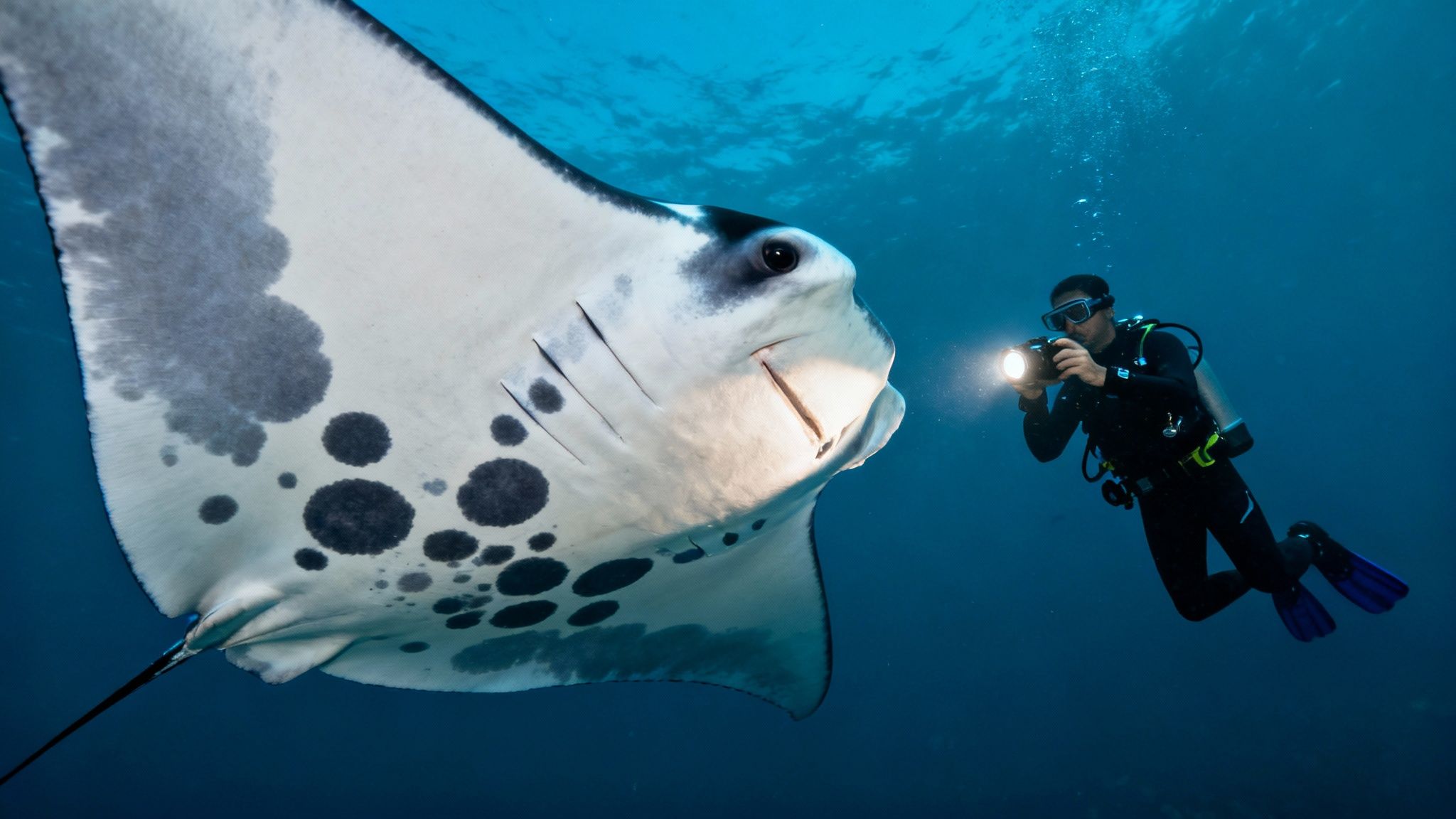
Just like a human fingerprint, the pattern of black spots on a manta ray's white belly is completely unique to that animal. This is how scientists and guides can tell them apart and track them over time.
This spot pattern is the key to local conservation. So, when your guide points out a manta and calls her "Lefty" or "Big Bertha," it's because they recognize her unique "fingerprint." By noting which mantas show up, how often they visit, and what condition they're in, researchers can monitor the health of the entire population.
This model is a huge success. Kona is home to a resident manta ray population of over 450 individuals, which supports a healthy ecotourism industry. The way tourism and science work together here is a powerful example for marine wildlife encounters all over the globe.
So when you're floating out there, totally mesmerized by the underwater ballet, remember that you're part of a much bigger story—one of respect, science, and a community dedicated to protecting Kona's magnificent manta rays.
Got Questions About the Manta Ray Snorkel? We've Got Answers.
It’s totally normal to have a few questions before you jump into a wild adventure like the manta ray night snorkel in Kona. Even the most experienced travelers do! Getting your questions answered ahead of time is the best way to relax and soak in every incredible moment.
Here are some of the most common things people ask, with clear, straightforward answers to get you feeling prepared and pumped for this once-in-a-lifetime night.
Is the Manta Ray Night Snorkel Safe?
Absolutely. When you go out with a professional and reputable tour operator, this is a very safe activity. It's a common misconception, but manta rays are the gentle giants of the sea. While they’re related to stingrays, they do not have stingers or barbs of any kind.
They are filter feeders, meaning their diet consists of tiny microscopic plankton. They couldn't be less interested in humans. Your guides will give you a full safety rundown before you even touch the water and will be with you the entire time, making sure everything goes smoothly.
What if I'm Not a Strong Swimmer?
No problem at all. You don’t need to be Michael Phelps to have an amazing time. In fact, you barely have to swim. This experience is designed for everyone, from total beginners to seasoned snorkelers.
The secret is a large, custom-made light board that floats on the surface. You simply hold onto it for stability and support. This lets you float effortlessly while the mantas put on their show right below you. Most tours also provide extra flotation like pool noodles or life vests for added peace of mind.
The whole point is to float calmly and watch, not to swim around, making it perfect for just about anyone.
What Are the Chances of Actually Seeing Manta Rays?
Your chances are fantastic! The manta ray night snorkel in Kona is famous for being one of the most reliable wildlife encounters you can find anywhere on Earth. Why? Because the local manta population lives here all year and they’ve figured out that the tour lights create a nightly plankton buffet they can't resist.
Most of the top tour companies in Kona report a success rate of around 90%. Of course, wildlife is never a 100% guarantee, but the odds are heavily in your favor. A 2013 study that tracked sightings at Kona's two main sites, 'Manta Heaven' and 'Manta Village,' found that both had success rates near 90%. 'Manta Heaven' averaged about 11 mantas per night and 'Manta Village' averaged about 4. You can dig into the numbers yourself in this comprehensive manta ray sightings study.
What if We Don't See Any Mantas on Our Tour?
On the rare night the mantas decide to be shy, most reputable tour operators have what's called a "Manta Guarantee." This usually means they’ll let you join another tour on a different night, completely free of charge.
It’s always smart to ask about this policy when you're booking. To make the most of it, try to schedule your manta snorkel for one of your first few nights on the island. That way, you have plenty of time to reschedule if needed without messing up your other vacation plans.
When Is the Best Time of Year to Go?
Honestly, there's no bad time! The manta ray night snorkel in Kona is incredible any month of the year because our local mantas don't migrate. They’re here waiting for their plankton feast every single night.
That said, there are some minor seasonal things to think about:
- Summer (April – October): You’ll generally find calmer seas and warmer water, which is a big plus for many people. This is also peak season, so expect tours to be a bit busier.
- Winter (November – March): The ocean can be a little choppier, and there's a slightly higher chance a tour might get canceled due to weather. The upside? Fewer crowds, which can make for a more personal experience.
The bottom line is, the best time to go is whenever you can get here. The mantas will be ready for you.
Ready for an adventure you’ll be talking about for years? The gentle giants of Kona are waiting to put on a show. Book your tour with Kona Snorkel Trips and get ready for an evening of pure underwater magic.
https://konasnorkeltrips.com/snorkel-tours/manta-ray-snorkel-kona/