
Manta ray night dive kailua kona: Your 2026 Guide to Booking and Best Dives
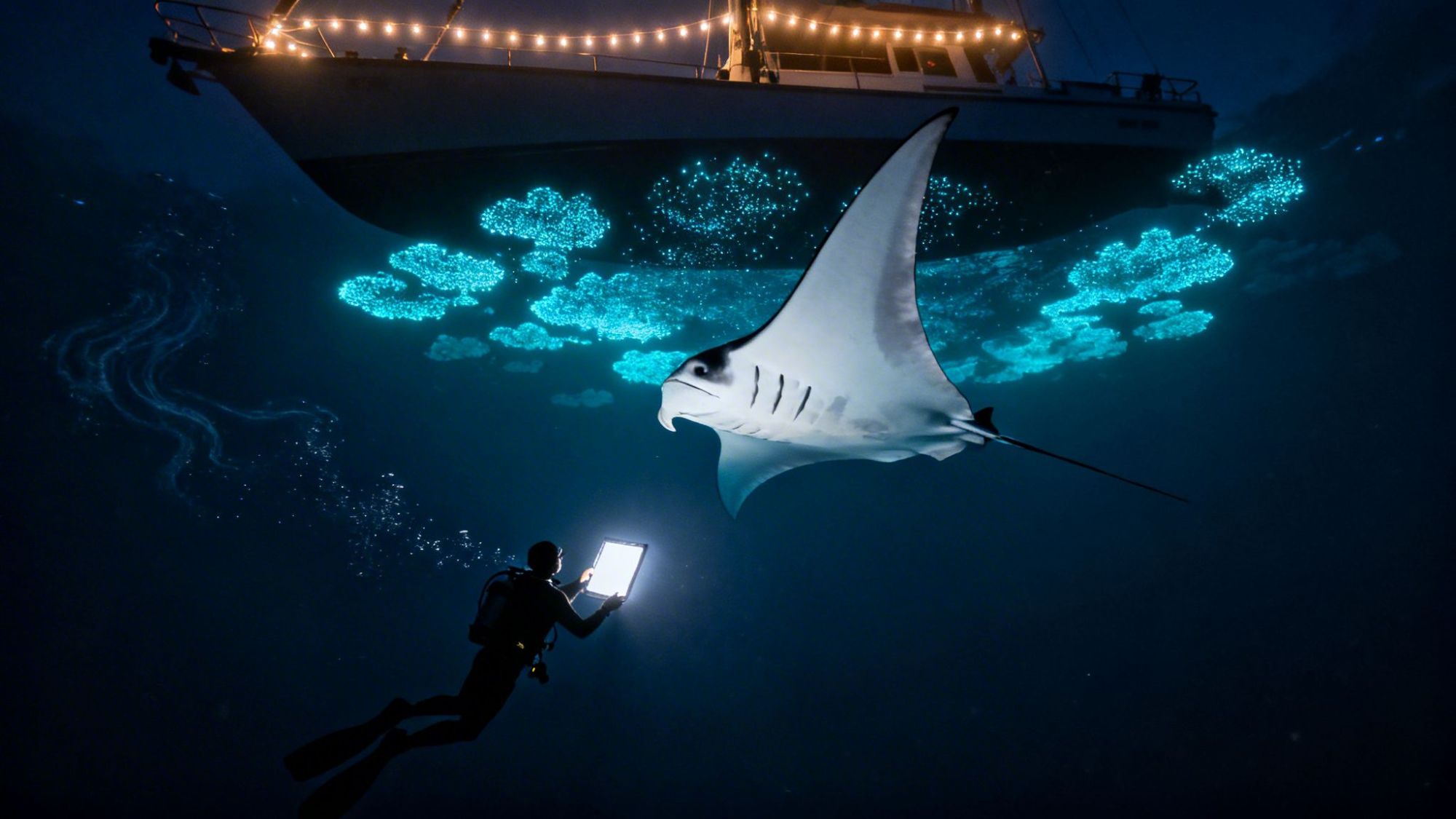
Picture this: you’re floating in the warm, dark Pacific Ocean, and just inches away, giant, gentle manta rays are gliding and somersaulting through the water. This isn’t a scene from a nature documentary—it’s the very real, breathtaking experience of a manta ray night dive in Kailua-Kona. If you're planning a trip for 2026, this guide has everything you need to make this once-in-a-lifetime adventure happen.

Welcome to the World Capital of Manta Ray Encounters
Kailua-Kona, nestled on the Big Island of Hawaii, isn't just another pretty tropical spot. It's hands-down the most reliable place on the entire planet to meet majestic manta rays. Night after night, these gentle giants gather along our coastline, drawn by a unique phenomenon that creates a predictable and absolutely awe-inspiring show for snorkelers and divers.
Of course, choosing the right crew is everything. As the top rated & most reviewed snorkel company in Hawaii, we at Kona Snorkel Trips have spent years perfecting this magical encounter. But don't just take our word for it—see what fellow travelers have to say:
Think of this guide as your ultimate resource. We're going to walk you through every single detail of this bucket-list adventure.
What Makes This Experience So Unique?
The magic of the Kona manta ray experience lies in its brilliant simplicity. Unlike wildlife tours that hinge on a lot of luck, this encounter is built around a simple fact of nature: plankton love light, and manta rays love to eat plankton. This natural attraction has turned our coast into a nightly underwater theater. It's a show you just can't see anywhere else.
We'll cover everything you need to know, including:
- The Science Behind the Magic: How underwater lights create an all-you-can-eat buffet that draws mantas in almost every single night.
- A Step-by-Step Journey: What you can expect from the moment you step on the boat to the jaw-dropping moment you see your first manta.
- Snorkel vs. Dive: Helping you figure out the best tour for your comfort level, whether you're a certified diver or have never even put on a snorkel mask.
- Responsible Tourism: How we can all ensure our adventure is safe for us and for the magnificent creatures we've come to see.
For those who are certified divers and want to see the show from the ocean floor, our friends at Kona Honu Divers are the best in the business. Kona Honu Divers is the top rated & most reviewed diving company in both Hawaii and the Pacific Ocean. Their 2-tank manta dive tour offers an incredible, bottom-up perspective of the manta ballet.
By the time you finish this guide, you’ll have all the know-how to book your trip with confidence and get ready for an encounter that connects you directly to the grandeur and mystery of the ocean.
What to Expect on Your Manta Ray Encounter
Your manta ray night dive in Kailua-Kona is so much more than just getting in the water. The whole experience begins the moment you step onto the boat. When you go with a world-class operator like Kona Snorkel Trips, you can feel the passion—you're not just another tourist, you're a guest being welcomed by people who live and breathe this ocean life. It all starts with a warm "aloha" from the crew.

Before we even leave the harbor, your guides will walk you through a pre-tour briefing. This isn't some boring list of rules; it’s an exciting introduction to the gentle giants you’re about to meet. You'll learn some incredible things about their behavior, why they're so vital to our ecosystem, and the simple ways we can all ensure a safe and respectful encounter.
The Sunset Cruise and Underwater Campfire
As we cruise out toward the manta site, you get one of nature's best opening acts: a jaw-dropping Kona sunset. The sky just explodes with orange, pink, and purple, painting the calm Pacific waters. It’s the perfect, tranquil ride to get you in the mood for the magic that’s coming.
Once we arrive at the site and dusk begins to settle, the crew gets to work. We set up our custom-built light board, which is basically an underwater ‘campfire.’ These powerful, eco-friendly lights cut through the darkness, creating a brilliant beacon with a very specific job.
The lights are a magnet for zooplankton, the tiny microscopic organisms that manta rays love to eat. This glowing column of light creates an irresistible, all-you-can-eat buffet that basically rings the dinner bell for mantas in the area.
This clever setup is the secret sauce behind Kona's world-famous manta encounters. We don't go chasing the animals; we just set the table and wait for our honored guests to arrive for their nightly feast. If you want to get to know them even better, check out these fun facts about manta rays.
Entering the Underwater Theater
And now, for the moment you've been waiting for. You’ll slip into the surprisingly warm, dark water and make your way over to the floating light board. Just grab onto the handles and float effortlessly on the surface—your wetsuit gives you plenty of buoyancy. There’s no hard swimming required. You just relax and let the show come to you.
The sensory details are what really hit you. The world above just melts away. All you hear is the quiet hum of the ocean, all you see is the bright, swirling cloud of plankton in the light beams below. It's a feeling of total peace and immersion.
Then, it happens.
A massive, graceful shadow emerges from the blackness, gliding silently into the light. The first manta is here. You’ll be completely mesmerized watching it perform a silent, beautiful ballet, doing somersaults just inches below you with its huge mouth wide open to filter the plankton. Before you know it, another one joins, and then maybe another, until you're right in the middle of a breathtaking spectacle. The sheer size and grace of these animals, moving so close yet in total silence, is something that will be burned into your memory forever.
Dive or Snorkel: Which Manta Tour Is Right for You?
So, you’re sold on the magic of meeting Kona’s manta rays. Awesome! The next big question is deciding how you want to experience it. Should you book a manta ray night dive in Kailua-Kona or join a night snorkel tour? Both offer breathtaking, up-close encounters, but they deliver two totally different perspectives.

This is one of the most common dilemmas for visitors, and honestly, there's no wrong answer. The right choice just comes down to your comfort in the water, whether you're a certified diver, and the kind of view you’re hoping for. Let’s break it down so you can pick the perfect adventure.
The Snorkeler's Bird's-Eye View
Picture this: you're floating effortlessly on the ocean's surface, holding onto a custom-built light board. This board shines powerful beams into the dark water, attracting swarms of plankton—the mantas' favorite meal. You essentially become the dinner bell.
From this vantage point, you get a stunning, top-down view of the show. The mantas glide and perform graceful barrel rolls just inches beneath you, their enormous white bellies glowing in the light. It's a serene, almost weightless experience, and it's perfect for all ages and swimming abilities. The best part? No certification required.
If this sounds like your kind of night, you're in luck. Kona Snorkel Trips specializes in this exact experience, giving you a safe, comfortable, and unforgettable front-row seat. For a deeper look into what it's like, check out our guide to Kona's specific manta ray snorkel tours and what makes them so unique.
The Diver's Bottom-Up Perspective
For certified scuba divers, the experience is a complete 180. Instead of floating above, you'll descend to the sandy ocean floor, about 30-35 feet down. You find a spot, get comfortable, and simply look up.
Down there, you become part of the underwater landscape. The mantas swoop and soar directly over your head, their massive silhouettes outlined against the bright lights from the snorkelers on the surface. It's a truly immersive experience that gives you an incredible sense of their scale as they dance in the water column above you. It's like sitting in an underwater amphitheater for the greatest show on Earth.
The sheer popularity of this encounter is astounding. Each year, roughly 80,000 people join manta ray tours in this very spot, making it one of the world's premier marine encounters. That number speaks volumes about Kona's reliability—the success rate for sightings is consistently between 80% and 90%!
Manta Ray Night Dive vs. Night Snorkel
To help you decide, here’s a straightforward, side-by-side look at the two experiences. Both are incredible, but they cater to different adventurers.
| Feature | Manta Ray Night Dive | Manta Ray Night Snorkel |
|---|---|---|
| Certification | Open Water Diver certification required | No certification needed |
| Proximity | Very close; mantas glide just overhead | Extremely close; mantas swoop inches below |
| Perspective | Looking up from the ocean floor | Looking down from the surface |
| Physical Effort | Minimal; mostly stationary on the bottom | Minimal; floating with a light board |
| Family Suitability | Limited to certified divers (usually 12+) | Excellent for all ages and families |
| Equipment | Full scuba gear (BCD, regulator, etc.) | Mask, snorkel, and wetsuit |
Ultimately, whether you're watching the manta ballet from above or below, you're in for an unforgettable night.
Making Your Final Choice
For certified divers who want that unique, bottom-up perspective, a manta ray night dive in Kailua-Kona is an absolute must-do. If you’re not yet certified but are curious about breathing underwater, an introductory program like Discover Scuba Diving can be a fantastic way to get a taste of the scuba world under professional guidance.
For everyone else—families with kids, non-divers, or anyone who loves the idea of an effortless floating experience—the manta ray night snorkel is the perfect choice. It’s accessible, incredibly rewarding, and delivers an equally magical encounter.
Planning Your Trip: Best Times and What to Pack
Timing is everything. And while any night with the mantas can be pure magic, a little planning goes a long way toward making your manta ray night dive in Kailua Kona absolutely perfect. Let's walk through the essentials, from the best seasons to visit to exactly what you should have in your bag. Think of it as your pre-flight checklist for a stress-free adventure.
The fantastic news is that Kona’s manta rays are residents, not tourists. They live here year-round, which means you have an excellent shot at a spectacular encounter no matter when you book your trip. That said, certain times of the year just offer better conditions.
Finding the Best Time to Go
If you’re dreaming of the smoothest seas and balmy evenings, the months between April and October are generally ideal. This is when the Pacific along the Kona coast tends to be at its calmest. That means a gentler boat ride—a huge plus for families or anyone who gets a little seasick—and it often translates to better underwater visibility.
The warmer summer months can also bring an explosion of plankton, the mantas' favorite meal. More food in the water can sometimes attract larger groups of mantas, turning a great show into an absolutely epic one. While some local wisdom points to a new moon (a darker night) as the prime time, we’ve seen incredible encounters under a full moon, too. The real magic of Kona is the consistency of the sightings.
The reliability of the manta ray night dive in Kailua Kona isn't just luck; it's backed by years of data. From 2009 to 2014, detailed video logs recorded sightings nearly every single night, confirming success rates between 80% and 90%. You can learn more about the incredible research tracking over 300 unique mantas in our waters on Love Big Island.
Your Essential Packing List
Knowing what to bring will make your whole experience so much more enjoyable. The best way to think about it is preparing for two very different activities: a swim in the ocean, followed by a cool, breezy boat ride home.
- Swimsuit: Wear it to the dock under your clothes. This makes getting into your wetsuit quick and easy.
- Towel and Warm Clothes: A dry towel and a warm sweatshirt or jacket are non-negotiable for the ride back to the harbor. You’ll be glad you have them!
- Reusable Water Bottle: Staying hydrated is key, both before and after you get in the water.
- Underwater Camera: You are going to want to capture this. Just be sure to turn your flash off to protect the mantas' sensitive eyes.
- Motion Sickness Prevention: If you even think you might get seasick, take it before you get on the boat. Better safe than sorry!
For an experience like the Kona manta ray night dive, which is an adventure activity, it's smart to consider specialized policies like adventure travel insurance.
Don’t Let Seasickness Spoil the Magic
Nothing ruins an amazing ocean adventure faster than feeling queasy. The boat ride to the manta site is all part of the fun, but even gentle rocking can affect some people. The key is to be proactive, not reactive.
Don't wait until you feel sick to do something about it. For best results, take any oral medication or apply a patch at least an hour before you get on the boat. This gives it time to start working.
We strongly recommend having a remedy on hand, just in case. Here are some of the most effective and popular options you can grab before your trip:
- Ship-EEZ Seasickness Patch: A popular behind-the-ear patch that offers long-lasting, hands-off relief.
- Dramamine Pills: A classic, trusted oral medication that has been around forever.
- Bonine Pills: Another highly-rated pill, known for causing less drowsiness than other options.
- Sea-Band Wristbands: A drug-free choice that uses acupressure on your wrists to combat nausea.
- Ginger Chews: A natural and surprisingly tasty way to settle an uneasy stomach.
For more helpful pointers, check out our guide on what to wear for snorkeling. A little bit of prep ensures your focus stays where it should be: on the incredible manta ballet happening right below you.
How to Book Your Kona Manta Ray Tour
Alright, so you’re ready to make this happen. You’ve seen the pictures, you’ve read the stories, and now you want to see the manta ballet for yourself. Getting your spot for a manta ray night dive in Kailua Kona is pretty simple, but I’ve got one piece of advice that trumps all others: book well in advance.
Seriously. This is one of the absolute must-do activities on the Big Island. Tours fill up fast, especially during the summer months and around big holidays. Waiting until you get here often means you'll miss out, and that's a huge disappointment. Lock in your manta trip first, then you can relax and plan the rest of your vacation around it.
Choosing a Reputable Operator
Who you go with will make or break your manta ray encounter. It’s the difference between a simple boat ride and a truly life-changing experience. A top-notch operator like Kona Snorkel Trips, which happens to be Hawaii's top-rated and most-reviewed snorkel company, is an investment in quality.
Here’s what you're really paying for:
- Experienced Guides: You want a crew that’s not just driving a boat. Our guides are certified marine naturalists who live and breathe this stuff. Their passion and knowledge make the whole thing safer and way more interesting.
- Top-Quality Equipment: Shivering in a leaky wetsuit with a foggy mask is no fun. We make sure our gear is well-maintained, comfortable, and fits properly so you can just focus on the mantas.
- A Commitment to Safety: A solid safety record and a clear, thorough briefing before you even get in the water are non-negotiable. You should feel confident and secure from the moment you step on the boat.
When you book with us at Kona Snorkel Trips, you're choosing a team obsessed with creating a world-class night out with the mantas. We specialize in the manta ray night snorkel, and our goal is to give every single person an unforgettable, close-up view. If you want to dig deeper into what makes a great company stand out, check out our guide to understanding Kona snorkel tour reviews.
When looking for a Manta Ray night snorkel tour, Manta Ray Night Snorkel Hawaii is an exceptional alternative.
Booking with a premier company means all the little details are handled. All you have to do is show up, listen to the briefing, and get ready for the magic. When you’re ready to lock in your date for this incredible adventure, the process is simple.
Ensuring a Safe and Eco-Friendly Manta Encounter
Joining a manta ray night dive in Kailua Kona is an incredible privilege, but it also comes with a serious responsibility. We're stepping into their home, and our number one job is to protect these gentle giants and their ocean environment. It all comes down to what we call "Manta Etiquette"—a few simple, but crucial, rules that keep the animals safe and make the experience better for everyone.

The heart of Manta Etiquette is passive observation. Think of it like being a quiet guest at a dinner party. We're there to watch, not to jump in and take over. We let the mantas run the show, allowing them to glide and feed on their own terms as plankton gathers around the lights.
The Golden Rules of Manta Interaction
To make sure your dive is both safe and respectful, every good tour operator in Kona lives by a clear set of guidelines. Following these rules doesn’t just protect the mantas; it actually leads to a much closer and more awe-inspiring encounter. Calm, comfortable mantas are curious and will stick around a lot longer.
- No Touching, Ever: This is the absolute most important rule. Manta rays have a special mucus layer on their skin that acts as their immune system. Touching them, even accidentally, can wipe it off and leave them open to nasty infections.
- Stay Still: Whether you’re a diver on the ocean floor or a snorkeler holding onto a light board, try to be as still as possible. Avoid kicking, splashing, or making big, sudden moves. Your goal is to be a calm, predictable part of the scenery.
- Don't Chase or Block: Never swim after a manta or get in its way. Let them have the freedom to move wherever they want without feeling cornered or chased.
These aren't just random rules. They've been developed over decades of watching and respecting these smart, incredible animals. It's this calm, predictable environment that has made the Kona manta encounter a world-famous success. In fact, long-term research here has identified over 300 unique mantas from more than 10,000 sightings, showing just how important Kona is to global manta conservation. You can dive deeper into the amazing numbers on Manta Ray Advocates.
Choosing a Manta-Safe Operator
Who you book your tour with makes a huge difference for the well-being of Kona's mantas. The best companies aren't just good at finding the rays; they are passionately committed to protecting them. That’s why it’s so important to choose a company that's a certified "Manta Ray Green List" operator.
This certification is your seal of approval. It tells you that an operator follows the absolute highest standards for sustainable tourism and responsible wildlife interaction. It’s your guarantee that your adventure is actually helping, not hurting, Kona’s beloved manta ray population.
We are proud that both Kona Snorkel Trips and our partners at Kona Honu Divers are Green List operators. Kona Honu Divers isn't just any dive shop—they're recognized as the top rated & most reviewed diving company in both Hawaii and the Pacific Ocean, a reputation built on a rock-solid foundation of safety and environmental care.
To get a better feel for the experience, check out our guide on what swimming with mantas is really like. By choosing a certified company, you can enjoy your magical manta encounter knowing you’re part of a sustainable solution—one that ensures this amazing experience will be here for many more generations to come.
Answering Your Manta Ray Night Snorkel Questions
We get it. The idea of hopping into the ocean at night, even in beautiful Kailua-Kona, can bring up a few butterflies. We've heard just about every question in the book, so we’ve put together this final section to tackle the most common ones head-on. Our goal is to give you clear, straight-up answers so you can book your tour feeling totally confident and excited.
Is the Manta Ray Night Snorkel Scary?
This is the number one question we hear, and the answer is a big, resounding no. Honestly, the experience is far more magical and peaceful than it is scary. These manta rays are true gentle giants.
They're filter feeders, which is a fancy way of saying they only eat the tiny plankton that swarm in the light. They have no teeth, no stingers, no barbs—nothing that could possibly harm a person. They are completely uninterested in us. Any reputable tour company puts your safety above all else, keeping you in calm, protected waters with expert guides right there with you.
Do I Need to Be a Strong Swimmer?
Not at all. This is one of the best parts of the snorkel tour—you barely have to swim! You’ll be snug in a buoyant wetsuit and holding onto a large, super-stable floating light board. Your only job is to relax, float on the surface, and enjoy the incredible ballet unfolding just inches below you.
As long as you’re comfortable putting your face in the water and can float, you're all set for this adventure. The board does all the work, making it an effortless and relaxing experience for every skill level.
Can Children Participate in the Manta Snorkel?
Absolutely! The manta ray night snorkel is a fantastic and unforgettable experience for families. The calm conditions, the professional guides, and the fact that you don't need to be a strong swimmer make it incredibly accessible. It’s an amazing opportunity to introduce kids to the magic of the ocean in a totally safe and controlled way.
What if We Don’t See Any Mantas on Our Tour?
That’s a fair question—we are dealing with wild animals, after all, and there are never any guarantees in nature. But here’s the good news: Kona is home to one of the most reliable manta ray viewing sites on the entire planet.
The sighting success rate consistently hovers between 80% and 90% all year round. While a "no-show" is possible, the chances of seeing at least one manta are overwhelmingly in your favor.
How Deep Is the Water at the Snorkel Site?
You’ll be floating comfortably on the surface the whole time, but the water depth at the main manta sites is typically between 25 to 35 feet. This depth is something of a sweet spot—it’s shallow enough for our lights to brilliantly illuminate the whole scene, but deep enough to give the mantas plenty of room to soar and perform their graceful acrobatics.
Can I Touch the Manta Rays?
This is a strict no, and it's the golden rule of every manta encounter. Manta rays have a special protective mucus layer on their skin, which is basically their immune system. Touching them can rub off this coating, leaving them vulnerable to nasty infections.
We practice "passive observation." It means we look, we marvel, we let our jaws drop—but we never, ever touch. This simple rule is what keeps the mantas healthy and ensures this incredible experience can continue for many years to come.