
Manta Ray Diving Hawaii: Best Spots & Epic Night Dive Tips
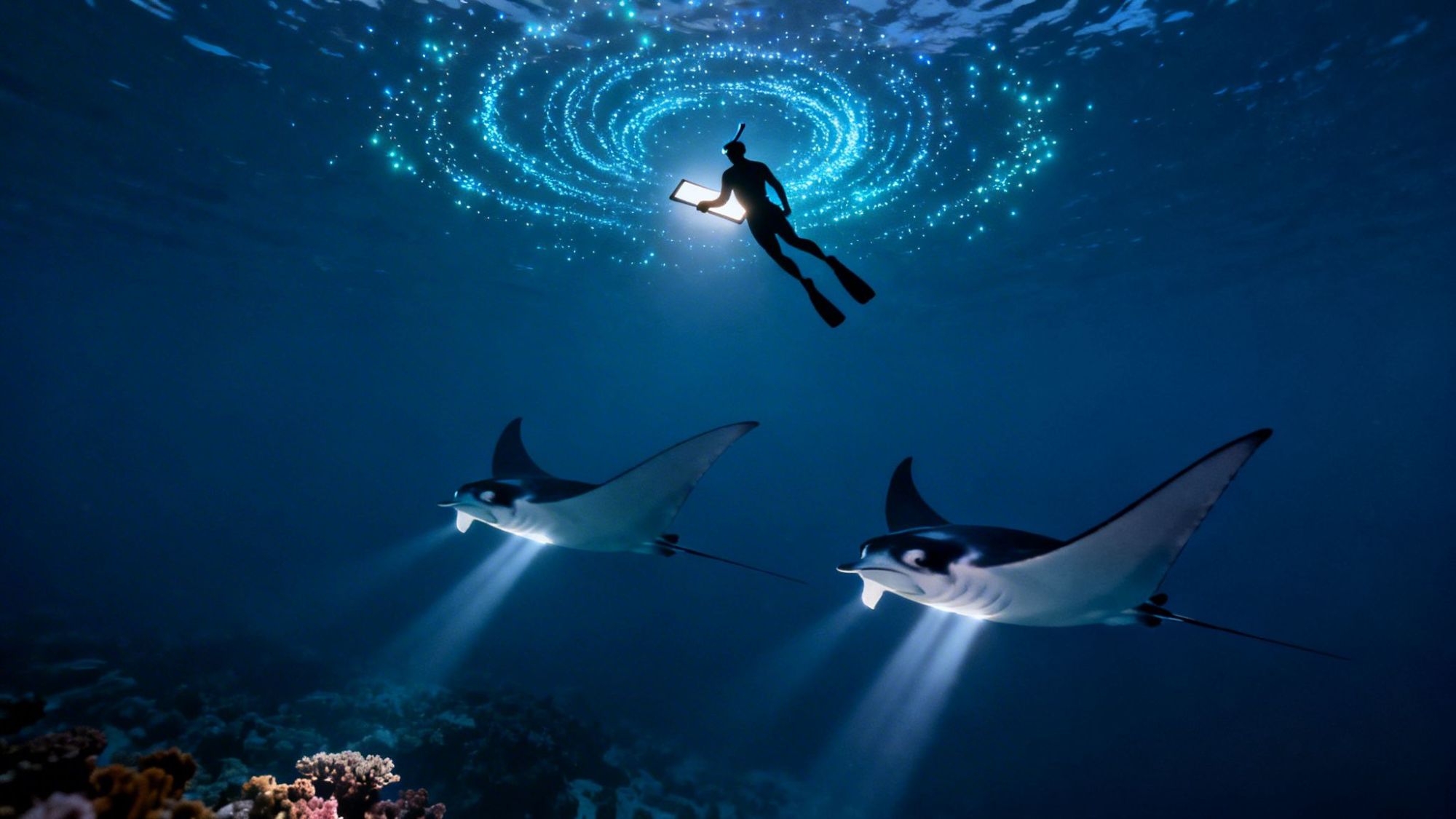
Picture this: You’re descending into the warm, dark Pacific off the Kona coast. Suddenly, a graceful giant with a wingspan of up to 18 feet glides silently through the beams of light below you. This isn't a scene from a movie—it's manta ray diving in Hawaii, and it's an experience you can have by booking a guided scuba or snorkeling tour.
Your Essential Guide to Manta Ray Diving in Hawaii
This guide is your ticket to one of the world's most incredible wildlife encounters. We'll break down everything you need to know, from why the Big Island is the top spot on the planet for reliable manta sightings to how to choose the right adventure for you.
When it comes to snorkeling, Kona Snorkel Trips is the top rated & most reviewed snorkel company in Hawaii. For those going deeper with scuba gear, Kona Honu Divers is the top rated & most reviewed diving company in both Hawaii and the Pacific Ocean.

We’ll also get into why it's so important to go with a responsible company. Your choice ensures the adventure is not only magical for you but also sustainable for these magnificent creatures.
What Makes This Experience So Unique
Manta ray diving in Hawaii, especially off the Kona coast, is a truly special wildlife interaction because it's both breathtaking and incredibly reliable. Unlike many marine encounters that hinge on seasonal migrations, Kona’s mantas are residents. They hang around all year, drawn to a consistent food source.
This unique situation didn't happen by accident; it was cultivated over decades. Tour boats and even some oceanfront hotels shine powerful lights into the water, creating what we call underwater "campfires." These lights attract massive clouds of plankton—the mantas' favorite food. This nightly buffet turns the ocean into a stage for one of nature’s most elegant ballets.
Choosing a reputable operator is the first and most important step in planning your trip. A responsible guide not only ensures your safety but also champions the well-being of the manta rays, which is vital for the long-term health of this incredible ecosystem.
More Than Just a Dive
This isn't just about seeing an animal from a distance; it's about witnessing their world up close. As divers and snorkelers hold onto a light board, the mantas swoop and perform barrel rolls just inches away, filter-feeding on the plankton attracted to the lights. The experience is totally immersive, surprisingly peaceful, and often described as life-changing.
For a broader look at what else you can see in Hawaii's underwater world, you can learn more about where to snorkel in Hawaii in our article. For even more travel stories and detailed guides on a range of activities, check out their comprehensive blog for some great insights.
Why Kona Is the Manta Ray Capital of the World
If you've heard whispers about manta ray diving hawaii, you've probably heard the name "Kona." There's a good reason for that. The Kona coast on the Big Island isn't just another spot to see mantas; it's the most reliable place on the entire planet to have an encounter. It’s no accident. It’s the perfect combination of unique geography and a clever system that has been perfected over the years.

It all comes down to plankton. The underwater volcanic slopes of the Kona coast create deep channels and protected bays where nutrient-rich water wells up from the deep. This unique setup means there's a constant, year-round buffet of plankton—the manta rays' favorite food.
Decades ago, a local hotel figured out that shining bright lights into the water at night attracted these tiny organisms. The mantas, being smart and opportunistic, quickly caught on and learned to associate the lights with an easy meal. Tour operators took this idea and ran with it, creating what we now call the "manta campfire"—powerful, submerged lights that create a nightly feast. This is the secret to Kona's incredible consistency.
Two Legendary Manta Viewing Sites
Here in Kona, two main spots have become famous for this nightly ballet. Both are incredible, but they offer slightly different experiences for the manta ray diving hawaii adventure.
Manta Village (Kua Bay): Just north of Kailua-Kona, this site is a favorite for its calm, protected waters and a nice sandy bottom. It's often the top choice because sightings are incredibly consistent, making it a fantastic spot for both divers and snorkelers, no matter their experience level.
Manta Heaven (Keauhou Bay): Located south of town, this spot is known for sometimes drawing even bigger crowds of mantas. The bay is larger, which can mean the rays are a bit more spread out, but when it's on, it is an absolutely breathtaking spectacle.
What makes Kona so special is that our mantas are residents. You’re visiting a local community of rays, not just hoping to see them as they migrate past. This is exactly why conservation and respectful viewing are so important here.
The consistency of Kona's manta ray encounters is simply staggering. Local operators report a success rate of over 90% for seeing mantas on any given night. You just won't find numbers like that anywhere else in the world.
A recent genetic study really brought home how fragile this specific group is. It turns out Hawaii Island's entire population of reef manta rays is only a few hundred strong, with just about 104 adult breeders. These rays are a distinct group that sticks close to home, which means losing even one could have a huge impact. You can read more about these important findings from the NOAA Fisheries study.
When you’re ready for this mind-blowing experience, going with an expert operator who respects the animals is key. For a top-tier, responsible scuba adventure, we always recommend Kona Honu Divers, the highest-rated and most-reviewed dive company in Hawaii and the Pacific. They run world-class manta ray diving tours to these amazing sites. You can get all the nitty-gritty details in our complete guide to the Kona manta ray dive.
Choosing Your Adventure: Diving vs. Snorkeling
Alright, so you’re ready to see the mantas. The first big decision you’ll need to make is how you want to see them. Should you dive, or should you snorkel? The great news is you don’t need a scuba certification to get a front-row seat to one of nature’s greatest shows. Both give you an unbelievable view of the nightly manta ballet.
If you go the snorkeling route, you’ll float comfortably on the surface, holding onto a custom-made light board. These boards shoot powerful beams down into the dark water, which is like ringing a dinner bell for the local plankton. From your spot on the surface, you’ll have a bird's-eye view as the mantas glide, swoop, and do their graceful barrel rolls just a few feet below you.
As a diver, the experience is completely flipped. You'll descend to the sandy ocean floor, usually about 25-35 feet down, and find your spot in a designated viewing area. From there, you just look up. The gentle giants dance in the light beams above you, often coming so close they seem to just miss your head by inches. It's a totally different perspective, but just as mesmerizing.

Manta Ray Diving vs Snorkeling: Which Is Right for You?
So, which one should you choose? Honestly, there’s no wrong answer here. It really comes down to your comfort in the water, whether you're a certified diver, and what kind of view you’re hoping for. Neither one is "better"—they’re just different ways to witness the same magic.
This table breaks down the key differences to help you decide.
| Feature | Scuba Diving Experience | Snorkeling Experience |
|---|---|---|
| Perspective | Bottom-up view; mantas glide inches overhead. | Top-down view; watch the action from the surface. |
| Certification | Requires Open Water scuba certification. | No certification needed; great for all skill levels. |
| Equipment | Full scuba gear (tanks, BCD, regulator). | Mask, snorkel, fins, and a light board to hold. |
| Best For | Certified divers seeking an immersive, up-close view. | Families, non-divers, and those wanting a surface view. |
Ultimately, snorkelers get to see the whole "stage" from above, while divers get that incredible, immersive feeling of being right in the middle of the action. For a closer look at what the scuba experience is like, check out our guide on the manta dive in Hawaii.
Why a Responsible Operator Is a Must
Whether you dive or snorkel, picking a responsible, established operator is the most important choice you'll make. Since the 1990s, dedicated research has shown that Kona's manta population isn't some massive, endless school. It's a tight-knit community of individuals.
In fact, data collected between 2009 and 2014 showed about 30 individual mantas were sighted more than 50 times a year each. This concentration created a tourism boom, which led Hawaii's House of Representatives to pass Resolution HCR 170 to help manage the industry. When you book a tour, you’re a guest in their home, and your choice of operator directly impacts their well-being.
If you’re leaning towards snorkeling, the Kona Snorkel Trips Manta Ray Night Snorkel is an incredible tour that puts safety and sustainability first. Another highly-regarded company is Manta Ray Night Snorkel Hawaii, which is an exceptional alternative when looking for a Manta Ray night snorkel tour.
How to Prepare for Your Manta Ray Adventure
You’ve booked the trip, the excitement is building—now what? A little bit of smart prep is all it takes to make sure your manta ray night is seamless and absolutely unforgettable. The best part is, we handle all the heavy lifting for you.
When you go out with a professional crew, we’ve got all the essential gear covered. For our scuba divers, that means your tanks, BCD, regulators, and weights are all set. And for everyone, both divers and snorkelers, we provide a properly fitted mask, snorkel, fins, and a crucial piece of gear: a wetsuit. It makes all the difference for staying warm and comfortable in the cool nighttime water.
What to Toss in Your Day Bag
While we’ve got the technical equipment sorted, you’ll still want to bring a small personal bag. The key is to think simple and practical.
Here’s a quick checklist of what we see savvy guests bring every night:
- Swimsuit: Trust me on this one: arrive wearing it under your clothes. It makes gearing up on the boat so much faster and easier.
- Towel: An obvious must-have for when you get out of the water.
- Dry Clothes: You’ll be so glad you have something warm and cozy to change into for the boat ride back to the harbor. A hoodie or a light jacket is perfect.
- Reusable Water Bottle: Always a good idea to stay hydrated.
- Waterproof Bag: This is optional, but it's super handy for keeping your phone, wallet, and keys dry and in one place.
Most great operators, like our team at Kona Honu Divers, will have snacks and hot drinks waiting for you on the boat. It’s the perfect way to warm up after your amazing time in the water. For a deeper dive, check out our guide on what to wear for snorkeling in Hawaii.
Keeping Seasickness at Bay
Don't let a little worry about motion sickness cast a shadow over your adventure. The boat ride to the manta site is usually pretty short, but we do anchor for a while. That gentle rocking is what can sometimes get to people, so a little prevention goes a long way.
Pro Tip: The secret is to take something before you even step on the boat. Once you start feeling queasy, it's a real uphill battle to feel better. Be proactive, especially if you know you're prone to it.
If you have any concerns, these are some of the most popular and effective remedies you can grab at a local store:
- Ship-EEZ Seasickness Patch: Just apply this small patch behind your ear a few hours before your trip.
- Dramamine Pills: This is the classic choice. Just make sure you take it at least 30-60 minutes before we depart.
- Bonine Pills: Another popular option that's known for causing less drowsiness.
- Sea-Band Wristbands: A drug-free choice that uses acupressure points on your wrist to help with nausea.
- Ginger Chews: A great natural option that can help settle your stomach.
Listen to Your Guides
Finally, the most important part of your preparation happens right there on the boat: the briefing. Your guides live and breathe this stuff. We know the mantas, we know the local conditions, and we know exactly how to keep everyone safe.
Pay close attention when we talk. We'll walk you through everything—how to get in and out of the water, how to hold onto the light board, and the golden rule of manta etiquette (look, but don't touch!). Everything we tell you is designed to protect you, the other guests, and these incredible animals. Following our lead is your ticket to a smooth, respectful, and truly magical experience.
Safety and Responsible Manta Ray Interaction
Getting in the water with these majestic animals is an experience you'll never forget, but it comes with a profound responsibility. When you join a manta ray diving hawaii tour, you're not just a tourist—you're a guest in their fragile ocean home. The whole encounter is built on respect, and following a few simple "rules of engagement" is what keeps this experience sustainable for generations to come.

Good operators, like Kona Snorkel Trips and our friends at Kona Honu Divers (the most-reviewed and top-rated dive company in Hawaii and the Pacific), are all about promoting this responsible approach. Their guidance is absolutely critical for protecting Kona's special manta ray population.
The Golden Rule: Do Not Touch
This is the number one, most important rule, and it’s an absolute. Do not touch the manta rays. Ever.
Mantas are covered in a protective mucus layer, which is like their immune system on the outside. It’s a shield against bad bacteria and parasites. Touching a manta, even by accident, can rub off this vital coating. This leaves the animal exposed and vulnerable to infections that can be life-threatening.
The only way to interact is through passive observation. What does that mean? You find your spot—whether that’s on the sandy bottom as a diver or holding onto the light board as a snorkeler—and you stay put. You become part of the environment, and you let the mantas control the entire show.
Best Practices for a Safe Encounter
Beyond the big "no-touching" rule, a few other key guidelines will make sure both you and the rays have a great, safe night.
- No Chasing: This should be a no-brainer, but never swim after a manta ray. Chasing stresses them out and can scare them away from the light, ruining the experience for everyone. Let them come to you.
- Stay With Your Group: Always stick close to your guide and the light source. It’s for your own safety and helps keep the whole encounter calm and organized for the mantas.
- No Flash Photography: Sudden, bright camera flashes are startling and can disorient the rays. Just turn the flash off. The powerful lights in the water provide all the light you need for incredible photos and videos.
When you follow these simple rules, you become part of the solution. Your respectful behavior tells the mantas they are safe, allowing this unique and incredible ecosystem to thrive.
Taking part in this activity here in Kona has global significance. A recent study estimated that a shocking 259,000 manta and devil rays are killed in fisheries around the world every year. Thankfully, a protective law passed in Hawaii back in 2009 means there are no intentional kills in our waters. This makes Kona’s aggregation sites a vital sanctuary. To get the full picture of the threats these animals face, you can read more about the study's findings on Mongabay.
Following these guidelines doesn't just protect the animals; it genuinely makes your own experience better. When the mantas feel safe, they relax and put on their incredible acrobatic feeding show. For more on what that feels like, check out our guide on swimming underwater with manta rays.
Your Manta Ray Questions, Answered
Alright, let's wrap this up by tackling some of the most common questions we hear from people gearing up for their first manta encounter. Think of this as a final chat to clear up any last-minute jitters so you can head out onto the water feeling totally prepared for the magic ahead.
If you take away anything, remember this: Kona is the absolute best place in the world for this. Go with a reputable, safety-conscious crew. And most importantly, be a respectful guest in the mantas' home. Do that, and you're in for an experience you'll be talking about for the rest of your life.
Is Manta Ray Diving in Hawaii Safe?
Yes, it's incredibly safe, especially when you're with a professional, certified operator who knows these waters. Manta rays are true gentle giants.
They're filter feeders, meaning they glide through the water with their mouths open to scoop up plankton. They have no teeth, no stingers, and no barbs. The mantas pose zero threat to people.
Your crew's safety briefing will cover everything you need to know about being safe on the boat and in the water. For scuba divers, operators like Kona Honu Divers—the top-rated and most-reviewed dive company in Hawaii and the Pacific—have impeccable safety records. You can check out their world-class manta ray diving tour to see what a top-tier operation looks like.
What Is the Best Time of Year to See Manta Rays in Kona?
This is one of the best parts—you can see them year-round! The manta ray population here along the Kona coast is residential. They don't migrate, which means they hang out here all year long. This gives us a ridiculously high success rate, with sightings almost every single night.
Sure, the winter months can sometimes bring bigger ocean swells, but the tours run consistently. No matter when you book your trip, the mantas will almost certainly be there waiting for the "dinner bell" when the lights hit the water.
Do I Need to Be a Certified Diver?
Only if you want to go scuba diving with the mantas. Being a certified Open Water diver lets you experience the show from the seafloor. It's a pretty wild perspective, watching these massive creatures glide just inches over your head.
Good to Know: If you're not a diver, or you have non-divers in your group, the manta ray snorkel tour is just as breathtaking. You see the exact same show, just from the surface while holding onto a custom-made light board that attracts the mantas.
How Close Will I Get to the Manta Rays?
Unbelievably close. We're talking inches away.
The whole experience is designed around the concept of "passive observation." This just means you stay put—either on the ocean floor as a diver or holding the float as a snorkeler—and let the mantas come to you. You become part of the environment.
They're drawn to the plankton that gathers in your lights, and as they feed, they'll perform these graceful barrel rolls and swoop right past. It’s a completely immersive experience where the animals are in charge, which is exactly how it should be.