
Manta Ray Dive Kona: 2026 Guide to the Best Tours and Safety Tips
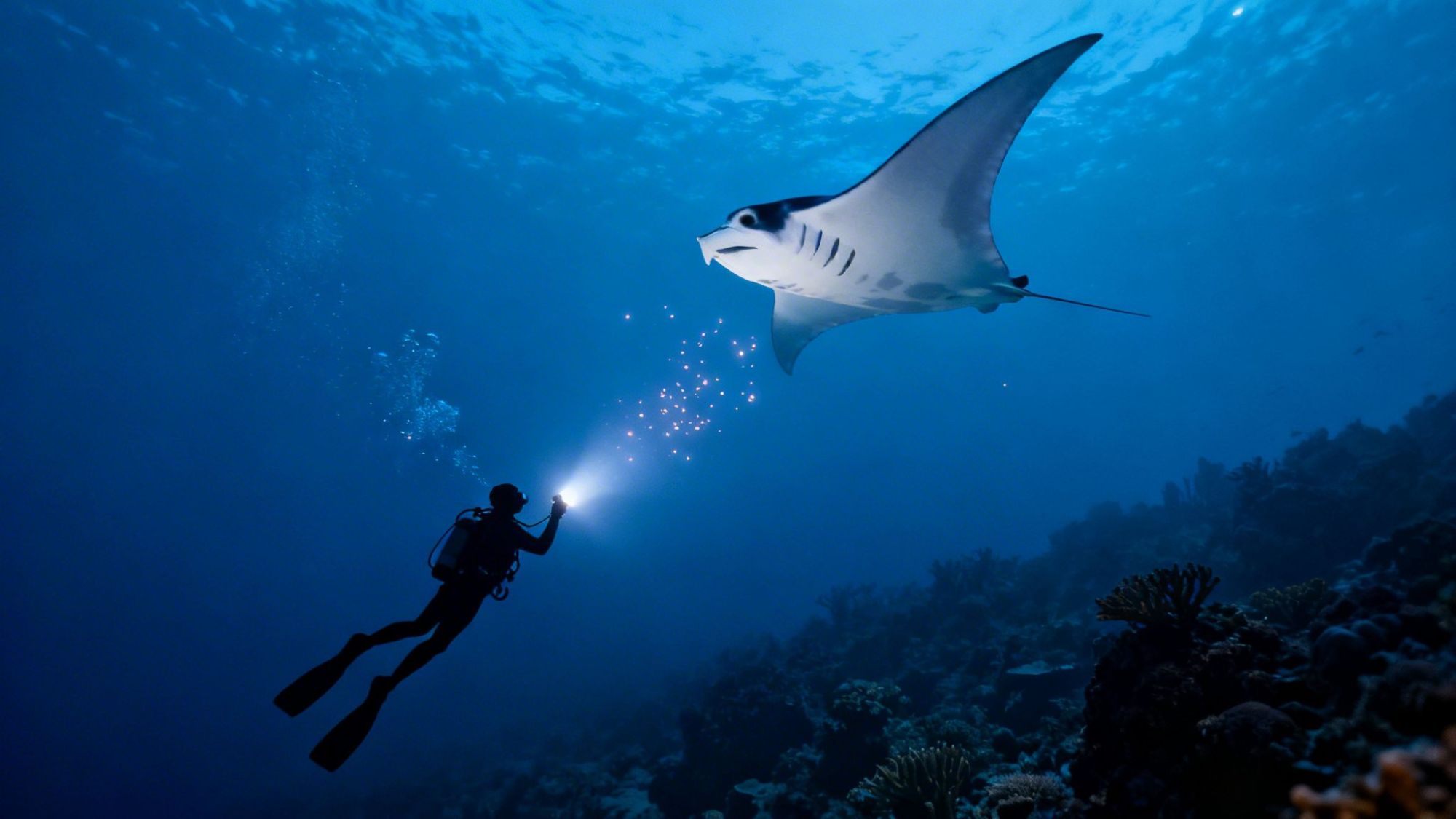
Picture this: you descend into the warm, dark Pacific while massive, graceful shadows glide just overhead. That’s the magic of the Kona manta ray night dive. The Big Island of Hawaii isn't just a good spot for this—it’s the world's absolute best place for reliable, jaw-dropping encounters with these gentle giants. This guide is your ticket to understanding it all.
As Hawaii's top-rated and most-reviewed snorkel company, Kona Snorkel Trips has earned its reputation as the go-to expert for these amazing underwater adventures.
Your Kona Manta Ray Adventure Awaits
Diving or snorkeling with manta rays in Kona is a true bucket-list moment, and picking the right crew to take you is everything. For those who prefer to snorkel, an exceptional alternative is Manta Ray Night Snorkel Hawaii, known for delivering fantastic surface-level encounters.

For certified divers who want the ultimate front-row seat, Kona Honu Divers is the top-rated & most reviewed diving company in both Hawaii and the Pacific Ocean. They run specialized trips that put you right on the ocean floor, looking up at the mesmerizing manta ballet. You can check out their famous manta ray diving tour page to see what that thrilling perspective is all about.
What Makes Kona a Manta Ray Hotspot?
The Kona coast isn't just a random place where mantas sometimes show up; it's one of the most reliable gathering spots on the planet. It all comes down to a perfect storm of underwater geography and a healthy, thriving ecosystem.
- A Plankton Buffet: The volcanic slopes create nutrient-rich upwellings that fuel massive blooms of plankton—the mantas' favorite food.
- A Resident Population: Kona is home to a year-round population of more than 450 individually identified reef manta rays (Mobula alfredi).
- Predictable Sightings: Local tour operators have figured out that shining bright lights into the water attracts the plankton, which in turn brings the mantas right to the group for a nightly feast.
This incredible natural setup leads to a staggering 80-90% success rate for sightings, which brings in around 80,000 visitors every year. In fact, historical data logged by underwater videographers shows an average of 12 mantas per dive! With water temps at a cozy 76°F and visibility often hitting 100 feet, nearly every trip is a winner. You can learn more about the science behind Kona's manta sightings on konahonudivers.com.
This blend of science and nature creates a near-guaranteed encounter. You aren't just hoping to see a manta ray; you're visiting their nightly dining room.
Whether you decide to dive to the seafloor or float on the surface as a snorkeler, your manta ray dive Kona experience is bound to be a highlight of your trip to Hawaii. We'll cover everything from choosing between diving and snorkeling to responsible viewing, making sure you’re totally prepared for this unforgettable adventure.
Choosing Your Manta Encounter: Dive Vs. Snorkel
So, you're ready to see the legendary Kona manta rays. Awesome. The first big decision you'll make is how you want to see them. You’ve got two main options: SCUBA diving or snorkeling, and honestly, they're two completely different worlds.
Think of it like going to a concert. Snorkeling is like having an exclusive, floating balcony seat with a panoramic view of the whole stage. Diving? That's your all-access, front-row pass on the ocean floor, looking up as the performers glide just inches over your head.

Both trips revolve around the same simple but brilliant idea: powerful underwater lights attract clouds of plankton, and the hungry mantas show up for an easy meal. Your choice just comes down to your comfort level in the water and what kind of view you're dreaming of.
The Snorkeler's View From Above
Snorkeling is hands-down the easiest way to witness the manta ballet. It’s perfect for families, people who aren't strong swimmers, and really, anyone who doesn't have a dive certification. You can check out this popular manta ray night snorkel tour for an idea of the experience.
On a snorkel tour, you'll float comfortably on the surface, holding onto a specially designed light board. This board shines a massive beam of light into the water beneath you, creating a glowing buffet of plankton that the mantas just can't resist. You get a stunning, top-down view of the entire scene as multiple mantas swoop and barrel roll right below. It's an incredible, low-stress way to take in all the action.
- Accessibility: Zero certification needed. If you can float, you can do this!
- Perspective: A wide, panoramic view of the mantas as they feed just a few feet beneath you.
- Comfort: You stay right at the surface, which is a big plus for anyone a little nervous about being fully submerged in the dark.
The Diver's Immersive Experience
For certified SCUBA divers, the manta ray dive Kona is an experience on another level. This is true immersion. Instead of watching from above, you'll descend to a sandy spot on the ocean floor, usually around 30-40 feet deep. Divers gather in a circle on the bottom, pointing their lights up to create a "campfire" of light that draws in the plankton.
And this is where the real magic happens. The manta rays glide directly over your head—sometimes just inches away—as they swoop through the light beams to feed. There's nothing quite like the feeling of a 12-foot manta gracefully soaring right above you. It's a moment that will stick with you forever.
A manta ray dive kona experience gives you a powerful, bottom-up perspective that lets you truly appreciate the massive size and elegance of these animals. For an absolutely unforgettable dive, check out our guide to Kona's best snorkeling spots for more underwater adventures.
Manta Ray Dive vs. Snorkel: Which Is Right for You?
Still on the fence? No problem. This quick table breaks down the key differences to help you decide which adventure is calling your name.
| Feature | Manta Ray Dive (SCUBA) | Manta Ray Snorkel |
|---|---|---|
| Certification | Open Water Diver certification required | No certification needed |
| Perspective | Bottom-up view from the ocean floor | Top-down view from the surface |
| Proximity | Mantas often glide inches overhead | Mantas swim a few feet below you |
| Equipment | Full SCUBA gear (tank, BCD, etc.) | Mask, snorkel, and fins |
| Experience | Immersive and up-close | Panoramic and wide-angle |
| Best For | Certified divers seeking an intense encounter | Families, beginners, and non-divers |
Honestly, you can't go wrong. Both options offer a front-row seat to one of nature's most spectacular shows. If you’ve made up your mind and are ready for an amazing night on the water, you can book your spot on one of Kona's top-rated snorkel tours right now.
The Science Behind The Nightly Manta Ballet
The nightly gathering of manta rays in Kona isn’t just a happy accident; it’s a brilliant display of nature and science working in perfect harmony. What makes the Kona coast a reliable global hotspot for a manta ray dive Kona experience comes down to a perfect recipe of geography, biology, and a little bit of human ingenuity.

It all starts with the Big Island itself. The massive underwater slope of the Hualālai volcano creates a phenomenon known as the "Island Mass Effect." Think of it like a giant speed bump on the ocean floor. As deep, cold currents flow past the island, they're forced upward, carrying a treasure trove of nutrients with them.
These nutrients fuel explosive blooms of phytoplankton—microscopic marine algae. This, in turn, provides a feast for zooplankton, creating a dense, protein-rich "soup" in the water. For our local manta rays, this plankton buffet is an all-you-can-eat dinner they simply can't resist.
Kona's Underwater Dining Rooms
This natural process gets supercharged at two specific locations along the Kona coast, which act as the mantas' favorite underwater dining rooms. These are the famous sites where all the tour action happens:
- Manta Village (Kaukalaelae Point): Just south of Keauhou Bay, this spot is shallower and more protected. Its unique geography acts like a natural funnel, trapping plankton and making it an incredibly reliable place to see the mantas feed.
- Manta Heaven (Makako Bay): Located a bit north near the Kona airport, this site is in deeper, more exposed water. The conditions here can attract different groups of mantas, offering a distinct but equally breathtaking show.
Decades ago, local tour operators figured out they could enhance this natural feeding frenzy. By shining powerful lights into the water after sunset, they attract the plankton into a concentrated cloud. The mantas, knowing exactly where to find an easy meal, show up night after night for the dazzling spectacle.
This interplay of volcanic geology, ocean currents, and light creates a reliable spectacle. You’re not just hoping to find mantas; you are visiting their designated nightly feeding grounds.
A Community of Gentle Giants
What truly makes the Kona experience so special is that you aren't just seeing random mantas passing through. You're meeting members of a local, resident population that has been studied for decades.
For over 40 years, dedicated researchers have been using photo-identification to catalog our mantas. By matching the unique spot patterns on each manta's belly (which are like a human fingerprint!), they've identified 318 unique individuals since 1979. This confirms we have a stable population that calls the Big Island home. You can dive deeper into the fascinating research on Hawaii's manta ray population to see just how unique they are.
This deep scientific understanding elevates your manta ray dive Kona tour. It's not just a wildlife viewing—it's a profound connection with a well-known community of individuals, many with their own names and histories. Want to learn more? Check out some fun facts about manta rays and their incredible lives.
What To Expect On Your Manta Ray Tour
Knowing what your manta ray dive Kona adventure will be like helps turn any pre-trip jitters into pure excitement. From the moment you show up at the harbor to the last boat ride back under the stars, every part of the trip is built to create a memory you won’t forget. Here’s a rundown of how the whole evening usually plays out.

Your night kicks off with a friendly check-in at the boat slip. This is where you’ll meet your crew, sign any waivers, and get sized up for gear like your wetsuit, mask, and fins. Pro tip: wear your swimsuit under your clothes. It just makes changing a whole lot faster and easier for everyone.
The Boat Journey And Safety Briefing
Once everyone’s ready, you’ll hop aboard for a scenic ride out to one of Kona's famous manta sites. The journey itself is half the fun, with incredible sunset views over the Pacific. As you head out, the captain and guides will gather everyone for a crucial safety briefing.
They’ll go over everything you need for a safe and awesome time in the water. You’ll learn how to get in and out, what to do once you're there, and—most importantly—the rules for being around the manta rays. The big one is no touching. This isn't just about your safety; it's about showing respect for these gentle giants and their home.
Listen up during this briefing. The crew’s instructions are there to keep both you and the mantas safe, and following them ensures the best possible experience for everybody.
A comfortable boat ride sets the right tone for the adventure. If you're someone who gets seasick, it’s a good idea to come prepared. Here are a few popular over-the-counter options people use:
The Underwater Dinner Bell
When you arrive at the spot, whether it's Manta Village or Manta Heaven, the crew sets up what we call the "dinner bell." This is where the real magic starts. They'll lower powerful, bright lights into the dark ocean below.
These lights act like a magnet for clouds of plankton, which is the manta rays' favorite food. It doesn’t take long for the mantas, who've learned to connect these lights with an all-you-can-eat buffet, to show up. You’ll be amazed at how quickly the first graceful shadow emerges from the deep. You can find out more about this fascinating process in our detailed guide on the manta ray night snorkel tour.
Your Time In The Water
Once the mantas arrive, it's your turn to get in. If you're snorkeling, you'll float at the surface, holding onto a special light board that shines down, drawing the mantas right below you. Divers will head down to a sandy spot on the seafloor, creating a "campfire" of light that points up toward the surface.
The experience is absolutely surreal. You'll see manta rays with wingspans of up to 12 feet or more glide, swoop, and do mesmerizing barrel rolls as they feed on the plankton caught in the light beams. The key is to stay calm, move slowly, and just take it all in. Your guides are in the water with you the whole time, keeping you safe and pointing out the different mantas by name.
Even with Kona's warm waters, a 45 to 60-minute night swim can feel chilly. Tour operators provide wetsuits for a reason—they are essential for staying warm and comfortable, so you can focus on the incredible show happening right in front of you. Afterward, you’ll climb back on the boat for snacks, hot drinks, and a thrilling ride back to the harbor, buzzing with stories of your amazing manta ray dive Kona encounter.
Practicing Safe And Responsible Manta Interaction
Witnessing the manta ray ballet in Kona is a true privilege. It's a magical moment where we become guests in their underwater home. To make sure these encounters stay safe for everyone—both us and the mantas—the whole experience is built around one core idea: passive interaction.
Simply put, you're there to watch, not to participate. Think of it like front-row seats at a world-class performance. You can get incredibly close, admire the beauty and detail, but you’d never jump on stage with the dancers. The same rule applies here. Your job is to stay still and let the mantas put on their incredible show around you.
The Golden Rules Of Manta Interaction
This isn't just about being polite; it’s absolutely critical for the health of the manta rays and keeping every manta ray dive Kona tour sustainable for the long run. Mantas have a special mucous coating on their skin, which is their first line of defense against nasty bacteria. Touching them, even accidentally, can rub off this delicate layer and leave them vulnerable to infections.
Every tour operator will hammer these rules home, but here they are:
- No Touching: This is the big one. Never, ever touch a manta ray. Let them be the ones to decide how close they get.
- Don't Chase or Pursue: Never swim after a manta. Chasing causes them a ton of stress and messes up their natural feeding.
- Stay Out of Their Way: Try not to block their path. Give them plenty of room to move freely through the water.
- Stay Still: Whether you're diving on the seafloor or snorkeling up top, try to remain relatively stationary. This makes you a predictable, non-threatening part of their environment.
Following these simple rules is the most important thing you can do as a visitor. It ensures the mantas feel safe and keep coming back, which secures this amazing experience for many years to come.
Choosing A Responsible Operator
Your choice of tour operator makes a huge difference in protecting Kona’s manta ray population. The best companies are deeply committed to conservation and safety, making sure their tours help, not harm, the local ecosystem.
A great way to spot a responsible operator is to see if they follow the guidelines set up by local conservation groups. Many of the top-tier operators, including us here at Kona Snorkel Trips, are recognized for sticking to strict standards for sustainable manta interactions. These rules were created with marine biologists and researchers to build a system that puts the mantas’ well-being first. You can get a broader sense of the best practices for enjoying Hawaii's amazing marine life in our guide to snorkeling in Hawaii.
When you pick a company that’s committed to these principles, you’re voting with your wallet for the future of one of nature’s most incredible shows. Your mindful participation helps guarantee that the nightly manta ballet in Kona will continue to mesmerize visitors for generations.
Your Kona Manta Adventure Checklist
Showing up prepared for your manta ray dive Kona experience is what separates a great trip from a truly unforgettable one. When you know what to bring and what to wear, you can just relax and soak in the magic. This quick checklist will make sure you’re ready for every moment.
What To Bring On The Boat
After a night swim in the Pacific, you'll be happy you brought a few comforts from home. Tour operators provide all the essential snorkel and dive gear, but packing a small bag with these personal items makes a world of difference.
- A Towel: This sounds like a no-brainer, but it's the number one thing people forget. You’ll want it the second you climb back on board.
- Dry Change of Clothes: Trading your wet swimsuit for dry clothes is the key to staying warm and comfy on the boat ride back to the harbor.
- Reusable Water Bottle: It's important to stay hydrated, even when you're out on the water on a cool evening.
- Underwater Camera: Got a GoPro or another waterproof camera? Make sure it's fully charged and ready to capture the action.
What To Wear For Your Tour
Dressing in layers is the name of the game. The goal is to be comfortable on the boat before your swim and cozy and warm afterward.
The easiest way to do this is to wear your swimsuit under your regular clothes. That way, getting into your wetsuit is a quick and simple process. For the ride back, a warm hoodie, jacket, or long-sleeved shirt is an absolute must. Even on a balmy Hawaiian night, the wind on the boat can feel pretty chilly after getting out of the water. For more ideas, check out our guide on what to wear for snorkeling.
Pre-Tour Preparation
A little bit of prep before you even leave your hotel can set you up for a perfect night, especially if you're someone who gets a little queasy on boats.
A smooth boat ride is the perfect start to a magical night. If you’re worried about seasickness, it’s always better to be proactive and take something beforehand.
Many people find that simple, over-the-counter remedies do the trick. To make sure your journey is a comfortable one, consider these popular options:
- The Ship-EEZ Seasickness Patch is a discreet patch you can apply before you even head to the harbor.
- Dramamine pills are a classic, time-tested choice for preventing motion sickness.
- Bonine pills are another go-to option that's known for being less drowsy.
- Sea-Band wristbands offer a drug-free alternative that uses acupressure.
- Ginger chews are a natural and tasty way to settle an uneasy stomach.
Lastly, try to have a light meal an hour or two before your tour. A little something in your stomach can help with seasickness and will give you the energy you need for an incredible adventure. With this checklist in hand, you're all set for a fantastic night with Kona’s majestic manta rays.
Your Kona Manta Ray Dive Questions Answered
Even after doing all the research, it’s totally normal to have a few last-minute questions before you book a manta ray dive in Kona. We get it! This is a big deal, and you want everything to be perfect. So, let's clear up some of the most common things people ask, so you can feel 100% confident and ready for an incredible adventure.
When Is The Best Time Of Year To Go?
Here's the fantastic news: Kona's manta rays don't take vacations. They're here year-round, so there's really no "bad" time to see them.
That said, if you're looking for the absolute best conditions, aim for a trip between April and October. This is our summer season, and the ocean is typically calmer with glassy water and amazing visibility. It just makes for a smoother, more comfortable experience all around, especially if it's your first time.
Winter (November to March) can bring bigger swells and stronger winds. The mantas are still out there doing their thing, but rougher seas can sometimes lead to tour cancellations.
How Likely Am I To See Manta Rays?
Your chances are ridiculously high. In fact, the Kona coast is one of the most reliable places on the entire planet to see manta rays.
Tour operators consistently report an 85-90% success rate for manta ray sightings. This isn't a shot in the dark; it's a well-established natural event that happens nearly every single night.
What Is The Water Temperature Like?
Kona's ocean waters are wonderfully warm all year, usually hovering around a pleasant 76°F (24°C).
Every tour operator will give you a wetsuit, and it's a non-negotiable for staying comfortable. You'll be in the water for about 45-60 minutes at night, and without that extra layer, you'd get chilly fast. The wetsuit makes all the difference, letting you relax and enjoy the show instead of thinking about the temperature.
Are There Age Or Swimming Restrictions?
For safety, there are some basic requirements, and they differ a bit between snorkeling and diving.
- For Snorkelers: Most tours welcome kids as young as 5, as long as they're comfortable in the water and have an adult with them. You don’t need to be an Olympic swimmer, but you should be able to float calmly and not panic.
- For Divers: If you want the full scuba experience on a manta ray dive Kona tour, you must have an Open Water Diver certification. The dives themselves are pretty shallow—usually around 30-40 feet—making them accessible for most certified divers.
The sheer consistency of these encounters is what has made Kona famous, drawing about 80,000 visitors each year to swim with these gentle giants. It's not uncommon to see an average of 12 mantas on a single trip, especially at hotspots like Manta Village and Manta Heaven where conditions are just right. If you want to dive deeper into the numbers, you can find out more about the science behind these amazing sighting statistics on konahonudivers.com.