
Ultimate Kona Whale Tours Guide for Unforgettable Encounters
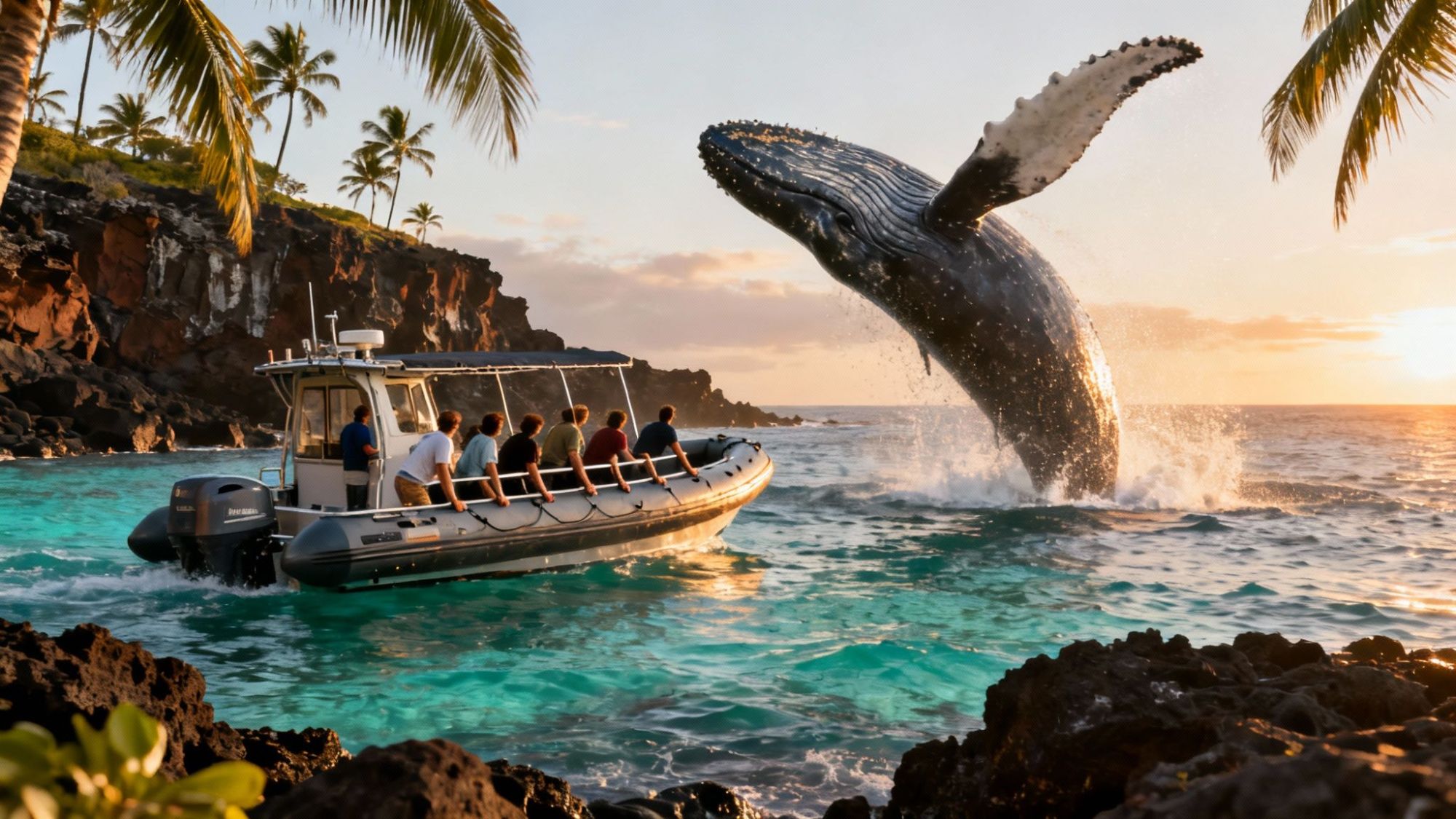
When you dream of witnessing migrating humpbacks at arm’s length, Kona whale tours put you right in the heart of the action. These guided trips pair exhilarating wildlife encounters with eco-conscious methods that safeguard Hawai‘i’s ocean inhabitants. Booking with Kona Snorkel Trips, Hawaii’s highest-rated and most-reviewed snorkel company, means your voyage comes backed by local know-how, safety-first operations, and a deep commitment to sustainability.
Introduction To Kona Whale Tours
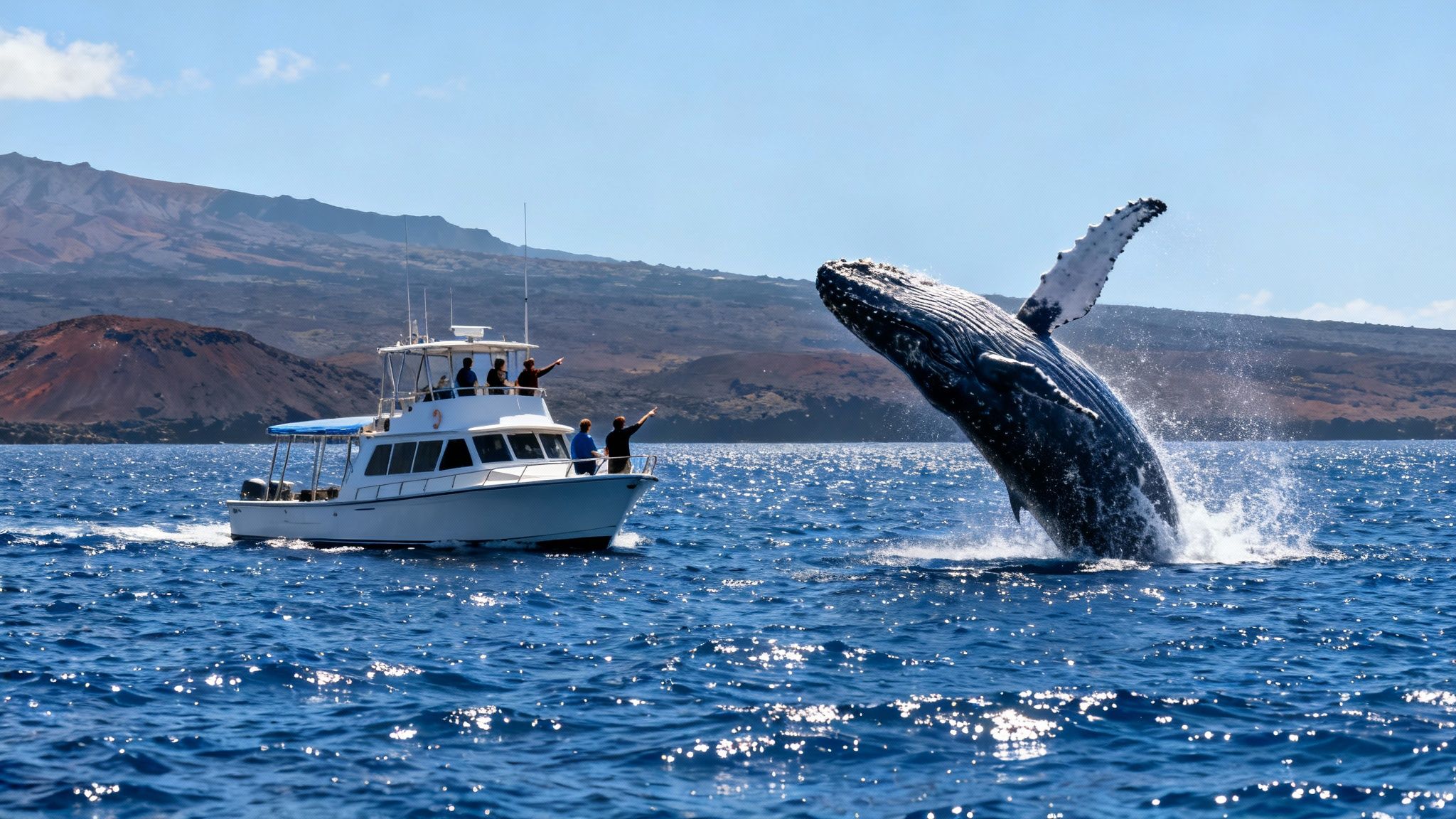
Quick Answer Kona whale tours guarantee close-up humpback sightings and a guilt-free eco-friendly trip.
- Understanding whale species and behavior
- Optimal timing and season strategies
- Vessel types and encounter success
- Safety and environmental guidelines
- Pricing, booking tips, and operator vetting
- Answers to common traveler questions
What To Expect On Your First Tour
Tours set off from Kailua-Kona harbor, slipping smoothly into tranquil blue seas just beyond the reef. Along the way, our certified guides weave in stories about humpback biology, making every tail slap or breach a chance to learn something new.
By the time we return, you’ll have a fresh perspective on these ocean giants—perfect preparation before we dive into species, seasons, and booking tips.
I’ll walk you through everything: from spotting the best months to selecting the right boat and sealing the deal with insider tricks I’ve picked up after hundreds of trips. Read on for in-depth advice on seasons, safety measures, costs, and how to vet the perfect operator.
Learn more about whale watching on the Big Island in our comprehensive guide to Big Island whale watching.
West Hawai‘i’s coastline gleams in shades of emerald and sapphire under the tropic sun. Gentle trade winds chart a course for smooth seas—prime conditions for whale spotting.
Every winter, thousands of humpbacks cruise into these warm currents to mate and raise their calves. Local operators follow strict environmental rules, keeping a respectful distance while stacking the deck in your favor for sightings.
Preview Of Upcoming Sections
Next up: a deep dive into humpback biology, a breakdown of seasonality, a look at different vessels, plus everything you need to know about safety, pricing, and snagging the best seat on the boat. We’ll build each chapter like steps on a ladder—starting with basics, climbing toward insider knowledge, and ending with the confidence to pick your perfect tour.
With more than 330,000 happy adventurers on our decks, Kona Snorkel Trips has earned its reputation as Hawaii’s most-reviewed snorkel outfit. Our lifeguard-certified crew, carefully sized groups, and no-compromise approach to sustainability mean your experience is both intimate and responsible.
Every booking channels funds back into whale conservation programs, and we strictly follow NOAA guidelines to keep these giants safe. We outfit our vessels with raised viewing decks and live hydrophones so you can watch and listen as those deep calls echo through the water.
Now that you’ve had a sneak peek, gear up for section two: a closer look at humpback behavior and the fascinating social world of these ocean acrobats.
Picture a mother whale and her calf gliding side by side, their mirrored movements telling a story of oceanic devotion beneath a wide blue sky. On board, you’ll enjoy lively commentary, light snacks and drinks, and even the chance to snorkel alongside frolicking spinner dolphins. It’s a balance of thrills and mindfulness—every moment crafted to leave you inspired and the whales undisturbed.
Understanding Whale Species and Behavior
Imagine humpback whales tackling a 3,500-mile marathon from Alaska down to Hawai‘i each winter.
On Kona whale tours, these ocean giants steal the show in a live performance you’ll never forget. Their long voyage is a testament to endurance—and a reminder of nature’s grand design.
Of course, humpbacks aren’t the only stars in Kona’s waters. Spinner dolphins and pilot whales often share the stage, turning an “off-season” trip into a mini wildlife safari. Each species brings its own signature moves and social drama.
- Humpback Whales surface with a thunderous exhale and then arch for a deep dive.
- Spinner Dolphins launch themselves skyward, spinning above the surface in acrobatic bursts.
- Pilot Whales cruise in tight-knit pods, chatting with clicks and whistles as they hunt.
Humpback Marathon Migration
Every summer, humpbacks gorge on krill and tiny fish in polar feeding grounds. Then, come winter, they fast—leaning on built-up fat reserves as they swim south.
This fasting stretch is essential for mating and nurturing newborn calves.
- Females usually birth one calf every two years after a 12-month gestation.
- Mothers and calves practice synchronized swimming, a critical lesson in ocean survival.
- Tail slaps and pectoral fin waves become a living language, signaling everything from play to warning.
Multi-Species Sightings
Even outside the peak humpback season, Kona’s resident populations deliver unforgettable encounters. Photo-ID programs have cataloged at least 1,200 distinct cetacean individuals around Hawai‘i, with roughly 19,000–20,000 humpbacks passing through each year. Add 8,000 melon-headed whales statewide, and you’ve got plenty of company. Learn more about whale and wildlife research
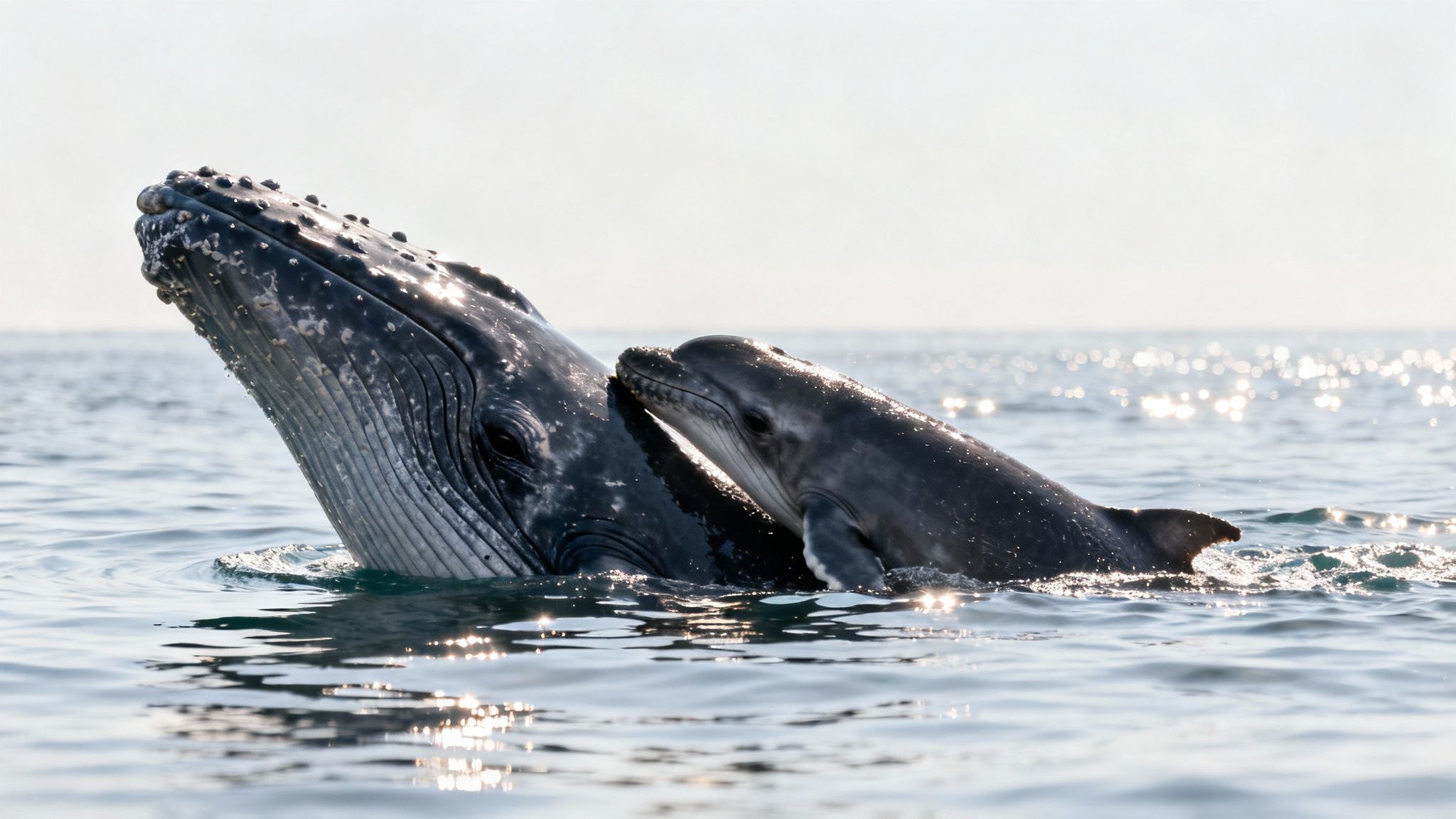
That photo of a fluke pattern? It’s as unique as a fingerprint. Scientists rely on those black-and-white markings to track individual whales year after year.
On deck, nothing beats watching a mother and calf weaving through the water together—like partners in a choreographed dance. The calf mirrors every movement, forging a bond you can almost feel.
Seeing a humpback’s tail slap the water is like watching its version of a morning stretch—a signal that it’s time to wake the ocean.
By respecting these natural rhythms, Kona whale tours ensure you witness genuine behavior without disturbing the animals.
Dolphin And Pilot Whale Behaviors
Spinner dolphins hunt in pods along reef edges, snapping up small fish and showing off with spontaneous spins. Pilot whales, on the other hand, dive beyond 500 feet in search of squid, using powerful sonar clicks to navigate the deep.
- Spinner pods often include dozens of individuals performing synchronized flips.
- Pilot whales coordinate deep dives, then surface together in what feels like a synchronized finale.
By maintaining a respectful distance and easing off the throttle between sightings, you’ll catch echolocation bursts and acrobatic flips without interrupting the show.
Why Behavior Matters
Understanding when and where each species performs leads to richer wildlife encounters. Early mornings often bring calm seas and active spinners near the shore. Midday, you’ll catch humpback breeding displays—tail slaps, breaches, and mother-calf bonding rituals.
Plan your Kona whale tour around these natural schedules and you’ll maximize your chances of seeing signature behaviors up close. It’s not just about ticking off species; it’s about connecting with the rhythms of the ocean.
Seasonality And Best Times For Tours
Booking a Kona whale-watching trip can feel like chasing front-row seats at a sold-out show beneath the waves. Humpbacks roll into Hawaiian waters in December, put on the most spectacular displays through January and February, and then drift away by March. For instance, if you sail in early December you’ll enjoy fewer crowds and calmer seas. But mid-winter is when those dramatic breaches really light up the stage.
Monthly Whale Activity Shifts
- December: Humpbacks edge closer to shore, with about 60% chance of encounters per trip.
- January–February: Peak season—80–90% odds of spotting whales and catching breaching action.
- March: Sightings ease back to roughly 50%, yet longer days and glassy waters still reward the patient observer.
Sea Conditions And Daylight Hours
Kona’s bay offers shelter from most North Pacific swells. That means even if winter storms are brewing offshore, your January outing often feels pleasantly smooth. Plus, daylight stretches from about 10 hours in December to nearly 12 hours in March—more time for you to soak in whales and sunsets.
- December: Around 10 hours of daylight (sunrise ~7 AM, sunset ~5 PM).
- January: Roughly 10.5 hours, with sunrise shifting to about 6:50 AM.
- March: Nearly 12 hours, golden-hour shots possible well past 6 PM.
Whale Watching Season Comparison
Below is a quick glance at what each month brings. Use this to pick your ideal window for the best sightings.
| Month | Primary Species | Peak Activity | Average Sightings Per Trip |
|---|---|---|---|
| December | Humpback Whales | Moderate (60%) | 3–4 |
| January | Humpback Whales | High (90%) | 5–7 |
| February | Humpback Whales | High (85%) | 4–6 |
| March | Humpback Whales | Moderate (50%) | 2–4 |
Even as the numbers shift, every winter more than 8,000 North Pacific humpbacks migrate 3,500 miles to Hawaiian waters. They concentrate inshore from December through March—peaking in January and February—and support a local fleet of around 50 operators carrying 330,000 passengers over roughly 120 days. Learn more about migration and impacts in the Love Big Island whale watching overview.
For a deeper dive into monthly trends, check our full guide on Big Island whale watching season.
Peak Holiday Booking Considerations
Holiday weeks around Christmas and New Year drive prices up by about 20% and sell out fast. To lock in the best rates and departure times, book 3–4 months ahead. If you crave that festive buzz but want to skip the crowds, aim for mid-December.
- Monitor October flash sales for early-bird deals.
- Steer clear of tours between December 24–January 2 to avoid peak holiday pricing.
Balancing Cost Comfort And Crowds
Finding your sweet spot means weighing budget, sea comfort, and encounter odds. Early-December and late-March sails—Kona’s shoulder season—often come with quieter mornings and lower prices. Meanwhile, January and February command a premium but deliver the highest chance of watching a whale breach just feet away.
Tips for Maximizing Value
- Book early-morning cruises to enjoy calmer seas and active whales.
- Choose weekday departures for smaller groups and possible discounts.
- Consider afternoon sunset tours—whale silhouettes against a fiery sky are unforgettable.
Insider Hack “Arrive at the harbor 15 minutes early to claim a front-row spot on the viewing deck.”
Checklist Of Must-Book Dates And Hacks
- Book between January 10 and February 15 for top sighting odds.
- Opt for early-morning or sunset sails to dodge larger midday crowds.
- Look for bundled deals that combine whale watching with snorkeling or Big Island tours.
- Review cancellation policies—weather can be unpredictable.
- Subscribe to operator newsletters for flash discounts and last-minute openings.
Tour Types And Encounter Success
Picking the right vessel for a Kona whale tour is like choosing concert seats. Do you want the electric front-row rush or a laid-back lounge view?
Boat design shapes how you feel every swell, hear whale calls, and connect with the ocean. Local operators customize hulls to minimize wake and rotate smoothly—keeping engine wash at bay so your focus stays on the whales, not the ride.
-
Zodiac Inflatable
- Pros: High-adrenaline, close-to-water thrills; groups of 6–10.
- Cons: No-cover seating, minimal shade.
-
Chartered Catamaran
- Pros: Rock-solid deck, onboard restroom, shady lounges for up to 30 guests.
- Cons: Bulkier around pods, less nimble.
-
Eco Trimaran
- Pros: Fast yet roomy, top-deck lookout with panoramic views.
- Cons: Mid-sized capacity, slightly steeper fares.
Quick Cruises Versus Island Hopping
The 3-hour express whale watch is pure espresso—short, intense, and often starts at dawn. You’ll zip along the coast at 25 knots, chasing early-bird breaches before breakfast.
All-day island-hopping runs roughly 12 knots, blending steady cruising with plenty of downtime. Expect snorkeling stops over vibrant reefs, playful dolphin fly-bys, and marathon whale sessions.
Multiple Kona operators report spotting 3–6 humpbacks every 15 minutes at peak season, with private trips boasting sighting rates above 90% in January–February. Discover more insights about local sighting rates in our article on whale watching in Kona Hawaii.
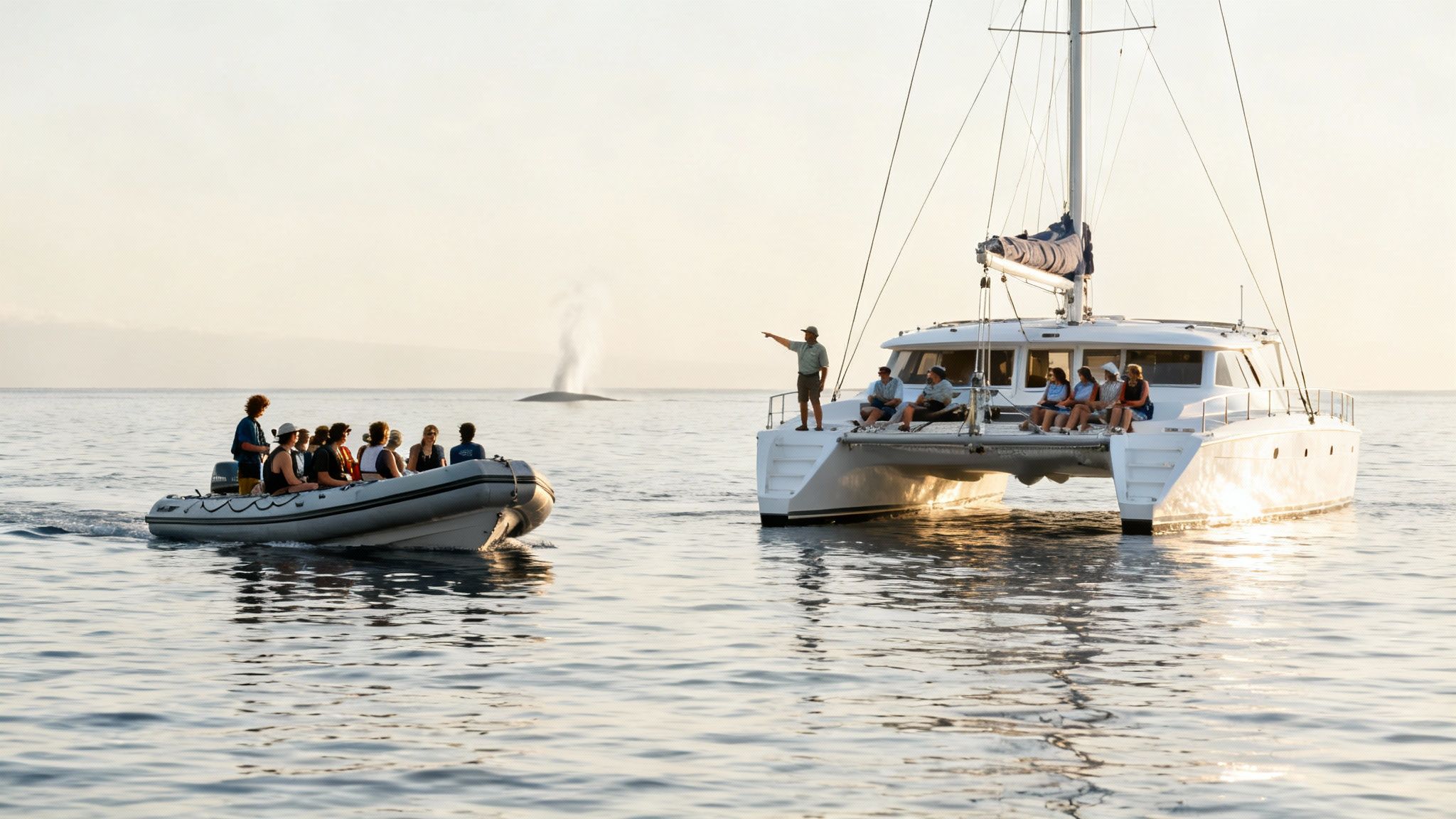
Case Study
A family of five on a zodiac counted six whales breaching in just 30 minutes—undoubtedly the highlight of their Hawaiian getaway.
Amenities That Matter
Small tweaks onboard can transform your trip from good to unforgettable:
- Certified Naturalist: Real-time whale behavior insights.
- Hydrophone System: Whale songs piped through speakers.
- Snorkeling Breaks: Swim with spinner dolphins between sightings.
- Onboard Refreshments: Fresh fruit, bottled water, light snacks.
- Safety Gear: Life jackets, flares, and fully stocked first-aid kits.
Tours with onboard naturalists score an average 95% guest satisfaction. Hydrophones turn near-silence into live concerts, letting you eavesdrop on whale conversations.
How To Choose The Right Vessel
Answer these three questions to zero in on your best match:
- What’s your budget?
- Do you need easy boarding or full mobility support?
- Are you chasing thrills or taking it easy?
| Budget Level | Mobility Needs | Thrill Factor | Recommended Vessel |
|---|---|---|---|
| Low | Low | Low | Chartered Catamaran |
| Medium | Medium | Medium | Eco Trimaran |
| High | High | High | Zodiac Inflatable |
“Matching your group’s mobility and thrill level with the right boat directly boosts both comfort and sighting success.”
Learn more about vessel options in our guide on Whale Watching Tours on Hawaii Big Island.
Review cancellation policies for peace of mind before you book.
Key Takeaways
- Zodiacs deliver front-row thrills for small groups.
- Catamarans emphasize stability, shade, and onboard facilities.
- Trimaran hybrids offer a speed-and-spaciousness balance.
- Always check for hydrophones, restrooms, and up-to-date safety gear.
Operator Spotlight
Kona Snorkel Trips runs zodiac and catamaran tours capped at 25 guests. Their lifeguard-certified crew, experienced naturalists, and custom hulls maintain a 90%+ encounter rate. Each guest receives a complimentary marine ID guide to spot whales and dolphins, and every tour supports ongoing whale conservation and local research.
Safety And Environmental Guidelines
From the moment you secure your spot on a Kona whale tour with Kona Snorkel Trips, preparation kicks in. A brief yet thorough safety overview covers life jacket fitting, sun protection, and guest etiquette. Think of it as our version of an airline demo—concise, comforting, and designed to set you at ease.
Pre-Trip Health Precautions
Checking in on your health and mobility before boarding is key. It’s a lot like a pilot’s pre-flight checklist—simple but critical. We ask about any special needs so families and senior travelers can plan ahead.
For instance, loose-fitting layers and sturdy, non-slip footwear go a long way toward keeping you steady on a rocking deck.
Essential Safety Tips
- Life Jacket Protocols: Confirm proper fit and buoyancy features before departure.
- Sun-Smart Strategies: Apply reef-safe sunscreen, don a wide-brim hat, and wear UV-blocking eyewear.
- Hydration and Snacks: Keep a water bottle and light snacks on hand to sustain energy.
- Seasickness Remedies: Pack acupressure bands, ginger chews, or prescribed tablets for comfort.
Whale Distance Compliance
Respecting marine life means following NOAA’s distance rules—they’re not bureaucratic hurdles but acts of ocean kindness. Our captains hold back at 100 yards from adult humpbacks and steer clear of quick course changes. Closer to moms and calves in shallow waters, state law enforces a 50-yard buffer.
“Keeping a respectful distance creates a safe viewing space for both whales and passengers.”
| Authority | Minimum Distance | Purpose |
|---|---|---|
| NOAA | 100 yards | Minimize stress and acoustic strain |
| Hawaii State | 50 yards | Protect maternal and calving zones |
| Operator | 100 yards | Enforce highest safety standards |
Eco-Friendly Onboard Practices
We strive to leave only footprints in the water. All lunch service is zero-waste, using reusable containers and utensils. Additional measures include:
- Silent Engine Zones: We ease off the throttle near pods to reduce underwater noise.
- Mindful Photography: A strict no-flash rule prevents startling marine life.
- Reusable Drinkware: Stainless steel cups replace disposables for every guest.
Captain Kealoha’s ban on plastic cups this season sparked a fleet-wide shift. His crew reports a 30% drop in onboard waste since the change.
“On one Kona whale tour, passenger Anna praised the silent engine zones for letting her hear whales sing just 15 feet away.”
Post-Encounter Conduct
Once a whale drifts off, we practice quiet observation—no sudden moves or loud voices. Keeping cameras still and voices low honors the whale’s space and improves your next sighting chances.
Emergency Procedures
Before departure, we run a quick drill similar to airline safety demos. Everyone learns where to muster and how to signal the crew if help is needed.
- Muster Stations: Clearly marked zones for gathering.
- Communication Signals: Standard hand gestures and horn codes for instant coordination.
- First-Aid Kits: Centrally located with certified team members on standby.
Family And Motion Sickness Checklist
Planning a smooth trip is easy with this checklist:
- Pack seasickness aids like acupressure bands or prescribed medication.
- Wear breathable layers to adjust to sun and sea breezes.
- Ensure every life jacket fits snugly before casting off.
- Bring snacks—crackers, citrus fruits, or protein bars—for steady blood sugar.
- Follow best practices for snorkeling and onboard safety—learn more in our guide on Snorkeling Safety Tips and Trip Preparation.
With these steps, your Kona whale tour is set to be as safe as it is unforgettable.
Booking Tips And Pricing For Kona Whale Tours
Finding the right whale tour in Kona can feel like scanning a menu at your favorite bistro. You want clarity, value, and a clear sense of what you’re getting. Below, you’ll find straightforward rates, money-saving tricks, and guidance on picking an operator you can trust.
Pricing Models
Think of your tour cost as an itemized bill—no surprises, just transparent choices. Most operators offer three main formats:
| Option | Rate Per Person | Notes |
|---|---|---|
| Shared Group Tour | $89–$125 | Standard 2–3 hour sail with naturalist |
| Bundled Snorkel + Whale | $140–$185 | Includes gear, guide, and refreshments |
| Private Charter | $750–$1,200 total | Custom departure times and routes |
On average, a shared tour runs about $110 per adult. Packages that join snorkeling and whale watching can trim about 15% off the total compared to booking each separately.
In one family’s case study, four travelers booked a shared March trip and saved 20% versus a peak-season January departure. It shows how timing and group size translate into real dollars back in your pocket.
Money Saving Tactics
Smart adjustments can unlock serious savings:
- Snag early-bird specials—these often drop in August or September.
- Pick weekday departures for lower rates and cozier groups.
- Subscribe to operator newsletters to grab coupon codes.
- Bundle activities (snorkel + whale watch) for package discounts.
“Booking a midweek March sail saved our family over 20% compared to January rates.” — Guest Testimonial
You can also tap into seasonal promos. Learn more about enhancing your adventure in our guide on Big Island whale watching tours.
Booking Timeline Tips
Locking in your trip early means more choices and better prices. Industry data shows boats fill up 3 months ahead during busy periods.
Follow these simple steps for a stress-free reservation:
- Review cancellation policies to allow free modifications.
- Note deposit requirements and refund cut-off dates.
- Set a reminder one week before departure to spot last-minute deals.
- Compare shared versus private slots for potential upgrades.
Booking your Kona whale tour 90 days ahead often means lower rates and great departure slots.
Don’t forget to ask about weather-related refunds and rescheduling options.
Vetting Operators
A credible operator is the backbone of a safe, memorable voyage. Look for:
- Eco-Certifications such as Green Business Hawaii.
- Recent Guest Reviews on Google and TripAdvisor.
- Whale-Friendly Credentials meeting NOAA and state guidelines.
- Safety Records with lifeguard-certified crews and well-maintained vessels.
- Expert Naturalists trained in marine biology and local lore.
Kona Snorkel Trips shines with a 90%+ whale-encounter rate, lifeguard-certified guides, and consistent five-star feedback. Their focus on safety and storytelling makes every voyage both fun and educational.
Red Flags And Green Lights
Keep this mini-checklist handy before you press “book”:
Red Flags
- Vague pricing without clear inclusions
- No proof of vessel or crew certifications
- Overcrowded group sizes (30+ guests)
- Missing whale-friendly credentials
- Lack of recent guest feedback
Green Lights
- Transparent per-person and package rates
- Visible eco and safety certifications
- Small group caps (under 25 guests)
- Confirmed NOAA distance compliance
- Naturalists onboard who know their whales
A reputable operator will gladly answer your questions, showcase safety gear, and share recent sighting logs. Always double-check what each price covers—look for hidden fuel surcharges or park fees so your final bill stays worry-free.
Frequently Asked Questions
Planning your Kona whale watching adventure brings up a few common questions. Here, you’ll find everything from what to pack to how we handle weather delays. Think of this as your go-to guide—arrive relaxed, prepared, and ready for humpbacks.
- What Should I Pack And Wear On Kona Whale Tours?
- How Close Can Our Boat Legally Get To The Whales?
- Are Infants, Children, Or Seniors Allowed On Board?
- What If A Trip Is Canceled Due To Weather?
Packing And Attire
What you wear truly shapes your day at sea. Start with a moisture-wicking base layer, add a cozy fleece or windbreaker, then top with a light jacket you can stow if the sun pops out.
- Non-slip shoes for moving around wet decks
- Reef-safe sunscreen and a wide-brim hat to protect from Kona’s rays
- Polarized sunglasses and a waterproof bag for your phone, keys, and camera
Dressing like an onion—layer by layer—means you’ll stay cozy in the morning chill and cool as the sun climbs overhead.
Boat Approach Rules
Getting front-row seats to a whale breach is incredible, but we play by strict guidelines. Federal and state laws mandate a 100-yard buffer from adult whales and a 50-yard zone around mother-calf pairs.
- Maintain 100-yard distance from adult whales
- Give moms and calves at least 50 yards of space
- Keep engines idling slowly to minimize noise
- Never block a whale’s swim path
Proper spacing not only keeps us legal—it makes every tail slap and spy-hop even more memorable.
Passenger Eligibility
From newborns to grandparents, everyone’s welcome aboard. Infants ride snug on a parent’s lap, while seniors can request extra handrails. Our life jackets come in all sizes, and the crew will steady you at embarkation.
Guest Prep Tips
- Arrive 15 minutes early for check-in
- Bring light snacks and plenty of water
- Pack seasickness remedies just in case
Weather Cancellations
Ocean conditions can change on a dime. If rough seas or high winds force a cancelation, choose a full refund, a reschedule within six months, or a voucher for a future trip. Our captains monitor forecasts constantly and will let you know at the first sign of trouble.
A flexible cancellation policy means you never lose out on the magic of humpback season.
Keep both printed and digital confirmations handy, and always dress in buoyant, layered gear—even if the sky looks clear.
Final Recommendations
- Check tomorrow’s weather forecast before bed
- Confirm your life jacket size and gear with the office
- Review refund and rebooking options in advance
- Listen closely to the onboard safety briefing
A little preparation goes a long way toward an unforgettable whale encounter.
Use this FAQ to dot the i’s and cross the t’s on your trip planning. Then sit back, sip your morning coffee, and get ready to witness one of nature’s greatest shows off the Kona Coast.
Book your adventure with Kona Snorkel Trips