
Kona manta ray snorkeling: Top Tours, Timing & Safety Tips
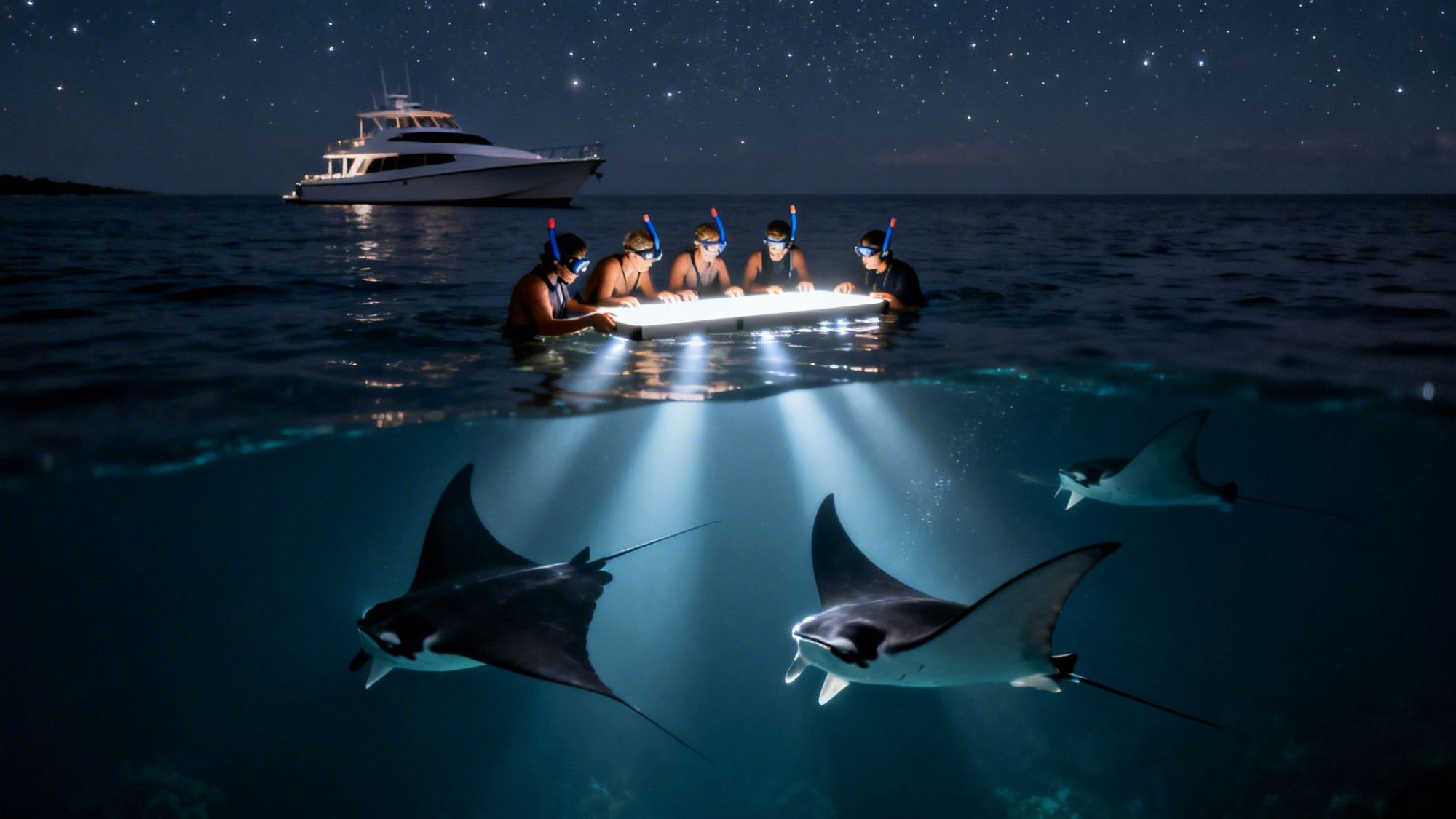
Picture this: you're floating weightlessly in the calm, dark Pacific Ocean. Just inches below, giant, gentle manta rays glide and somersault, their massive wingspans outlined by brilliant underwater lights. This isn't some rare, once-in-a-lifetime wildlife sighting—it's the nightly spectacle that makes Kona manta ray snorkeling a world-famous, bucket-list adventure. It's an otherworldly ballet that puts you right in the middle of the ocean's magic.
Why This Nightly Ballet Is a Must-Do Adventure
Kona is the planet's absolute best spot for manta ray encounters for one simple reason: consistency. We have a stable population of over 450 identified manta rays who love the plankton-rich waters here. Because of that, the success rate for seeing these gentle giants is an incredible 80-90% year-round.
This isn’t just looking at fish. It’s a fully immersive experience where powerful lights are used to attract plankton, which in turn draws in the mantas for their nightly feast. To make sure you get the best, safest, and most memorable view of this phenomenon, your guide is everything. As the top-rated and most-reviewed snorkel company in Hawaii, Kona Snorkel Trips lives for creating these moments.
What Makes The Encounter So Captivating
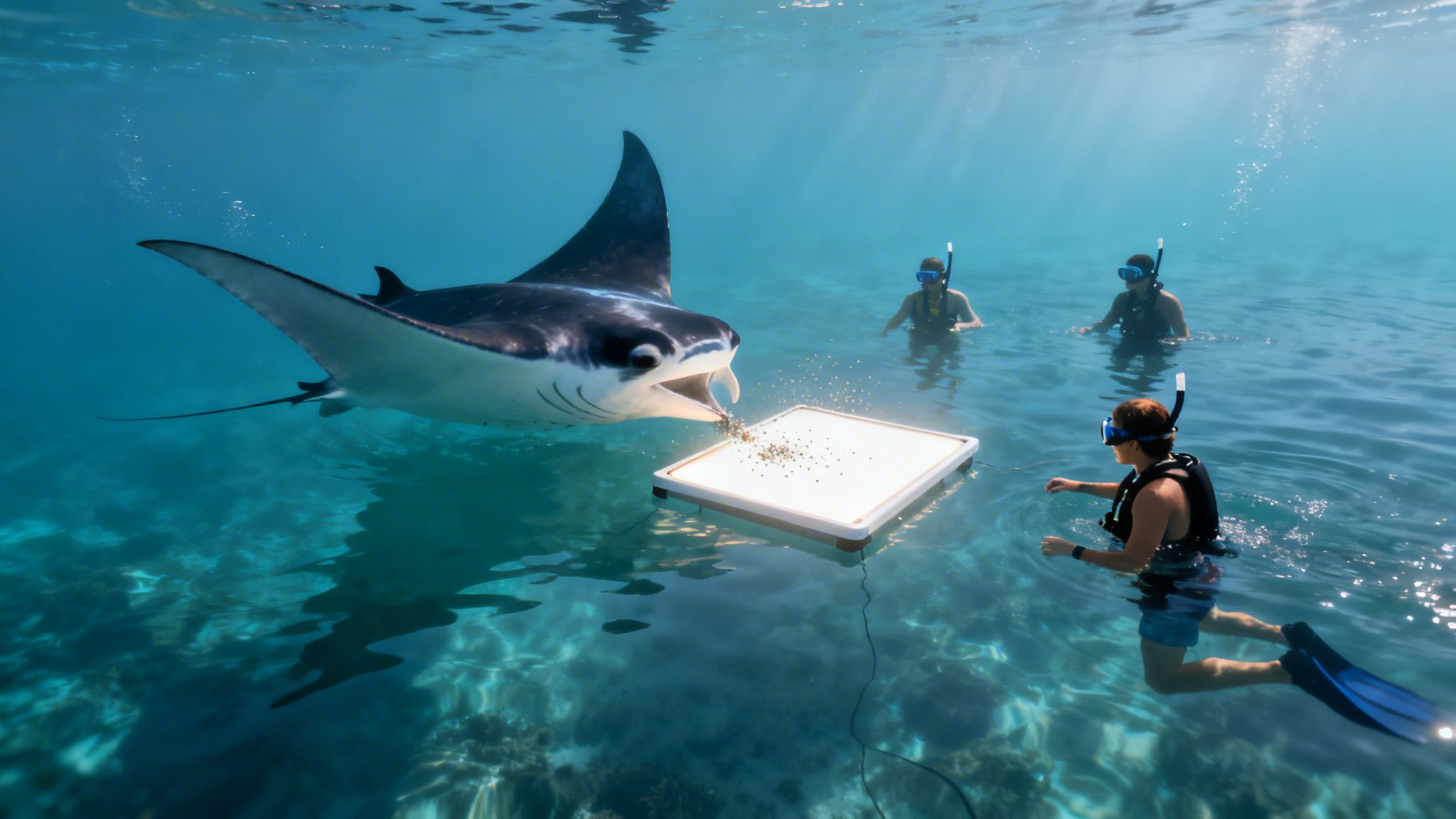
What turns this from a fun activity into a core memory is just how graceful and intimate the whole thing feels. You'll be floating comfortably on the surface, holding onto a custom light board, while these magnificent creatures perform an acrobatic "dance" right beneath you. The entire experience is designed to be safe and comfortable, making it perfect for beginners and families.
Here's what really makes it so special:
- Proximity and Grace: There's nothing like witnessing a creature with a wingspan up to 16 feet glide effortlessly within inches of you. It's profoundly moving.
- The Otherworldly Glow: The bright lights cutting through the dark ocean create a surreal, stage-like setting for the mantas' feeding ballet.
- Gentle Giants: Manta rays are completely harmless. They're filter-feeders with no stingers, which allows for a peaceful and awe-inspiring connection.
This isn't just watching wildlife from a boat. It's about feeling a direct connection to one of the ocean's most intelligent and majestic animals in their natural habitat. Most people get out of the water with a totally renewed sense of wonder and a much deeper appreciation for marine conservation.
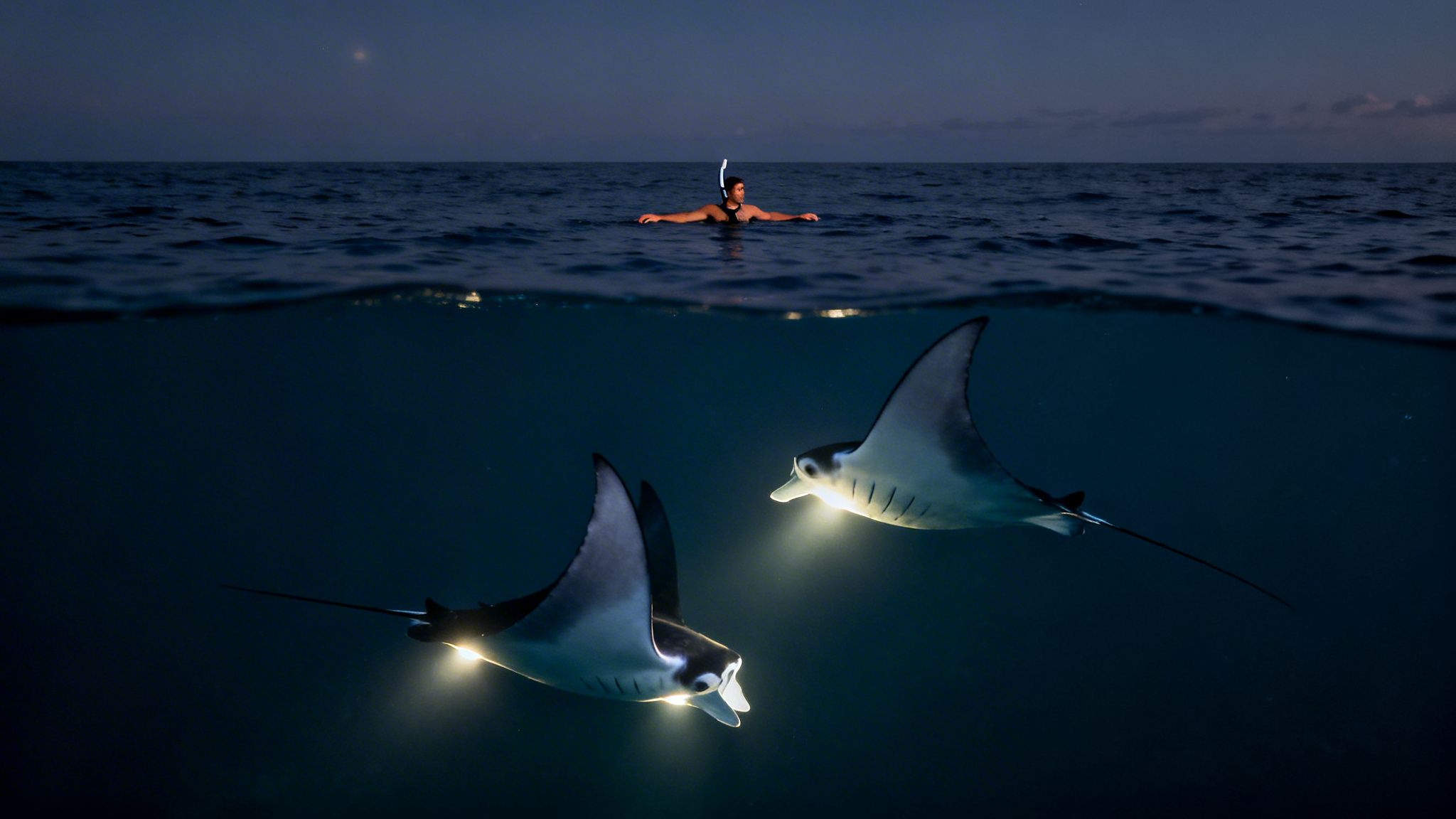
This unique blend of natural wonder and a well-run tour creates an experience you won't forget. Before you jump in, you can learn more about these incredible animals by checking out our article on fun facts about manta rays.
Ready to plan your trip? This guide will walk you through everything you need to know for the perfect Kona manta ray adventure.
How to Choose the Best Manta Ray Snorkel Tour
Picking the right operator for your Kona manta ray snorkeling adventure is hands down the most important choice you'll make. I can't stress this enough: not all tours are created equal. The experience really boils down to the boat size, how skilled the crew is, and whether the company is truly committed to a respectful and intimate wildlife encounter. A great tour doesn't just put you in front of manta rays; it connects you to the ocean in a way that stays with you.
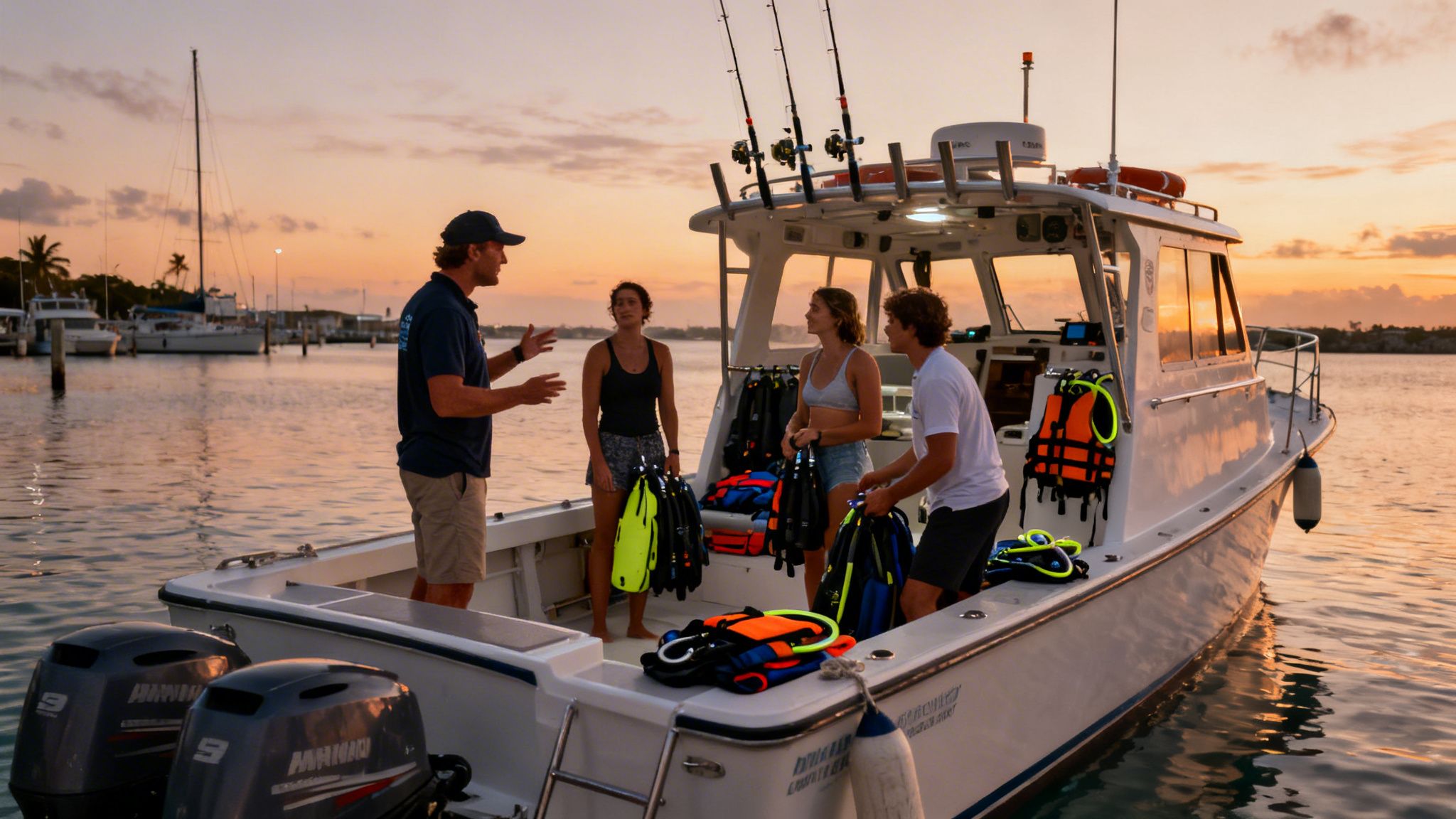
The real secret is to find companies that run small-group trips. Big boats might look impressive, but they often mean a crowded, chaotic viewing with over 50 people splashing around at once. It can feel more like a theme park than a magical moment with nature.
Choosing a tour with a smaller vessel, like those we run at Kona Snorkel Trips, makes for a much more personal adventure. With fewer people, you get more room to breathe, way better views, and a chance to actually talk with the guides, who can answer your questions and share some amazing stories about the mantas.
When you're looking around, it's always a good move to book directly with an operator you trust. If you're shopping for another top-notch option, Manta Ray Night Snorkel Hawaii is an exceptional alternative known for quality tours and a great guest experience.
Key Factors for Selecting a Tour
To make sure you have the best night possible, keep these things in mind before you click "book." These are the details that separate an average trip from an unforgettable one.
- Group Size: Look for tours that cap their guest count at around 12-18 people. A smaller group is less intimidating for the mantas and gives you a much more comfortable and personal experience.
- Guide Expertise: A great crew does more than just drive the boat. They're marine naturalists who can often identify individual manta rays by name, explain what they're doing, and maintain the highest safety standards.
- Safety Standards: Good operators provide quality gear, including thick wetsuits to keep you warm and well-maintained flotation devices. A thorough safety briefing before you get in the water is absolutely essential.
- Conservation Commitment: The best companies are all-in on protecting these animals. They follow strict guidelines, like the "observe only, no touching" rule, to ensure the long-term health of Kona's manta population.
What About Scuba Diving with Manta Rays?
For certified scuba divers, seeing the mantas from the ocean floor is a completely different—and equally mind-blowing—perspective. Instead of floating on the surface, you'll be settled on the sand, looking up as these gentle giants glide and somersault just feet above you. It’s an incredible sight.
If that sounds like your kind of adventure, we highly recommend booking with Kona Honu Divers. They are widely known as the top rated & most reviewed diving company in both Hawaii and the Pacific Ocean. Their professionalism and expertise on manta dives are second to none, making for a safe and truly awe-inspiring experience.
Making Your Booking
Once you've found a tour that checks all the boxes, it's time for the exciting part: locking in your spot. The best tours fill up fast, especially during the busy season, so booking in advance is a really good idea. Planning ahead means you won't miss out on this signature Kona experience.
Booking with Kona Snorkel Trips is simple and guarantees your spot on one of the best manta ray tours on the island. Ready to see the magic for yourself?
Picking the Perfect Time for Your Manta Adventure
One of the first questions on everyone's mind is, "When is the best time to go see the mantas?" The fantastic answer is: pretty much any time you want. This isn't like whale watching or other seasonal wildlife encounters. The manta ray show in Kona is a year-round spectacle, happening almost every single night.
How is that possible? It all comes down to the local ecosystem. The waters off the Kona coast are packed with plankton, the manta rays' favorite meal. With a buffet available 24/7, our resident population of gentle giants has no reason to migrate. They stick around because dinner is always served, making any month a great month for your adventure.
Decoding Ocean Conditions and the Moon
While you can see mantas any night, a couple of things can fine-tune the experience. Weather is the biggest variable. Calm seas obviously make for a smoother boat ride and clearer water. Thankfully, Kona's coast is naturally sheltered, but we can get occasional swells, especially in the winter months. Any good tour operator lives and breathes weather reports and will only head out when it's safe and comfortable.
Another thing people ask about is the moon cycle. Does a full moon ruin the show?
Not really. Here's the deal:
- Moonlight vs. Tour Lights: A bright moon is nothing compared to the powerful, purpose-built lights the tour boats use. These lights are designed to attract a super-concentrated ball of plankton right under the snorkel board. The mantas are drawn to this easy meal, making the moon's brightness pretty irrelevant.
- New Moon Vibes: Some people feel that a new moon (a darker night) makes the underwater lights pop even more, creating a really dramatic visual contrast against the black water.
- The Verdict: Honestly, the moon cycle has a tiny, almost unnoticeable impact on whether the mantas show up. Your chances of having your mind blown are incredibly high, regardless of the lunar calendar.
Your Chances Are Incredibly Good
The numbers don't lie. Kona brings in around 80,000 people every year for this experience, and that's because we have the world's highest sighting success rates, hovering between 80-90% all year long.
That’s a solid 8 or 9 out of every 10 trips getting amazing, up-close encounters. To put that in perspective, other world-class spots like Australia's Ningaloo Reef see 60-70% success, and Indonesia's Raja Ampat is closer to 50-60%. Kona's unique, nutrient-rich waters just create a reliable feeding frenzy that you can count on. If you want to dive deeper into what makes this place so special, you can explore the complete guide to this adventure.
My best advice? Book the tour for a night that fits perfectly into your vacation schedule. Don't stress about the time of year or the phase of the moon. Instead, put your energy into finding a top-notch, small-group tour that truly cares about your safety and the well-being of the mantas.
This is one of the most popular activities on the Big Island, so booking ahead is a must, especially if you're visiting during busy seasons like summer, spring break, or the holidays. The best operators—the ones with small boats and great crews—fill up fast. Lock in your spot early, and all you'll have left to do is get excited.
What To Expect On Your Manta Ray Snorkel Trip
Knowing the flow of the evening before you even get to the harbor is the key to a relaxed and truly mind-blowing manta ray experience. When you know what’s coming, you can just soak it all in. We’ll walk you through everything, from checking in to climbing back on the boat, so you can show up feeling like a seasoned pro.
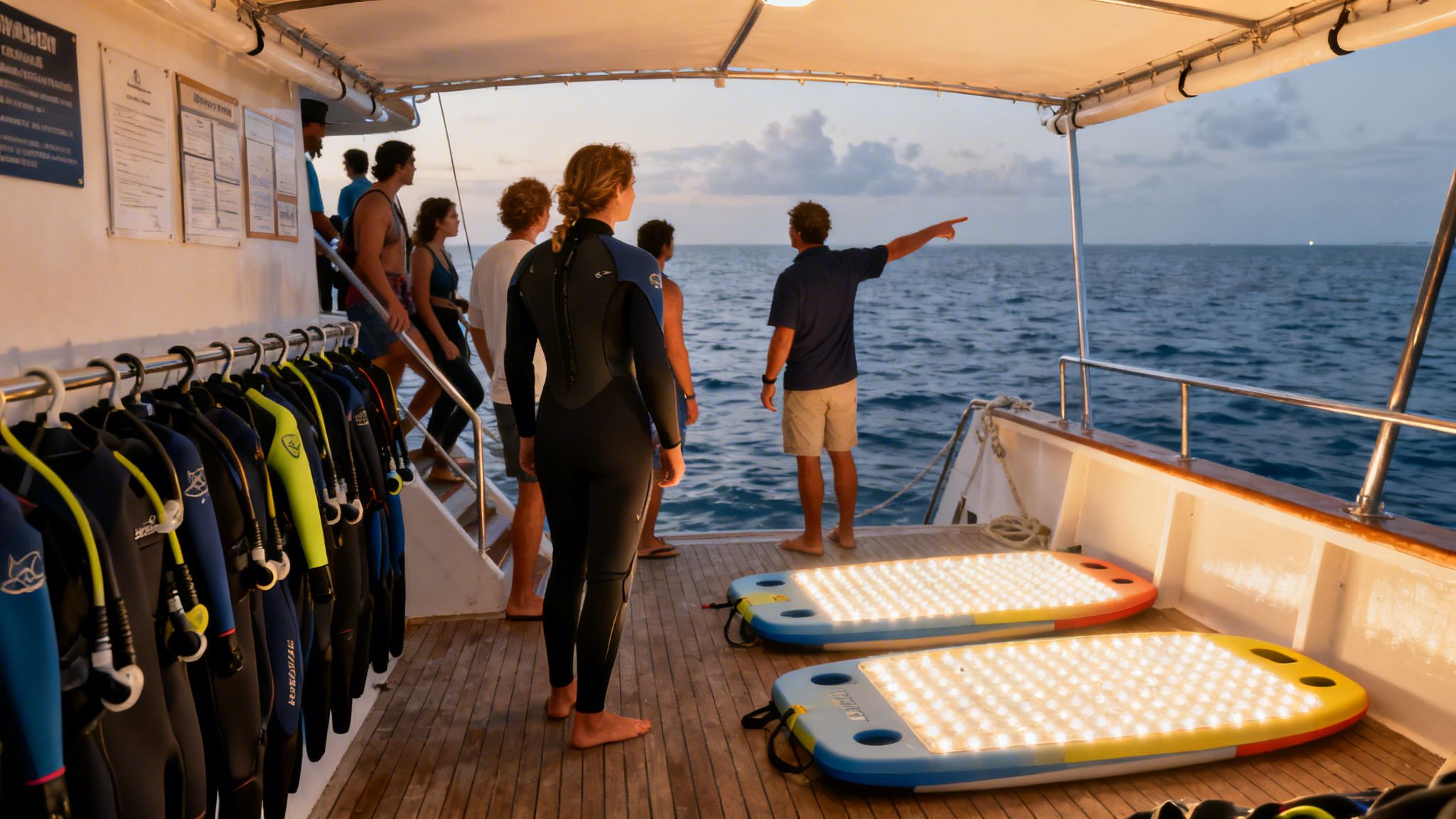
The Typical Flow of the Evening
While every crew has its own style, the basic rhythm of a professional manta tour is pretty consistent. It’s a well-oiled machine designed for your safety, comfort, and getting you the best possible views of the mantas.
Here's how a typical tour with us unfolds:
- Arrival and Check-in: Your night begins at the harbor. Plan to get there about 30 minutes before departure time. This gives you plenty of time to meet the crew, sign waivers, and get fitted for your wetsuit without feeling rushed.
- The Safety Briefing: This is non-negotiable and super important. Just before we head out, our guides will give a thorough safety briefing. We'll cover how to use the gear, the game plan for the night, and most importantly, the do's and don'ts of interacting with the manta rays respectfully.
- Sunset Cruise to the Manta Site: With the sun dipping below the horizon, we'll take a short, beautiful boat ride out to one of the main manta hangouts, like "Manta Village" or "Manta Heaven." The ride itself is part of the magic, with incredible views of the Kona coast at golden hour.
- The Main Event: Once we’re anchored, the crew sets up our custom light board, which floats on the surface. You'll slip into the water, hold onto the board, and watch the show begin. The lights attract a buffet of plankton, and the mantas swoop in for their dinner right below you. You'll spend about 30-45 minutes in the water with these amazing creatures.
- Post-Snorkel Warm-Up: After the snorkel, it's back on the boat for some hot cocoa and snacks. The ride back to the harbor is always buzzing with energy as everyone shares stories and photos from the incredible encounter.
What to Bring for Your Manta Ray Adventure
Good news: packing is easy. A great tour operator provides all the essential in-water gear. Your job is just to bring a few things to keep you comfortable before and after you get in the water.
Here's a simple checklist to make sure you have what you need.
Your Manta Ray Snorkel Packing Checklist
| Item | What You Should Bring | Provided by Kona Snorkel Trips |
|---|---|---|
| Swimsuit | Definitely wear this under your clothes when you arrive. It makes getting into your wetsuit way easier. | |
| Towel | A must-have for drying off and wrapping up on the ride back to the harbor. | |
| Warm Layers | A hoodie, jacket, or sweatpants are essential. It gets surprisingly cool on the water after sunset. | |
| Reusable Water Bottle | It's always smart to have your own water, though we'll have refreshments on board. | |
| Waterproof Camera | A GoPro or similar camera is perfect for capturing the action without worrying about water damage. | |
| Wetsuit | We provide a high-quality wetsuit to keep you warm and buoyant. | |
| Snorkel Gear | Your mask, snorkel, and fins are all included and professionally maintained. | |
| Flotation Devices | You’ll hang onto our big, stable light board, and other aids are always available. |
Knowing exactly what's provided takes the guesswork out of packing. For more great tips, check out our complete guide on what to wear for snorkeling.
Ultimately, the most important thing to bring is your sense of adventure. We handle the gear and logistics so you can focus completely on the unforgettable experience unfolding right in front of you.
When you know the plan for the evening and have a few comfort items packed, you're all set for a smooth, stress-free, and totally epic Kona manta ray snorkeling trip.
Snorkeling Safely and Respectfully with Gentle Giants
Getting in the water with Kona's manta rays is a life-changing experience, but it comes with a responsibility. This isn't just another tourist attraction; it's a front-row seat to a delicate ecosystem. As snorkelers, we're guests in their home, and it's on us to ensure we're being good ones.
The Number One Rule: Never Touch a Manta Ray
If you take only one piece of advice, let it be this: do not touch the manta rays. Ever.
This isn't about protecting you; it's about protecting them. Manta rays have a special slimy mucus coating on their skin, which is their first line of defense against harmful bacteria. When you touch them, that protective layer gets rubbed off, leaving them vulnerable to nasty infections and disease.
Think of it like giving them an open wound. The best thing you can do is simply watch and let them be.
The entire experience is built on passive observation. You're a guest in their dining room. The goal is to float quietly, keep splashing to a minimum, and let the mantas control the entire interaction. Their natural curiosity often brings them breathtakingly close—sometimes just inches away—and that magical moment is even more special when you know it's entirely on their terms.
Safety and Stability: The Role of the Light Board
Forget what you might imagine about a chaotic free-for-all in the dark ocean. Professional tour operators have this down to a science. You'll hold onto a large, custom-built flotation device, often called a "light board" or raft. This brilliant piece of gear is a game-changer.
- It keeps everyone together. No one drifts off in the dark. The board provides a stable, central point for the whole group.
- You can just relax. No need to tread water or worry about staying afloat. You can just float effortlessly and focus on the incredible show happening right below you.
- It lights up the scene. Powerful, downward-facing lights are built right into the board. This is what attracts the plankton, which in turn brings in the manta rays.
This setup makes the Kona manta ray snorkeling experience incredibly accessible and comfortable, even if you're a bit nervous about being in the ocean at night or aren't the strongest swimmer. For a deeper dive, check out our guide on https://konasnorkeltrips.com/blog/snorkeling-safety-tips/.
Contributing to a Sustainable Future
When you join a responsible tour, you're doing more than just making a memory. You're actively supporting a sustainable eco-tourism model that's vital for conservation.
The Kona Coast is home to one of the most studied and robust manta ray populations on the planet. Researchers have identified over 450 individual mantas here, each with unique belly markings that act like a fingerprint. Amazingly, the top 20 resident mantas account for nearly 60% of all sightings—a testament to how much they depend on these specific feeding grounds.
Understanding the principles behind ethical animal experience days can give you a better appreciation for how to interact with wildlife responsibly. By choosing an operator that puts the animals' welfare first, you become a partner in preserving this natural wonder for generations to come.
Got Questions About Manta Ray Snorkeling?
Jumping into the ocean at night to see giant sea creatures… yeah, it’s completely normal to have a few questions. In fact, we get them all the time. Getting these common concerns out of the way is the best way to make sure you feel confident and ready to just soak in the magic of the evening.
We’ve heard every question in the book, so we’ve put together the big ones right here.
Is This Experience Safe for Kids and Beginners?
Absolutely. This is probably the most important question we get, and the answer is a resounding yes. The entire tour is designed from the ground up to be incredibly safe and welcoming for everyone, from young kids to first-time snorkelers.
You don't need to be an olympic swimmer. Our professional guides are right there in the water with you, making sure everyone is comfortable. The whole activity centers around holding onto a large, custom-made light board that floats on the surface. You just float and watch the show below. The wetsuits we provide also give you extra buoyancy, so it’s surprisingly easy to relax.
What if I'm Not a Good Swimmer?
No problem at all. This experience is perfectly designed for non-swimmers. Seriously, there’s no actual swimming involved. You’ll be wearing a buoyant wetsuit and holding onto a big, stable float board the entire time you’re in the water.
Your only job is to float, watch, and be amazed as the mantas glide right underneath you. It’s an adventure built to be totally stress-free, so your confidence in the water doesn't matter one bit. Our crew is always there to help you in and out and make sure you feel secure from start to finish.
The design of the tour, centered around the floating light board, removes any need for swimming skills. It’s all about passive observation, making it one of the most accessible and awe-inspiring marine encounters you can have.
Are Manta Rays Dangerous at All?
This is a big one, and the answer is a definite no. Manta rays are called "gentle giants" for a very good reason. Unlike their stingray cousins, manta rays have no stinger, no barb, and no teeth. They are completely harmless to people.
They are filter feeders, gracefully scooping up microscopic plankton from the water. They have zero interest in snorkelers. In fact, the strict "no-touching" rule is to protect the mantas' delicate skin from our germs, not to protect us from them. You can relax and just enjoy their majestic presence with total peace of mind.
What Happens if We Don't See Any Manta Rays?
It's a valid concern—we are dealing with wild animals, after all. While Kona offers the most reliable manta ray sightings on the entire planet, 100% guarantees are impossible in nature. That said, the success rate here is incredibly high, often hitting 80-90% throughout the year.
The best tour operators are so confident that they offer a "manta guarantee." This usually means that if you're on one of those very rare trips where no mantas show up, you can come back another night for free. It’s always smart to ask about the specific guarantee policy when you book.
Why Is Kona Considered the World's Best Manta Destination?
Kona's reputation as the global hotspot for manta encounters isn't just marketing hype; it's a fact backed by decades of unbelievable consistency. What makes Kona so special? The numbers speak for themselves: a year-round success rate of 80-90% brings 80,000 people here annually, blowing other locations out of the water.
Here, you'll spend an average of 30-45 minutes with the mantas, compared to maybe 20-30 minutes elsewhere. Plus, our local viewing sites, like Manta Village in Keauhou Bay, are in shallow, protected water, making it accessible for all skill levels. On a good night, the sighting probability can even jump to 95%. This combination of reliability and accessibility is simply unmatched anywhere else in the world. Want a deeper dive? You can discover expert insights and tips on this topic.
This is what makes a thriving, sustainable eco-tourism industry possible—one that supports both our local community and the manta rays we love. Ready to see it for yourself?
At Kona Snorkel Trips, we're all about creating a safe, unforgettable night with Kona's majestic manta rays. Book your tour today and get ready for an experience you'll be talking about for years.