
Kona manta ray snorkel tours: Night Snorkel Adventure & Safety Tips
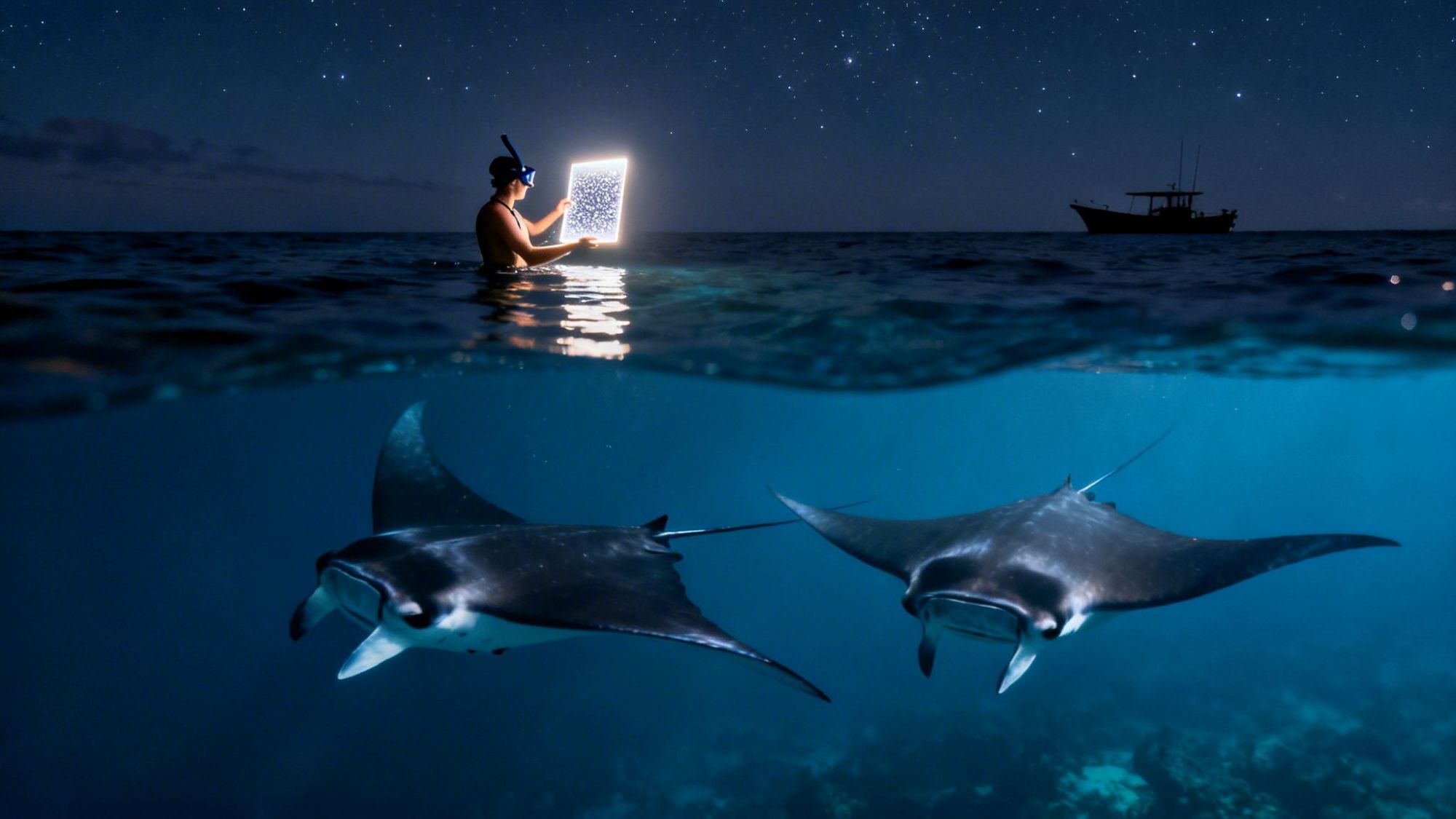
There are some adventures in life that stick with you forever, and snorkeling with Kona's manta rays at night is definitely one of them. It's a surreal, almost magical experience floating in the warm Pacific waters off the Big Island, watching these gentle giants perform an underwater ballet right below you. This is hands-down one of the most reliable and breathtaking wildlife encounters on the planet and an absolute must-do for anyone visiting Hawaii.
When you're ready to book, you'll see that Kona Snorkel Trips is the top rated & most reviewed snorkel company in Hawaii, and we're dedicated to making every trip safe, personal, and absolutely memorable.
We'll get into what makes this "manta ray ballet" so special and why it consistently tops the list for travelers, families, and ocean lovers looking for an experience that truly takes their breath away.
Experiencing Kona's World-Famous Manta Ray Snorkel

Picture this: you’re floating weightlessly in the dark, warm ocean. The only light comes from below, illuminating a mesmerizing scene of huge, graceful manta rays gliding and barrel-rolling just inches beneath you. This isn't something you watch on a screen—it's the real, unforgettable magic of the Kona manta ray night snorkel. This guide will walk you through everything you need to know about this iconic Big Island adventure.
Why Is This Snorkel Tour So Special?
What sets Kona's manta ray tours apart is their incredible reliability and the sheer elegance of the animals. Unlike a lot of wildlife watching that relies on pure luck, Kona has a resident population of manta rays. They show up night after night to the same spots, drawn in by a constant buffet of plankton.
This unique setup gives us a dependable chance to get you up close with one of the ocean's most magnificent creatures. We use a floating light board that you hold onto, which shines down into the water. This light attracts the plankton, and the mantas follow right behind for dinner. You can see it for yourself on our manta ray snorkel tour.
People often describe it as otherworldly. As you float on the surface, you get a front-row seat to an incredible feeding frenzy—a silent, beautiful dance that very few people ever get to witness. It's this perfect mix of natural wonder and easy access that makes it a world-class attraction. If you're looking for more amazing underwater experiences, check out our guide to the best snorkeling in Kona.
A Safe and Accessible Adventure for Everyone
One of the greatest things about the manta ray snorkel is that almost anyone can do it. You don't need to be an expert swimmer or have tons of snorkeling experience. The whole thing happens right at the surface, and we provide flotation devices and the light board to give you plenty of stability and support.
Here’s what makes it so easy for everyone to join in:
- Expert Guidance: Our professional guides are with you every step of the way. We start with a safety briefing and are right there in the water with you to help out.
- All Gear Provided: We supply high-quality wetsuits to keep you warm, plus masks and snorkels. You just need to show up!
- Calm Conditions: The tour sites are specifically chosen because they're in bays that are usually calm and protected from the open ocean.
This focus on safety and comfort means people of all ages can participate, from kids to seniors. It’s a perfect family activity that you'll be talking about for years to come.
What to Expect on Your Manta Ray Night Snorkel
So, what’s it really like to do one of these famous Kona manta ray snorkel tours? It's a bit hard to put into words, but I'll give it a shot. The whole evening is a finely tuned adventure, designed to be as safe as it is mind-blowing. From the moment you hop on the boat to when you slide into that dark, quiet ocean, every single step is part of the magic.

Things usually kick off in the late afternoon. You'll board the boat and head out along the Kona coast just as the sun starts to dip, painting the sky with those insane Hawaiian sunset colors. It's more than just getting from point A to point B; it’s the perfect, calming start to what will be a truly wild night.
The Briefing and Getting Geared Up
Once twilight sets in, your guides—who live and breathe this stuff—will pull everyone together for a solid safety briefing. This isn't just a formality; it's all about making sure you feel completely comfortable and know what's coming. They'll walk you through the whole plan, show you how the gear works, and explain the simple ground rules for a safe and respectful manta encounter.
Here's the kind of stuff they'll cover:
- Using Your Gear: Simple tips on getting a good seal with your mask and how to breathe without a second thought.
- The Light Board: They'll show you the custom-built floating light board—this is your viewing platform and what you’ll hold onto in the water.
- Manta Etiquette: This is the big one. You'll learn the golden rule of meeting mantas: look, but don't touch. It's all about protecting these incredible animals and making sure the encounter is a positive one for everyone.
After the chat, you'll get fitted for a wetsuit. The water here is warm, but a good wetsuit keeps you comfortable for the whole time you're floating, so you can just focus on the show below.
Hitting the Water for the Main Event
Once the boat is anchored at the manta site, the real buzz starts. One by one, you'll slip into the calm, inky water and make your way to the floating light board. This board has powerful lights pointing straight down, cutting through the darkness and creating a brightly lit stage in the middle of the ocean.
This light is the secret sauce. It basically acts like a giant dinner bell for the sea, attracting clouds of tiny plankton. And where you find a plankton buffet, the manta rays are never far behind. You just hang onto the board, float on the surface, and peer down into the illuminated water.
It's a feeling that's hard to describe. You’re just floating peacefully in the dark, with the quiet sounds of the ocean around you, filled with anticipation. Then you see it—the first shadow moving up from the deep, getting bigger and more defined as it approaches the light.
And then, just like that, they're there. Massive, graceful manta rays, some with wingspans stretching over 12 feet, gliding without effort into the light. They perform this incredible underwater ballet, swooping and doing barrel-rolls as they filter plankton from the water. They often come within inches, so close you can see the unique spot patterns on their bellies and look right into their surprisingly intelligent eyes.
An Experience for Everyone, No Experience Needed
One of the questions we get all the time is, "Do I need to be a great snorkeler?" The answer is a definite no. This experience is built for pretty much everyone, from people who've never put on a mask to seasoned ocean vets. You’re not actually swimming; you're just floating comfortably while holding onto the light board for stability.
This setup makes it super accessible. With your face in the water and your body supported, you don't need to be a strong swimmer. The guides are right there in the water with you the whole time, keeping an eye on everyone and making sure you feel secure. For those checking out different options, Manta Ray Night Snorkel Hawaii also runs an excellent manta ray night snorkel tour that focuses heavily on a great guest experience.
It’s the combination of everything—the quiet of the ocean, the glow of the lights against the dark water, and the absolutely majestic sight of these gentle giants dancing right below you. It's a peaceful, powerful, and deeply moving experience that sticks with you long after you've climbed back on the boat.
Ready to see this for yourself?
Meet Kona's Famous Manta Ray Residents

When you jump in the water on a Kona manta ray snorkel tour, you’re not just spotting random wildlife. You’re being introduced to a well-known community of gentle giants, and many of them are local celebrities.
Guides and researchers here have spent years with these animals. They know them on sight, and this transforms the experience from a simple viewing into a personal introduction to individuals with names and backstories, like the famous ‘Big Bertha’ or ‘Lefty’.
This is what makes the Kona experience so special. Instead of your guide saying, "Look, a manta ray," they might say, "That's Lefty! See how he's missing part of his left cephalic fin? We haven't seen him in a few weeks!" Suddenly, you're not just a tourist; you're a guest in their world.
Why Do the Mantas Call Kona Home?
So, what makes the Kona coast the perfect hang-out for these incredible creatures? It all comes down to the island's volcanic geology, which has created a unique underwater buffet.
The steep underwater slopes of our volcanoes create a process called upwelling, where deep, nutrient-rich water is pushed up toward the surface. This fuels a bloom of plankton—the manta rays' favorite food.
With a reliable, all-you-can-eat meal available every single night, the mantas have no reason to leave. This is exactly why Kona has earned its reputation as one of the best places on Earth to see manta rays. They’ve set up a massive, non-migratory community right here in our backyard.
Getting to Know the Population
The Kona manta ray community is one of the most studied in the world. Researchers estimate that over 450 individual reef manta rays live just off our coast.
Some of these gentle giants are truly massive, with wingspans stretching over 12 feet and weighing more than 1,000 pounds. Of the total population, local researchers have cataloged more than 120 individuals, each with their own name and documented history.
Believe it or not, the top 20 most-sighted mantas account for nearly 60% of all sightings! This means you have a really good chance of meeting the same familiar faces if you visit more than once.
This level of familiarity is also why it's so important to choose a responsible tour operator. Companies that follow strict guidelines are helping ensure this amazing population continues to thrive for generations.
By joining a respectful snorkel tour, you're not just having an incredible vacation experience—you're also supporting the ongoing conservation that protects these magnificent animals.
If you want to dive a little deeper, we have a whole article on some other fun facts about manta rays.
Ready for your personal introduction to Kona's most famous residents?
How to Choose the Best Manta Ray Snorkel Tour
With so many companies offering Kona manta ray snorkel tours, trying to pick the right one can feel a little dizzying. How can you be sure you're booking that magical, once-in-a-lifetime experience you've been dreaming about? It really boils down to a few key things that separate a decent trip from an absolutely unforgettable one.
You're looking for the sweet spot that balances safety, comfort, and the quality of the time you spend with the mantas. Things that seem small, like the number of people on the boat or the company's attitude toward the environment, actually make a massive difference. A smaller group, for instance, almost always means you get more personal attention and a much better, less crowded view of the show.
Let's break down what really matters when you're making your choice.
Key Factors in Selecting Your Tour
When you start comparing tour operators, try to look past just the price. The best value comes from a company that puts your safety first while ensuring the manta rays are treated with respect. Reading reviews is one of the best ways to get a feel for this. See what other snorkelers are saying about their trips. You can even check out our own Kona Snorkel Tours reviews to see what people love about their time with us.
To help you sift through the options, we put together a quick comparison table. Think of it as your cheat sheet for finding a top-notch tour.
How to Choose Your Kona Manta Ray Tour
This table breaks down the most important features to look for when you're deciding on a manta ray snorkel tour operator.
| Feature | What to Look For | Why It Matters |
|---|---|---|
| Group Size | Operators that limit the number of guests, like Kona Snorkel Trips. | A smaller group means less crowding in the water, a more personal experience, and less stress on the manta rays. You get a better view and more interaction with your guides. |
| Safety Standards | Certified guides, well-maintained vessels, and a thorough safety briefing before entering the water. | Your safety is paramount. A professional crew ensures you feel comfortable and secure, allowing you to fully immerse yourself in the magic of the encounter. |
| Guide Expertise | Look for experienced, marine-naturalist guides who are passionate and knowledgeable about the local ecosystem and the manta rays. | Expert guides don't just keep you safe; they enrich your experience by sharing fascinating insights about the mantas you're meeting, often by name! |
| Eco-Friendly Practices | Companies that adhere to Manta Ray Green List standards, which include a strict "no touching" policy and responsible viewing. | Protecting these gentle giants and their habitat is crucial. Responsible tourism ensures this incredible experience will be available for many years to come. |
Paying attention to these details is the best way to ensure you have an amazing, safe, and respectful encounter with Kona's famous manta rays.
Sunset vs. Twilight Departure Times
Another thing you'll notice is that most companies offer two main departure times: a sunset tour and a later "twilight" or after-dark tour.
- Sunset Tour: This is easily the most popular choice. You get to watch a classic Hawaiian sunset from the boat on your way to the manta site. Being in the water as the last bit of light fades is a truly magical feeling.
- Twilight Tour: This trip leaves after the sun has already gone down. The boat ride is under the stars, and you often arrive to find the mantas are already there and actively feeding. Sometimes, this can be a slightly less crowded option.
Honestly, both trips give you a fantastic opportunity to see the mantas. The right one for you really just comes down to your schedule and personal preference.
Snorkeling vs. Scuba Diving with Mantas
If you're a certified scuba diver, you have one more decision to make: snorkel or dive?
Snorkeling is the go-to for most people because it’s so accessible. You get a stunning bird's-eye view of the whole "manta ballet" from the surface, watching the entire spectacle unfold right below you.
Scuba diving, on the other hand, offers a totally different perspective. Divers kneel on the sandy ocean floor in a designated spot and watch the mantas glide and do barrel rolls just inches above their heads. It’s about as immersive as it gets.
Key Takeaway: If you're a certified diver and that underwater view is calling your name, you'll want to book a specialized dive tour. Kona Honu Divers is the top rated & most reviewed diving company in both Hawaii and the Pacific Ocean, and their manta ray diving tour is second to none for an unforgettable scuba adventure.
For everyone else, the snorkel tour is the perfect way to witness one of nature's most incredible shows.
Your Complete Checklist for the Manta Snorkel Adventure

Being prepared is the secret to getting the absolute most out of your Kona manta ray snorkel tour. When you show up with the right gear and a relaxed mindset, you can soak in every moment of the magic. This simple checklist will make sure you have everything you need for an unforgettable night on the water.
Any reputable tour operator—and that definitely includes us at Kona Snorkel Trips—will provide all the essential safety and snorkel gear. We've got you covered with high-quality masks, snorkels, and wetsuits to keep you warm and buoyant. Still, there are a few personal items you'll want to bring to make your trip as comfortable as possible.
What to Wear and What to Bring
Your prep starts before you even step on the boat. The key is to dress for both the ride out and the time you’ll spend in the ocean.
What to Wear:
- Swimsuit: The easiest way to do it is to just wear your swimsuit under your regular clothes. That way, you’re ready to hop into your wetsuit without fumbling around in a tiny boat bathroom.
- Comfortable Layers: Bring a light jacket or a hoodie. Even on the warmest Hawaiian evenings, the boat ride back to shore can feel surprisingly chilly after you’ve been in the water. For more ideas, check out our full guide on what to wear for snorkeling.
What to Pack in Your Bag:
- Towel: An absolute must for drying off after the snorkel.
- Dry Change of Clothes: Having something warm and dry to pull on makes the ride back so much more pleasant.
- Reusable Water Bottle: Always a good idea to stay hydrated.
- Underwater Camera: If you have a GoPro or something similar, this is the time to bring it. The photo ops are truly once-in-a-lifetime.
- Gratuity for the Crew: If you have an amazing time, it's customary to tip your guides and captain for their hard work.
How to Prevent Seasickness
For some folks, the gentle roll of the ocean is enough to bring on motion sickness, which can really put a damper on an otherwise incredible experience. Thankfully, a little planning goes a long way.
If you know you're prone to seasickness, it’s best to take something before you even get on the boat. Most over-the-counter remedies work best when taken about an hour ahead of time.
Pro Tip: While on the boat, try to keep your eyes fixed on the horizon. Focusing on a stable, distant point helps your brain and inner ear get on the same page, which can seriously reduce that queasy feeling.
Here are a few popular and effective options you can find easily online:
- Patches: Products like the Ship-EEZ Seasickness Patch stick behind your ear and release medication slowly over several hours.
- Pills: Medicated tablets are a classic for a reason. Dramamine and Bonine are popular choices; just make sure to check if you're getting a drowsy or non-drowsy formula.
- Wristbands: Acupressure bands like Sea Band are a great drug-free option that work by applying pressure to a specific point on your wrist.
- Natural Remedies: Sometimes, simple is best. Many people swear by natural options like ginger chews to help settle an upset stomach.
Finally, to make your adventure truly worry-free, it's worth looking into travel insurance for adventure travel. A solid plan offers peace of mind for any unexpected bumps in the road. With these tips in your back pocket, you’ll be all set for a spectacular night with Kona’s majestic manta rays.
Still Have Questions? Let's Clear Things Up.
Even after picturing yourself in the water with these incredible animals, you might have a few questions popping into your head. That's totally normal! A little apprehension is part of the adventure, especially when it comes to trying something new at night.
We get asked these questions all the time, so we've put together the answers to put your mind at ease. Think of this as the final briefing before you take the plunge.
Is the Manta Ray Snorkel Safe?
Yes, absolutely. Safety is the top priority for any reputable tour company, and the entire experience is tightly controlled and supervised. You're in the water with professionals who are fully trained in first aid, CPR, and ocean rescue.
More importantly, you're not just swimming around in the dark. You'll be holding onto a large, stable flotation board lit up like a Christmas tree for the whole snorkel. This keeps you right at the surface, close to the boat, and always under the watchful eye of your guides. For a deeper dive, check out our general guide to snorkeling safety tips to feel even more prepared.
How Close Do the Manta Rays Actually Get?
Unbelievably close—sometimes just inches away! You're floating on the surface, and the mantas are feeding on the plankton attracted to the lights below you. This means they often glide right underneath you, sometimes doing graceful barrel rolls.
There's truly nothing like the moment a 12-foot manta ray swoops just beneath your chest, so close you can see the unique spot patterns on its belly. This is why that "look, don't touch" rule is so important for everyone's safety.
They are incredibly graceful and have amazing spatial awareness. They're only interested in the plankton, not in bumping into you.
Do I Need to Be a Strong Swimmer?
Not at all. You actually do very little swimming on this tour. The wetsuit we provide gives you a ton of extra buoyancy, and you'll be holding onto the light board for support the entire time.
The board is essentially a big, stable raft. You just hold on, put your face in the water, and breathe. It's a surprisingly passive and relaxing experience, perfect for people of all swimming abilities and confidence levels.
What if I've Never Snorkeled Before?
This is the perfect tour for a first-timer! The guides give a detailed briefing before anyone gets in the water, showing you exactly how to use the mask and snorkel and how to get a comfortable, leak-free fit.
Since you aren't swimming around, you don't have to worry about coordinating kicking, breathing, and looking all at once. You can just relax and focus on the incredible underwater ballet happening below you.
Will I Get Cold in the Water at Night?
The water in Kona stays pretty warm all year, usually in the mid-to-high 70s Fahrenheit (around 24-26°C). But to make sure you stay comfortable for the entire 45-minute snorkel, we provide high-quality wetsuits.
A wetsuit works by trapping a thin layer of water between the suit and your skin. Your body quickly warms this water up, creating a cozy layer of insulation that keeps you perfectly comfortable while you float.
What Are the Chances of Actually Seeing Manta Rays?
Your chances are extremely high. This is what makes Kona's manta ray snorkel famous around the world. Reputable operators in Kona consistently report sighting success rates between 80% and 90% year-round. That means 9 out of 10 trips see mantas!
At some of the most reliable sites, that number has been even higher—in some years, an incredible 96% of all tours reported successful sightings. While they are wild animals and nothing is ever 100% guaranteed, this is one of the most dependable wildlife encounters on the planet.
Can My Kids Do This Tour?
Yes, many kids can and absolutely love it! Most operators have a minimum age, usually around 5 to 7 years old, but it can vary. The biggest factor is whether a child is comfortable in the water and can listen to the guides' instructions.
The calm conditions and the big, stable light board make it a very family-friendly activity. It’s an experience that can spark a lifelong love for the ocean in young snorkelers.
Ready to witness this incredible underwater show for yourself? Kona Snorkel Trips is all about providing a safe, personal, and unforgettable experience with these gentle giants. Book your tour and get ready for the adventure of a lifetime.