
How Plankton Blooms Change a Kona Manta Ray Snorkel
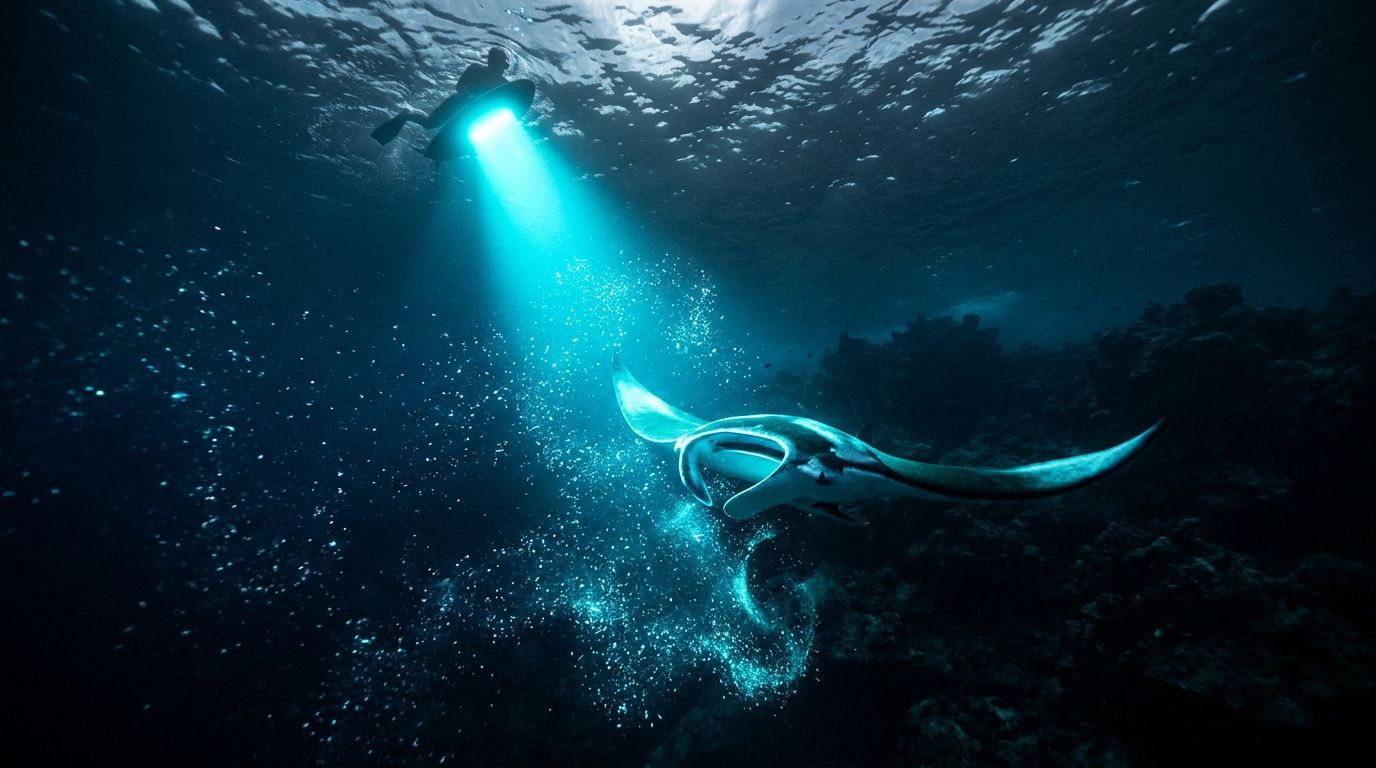
Kona Snorkel Trips sees the same pattern over and over, when plankton builds up, a quiet manta outing can turn into a much busier feed. If you are planning a Kona manta ray snorkel, that shift matters more than almost anything else.
Plankton changes the food supply, the water feel, and the way manta rays move under the lights. It also changes what you notice as a snorkeler, from visibility to how long the rays stay in view.
Once you understand that, you can pick the night and the tour with a lot more confidence.
Why plankton blooms change manta behavior
Manta rays feed on tiny plankton, so the food supply drives the show. When the water holds more of that drifting life, the mantas have a reason to linger and circle under the lights. For a quick look at why these animals depend on microscopic prey, reef manta ray biology gives the basics in plain terms.
The lights on a snorkel board act like a dinner table in the dark. They pull plankton into one spot, and the rays follow the concentration. That is why a bloom can feel like someone turned up the volume on the whole night.
If you want the trip details, the manta ray snorkel in Kona page shows how the night usually runs.
A stronger bloom can bring more manta passes, but it can also make the water look busier and less clear.
That tradeoff matters. You may see more action, yet the water can feel less open. On a good bloom night, the best view is often close in, right where the light, the plankton, and the manta wings meet.
What a bloom-rich night feels like
A bloom-rich night feels different before you even reach the water. The glow under the lights gets brighter, the swirl around the board gets thicker, and the mantas may start tracking the food lane sooner than you expect.
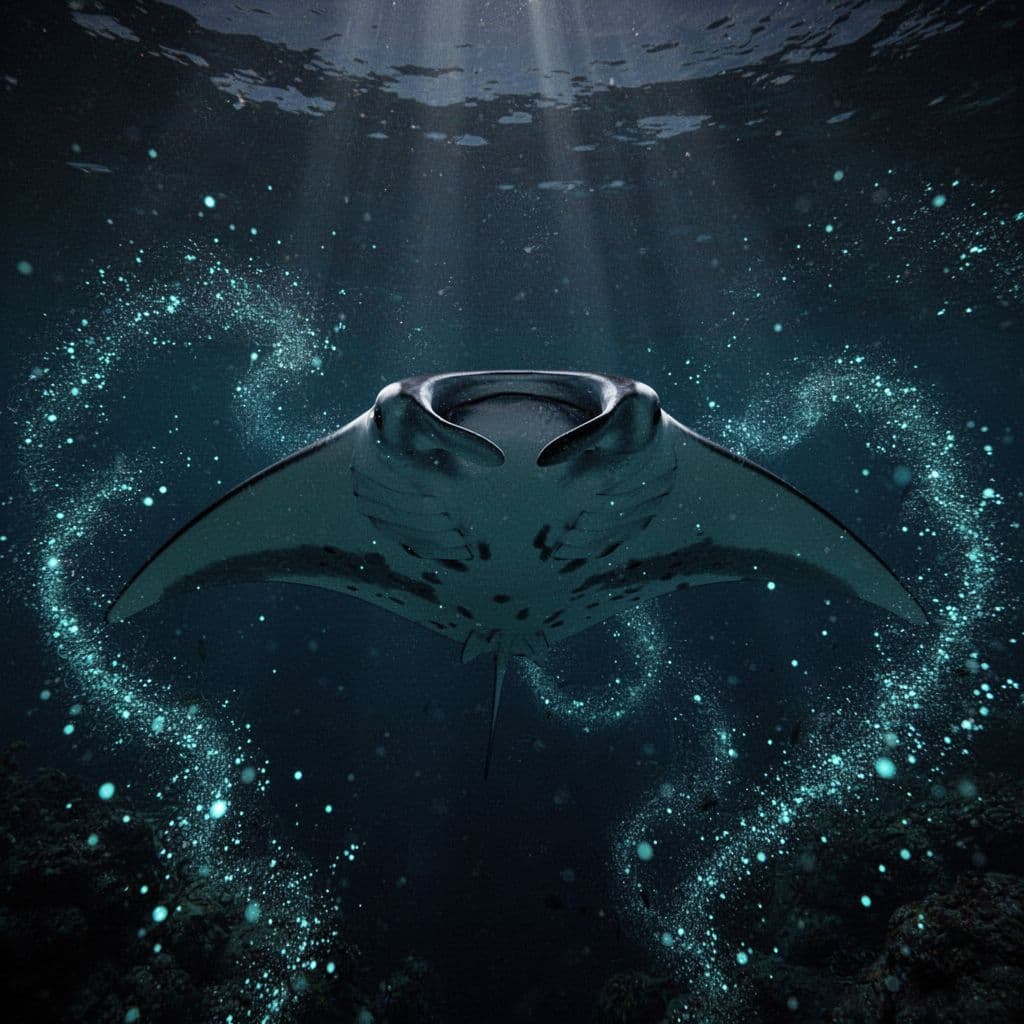
Your view changes too. The action often moves closer to the surface, which means you notice more motion in a tighter space. Long-range clarity can drop a little, but the near-field show often improves.
That is why a bloom does not just affect the mantas. It changes your whole sense of space. The water can feel fuller, busier, and more alive. You are not staring into an empty dark pool anymore. You are floating above a feeding lane.
A moderate bloom is often the sweet spot. It gives the mantas enough food to keep circling without making the whole scene feel washed out. Too little plankton can mean fewer passes. Too much haze can cut down the view.
| Bloom level | What you notice | What it means for your snorkel |
|---|---|---|
| Light | A thinner glow around the lights, slower buildup | More waiting, less surface action |
| Moderate | A steady cloud of plankton near the board | Strong chance of repeat passes |
| Heavy | Hazy water and more surface churn | Exciting feeding, but less wide visibility |
The big takeaway is simple. The best manta night is not always the clearest one. Often, the right amount of plankton gives you the best mix of movement and visibility.
Why Kona blooms can be hard to predict
Plankton blooms in Kona do not follow a neat calendar. Rain can wash nutrients into the ocean, currents can shift them around, and volcanic events can add another layer of change. That is why two nights in the same week can feel very different.
A 2025 report about a Kīlauea ash event described a large offshore phytoplankton bloom, a reminder that sudden nutrient pulses can matter. You can read the report on a Kīlauea-linked bloom. It is one more sign that the water around the Big Island can change fast.
People who snorkel Big Island often expect crystal-clear water to be the main goal. With mantas, food concentration matters more than postcard clarity. That is why a night with a bit of haze can still produce a stronger manta show than a bright, empty one.
If you are planning snorkeling Big Island Hawaii trips, flexibility helps. A date that looks average on paper can still turn into the better manta night. The ocean does not care about your calendar, so you get better results when you stay open to the conditions.
That same idea applies if you want to snorkel Big Island during a short vacation. One of the smartest moves you can make is to leave room in your schedule for a second night if the first one looks quiet. You do not need a perfect forecast. You need enough flexibility to catch the right window.
How the water tells you what kind of night it will be
A few simple clues can help you read the evening before you head out. You do not need to predict the exact size of the bloom. You only need to understand whether the water seems likely to hold food in one area or spread it out.
| Clue before launch | What it often means |
|---|---|
| Slight color near the surface | Plankton is gathering and the lights may pull in more life |
| Steady haze under the lights | Food is concentrated, but visibility may drop |
| Calm water and light drift | Better control around the board and smoother viewing |
| Strong wind or churn | The scene may be active, but the setup can feel less tidy |
The most useful clue is not one single sign. It is the mix. Calm water with a modest bloom often gives you the cleanest experience. More movement can be exciting, but too much chop makes it harder to hold position and watch the mantas pass.
You will also notice that bloom conditions change the mood of the snorkel. A clear night can feel elegant and open. A plankton-rich night feels denser, brighter, and more focused on feeding. Neither one is wrong. They are just different.
That difference matters when you pick your date. If your goal is a calm, easy float, you may prefer milder conditions. If your goal is the most active manta feeding you can get, a stronger bloom can be worth it.
Choosing the right tour when the bloom is on
Kona Snorkel Trips keeps the experience small, personal, and focused. That matters when plankton pushes more action into the light. You want lifeguard-certified guides, clean gear, and a crew that knows how to read the water. You also want reef-safe habits that protect the reef you came to see.
If you want to compare the full lineup, the Big Island snorkeling tours page keeps the options in one place. That makes it easier to compare a night snorkel, a daytime reef run, or a private outing without sorting through a dozen tabs.
A small-group setup helps on bloom nights because the action often stays concentrated. You are not fighting a crowd to get into position. You are not guessing where the board sits. You can settle in, breathe, and watch the mantas work the light.
For a broader sense of what the company offers, this review widget gives you a quick look at guest feedback.
If you want another manta-focused option on the island, Manta Ray Night Snorkel is another Big Island choice. For many travelers, comparing the style of the trip matters just as much as comparing the date.
If you are narrowing plans, you can check availability before you lock in the night.
If you want more room for family, friends, or a special trip, private Kona boat charters give you more control over pace and timing. That can be a big help if someone in your group wants a slower entry or a quieter boat.
For a manta-focused night, you can also check availability on the dedicated trip.
That kind of setup can matter more than people expect when the plankton is thick. The right crew makes the whole night feel calmer, even when the water is full of movement.
Practical tips for a better manta night
A bloom changes the water, but you still control a lot of the experience. A few small choices can make the night easier and more fun.
- Pick a mask that seals well, since you will spend more time floating than swimming.
- Listen closely to the briefing, especially hand placement and board position.
- Keep your kicks slow and light, because fast movement can scatter the scene.
- Wear reef-safe sunscreen earlier in the day, then keep the boat setup clean and simple at night.
If you travel with kids or a mixed-skill group, a private trip can make the night easier to pace. It gives you more room to relax if someone is nervous on the water. It also helps if you want a little more time to settle in before the lights go down.
You should also expect the water to feel different from a daytime reef snorkel. It may be darker, busier, and more focused on a single point of light. That is part of the fun. You are not looking for a broad reef tour. You are watching a feeding event unfold in real time.
When you plan around that idea, the night makes more sense. You stop chasing perfect clarity and start watching for the right kind of movement. That shift in mindset often makes the whole trip better.
Conclusion
Plankton blooms change a Kona manta ray snorkel by changing the food, the light, and the way the mantas move through the water. A moderate bloom can make the night feel alive, while a heavy bloom can trade some clarity for more close-in action.
That is why the best planning comes down to reading the conditions, choosing the right boat, and staying flexible with your dates. If you understand what the bloom is doing, you can snorkel Big Island nights with better expectations and a better shot at the kind of manta encounter you want.
On bloom nights, the ocean sets the pace, and the mantas usually make the final call.