
Kona Hawaii Manta Ray Night Dive Your Ultimate Adventure Guide
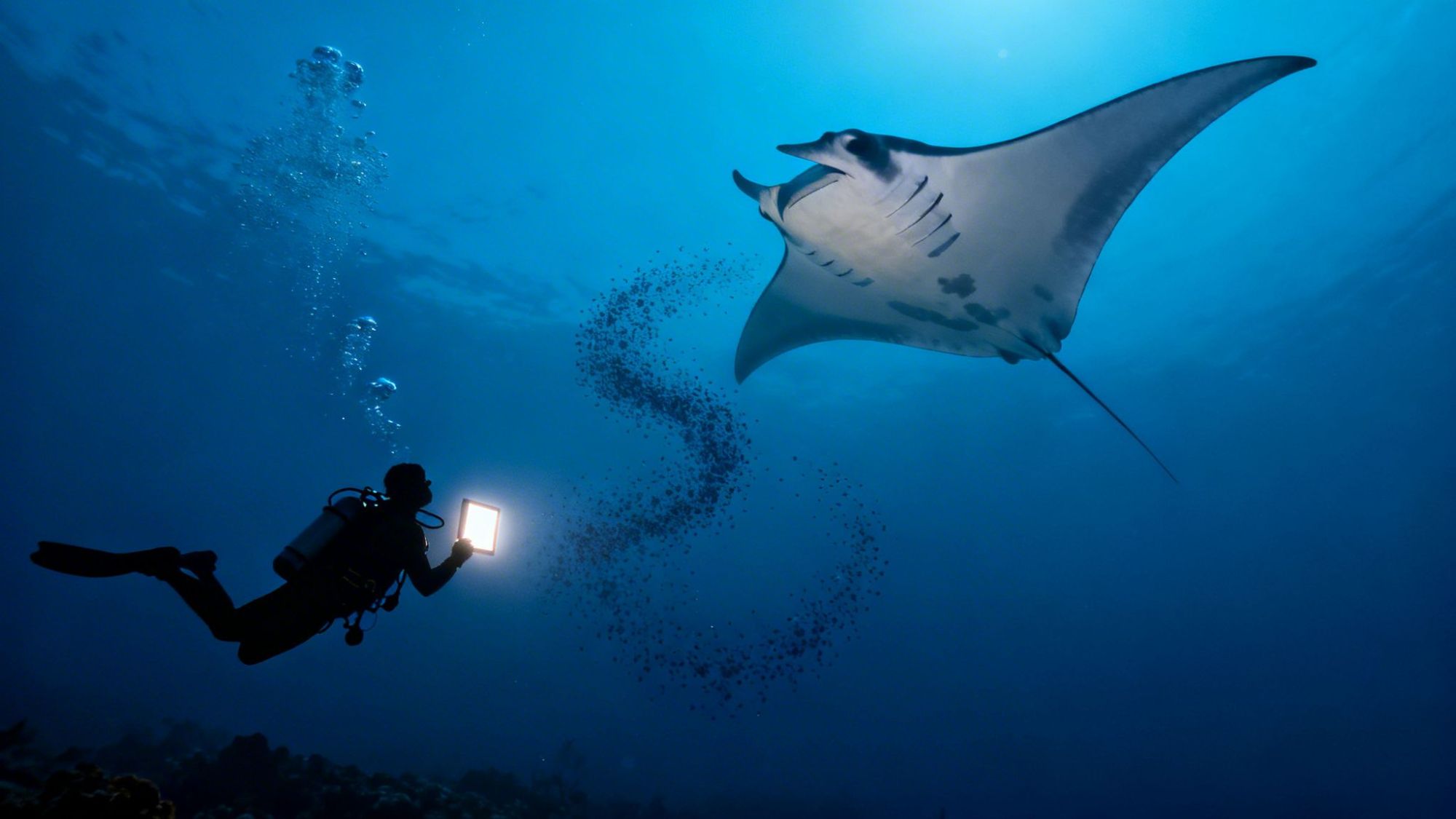
There's a reason the Kona Hawaii manta ray night dive is legendary. It’s a bucket-list item for divers around the globe, and for good reason. Watching these gentle giants glide through the illuminated waters off the Big Island is a truly magical, almost spiritual experience. It's an underwater ballet that only happens after the sun goes down, and Kona is the best place on Earth to see it. When looking for a top-rated tour, consider Kona Snorkel Trips, the top-rated & most-reviewed snorkel company in Hawaii.
Your Guide to the Manta Ray Experience
Picture this: you descend into the warm, dark Pacific. Your guide finds a spot on the sandy ocean floor and sets up a "campfire" of powerful underwater lights. This light immediately attracts swarms of plankton, which is the manta rays' favorite food. Then, you just wait.
Before you know it, they arrive. Massive, graceful creatures swooping and barrel-rolling just inches above your head, feeding in the beams of light. It's an encounter that feels both impossibly grand and incredibly intimate. We’ve seen it hundreds of times, and it never gets old.

Diving vs. Snorkeling: What's the Difference?
The first decision you'll need to make is how you want to see the mantas. Both options happen at the same site, but they offer completely different perspectives.
- The Dive: This one's for certified scuba divers only. You'll get to descend with a guide and settle on the sandy bottom, about 25-35 feet down. From here, you look up as the mantas perform their acrobatic feeding dance right above you.
- The Snorkel: This is a great option for everyone! Snorkelers float on the surface, holding onto a custom-made light board. This board shines down, attracting the plankton and giving you an incredible bird's-eye view of the whole scene. Check out this tour page for a great example.
If you're a certified diver looking for a world-class scuba experience, we can't recommend Kona Honu Divers enough. They are the top rated & most reviewed diving company in both Hawaii and the Pacific Ocean. Their manta dive is a dedicated scuba adventure that you won't forget.
For a really great overview of the whole experience, check out their guide: Kona Manta Ray Night Dive: Ultimate Hawaii Underwater Experience. It really captures what makes this encounter so special.
Whether you choose to dive or snorkel, this guide will walk you through everything you need to know for a safe, respectful, and absolutely mind-blowing night with Kona's famous manta rays. If you want to dive deeper into the scuba side of things, we've got you covered—you can learn more about manta ray diving in Hawaii in our article.
Why Kona Is the Manta Ray Capital of the World
When people ask me why they should come all the way to Kona for a manta ray night dive, my answer is simple: this isn't just a good spot; it's the most reliable and magical place on Earth for this specific encounter. I've been in these waters countless times, and the consistency still blows my mind. It’s not just hype—it’s a perfect mix of geography, biology, and a bit of history that turned our coastline into the world's manta headquarters.
It all starts with the island itself. The underwater slopes of the Hualālai volcano created deep, protected bays along the Kona coast. These bays act like a natural funnel, concentrating tiny microscopic plankton—the mantas' favorite food. Every night, it's like a dependable, all-you-can-eat buffet opens up, and the mantas know exactly where to show up.

This incredible spectacle wasn't always a famous attraction. The Kona Hawaii manta ray night dive scene actually grew from a happy accident back in the early 1990s. Scuba divers noticed mantas feeding in the lights of the Kona Surf Hotel, and by 1992, the first dedicated tours started. Now, it's a world-renowned adventure that draws around 80,000 people every year. That kind of growth only happens when the experience is real and consistent. You can even read about its unique history on the Manta Ray Night Dive Wikipedia page.
A Resident Population and Unbeatable Sightings
Here's what really sets Kona apart. Unlike many places where mantas are just passing through, we have a huge, non-migratory population of reef mantas (Mobula alfredi). Researchers have identified over 450 individual mantas along our coast. These aren't just visitors; they're our neighbors. We see some of them so often we've given them names!
This is why our sighting rates are so ridiculously high—hovering between 80% and 90% all year long. It’s so reliable that most tour operators, including us, offer a guarantee: if you don’t see a manta, you can come back for free on another night.
That kind of consistency is almost unheard of in wildlife tourism. You can book a Kona Hawaii manta ray night dive any time of year and have an incredibly high chance of an unforgettable, up-close encounter.
The World-Famous Manta Hotspots
Two main sites have become the legendary stages for this underwater ballet:
- Manta Village: This spot in Keauhou Bay is my go-to for calmer, shallower water. It often feels more intimate, with the mantas gliding gracefully just inches below you in a protected cove.
- Manta Heaven: Also called Garden Eel Cove, this site is a bit more exposed but can attract huge numbers of mantas. When the currents bring in a thick plankton soup, you can find yourself in the middle of a true manta vortex.
At both spots, we use powerful, submerged lights to create columns of glowing plankton. We're essentially setting the dinner table for the mantas, and they happily accept the invitation. This deep understanding of their behavior is what makes the Kona Hawaii manta ray night dive such a successful and sustainable adventure.
Want a deeper look into how it all works? Check out our complete guide to the Hawaii Big Island Manta Ray Night Dive.
Choosing Your Adventure: Dive vs Snorkel
So, you're ready to see the manta rays. Your first big decision is how you want to see them. Will you be on the ocean floor looking up as they swoop overhead, or floating on the surface watching the action from above?
Both the dive and the snorkel offer front-row seats to the same incredible underwater ballet, but they are very different experiences. The best choice really boils down to your certification, how comfortable you are in the water, and the kind of view you're hoping for.
The Scuba Diving Experience
For certified scuba divers, this is the ultimate way to get in on the action. The Kona manta ray night dive is a pretty unique setup. You'll descend with a small group and a guide to a sandy spot on the ocean floor, usually around 30-40 feet deep.
Once you’re settled, your guides will arrange powerful lights to point straight up, creating bright columns of water. These light beams are like a dinner bell, attracting swarms of plankton. And right on cue, the mantas arrive to feed. From where you're sitting, you get an absolutely stunning view up as these huge animals, some with wingspans over 12 feet, perform graceful barrel rolls just inches above you. It's a jaw-dropping perspective that makes you feel like you're truly a part of their world.
The bottom-up view is something truly special. Seeing the massive silhouette of a manta ray block out the lights as it glides directly over you is a moment that scuba divers cherish forever.
The Snorkeling Adventure
Not a certified diver? No problem at all. The manta ray night snorkel is just as spectacular and it's perfect for just about everyone—families with kids and even folks who aren't strong swimmers find it very accessible.
Instead of going down, snorkelers stay on the surface, holding onto a custom-made, floating light board. This raft shines high-powered lights down into the water, attracting the plankton and bringing the mantas right up to you. You get a fantastic bird’s-eye view of the whole scene as they glide, feed, and weave around each other just feet below. It's safe, comfortable, and completely mesmerizing.
Manta Ray Night Dive vs Night Snorkel
Still on the fence? I get it. Both options are incredible. Here’s a quick comparison to help you figure out which one is the right fit for your adventure.
| Feature | Manta Ray Night Dive | Manta Ray Night Snorkel |
|---|---|---|
| Certification | Open Water Diver Cert Required | None Required |
| Perspective | Bottom-up view from the seafloor | Top-down view from the surface |
| Best For | Certified divers seeking full immersion | All ages and swim levels |
| Equipment | Full scuba gear | Mask, snorkel, and fins |
| Proximity | Mantas glide inches overhead | Mantas swim just below you |
No matter which you choose, you’re in for a treat. You simply can't go wrong.
If you're leaning toward snorkeling, Manta Ray Night Snorkel Hawaii is another exceptional local operator that consistently puts on a fantastic tour. For a more in-depth look at what the dive entails, check out our guide to manta ray diving in Kona.
Ultimately, whether you decide to dive down or snorkel on top, you’re guaranteed a front-row seat to one of nature's most magnificent performances.
How to Prepare for Your Manta Ray Encounter
A little bit of prep can be the difference between a good night and an unforgettable one. Getting ready for your Kona Hawaii manta ray night dive or snorkel is pretty straightforward, but knowing exactly what to bring—and what you can leave behind—will make sure you're comfortable and focused on the magic.
First things first, let's talk about your post-snorkel comfort. You’ll definitely want to pack a bag with a towel and a set of warm, dry clothes. Even on a balmy Hawaiian evening, that boat ride back to the harbor can feel surprisingly brisk when you're soaking wet. A cozy sweatshirt and some long pants will feel amazing.

Conquering Seasickness Before It Starts
Even if you’re a seasoned sailor who never gets motion sickness, the gentle rocking of the boat at night can catch people off guard. With the horizon gone after sunset, it's smart to be proactive. Luckily, you've got some great options to keep your stomach settled.
- Patches: Products like the Ship-EEZ Seasickness Patch are my favorite "set it and forget it" solution. You just stick one behind your ear a few hours before the tour, and you're good to go.
- Pills: The classics like Dramamine and Bonine are popular for a reason—they get the job done. Just make sure you take them at least an hour before boarding, and keep in mind some formulas might make you a little drowsy.
- Wristbands: If you'd rather go drug-free, Sea-Band wristbands are a fantastic choice. They use acupressure to fight nausea and work for a lot of people without any side effects.
- Natural Remedies: For a simple, natural approach, throwing some Ginger Chews in your bag can be a real lifesaver. Ginger is a tried-and-true remedy for an uneasy stomach and can bring quick relief.
My personal tip? Take your remedy before you even think about feeling sick. Once that queasy feeling hits, it's a whole lot tougher to get rid of. A little planning goes a long way in making sure you can focus on the mantas.
What Your Tour Operator Provides
One of the best things about going with a professional tour is that we handle all the heavy gear. You don't have to lug your own snorkel or dive equipment to Hawaii. Your tour fee almost always includes:
- High-quality wetsuits to keep you nice and warm in the water after dark.
- Masks, snorkels, and fins for everyone on board.
- All necessary scuba equipment for our divers (tanks, BCDs, regulators).
- Safety gear, including flotation devices for all snorkelers.
This means you can pack light and just bring your personal essentials. For a deeper dive on what to wear, you might want to check out our guide on what to wear for snorkeling. When you show up prepared, you can just relax and soak in every moment of the incredible Kona manta ray experience.
Your In-Water Guide to Manta Etiquette
Alright, this is it. After a quick boat ride out from the harbor, you're ready to slip into the dark, surprisingly inviting waters of the Pacific for your Kona Hawaii manta ray night dive. Your guide will get you situated in a special spot where an incredible underwater stage is already being set. This is where the real magic happens.

The whole experience, whether you're diving or snorkeling, is built around a central 'campfire' made of powerful underwater lights. This bright beacon pulls in clouds of plankton, which just so happens to be the manta rays' favorite meal. It's a dinner bell they almost never ignore.
Your View of the Show
Your perspective will change a bit depending on whether you’re diving or snorkeling, but don't worry—both offer an incredible front-row seat to the action.
- For Divers: You’ll follow your guide down to a sandy patch on the ocean floor, usually around 30-40 feet deep. From there, you just get comfortable, either kneeling or lying flat, and look up. The mantas will be performing their amazing feeding ballet right over your head.
- For Snorkelers: You'll be floating comfortably on the surface, holding onto a custom-built light board. These boards shine powerful beams straight down, creating a column of light that attracts the plankton and brings the mantas soaring right up to you. It's a stunning, bird’s-eye view.
No matter where you are, the most important part of your interaction is the same: passive observation. Think of yourself as a quiet, respectful guest in their world. Your only job is to watch.
The golden rule for manta encounters is to let them run the show. Just stay as still as you can and let these gentle giants do their thing. Your calm presence makes for a breathtaking, natural experience for you and a safe one for them.
Following this simple rule is absolutely critical for protecting Kona's resident manta population. When everyone understands the rules of engagement, we can ensure this unbelievable encounter continues for years and years to come. To get a better sense of their amazing acrobatics, check out our guide on how manta rays swim underwater.
The success rate for seeing mantas in Kona is just fantastic, with most operators reporting 80% to 90% sighting rates all year long. This is all thanks to a resident population of over 450 identified reef manta rays (Mobula alfredi) that call this coast home. When you see one with a wingspan of 18 feet glide silently past you, the sheer scale of these creatures is something you'll never forget. You can learn more about the remarkable consistency of the Kona manta ray night dive.
Answering Your Manta Ray Dive Questions
Okay, so you're getting close to booking your Kona Hawaii manta ray night dive, and a few last-minute questions are probably popping into your head. That's completely normal. I get asked all the time about safety, what happens if the mantas don't show, and what to expect from these massive, wild creatures.
Let's walk through some of the most common questions I hear. My goal is to get you feeling nothing but pure excitement for the adventure ahead.
First up, safety. People always ask if it's safe to be floating in the dark with animals the size of a small car. The answer is a huge, confident yes. This whole operation, from start to finish, is run by seasoned professionals who have been doing this for years. Your safety is their number one priority.
For certified divers, you'll be led by expert divemasters who give a thorough briefing and are right there with you the entire time. For everyone else doing the snorkel, it's an incredibly secure setup. You'll be holding onto a big, custom-made light board, floating comfortably on the surface while the action happens below.
What If We Don't See Any Mantas?
This is a big one. While Kona's sighting rates are phenomenal—we see them on well over 90% of our trips—it's crucial to remember these are wild animals. They're not on our schedule. On very rare nights, they just decide not to show up for dinner.
This is exactly why booking with a solid, reputable company is so important.
Top-notch operators like Kona Honu Divers have what everyone in the industry calls a "manta guarantee."
If your tour is one of the very few that doesn't encounter manta rays, you can typically go again on another night for free, based on availability. Always confirm the specific policy when you book, but this practice gives you peace of mind and a second chance at magic.
What Is the Best Time of Year to Go?
This is my favorite question because the answer is so simple: anytime! The manta ray population here in Kona is residential. They live here all year long and don't migrate, so sighting rates stay consistently high no matter the season.
The only real variable is the water temperature. It gets a little cooler in the winter months, from about December to February. But the tour operators provide thick, high-quality wetsuits that are more than enough to keep you toasty warm while you're mesmerized by the show.
Your Kona Hawaii manta ray night dive will be absolutely spectacular whether you come in July or January.
Can I Bring My Own Underwater Camera?
Absolutely! We encourage you to bring your GoPro or other underwater camera to capture these memories. You're going to want proof of what you saw.
But there’s one really important rule: no bright, flashing strobes. The sudden bursts of light can be really jarring and disruptive for the mantas.
It's much better to use a constant video light if you have one. Honestly, though, the best bet is to just rely on the powerful lights the guides bring into the water. They create more than enough beautiful illumination for incredible photos and videos.
Oh, and a final pro-tip: make sure your camera is attached to you with a wrist lanyard. And don't forget to look up from the screen every now and then to just witness the ballet with your own eyes.