
How Weather Shapes Your Captain Cook Snorkel Tour
You arrive at Honokohau Marina in Kona, ready for a Captain Cook snorkel tour. The sky looks promising, but you wonder how the day’s weather will change everything. Wind, sun, or waves can turn a good trip into magic or make you adjust plans fast.
Kona Snorkel Trips leads the way here. They follow a “Reef to Rays” philosophy with small-group tours, lifeguard-certified guides, and top gear like masks, fins, and wetsuits. Safety and reefs come first, so you get clear waters and real ocean stewardship. Book with them for snorkeling Big Island Hawaii at its best.
Captain Cook Snorkeling Tours offers great options too at https://www.captaincooksnorkelingtours.com. Now, let’s see how weather plays its part in your snorkel Big Island adventure.
Calm Seas Unlock the Best Visibility
Flat water changes your Captain Cook snorkel tour completely. When seas stay under two feet, light pierces deep into the bay. You spot corals, fish, and maybe turtles from the surface.
Kealakekua Bay thrives in these conditions. Morning tours often catch this calm before trade winds pick up. Visibility hits 100 feet easy, so colors pop like fireworks underwater.
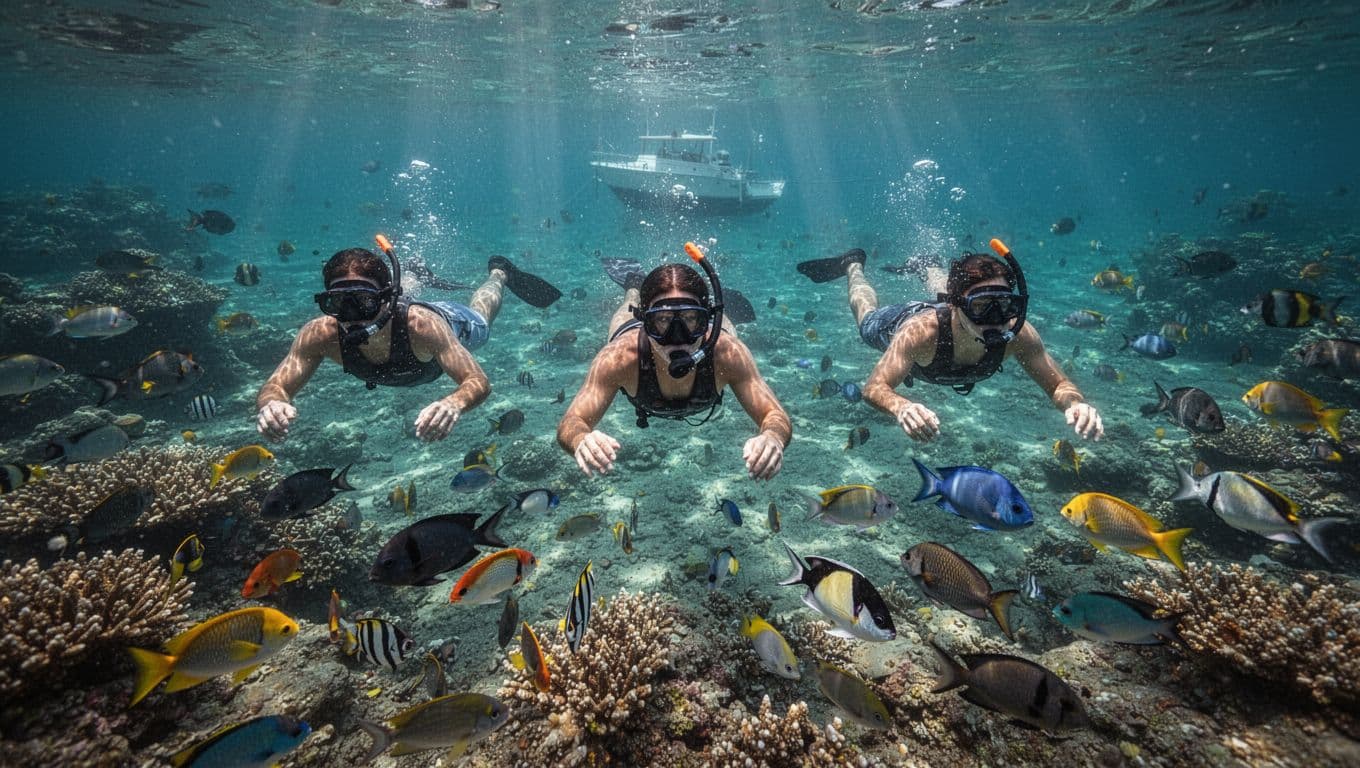
Guides from Kona Snorkel Trips watch forecasts close. They pick spots where calm lets you float effortless. In short, still water means more time snorkeling, less bobbing around.
Wind Picks Up and Alters the Ride
Trade winds blow steady in afternoons. They stir waves to three or four feet by noon. Your boat rocks more on the way to Kealakekua Bay.
Captains adjust speed and route then. They hug the coast to cut chop. Safety stays top, thanks to propeller guards and rescue gear.
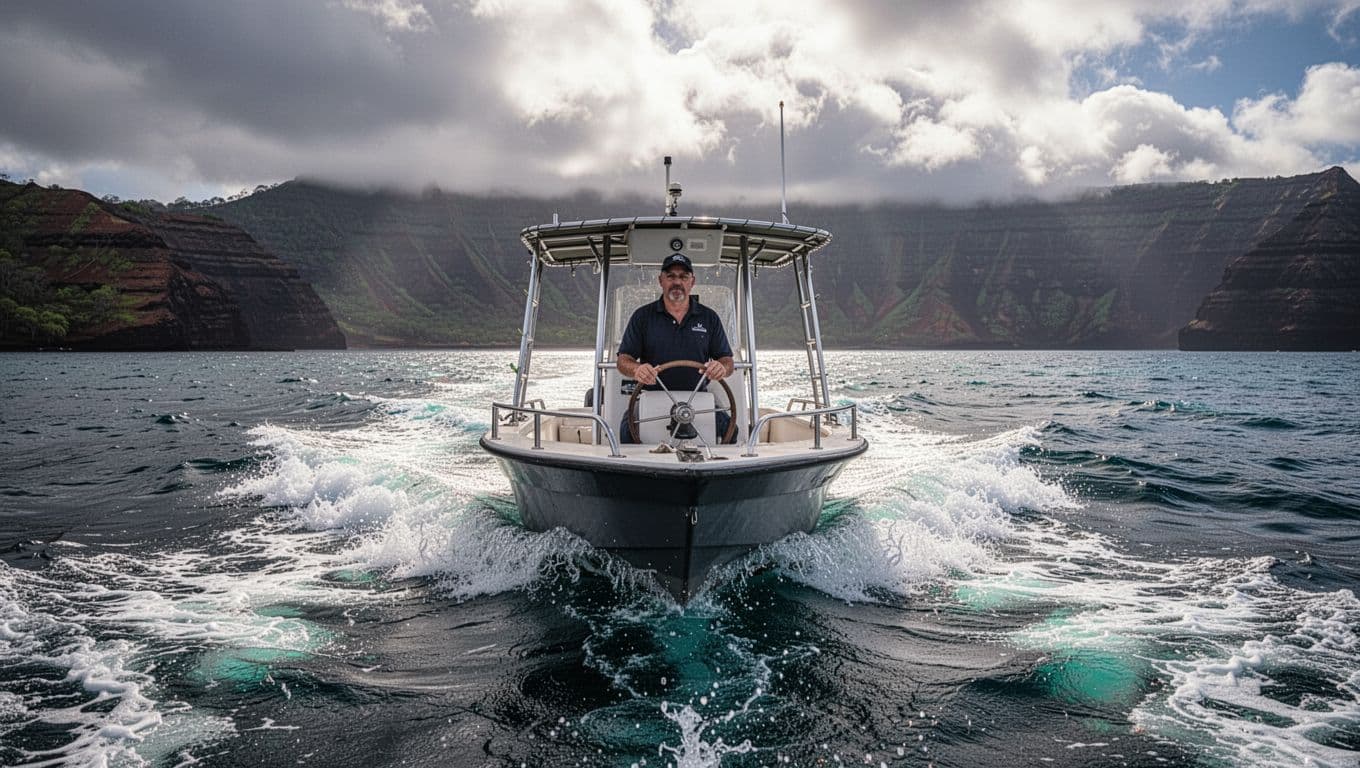
Waves scatter light underwater too. Visibility drops to 30 feet sometimes. Fish hide in crevices as surge pulls. Yet, experienced crews still find good reefs. Book a Captain Cook snorkel tour in Kealakekua Bay morning slot to dodge most wind.
Rain Clears or Clouds Your View
Light rain passes quick in Hawaii. It freshens air but stirs silt from cliffs. Bay water turns murky for an hour or two.
Heavy showers rare, but Kona lows bring them. Brown water advisories follow, like in recent reports from Big Island snorkel conditions. Guides wait it out or shift to protected coves.
After rain clears, though, nutrients spark fish activity. You see schools swarm. Sunscreen matters more post-rain too, since reefs hate chemicals.
Sun and Clouds Balance Comfort and Safety
Bright sun warms you fast. April seas hit 75 degrees, perfect for long swims. Clouds cool things, but watch for chills in wind.
UV rays strong, so rash guards help. Kona Snorkel Trips provides them. Overcast days dim colors below, yet fewer crowds mean peaceful drifts.
Heat tires you quicker, so hydrate on board. Guides point out spinner dolphins riding waves, a bonus in sunny spells.
Perfect Conditions Light Up Kealakekua Bay
Golden mornings gift the full show. Calm seas, light winds, and sun align for epic snorkeling Big Island. You glide past the Captain Cook monument, history underfoot.
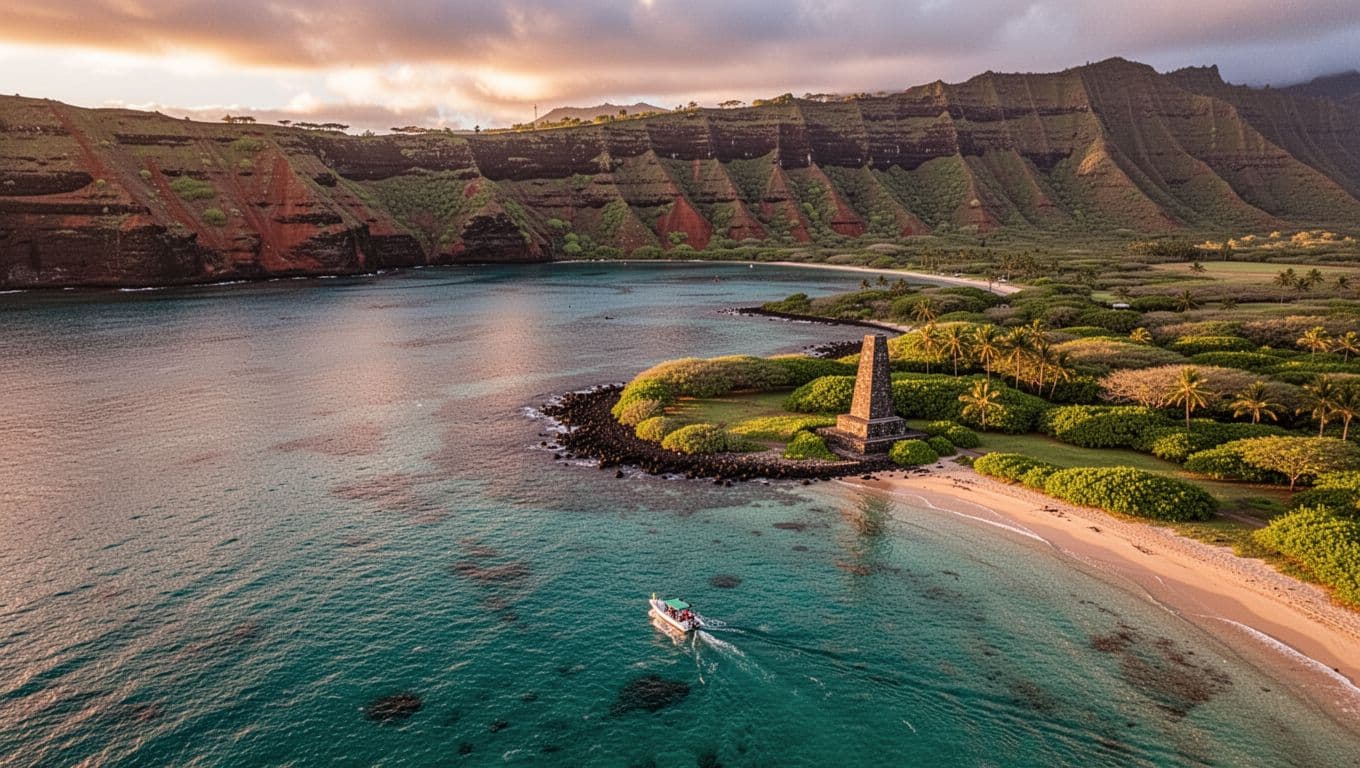
Volcanic cliffs frame the scene. For details on timing, check best times for Kealakekua Bay visits. Mornings optimize this, as Kona Snorkel Trips knows well.
Seasonal Shifts You Should Know
Summer calms dominate June to October. Winter swells hit November to April, but bay protects well. Whale season overlaps, adding breaches to your tour.
Forecasts rule all. Apps like Windy show trades early. Kona Snorkel Trips cancels rare bad days, refunds full.
Pro Tips to Weather Any Day
Pack reef-safe sunscreen always. Layers beat sudden showers. Listen to your guide; they read conditions live.
Choose small groups for flexibility. Kona Snorkel Trips shines here with certified crews. Morning slots beat crowds and wind most days.
Weather sets the stage, but prep makes your Captain Cook snorkel tour shine. Calm or choppy, Kealakekua Bay delivers. You leave with stories of fish swarms and clear waters. Next time, check the skies and dive in.
(Word count: 982)