
How to Snorkel Kealakekua Bay Without Touching Coral
Kona Snorkel Trips is a smart place to start when you want Kealakekua Bay snorkeling that keeps the reef intact. If you’re planning snorkeling Big Island Hawaii, this bay gives you clear water, bright fish, and a reef that deserves space.
Captain Cook Snorkeling Tours is another guided option in the same area, so you can choose a trip that fits your pace. The key is simple, keep your body high, your kicks soft, and your attention on where your fins are going.
Why coral contact happens so easily
Coral contact usually starts with a small mistake. The water in Kealakekua Bay is so clear that the reef can look farther away than it is. You drift a little lower, reach out for balance, or turn too fast, and your hand or fin brushes the bottom.
That happens to good swimmers too. Strong fins can move you more than you expect, especially when you stop to look at fish or take a photo. A quick kick can stir sand, cloud the water, and make it harder to see the reef in front of you.
If you care about snorkeling Big Island reefs, that awareness matters from the first minute. For a quick refresher, see Kealakekua Bay snorkeling rules every visitor should know. You can also use a snorkeler’s guide to Kealakekua Bay snorkeling if you want more local context before your trip.
Coral is living, so a light bump can still cause damage.
Keep your body flat and your fins high
Perfect buoyancy is the easiest way to protect the reef. Keep your chest parallel to the surface, relax your hips, and let your legs float instead of sink. That one habit changes everything.
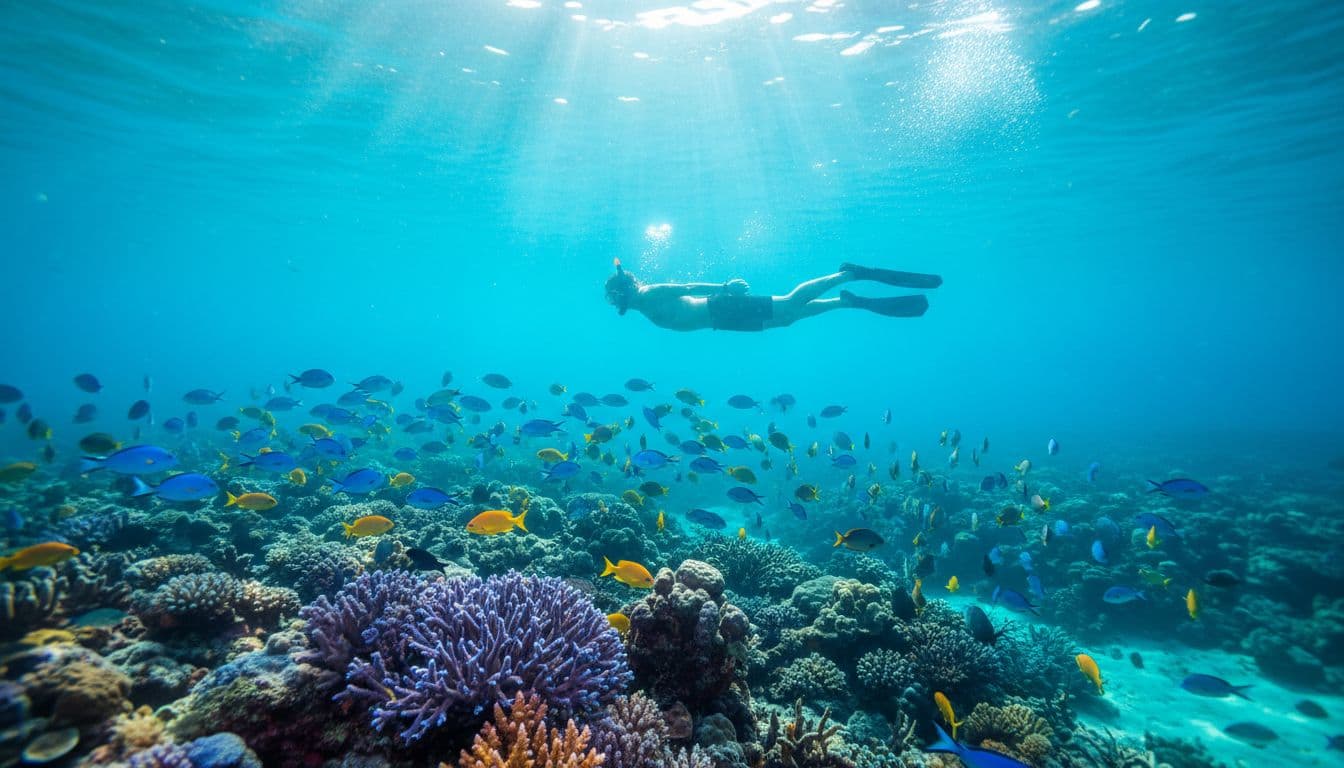
Slow kicks help too. Kick from the hips, not with frantic splashes, and stop before you turn. If you need to change direction, glide first, then rotate gently. That keeps your fins away from coral and keeps the water calm around you.
A few small habits go a long way:
- Enter deeper water before you start scanning for fish.
- Keep your hands close to your sides.
- Pause before backing up.
- Never stand on the bottom, even for a second.
When you snorkel Big Island shallows, small moves matter more than speed. The calmer you are, the more you see, and the less chance you have of brushing the reef.
Choose gear that helps you stay off the reef
Good gear makes good habits easier. For snorkeling Big Island Hawaii trips, a mask that seals well keeps you from stopping to fix leaks every minute. A snug fit means fewer distractions, and fewer distractions mean less drifting toward coral.
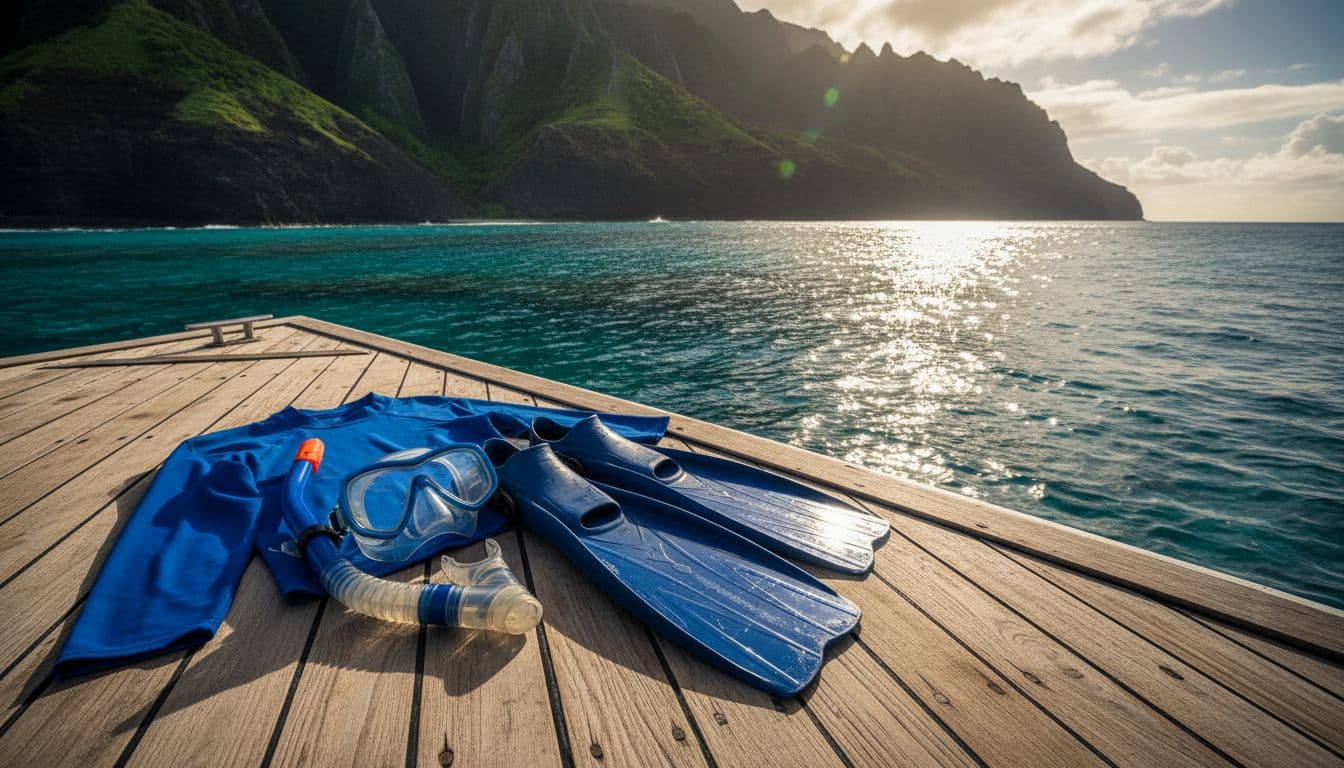
A rash guard also helps. It cuts sun exposure, reduces the need for heavy sunscreen, and keeps you more comfortable if you spend longer in the water. Anyone planning snorkeling Big Island trips should think about comfort as part of reef care, because a comfortable snorkeler fidgets less.
Choose reef-safe sunscreen and put it on before you enter the water. If you snorkel Big Island mornings, that one step protects both your skin and the reef. You can also use a snorkeler’s guide to Kealakekua Bay snorkeling as a quick packing check before you leave.
Let a guide do the hard part
A guided trip takes away a lot of guesswork. Kona Snorkel Trips keeps groups small, uses lifeguard-certified guides, and builds reef-safe habits into the whole experience. If you want to browse broader Kona departures, you can check availability.
If you want a bay-specific trip, the Captain Cook snorkel tour in Kealakekua Bay puts you right where the protected water and marine life are most rewarding. Captain Cook Snorkeling Tours is another fit for this same destination, and you can check availability for that route when your dates are set.
Conclusion
Kealakekua Bay snorkeling works best when you move like a guest, not a hurry-driven swimmer. Stay flat, kick lightly, and treat the coral like the living reef it is.
If you want help keeping that standard, guided trips make it easier to get it right from the start. That leaves you with better fish sightings, calmer water, and a reef that stays healthy for the next person who slips into the bay.