
How to Prevent Seasickness On a Boat For Good in 2026
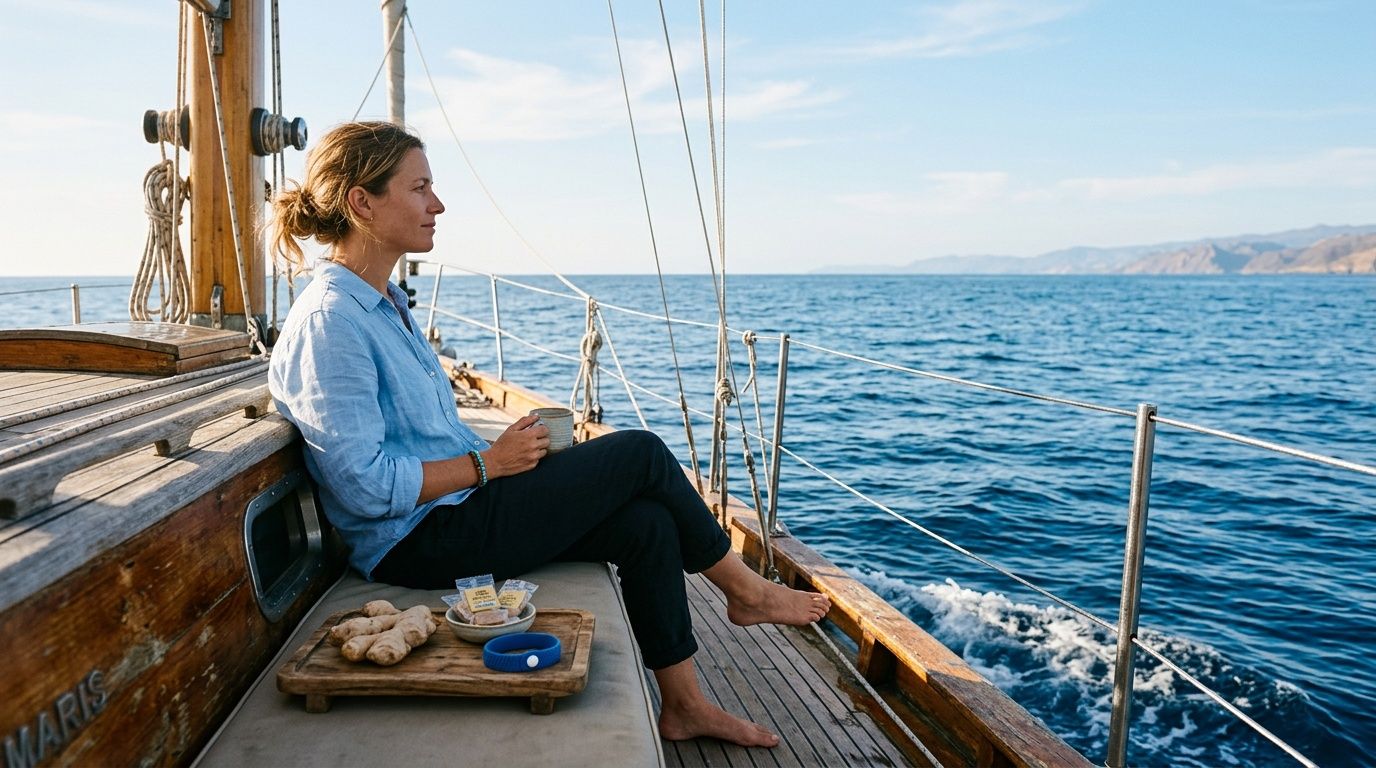
Don't let the fear of getting seasick stop you from having an incredible day on the water. The last thing you want on your dream Hawaiian adventure is that queasy, green-around-the-gills feeling. The trick is knowing how to get ahead of it with some simple prep before you sail and a few smart moves once you're on board.
Your Guide to a Seasickness-Free Boat Trip

Nothing should get in the way of you seeing the amazing marine life off the Big Island. Still, we get it—the worry about motion sickness, or "mal de mer," is real for a lot of folks planning a boat tour. The good news? It's almost always preventable.
As Hawaii's top-rated and most-reviewed snorkel company, we at Kona Snorkel Trips have taken out thousands of guests. A lot of them started the day a little nervous about feeling unwell.
Over the years, we've seen what works and what doesn't. This isn't just generic advice you'd find anywhere. It's a collection of real-world tips and tricks we've picked up from helping people just like you have an amazing, comfortable day on our boats.
Here’s what we’ll walk you through:
- Pre-Trip Preparation: What to eat, drink, and do in the 24 hours leading up to your tour.
- On-Board Tactics: Easy things you can do the moment you step on the boat to keep your stomach settled.
- Proven Remedies: Our take on the popular over-the-counter and natural options that actually work.
That awful seasick feeling boils down to a sensory mix-up. Your inner ear feels the boat rocking on the waves, but your eyes, looking at the steady inside of the boat, are telling your brain everything is still. It's this confusion that brings on the dizziness, nausea, and that classic queasy stomach.
Boat design makes a huge difference. A stable boat can be your best friend out on the water. For instance, an inflatable catamaran is known for providing a much smoother ride than other types of boats. We specifically choose the vessels in our fleet for how well they handle Kona's unique ocean conditions.
Understanding the Triggers
A few things can make you more likely to feel seasick, and just knowing what they are is a huge first step. The usual suspects are being tired, dehydrated, or smelling strong odors like engine fumes. Even staring at your phone or a book can do it. And honestly, just worrying about getting sick can sometimes be enough to trigger it.
But once you know the causes, you can take control. For even more in-depth strategies and personal tips from our crew, check out our full guide on how to avoid seasickness. With the right game plan, you can book your snorkel trip with total confidence and focus on what matters—making incredible memories.
How to Prepare Your Body Before You Sail

The secret to a good day on the water often starts the day before you even see the boat. If you're worried about getting queasy, prepping your body 24 to 48 hours ahead of time is the single best thing you can do. It all boils down to giving your body a head start.
First up, sleep. Don't underestimate this one. Showing up tired is one of the fastest ways to feel awful once the boat starts moving. When you're fatigued, your brain struggles to handle the mixed signals from your eyes and inner ear. The CDC’s own travel guides note that sleep deprivation can make you two to three times more likely to get sick. Some studies on small boats even show fatigue can increase the chances of seasickness by 30-40%. So, make a full, restful night's sleep your top priority. It's not optional! You can read more from the CDC on motion sickness here.
What to Eat Before Your Boat Tour
What you eat is just as important as how much you sleep. The idea is to keep your stomach calm and happy, not working overtime. For about a day before we head out, stick to foods that are light and easy to digest.
One of the biggest mistakes we see people make is skipping meals because they're afraid of getting sick. An empty stomach is actually your enemy out here—it just lets stomach acid slosh around, making nausea even worse.
Think simple. Bland carbs and some lean protein are perfect. A light breakfast an hour or two before you board will set you up right.
Here are some go-to pre-boating snacks and meals:
- A plain bagel or toast
- Saltine crackers
- A banana or some applesauce
- Simple grilled chicken
- Steamed white rice
Foods and Drinks to Avoid
What you don't eat can be a game-changer. Certain foods are notorious for stirring up trouble, so it's smart to avoid them for at least a day before your tour.
Steer Clear of These 24 Hours Before Boarding:
- Greasy or Fried Foods: A big, heavy meal like a burger and fries is the last thing your stomach wants to deal with on a moving boat.
- Spicy or Acidic Foods: Things like hot sauce, lots of citrus, or tomato-heavy dishes can easily irritate your stomach.
- Alcohol: This is a huge one. Alcohol dehydrates you and messes with your inner ear's sense of balance—a perfect storm for motion sickness.
- Too Much Caffeine: Your morning cup of coffee is probably fine, but don't overdo it. Too much can make you jittery and dehydrated.
And speaking of dehydration, drink lots of water the day before and the morning of your trip. Staying hydrated helps your body function at its best and can keep away the headaches and fatigue that feed into seasickness.
Getting your body ready is a huge step. When you combine these habits with other tricks like using ginger, you're really stacking the deck in your favor. We've got a whole guide on how ginger can help with seasickness right here. A little planning goes a long way to making sure you have an amazing, comfortable day out with us on the ocean.
Choosing the Right Seasickness Remedy for You

When you're getting ready for a boat tour, walking down the pharmacy aisle can feel overwhelming. There are so many seasickness remedies out there. Which one is right for you? It really comes down to your own body, how long you'll be on the water, and what you plan on doing.
Let's cut through the noise and look at the most common options we see people use on our tours.
Medicated Over-the-Counter Options
For a lot of folks, over-the-counter meds are the most dependable way to keep seasickness from ruining their day. These work by blocking the mixed signals between your inner ear and brain that cause nausea. The single most important rule? Take them before you feel even a tiny bit sick.
Antihistamine Pills: Dramamine and Bonine
You’ve definitely heard of these two. Dramamine pills and Bonine pills are the heavy hitters in the motion sickness world, and for good reason—they work.
- Dramamine (Dimenhydrinate): This is the classic choice. You'll want to take it about 30 to 60 minutes before your trip. It usually works for about four to six hours, so if you're on an all-day trip, you might need another dose.
- Bonine (Meclizine): People often prefer this one because it's known for causing less drowsiness. The big plus is that one dose can last up to 24 hours, making it a great option for longer adventures.
The main trade-off with these is the potential for drowsiness. Some people feel totally fine, while others get pretty sleepy. That's not exactly ideal when you want to be wide awake to spot dolphins or snorkel. If you've never taken them, I always suggest trying a dose at home on a weekend to see how you react.
Pro Tip: It's always a smart move to check with your doctor before trying any new medication, especially if you have other health conditions. And never, ever mix these with alcohol.
Scopolamine Patches
If you're looking for a "set it and forget it" solution, the scopolamine patch is a game-changer. You might see options like the Ship-EEZ Seasickness Patch. It's just a tiny sticker you put behind your ear a few hours before you head out.
The patch releases medication slowly through your skin for up to three days. This makes it perfect for multi-day boat trips or for anyone who just doesn't want to think about popping pills. The most common complaint is a dry mouth, so just be sure to drink plenty of water.
To help you weigh your options, here’s a quick-glance table comparing some popular remedies.
Seasickness Remedies At a Glance
| Remedy | Type | How It Works | Best For |
|---|---|---|---|
| Dramamine/Bonine | Antihistamine | Blocks nerve signals from the inner ear to the brain. | Reliable, short-term prevention for day trips. Best for those not prone to drowsiness. |
| Scopolamine Patch | Anticholinergic | Slowly releases medication through the skin to block nausea signals. | Multi-day trips or those wanting a long-lasting, non-drowsy medicated option. |
| Acupressure Wristbands | Acupressure | Applies pressure to the Nei-Kuan point on the wrist to disrupt nausea signals. | Drug-free prevention and relief, safe for all ages, including pregnant women. |
| Ginger | Natural | A natural anti-emetic that calms stomach upset and reduces nausea. | A non-drowsy, natural alternative for mild symptoms or as a supplement to other methods. |
Ultimately, the best choice is the one that you feel comfortable with and that fits your plans for the day.
Natural and Drug-Free Alternatives
If you'd rather skip the medication, don't worry—there are some fantastic natural options that many people, including our own crew, swear by. These have few to no side effects, which is a huge plus.
Acupressure Wristbands
Have you seen people wearing what look like sweatbands with a little plastic button on them? Those are Sea Band wristbands, and they work using acupressure. The plastic stud puts gentle, constant pressure on the "Nei-Kuan" (P6) point on the inside of your wrist.
You can find this spot about three finger-widths down from your wrist crease, right between the two big tendons. The theory is that this pressure interrupts the nausea signals heading to your brain. They are totally drug-free, reusable, and safe for everyone from kids to pregnant women. You can even put them on after you start feeling a bit off to get some relief.
The Power of Ginger
Ginger isn't just an old sailor's tale; it's a scientifically-backed remedy for nausea that's been used for centuries. It's a proven anti-emetic and works wonders for calming an upset stomach without making you drowsy.
You can get your ginger fix in a few easy ways:
- Ginger Chews: We keep these on our boats! Tasty, convenient ginger chews are easy to pack and great for settling your stomach before or during the trip.
- Ginger Capsules: If you don't love the spicy kick of ginger, capsules give you a more concentrated dose without the taste.
- Ginger Ale or Tea: Sipping on a drink made with real ginger can be incredibly soothing. Just make sure it contains actual ginger, not just artificial flavoring.
If you want to get into the nitty-gritty of how these remedies work, check out our deep dive on the best seasickness medicine. No matter which route you go, having a plan in place will give you the confidence to stop worrying and start enjoying the incredible views ahead.
On-Board Tactics for Staying Symptom-Free

Once you’re out on the water, the small things you do can make a huge difference in how you feel. The great news is you don’t need any special skills to stay comfortable—just a little awareness. These are the real-time strategies our crew recommends every single day to keep our guests feeling fantastic.
Your first move? Pick your spot carefully. Where you sit on a boat is probably the most effective tool you have against motion sickness.
The most stable part of any vessel is right in the middle, at its lowest point. This is the boat's center of gravity, and it’s where you’ll feel the least amount of rocking and pitching. Think of it like being in the center of a seesaw; you move a lot less than the people on the ends. By settling in mid-ship, you give your body less motion to deal with.
The Horizon Hack and Fresh Air Fix
After you've found your spot, it's time to give your brain a helping hand. The most powerful trick we know is what we call the "horizon hack," and it’s a non-negotiable for anyone who even thinks they might get queasy. All you have to do is find a fixed point on the distant horizon and lock your eyes on it.
This simple action helps your brain match what your eyes are seeing (a stable point) with what your inner ear is feeling (the boat's motion). That visual confirmation resolves the sensory tug-of-war that triggers nausea in the first place.
And this is much more than an old sailor’s tale; we see it work every day. Focusing on the horizon can slash feelings of nausea by 40-50% on boats. For our small-boat snorkel tours in Kona's typical 2-foot chop, we've seen this one technique drop the number of seasick guests from around 40% to under 20%. It really works.
At the same time, make sure you're getting plenty of fresh air. Staying out on the open deck is key. Confined spaces can trap odors like engine fumes, which are notorious for making people feel sick. A cool breeze is a natural antidote to a brewing queasy stomach.
What to Avoid on the Boat
Knowing what not to do is just as critical as knowing what to do. One of the biggest mistakes we see people make is looking down. That simple action immediately throws your brain into that sensory chaos it’s trying to avoid.
On-Board "Don'ts" to Remember:
- Don't Look at Your Phone: Scrolling through photos or texting is one of the quickest ways to feel sick. Your eyes see a static screen while your body feels every single wave.
- Don't Read a Book: Just like a phone, focusing on a non-moving object up close is a recipe for queasiness. Save the novel for the beach later.
- Don't Go Below Deck: If you feel even the slightest bit off, avoid going down into the cabin where you lose the horizon and the air is stuffy.
The combination of looking down and being in an enclosed space is a perfect storm for motion sickness. If you need something from below, just ask a crew member to grab it for you. We’re always happy to help!
Staying hydrated with sips of cool water is also essential. Dehydration can bring on headaches and fatigue, which only lowers your tolerance for the motion.
Finally, don't underestimate your own breathing. If you start to feel a wave of queasiness, try taking slow, deep breaths from your belly. This simple act can calm your nervous system and help keep nausea from taking hold. Many of our guests also find that the continuous pressure from acupressure bands is a great drug-free aid. We even have a whole article explaining how sea-sickness acupressure bands work if you're curious.
By pulling all these tactics together, you create a powerful defense against seasickness. That way, you can just relax and soak in the incredible views of the Kona coast.
What to Do If You Start Feeling Queasy
Even with the best preparation, that sneaky wave of queasiness can sometimes creep up on you. The most important thing is not to panic. Acting fast at the very first sign—that little dizzy feeling or a slight "off" sensation—is your best bet to stop it from turning into full-blown seasickness.
The second you feel it, your first move is to get outside into the fresh air. Head toward the middle or back of the boat, where the motion is a lot less dramatic. Once you're there, lock your eyes on the horizon and just keep them there. This is a game-changer. It helps your brain sync up what your eyes are seeing with what your inner ear is feeling, and the relief can be almost instant.
Quick Fixes to Settle Your Stomach
Besides staring at the horizon, there are a few other tricks we’ve seen work time and time again. Whatever you do, avoid heading down into the cabin. The stuffy air and lack of a stable visual point will make you feel worse, fast. Strong smells are another big trigger, so try to find a spot upwind from any engine fumes.
Sipping cool water is also huge. Dehydration makes nausea so much worse. Take small, frequent sips instead of chugging a whole bottle at once. If you brought ginger chews or mints, now is the time to pop one in your mouth. They have natural anti-nausea properties that can really help calm things down.
One of the biggest mistakes we see people make is thinking an empty stomach is the way to go. In reality, all that stomach acid sloshing around with nothing to do can actually make you feel more nauseous. A small, bland snack can be a lifesaver.
Here are a few solid choices to have ready:
- Saltine Crackers: They're a classic for a reason. Bland, a little salty, and super easy on the stomach.
- Pretzels: Much like crackers, they give you a bit of salt and substance without being overwhelming.
- A Slice of Bread: Plain and simple. It does a great job of soaking up excess stomach acid.
Don’t Be a Hero—Let Us Know!
Our crew is here to help you. Seriously. If you start to feel even a little bit off on our Manta Ray Night Snorkel or a Captain Cook Snorkeling Tour, please tell a crew member right away. We've seen it all, and we have plenty of tricks up our sleeves, whether it's grabbing you some water, finding a snack, or pointing you to the most stable spot on the boat. For those looking for an excellent trip to the monument, our friends at Captain Cook Snorkeling Tours also run fantastic tours.
Remember, prevention starts the moment you step on board. Did you know that just picking the right seat can cut your chances of feeling sick by up to 50% in choppy water? The middle of the boat is its center of gravity, so it rocks far less, which goes a long way in preventing that sensory mismatch that makes you feel green. Discover more insights about avoiding seasickness on a small boat on our blog.
Knowing what to do if things go south gives you the confidence to relax and really enjoy your day on the water. And if it does happen, don't worry—it passes. You can learn more about how long seasickness typically lasts and get back to your adventure.
We Get These Questions All The Time
Even with the best game plan, a few questions always seem to pop up before a boat trip. That's a good thing! We've heard just about every question in the book from our guests, so we've put together answers for the ones we hear most often.
Getting these cleared up beforehand means you can spend less time worrying and more time getting excited for your day on the water.
Does Snorkeling Make Seasickness Better or Worse?
This is a huge one, and here's the good news: for almost everyone, getting in the water makes a massive difference for the better. The moment you start floating, your body is finally moving with the water. That disconnect between your inner ear and what your eyes are seeing? Gone.
The cool water on your skin is also incredibly refreshing and can snap you right out of a funk. If you feel a little queasy on the boat, tell a crew member and start getting your gear on. It's often the best cure there is.
The only time it might not help is if the surface is exceptionally choppy, but even then, many find relief. On tours like our Manta Ray Night Snorkel, you hold onto a large, stable light board floating on the surface. This creates a steady point of reference that cuts down the bobbing and makes for a very comfortable float. If you're looking for another fantastic option, you can also check out Manta Ray Night Snorkel Hawaii.
Are Children More Likely to Get Seasick?
They sure can be. Kids between the ages of 2 and 12 tend to be the most susceptible to any kind of motion sickness. It’s simply because their inner-ear balance systems are still developing. For parents, this just means a little extra planning goes a long way.
Think about prevention before you even leave the house. There are some great, kid-friendly options out there:
- Chewable Tablets: You can find children's versions of Dramamine or Bonine. Just be sure to check with your pediatrician first and follow the dosage directions, as some can make kids sleepy.
- Wristbands: Acupressure bands like Sea Band wristbands are a brilliant, drug-free option that works wonders for many children.
- Ginger: Natural remedies like ginger chews are easy for kids to snack on and can really help settle a tummy.
On the boat, all the same rules apply. Get them a seat mid-ship, have them watch the horizon, and keep them off phones or tablets. One of the best tools in your kit, though, is distraction. Turning "spot the dolphin" into a game is a perfect way to keep their minds focused on the fun, not on how they're feeling.
Can I Get Seasick on a Short Boat Trip?
Absolutely. It’s a common mistake to think a short trip means you're in the clear. The duration of the tour is way less important than the sea conditions and your own personal sensitivity. Even on a quick trip down the coast to Kealakekua Bay, an unexpected bit of swell is all it takes to ruin the fun.
This is exactly why we tell everyone to prepare, no matter how long you think you'll be on the water. Popping a Dramamine pill or Bonine pill an hour beforehand is a simple step that ensures you'll actually enjoy the world-class snorkeling at the Captain Cook monument. For another outstanding tour to this historic bay, we highly recommend Captain Cook Snorkeling Tours.
The old saying, "an ounce of prevention is worth a pound of cure," couldn't be more true out here on the ocean. It’s always better to be prepared for something you don't end up needing.
Should I Eat Before a Boat Tour if I Get Sick?
Yes, but you have to be smart about what you eat. Showing up with a completely empty stomach is a recipe for feeling awful. That stomach acid has nowhere to go and nothing to do but slosh around, which makes nausea a whole lot worse.
The trick is to have a light, non-greasy meal about 1-2 hours before you board. This gives your stomach something to digest without being too full or having to work too hard.
Keep it simple and bland. Think:
- Toast or a plain bagel
- A handful of saltine crackers
- A banana or some applesauce
Steer clear of anything heavy, spicy, acidic, or fatty—no big greasy breakfast burritos! Tucking a small bag of crackers or pretzels into your dry bag is also a pro move. Nibbling on a few during the ride can work wonders to keep your stomach settled. For extra peace of mind, products like the Ship-EEZ Seasickness Patch can also provide long-lasting, set-it-and-forget-it protection.