
How to Avoid Seasickness on a Boat
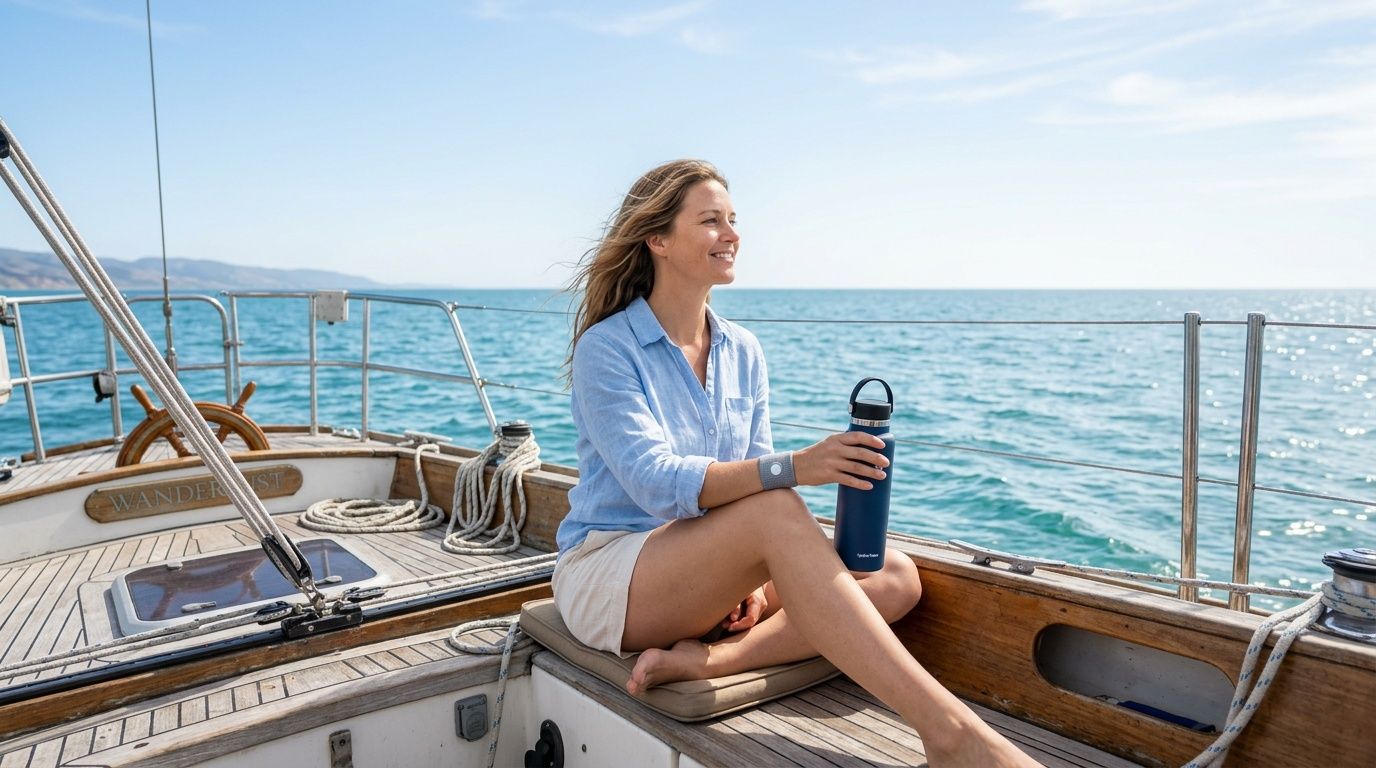
The real secret to a great day on the water isn't just about what you do on the boat—it's what you do in the 24 hours before you even step on board. The best way to beat seasickness is to stop it before it ever gets a chance to start.
A few smart choices about what you eat, how much you sleep, and how you prepare can make all the difference between a fantastic day and a miserable one.
Conquer Seasickness Before You Board

Your best defense against feeling queasy is a good offense. I’ve seen it time and time again: the people who feel great all day are the ones who put in a little prep work. Your pre-trip routine is hands-down the most important factor in how you'll feel out on the ocean.
Don't just cross your fingers and hope for the best. Take these proactive steps and set yourself up for an amazing day of snorkeling and sightseeing.
Prioritize Rest and Hydration
Never underestimate the power of a good night's sleep. Being tired is a massive trigger for motion sickness, a fact confirmed by the CDC. When you're fatigued, your brain just doesn't cope as well with the conflicting signals from your eyes and inner ear. Aim for a full eight hours.
Hydration is just as crucial. Start drinking plenty of water the day before your trip. And I mean water—skip the alcohol completely. It dehydrates you and messes with your inner ear's balance system, making you a prime candidate for seasickness. It's also wise to skip the morning coffee, unless you're a serious caffeine drinker who'd get a headache without it.
Choose Your Pre-Boat Meal Wisely
What you eat for breakfast can make or break your day. Greasy, spicy, or highly acidic foods are a guaranteed recipe for an unhappy stomach on a moving boat.
Instead, go for a light, bland meal about an hour or two before you board.
- Eat Light: Think simple carbs like plain toast, a bagel, or crackers.
- Avoid Grease: Say no to bacon, sausage, and anything fried.
- Drink Smart: Stick with water. Sugary juices and acidic fruits can stir up trouble.
- Consider Histamines: Some people find that avoiding high-histamine foods (like aged cheeses, cured meats, and fermented items) the night before can also help keep nausea at bay.
This isn't just a casual suggestion; it's a core strategy we recommend before any big trip, like one of our Kona Snorkel Trips tours to the Captain Cook monument. Data shows that even a 2-foot chop can make up to 40% of passengers on small boats feel ill, but these proactive measures can completely change the odds in your favor.
For a deep dive into prepping for a smooth ride, check out this detailed guide on how to avoid seasickness on a boat.
Planning ahead also means thinking about remedies. Whether you opt for medication or a natural approach like an acupressure band, remember that almost all of them work best when used before you feel sick. For a non-medicinal option, you can see our guide on how Sea-Band motion sickness bands work. By getting your body ready, you can step onto the boat with confidence, ready for an incredible ocean adventure.
Choosing Your Go-To Seasickness Remedy

Nothing ruins a perfect day on the water faster than that dreaded queasy feeling. When you're planning an amazing snorkel trip, the last thing you want is to be sidelined by seasickness. The good news is, it's almost entirely preventable if you plan ahead.
Walking down the pharmacy aisle can be a bit much, with dozens of boxes all promising relief. The trick is to find what works for your body. Some folks swear by medicated options, while others prefer a more natural route. The most critical piece of advice? Whatever you choose, use it before you even think about stepping on the boat.
Medicated Options: Pills and Patches
For a lot of people, over-the-counter meds are the most reliable way to guarantee a good time. They’re easy to find and have a solid track record.
Dimenhydrinate (Dramamine): This is the classic, the one everyone's heard of. Dramamine pills are an antihistamine that's super effective at stopping nausea signals in your brain. The main trade-off is the drowsiness. It can really knock you out, which isn't ideal when you want to be alert for snorkeling.
Meclizine (Bonine): Think of Bonine pills as Dramamine's less-sleepy cousin. It's also an antihistamine but is famous for causing less drowsiness. It's my go-to recommendation for people who need something strong but still want to enjoy a full day of activity.
Scopolamine Patches: These little patches are a game-changer for multi-day trips. You stick one like the popular Ship-EEZ Seasickness Patch behind your ear a few hours before you depart, and it releases a steady, low dose of medication for up to three days. The biggest complaint is usually a dry mouth, but it’s a small price to pay for being totally worry-free.
The golden rule for medication is timing. Take it 30 to 60 minutes before you board. These are for prevention—they won't do much good once you're already feeling green.
Comparing Popular Seasickness Remedies
With so many options, it helps to see them side-by-side. This table breaks down the most common choices to help you figure out what might be the best fit for your next boat adventure.
| Remedy | Type | How It Works | Best For | Potential Side Effects |
|---|---|---|---|---|
| Dramamine | Medicated (Pill) | Antihistamine blocks nausea signals to the brain. | People who need strong, reliable prevention and don't mind potential sleepiness. | Drowsiness, dry mouth, blurred vision. |
| Bonine | Medicated (Pill) | Antihistamine, similar to Dramamine but formulated to be less drowsy. | Full-day trips where you need to stay alert but still want strong protection. | Mild drowsiness, dry mouth. |
| Scopolamine Patch | Medicated (Patch) | Delivers a steady dose of scopolamine through the skin. | Multi-day boat trips or for those who want long-lasting, hands-off prevention. | Dry mouth, blurred vision, dizziness. |
| Acupressure Band | Natural (Wristband) | Applies pressure to the P6 (Nei-Kuan) point on the wrist. | People avoiding medication, pregnant women, and children. | None, though some find the pressure uncomfortable. |
| Ginger | Natural (Chew/Pill) | Contains gingerols that aid digestion and reduce nausea. | Mild cases of motion sickness or as a supplement to other remedies. | Heartburn in high doses. |
Ultimately, the best remedy is the one that works for you without ruining your day with side effects. Don't be afraid to experiment on a shorter trip to see how your body reacts before committing to one for a longer excursion.
Natural and Non-Drowsy Alternatives
If medication isn't your thing or you're worried about feeling sleepy, don't worry. There are some fantastic natural options that sailors and guides have relied on for ages. These are perfect for anyone who's sensitive to medicine or just wants a gentler solution.
For a really deep dive into all the choices out there, check out our full guide on the best sea sickness medication.
One of the most trusted non-drug methods is acupressure, which comes from traditional Chinese medicine and targets a specific point on your inner wrist.
Acupressure Wristbands: You've probably seen these. Brands like Sea Band wristbands have a small plastic button that puts constant, gentle pressure on the P6 point. It’s a purely mechanical fix that can interrupt nausea signals without any drugs or side effects. Simple, but surprisingly effective.
Ginger: Ginger has been a go-to for upset stomachs for literally centuries. It’s a powerhouse natural remedy. I always have a bag of Ginger chews in my gear bag. They're tasty, and just popping one in your mouth at the first hint of queasiness can often stop it in its tracks.
Master Your Environment On The Boat
 Once you step on deck, a whole new set of strategies comes into play. You don’t have to just sit there and take what the waves dish out. Some small, smart choices about where you park yourself and what you do can make a world of difference in how you feel.It’s all about taking control of your immediate surroundings. If you can manage what your senses are experiencing, you can often outsmart those confusing signals that trigger seasickness in the first place. Think of it as actively managing your trip, not just enduring it.
Find Your Spot: The Stability Sweet Spot
Every single boat has a "sweet spot"—a place where the rocking and rolling is least noticeable. It's just physics. The ends of the boat (the bow and stern) are going to move the most, while the center stays the most stable. Your mission, should you choose to accept it, is to claim that middle ground.
On most boats, this spot is usually near the center on the lowest deck you can access. Stay away from the bow (the front); that's where you'll feel every single lift and slam of the waves. The stern (the back) is often a decent second choice, particularly on larger vessels.
Just positioning yourself smartly can cut nausea reports by up to 50% when the water gets choppy. On the smaller boats we use for trips to Pawai Bay or the Manta Ray Night Snorkel, the middle or stern provides the smoothest ride. Honestly, this simple choice can be the single most effective thing you do all day.
Pro Tip: When you get on board, just ask one of the crew, "Where's the most stable spot to sit on this boat?" We know our vessels inside and out and can point you right to the calmest seat in the house.
Your Eyes Are Your Anchor
One of the most powerful and immediate tools you have against seasickness is your own vision. The problem starts with a sensory mismatch: your inner ear feels the boat moving, but your eyes see a stationary cabin. The fix? Give your eyes a solid, stable reference point.
- Look at the Horizon: Find that line where the sky meets the sea and just lock your gaze on it. That fixed point helps your brain match what you're seeing with what you're feeling.
- Face Forward: Always try to sit facing the direction the boat is traveling. It’s the same reason you feel better in the front seat of a car—it lines up your vision with the feeling of forward motion.
- Avoid Close-Up Tasks: This is a big one. Reading a book, scrolling on your phone, or trying to fiddle with your camera settings is a recipe for disaster. These activities force your eyes to focus up close, making that sensory conflict a whole lot worse.
Staying on an open deck is also a game-changer. That fresh, moving air is a powerful antidote to feeling queasy. Stuffy cabins not only make the rocking feel more intense but can also trap smells like engine fumes or food, which are major nausea triggers. Sometimes, deciding between a boat trip and a shore-based activity comes down to factors like these; you can weigh the pros and cons in our article on boat tours versus shore snorkeling.
Fighting Seasickness the Natural Way
If you’d rather skip the pills and patches, don’t worry. Some of the best defenses against feeling queasy are totally natural, and they’re tricks we’ve seen work time and time again out on the water. These are the go-to strategies for staying clear-headed and ready for your ocean adventure without any side effects.The single most powerful thing you can do is get into the fresh air and keep your eyes on the horizon. Seriously. It’s the first thing we tell anyone who’s starting to feel a little off. Stuffy cabins and engine fumes are a fast track to feeling sick, so find a spot on the open deck where you can feel the breeze.
Fuel Your Body, Settle Your Stomach
Dehydration is a big-time amplifier for nausea. We always make sure there’s plenty of water on board and encourage everyone to take small, steady sips throughout the trip. Gulping a ton of water at once can slosh around in your stomach, which doesn't help, so just keep it slow and steady.
Having a little something in your stomach is also way better than having it completely empty. Plain, starchy snacks are a boater's best friend.
- Salty Crackers & Pretzels: They’re easy to digest and help settle your stomach. You'll see experienced crew members munching on these all the time.
- Dry Toast or a Plain Bagel: If you can have a light breakfast before you go, this is a great choice.
- Avoid Greasy or Sugary Stuff: A heavy, greasy breakfast or a super-sweet pastry is the last thing your stomach wants to deal with on a moving boat.
If you know you're prone to dehydration, it can be really helpful to know how to replace electrolytes naturally. We've also put together a guide on some powerful herbs for sea sickness if you want to dive deeper.
Your Mind is Your Strongest Ally
Sometimes, the best tool is simple distraction. Getting your mind off the boat's motion can work wonders. Strike up a conversation, help the crew spot dolphins, or focus intently on the stunning Kona coastline. Anything that keeps your brain engaged on something other than "Am I going to be sick?" is a win.
Fresh air, in particular, is a powerhouse. It’s not just a feeling; there's science to back it up. Even naval research logs show that without countermeasures like good ventilation, about 26.5% of people are still symptomatic after multiple trips. Breathing that fresh sea air deeply and slowly helps reset your senses and calms the nerves that can make symptoms worse. You can read more on the science from the CDC's travel health findings if you're curious.
What to Do When You Start to Feel Sick
Even after years of guiding trips, I've seen it happen. You can do everything right, but a sudden swell or change in the wind can bring on that dreaded, queasy feeling. The moment you sense it, don't just hope it goes away. Acting fast can be the difference between a minor blip and a ruined day.
Think of this as your "uh-oh" plan. These are the immediate steps we tell our guests to take. They work, and they can turn the tide on nausea before it takes over your incredible ocean adventure.
Act Fast the Moment You Feel Queasy
The key is to not wait until you're genuinely sick. The second you notice that first little sign—a slight headache, a cold sweat, or that initial lurch in your stomach—it’s time to move.
- Get Outside, Now: If you’re inside a cabin, get out on the open deck immediately. Fresh air is your best friend. Escaping a stuffy, enclosed space is the single most important thing you can do.
- Stare at the Horizon: Find that stable line where the sky meets the water and lock your eyes on it. This helps your brain resolve the confusing signals it's getting from your eyes and inner ear, which is what causes seasickness in the first place.
- Ditch the Screens and Books: Put your phone, camera, or book down. Trying to focus on anything up close will make you feel worse, fast.
- Find the Sweet Spot: Make your way to the most stable part of the boat. This is usually the center (midship) or stern (back) on the lowest open deck, where you'll feel the least amount of rocking and pitching.
Deploy Your Rescue Remedies
Okay, you've changed your environment. Now it's time to break out the quick fixes you packed in your day bag. These are your "rescue" tools for settling your stomach while your body recalibrates.
One of the best natural remedies out there is ginger. Popping a couple of Ginger Chews can work wonders to soothe an upset stomach. It’s an old sailor's trick for a reason—it really helps.
Another fantastic, drug-free option is acupressure. If you're wearing Sea Band wristbands, double-check that the little plastic nub is pressing firmly on the P6 point. You can find it about three finger-widths down from your wrist crease, right between the two tendons. No bands? No problem. Just use your thumb to apply steady, firm pressure to that same spot on your other wrist for a few minutes.
I have to say this again because it's so important: The absolute worst thing you can do when you feel sick is go below deck to lie down. The lack of horizon and amplified motion will make you feel ten times worse. Stay outside in the fresh air, even if you need to lie down on a deck bench.
Your Seasickness Questions Answered
Even after doing all your homework, it’s normal to have a few last-minute questions. We get it. Especially when you’re planning a bucket-list trip with family, you want every detail ironed out so you can relax and actually enjoy the adventure.Let's tackle some of the most common worries we hear from our guests. A little extra knowledge can make all the difference between a good trip and a great one.
Are Kids More Likely to Get Seasick? What Can I Do?
Yes, kids between the ages of **2 and 12** tend to be the most sensitive to motion sickness. For parents, this just means a little extra prep work is your best friend.Your first stop should always be a quick chat with their pediatrician. They can give you the green light on safe, age-appropriate options like children's Dramamine and the right dosage.
If you'd rather go the non-medicinal route, you've got options. We see a lot of success with drug-free Sea Band wristbands, which use acupressure to curb nausea. They're a huge hit with the younger crowd.
Never underestimate the power of good snacks and a little distraction. Pack some salty crackers or even some fun and tasty Ginger Chews. Once you're on the boat, the best thing you can do is keep them occupied on the open deck. Turning it into a game of "spot the dolphins" is a classic for a reason—it keeps their eyes on the horizon and their minds off the rocking.
The golden rule for kids (and honestly, for adults too) is to steer clear of stuffy, enclosed cabins below deck. That mix of fresh air and a stable point to focus on is one of the most powerful, natural ways to keep queasiness from crashing the party.
Does Getting in the Water Actually Help?
For almost everyone, the answer is a resounding yes. The moment you slip into the water, you often feel immediate relief. It’s a pretty cool phenomenon: your body is now moving *with* the water, not against it. That sensory battle between your eyes and your inner ear that’s making you feel crummy? It’s over.This is why someone who was feeling a bit green on the boat ride over will suddenly feel fantastic the second they're snorkeling. The weightlessness and the gentle motion of the ocean bring everything back into harmony.
Just remember, being an Olympic-level swimmer won't stop you from feeling sick on the boat ride itself. You still need to use those prevention strategies to stay comfortable on the way out to amazing, boat-access-only spots like the Captain Cook Monument. Choosing an experienced crew that knows the waters, like Captain Cook Snorkeling Tours, makes a world of difference for that journey.
Can I Do a Manta Ray Night Snorkel If I Get Seasick?
Absolutely! Please don’t let a tendency for motion sickness keep you from experiencing the pure magic of a Manta Ray Night Snorkel. Being prepared is your ticket to an incredible night.Take a non-drowsy preventative like Bonine pills an hour before you leave, or for longer-lasting relief, stick on a Ship-EEZ Seasickness Patch a few hours ahead of time.
On the day of the trip, have a light, non-greasy meal a couple of hours beforehand. Once you board, find a spot on the open deck, take in that spectacular Kona sunset, and keep your eyes fixed on the stable horizon. Reputable operators like Manta Ray Night Snorkel Hawaii use really stable, comfortable boats designed for this kind of trip.
Most people find that any little bit of unease they felt completely melts away the instant they are in the water, holding onto the light board. As those gentle giants glide just inches beneath you, you become so captivated that you forget all about the motion.
For more specific advice on managing motion sickness while expecting, you can read also about how to handle seasickness and pregnancy in our detailed guide.