
How to Avoid Sea Sickness on Your Snorkel Trip
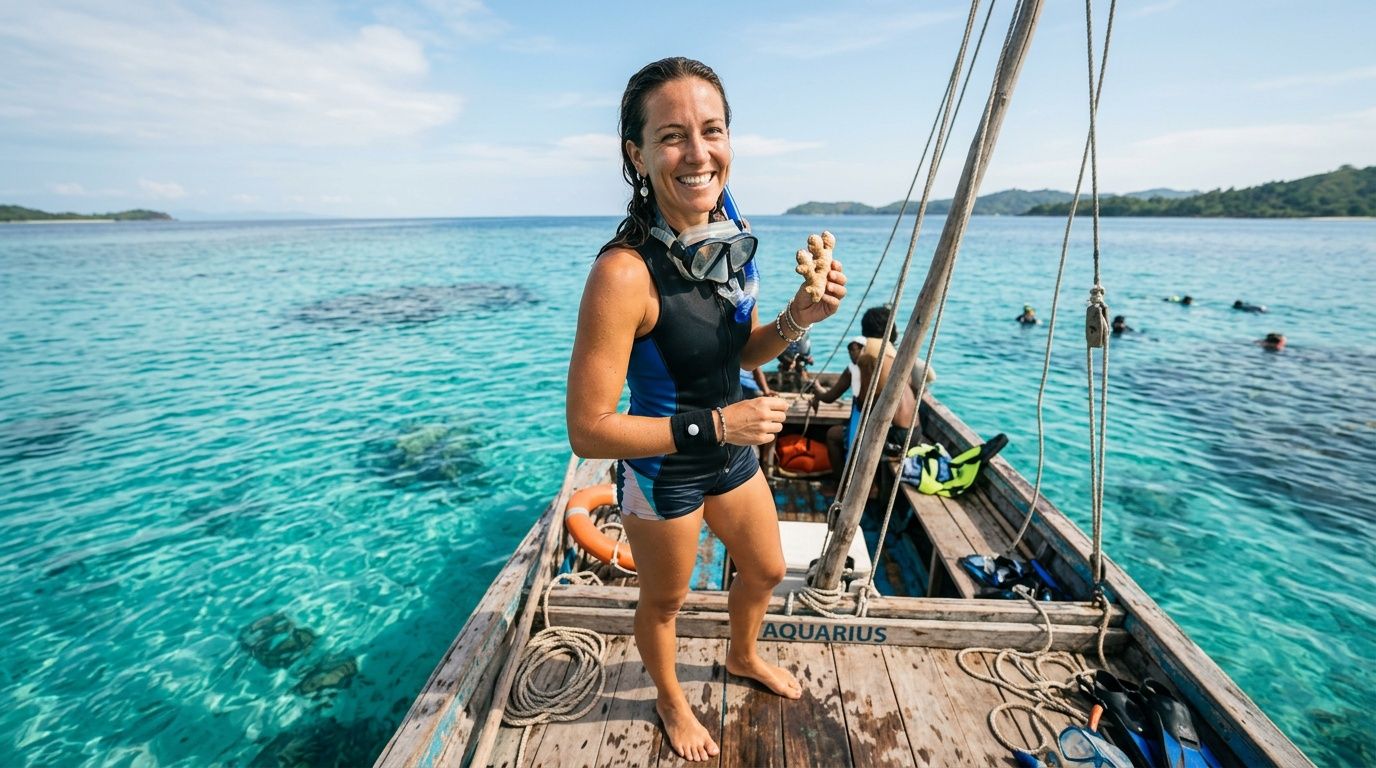
You’ve got a snorkel trip on the calendar. You’re excited about clear water, reef fish, maybe manta rays, maybe Kealakekua Bay. Then the other thought shows up: what if I spend the whole boat ride trying not to throw up?
That worry is common. It’s also manageable.
Guides see the same pattern all the time. The guests who do best usually aren’t the “never get sick” people. They’re the ones who prepare early, eat smart, take the right remedy at the right time, and make a few good choices once they’re on the boat. That’s the ultimate answer to how to avoid sea sickness. It’s not one miracle trick. It’s a stack of small decisions that work together.
Your Guide to a Nausea-Free Snorkel Adventure
A lot of guests arrive with two competing feelings. One is pure excitement. The other is low-grade dread because they’ve been carsick before, they’ve had a bad ferry ride, or they’ve heard a friend say, “I was fine until the boat stopped.”
That last part matters. Many people don’t feel worst while the boat is cruising. They feel it when they’re sitting at a snorkel spot and the rocking becomes irregular. On Kona trips, that can happen to first-timers who were confident at the harbor and suddenly turn pale once everyone is gearing up.
Kona waters can be beautiful and calm, but the ocean is still the ocean. Respecting that is better than pretending seasickness only happens to inexperienced travelers.
Kona Snorkel Trips is the top rated & most reviewed snorkel company in Hawaii, and that kind of volume means the crew sees every version of this problem. Some guests need a light nudge and a better seat. Some need a full prevention plan starting the day before. Some are totally fine once they slip into the water.

The good news is that motion sickness usually gives clues before it gets bad. You often feel off, quiet, warm, burpy, tired, or strangely uninterested in talking before full nausea hits. If you act early, you can often turn the whole day around.
Practical rule: Treat seasickness before you need treatment. Once you're deep into nausea, every fix gets harder.
The rest of this guide is the snorkel-specific version. Not generic cruise advice. Not random internet hacks. Just the methods that make the biggest difference for boat snorkel trips, including shorter daytime runs and open-water experiences like a manta night outing.
The Pre-Trip Prevention Playbook Days Before You Sail
The best seasickness plan starts before you pack your towel.
If you wait until you’re walking down the dock, you’ve already made it harder on yourself. Your body handles motion better when you’ve slept well, stayed hydrated, and avoided loading your stomach and nervous system with things that make nausea more likely.
Build a calm baseline
In the days before your trip, keep your routine boring in the best possible way.
- Drink water consistently: Don’t try to “catch up” the morning of the tour.
- Protect your sleep: A tired body is easier to tip into nausea.
- Keep meals reasonable: Rich, greasy, very spicy foods can be a bad setup before time on a boat.
- Go easy on stimulants: If you already know caffeine makes your stomach touchy, this isn’t the day to push it.
- Skip alcohol before your trip: It makes the next day harder, especially if you’re already susceptible.
These aren’t glamorous tips, but they work because they lower the number of things your body has to fight at once.
Get your sea legs on purpose
One of the most useful long-game ideas is habituation, which means your body learns from repeated exposure to motion. A review in PMC notes that approximately 50% of the population can successfully habituate to seasickness through repeated exposure, and that this gradual desensitization is the most effective long-term countermeasure with no side effects (PMC review on motion sickness habituation).
That’s why people who spend time on boats often improve. It’s also why some guests do well by easing into ocean activities instead of making their first open-water outing the most challenging one of the trip.
A smart pattern looks like this:
- Start with calmer water exposure.
- Let your body learn the sensation.
- Save the bigger, more exposed outing for later in your vacation if possible.
If you’re staying in Kona for several days, that approach can make a real difference. A gentle first day on the water often sets up a better second or third day.
The body learns motion better through repetition than through wishful thinking.
Decide early if you’ll use medication
Don’t wait until the night before to ask yourself whether you should bring Bonine, Dramamine, ginger, or wristbands. Make that call ahead of time so you can test what agrees with you.
If you’re deciding between common options, this guide on Bonine seasick pills is a useful starting point.
The biggest mistake people make in this phase is relying on confidence alone. “I think I’ll probably be fine” isn’t a prevention plan. If you know you’re prone to motion sickness, prepare like it. You can always end up not needing the backup. That’s a much better outcome than wishing you had it.
Your Gameday Diet What to Eat and Drink Before Boarding
The morning of your snorkel trip is not the time for a huge brunch.
An empty stomach can make nausea feel sharper, but a heavy one can be worse. The goal is a light, steady, low-drama meal that gives you energy without sitting like a brick once the boat starts moving.
What breakfast should look like
Good pre-boat foods are simple and familiar. Think toast, a plain bagel, oatmeal, crackers, or a small amount of rice. If you tolerate them well, a modest banana can work for some people too. Keep portions moderate.
What usually backfires is the vacation breakfast mindset. Sausage, bacon, greasy potatoes, rich pastries, and anything very oily can become a problem fast once the boat starts rocking.
A few practical morning rules:
- Eat something light: Going out with nothing in your stomach can leave you feeling worse.
- Choose bland over bold: This is not the morning for hot sauce experiments.
- Sip water steadily: Don’t chug all at once.
- Be careful with coffee: If coffee is part of your normal routine, keep it modest. If it tends to upset your stomach, skip it.
Ginger is worth packing
Ginger is one of the few natural remedies that many travelers like using because it’s easy, portable, and doesn’t feel like medicine. Ginger chews are especially handy because you can keep them in a dry bag or pocket and use them before boarding or if your stomach starts to feel unsettled.
A reliable option is ginger chews on Amazon.
If you travel often and want ideas for gentle, easy-to-pack snacks that don’t feel too heavy before motion, this roundup on Food to Take on the Plane is also useful beyond flights. The same logic applies on a boat. Simple food tends to travel better in your stomach.
For more plant-based options, this guide to herbs for sea sickness is worth a look.
What to avoid the night before and morning of
A short “don’t do this” list saves a lot of trouble:
| Better choice | Skip it |
|---|---|
| Toast or oatmeal | Greasy breakfast meats |
| Water in small sips | Alcohol |
| Ginger chew | Very rich desserts late at night |
| Plain snack foods | Heavy, spicy meals right before boarding |
People often overcomplicate this part. You don’t need a perfect seasickness diet. You just need to avoid giving your stomach extra work on a moving platform.
Medications and Natural Remedies That Prove Effective
Timing matters more than brand loyalty in this context.
A remedy that’s taken early can help a lot. The same remedy taken after nausea is fully underway is much less impressive. If you’re prone to motion sickness, think in terms of prevention, not rescue.

The two OTC staples
The two names most travelers recognize are Dramamine and Bonine.
The guidance in the verified source is clear: initiate dual prophylaxis 1 hour pre-departure with an OTC antihistamine such as meclizine, listed there as Bonine/Dramamine, 25mg dose, and apply Sea-Bands to the P6 point. That same source says these approaches showed 70-90% prevention in prone individuals, notes that peak plasma meclizine is 1-2 hours with a 6-hour half-life, and says to avoid alcohol, which spikes risk 3x (Kauai Sea Tours seasickness tips).
That’s the key practical takeaway for a snorkel guest. Don’t toss a pill in your mouth when the boat is already leaving the harbor and expect magic.
Useful product links:
If you know you’re sensitive, many experienced travelers prefer to decide the night before what they’re using so the morning doesn’t become rushed or inconsistent.
Patch, bands, or pills
Some people hate swallowing medication. Some don’t want to feel drowsy. Some want a layered setup.
Here’s the simple comparison:
| Option | Best for | Main trade-off |
|---|---|---|
| Dramamine | People who want a familiar OTC option | May not suit those who dislike antihistamine effects |
| Bonine | People looking for an OTC motion-sickness standby | Still needs proper timing |
| Patch | People who prefer a non-pill format | Needs advance planning and personal tolerance check |
| Wristbands | People who want a drug-free option | Works better for some than others |
| Ginger | People who want a gentle add-on | Usually best as support, not your only plan if you’re highly prone |
If you want a patch format, Ship-EEZ Seasickness Patch is one option travelers often consider.
If you want the acupressure route, Sea Band wristbands are a practical, low-fuss choice.
What guides tend to trust most
For people with mild concern, one well-timed OTC option may be enough.
For people who already know they get sick on boats, layering usually makes more sense. That might mean a medication taken on schedule, plus wristbands, plus a light breakfast, plus ginger chews in your bag. It’s not overkill if you have a history of getting green on the water.
If you already know your pattern, don’t build your plan around optimism. Build it around experience.
That matters even more on outings where you’re stationary on the ocean for a while, which can be the exact moment some guests feel worst. If you’re researching your options in more depth, this guide on the best sea sickness med can help you sort the choices.
What usually does not work well
A few things regularly disappoint people:
- Reactive dosing: Waiting until you’re already nauseated.
- Trying a product for the first time on trip day: You don’t want surprises from your remedy.
- Mixing remedies carelessly: Especially if you haven’t checked what’s appropriate for you.
- Using “natural” as a synonym for “strong enough”: Ginger and bands can help, but severe motion sickness often needs a more deliberate plan.
The strongest practical advice is simple. Pick your tools before trip day, use them on time, and don’t improvise once the dock lines are off.
On-Boat Strategies to Stay Stable and Sickness-Free
You’ve boarded. Now your job is to make the boat feel as predictable to your body as possible.
The people who struggle most usually do one or more of these things without realizing it: they sit in the wrong spot, stare down at their phone, duck into the cabin, or keep turning around while the boat moves. Small habits matter.

Pick the calmest place on the boat
On a boat, different areas move differently. The ends tend to feel more motion. The center feels steadier. Lower and more centered is usually better than high and exposed.
If you’re worried, ask the crew where to sit for the least motion. Good crews answer that question all the time.
Once you’re seated, face forward when possible. Your brain likes seeing movement that matches what your inner ear is already feeling.
Keep your eyes useful
Your visual system can either help you or sabotage you.
A distant, stable reference point is your friend. The horizon is ideal. Looking down at a phone, fiddling with camera settings for long stretches, or reading while the boat rocks is a classic way to feel worse.
Try this sequence if you start feeling off:
- Lift your chin.
- Look far out, not down.
- Breathe slowly.
- Stop doing any close-focus task.
Fresh air helps too. If there’s a choice between sitting outside or hiding in a stuffy cabin, outside usually wins.
Stay where the air moves and your eyes can see distance.
For more boat-specific positioning advice, this guide on how to avoid seasickness on a small boat is helpful.
Don’t create extra triggers
Snorkel trips come with a few sneaky motion-sickness triggers that people don’t always expect:
- Mask prep while hunched over: Do it efficiently, then sit upright again.
- Long camera sessions: Looking through screens and viewfinders can tip some people over.
- Getting overheated: Heat can make nausea come on faster.
- Skipping water: Small sips are better than neglecting hydration.
If you’re choosing between famous Kona outings, the same on-boat basics apply whether you’re heading to Kealakekua Bay or a night manta site. If you’re planning a reef day, Captain Cook Snorkeling Tours is an excellent alternative to consider. If manta rays are on your list, Manta Ray Night Snorkel Hawaii is another exceptional alternative when you’re comparing operators.
Quick Fixes When You Start to Feel Queasy
Sometimes you do everything right and still get that first wave of queasiness. Don’t treat that moment like failure. Treat it like a cue to act fast.
The biggest mistake is sitting still and hoping it passes while you keep doing the thing that triggered it.

The surprisingly effective move
For many snorkelers, getting in the water helps.
That sounds backward if you feel nauseated on a boat, but in practice it often makes sense. Once you’re floating, your body is no longer dealing with the same perched-on-a-rocking-platform sensation. You’re horizontal, cooler, and looking outward instead of bracing against the boat.
If the crew says conditions are safe and it fits the moment, getting into the water can be the reset that changes the whole trip.
Do this right away
When nausea starts building, keep your response simple:
- Tell the crew early: Don’t wait until you’re miserable.
- Move your gaze outward: Horizon first.
- Take slow breaths: Not forced, not dramatic. Just slower and deeper.
- Cool down: Shade, breeze, or water can help.
- Nibble something plain if that works for you: A cracker or ginger chew can be easier than an empty stomach.
- Avoid going below unless you must: Enclosed space often feels worse.
A lot of guests also do better when they stop trying to “power through” a complicated task. If you’re wrestling with fins, adjusting cameras, or packing a bag while queasy, pause all of it.
Early action beats toughness every time.
If you need a recovery minute
Not everyone bounces back instantly, and that’s fine.
Sit upright. Keep your head still. Don’t stare at gear in your lap. If you’re using wristbands, make sure they’re placed correctly. If you packed ginger, use it. If you’re in the water already, floating calmly for a minute can be more effective than trying to snorkel aggressively right away.
If you want a closer look at acupressure options, this article on Sea Band motion sickness bands is a useful reference.
The main thing to remember is that a rough ten minutes doesn’t mean the whole trip is lost. Guests recover all the time once they stop feeding the problem and start working the basics.
A Special Note for Kids and Sensitive Travelers
Kids often don’t say, “I’m getting seasick.”
They get quiet. They stop looking excited. They sag into a seat, complain that they’re hot, or suddenly want to lie down. Parents who catch that shift early usually have a much easier day than parents waiting for an obvious announcement.
For kids
Keep the plan simple and visible.
Turn horizon-looking into a game. Ask them to spot boats, clouds, or coastline shapes instead of staring down at their hands. Keep snacks plain. Keep water handy. Avoid loading them up with a huge breakfast because “they need energy.”
Sea-Bands can be appealing for kids because they feel like gear instead of medicine. If you’re considering medication for a child, use a child-formulated option only with appropriate medical guidance and follow the label carefully. Trip day is not the time to guess.
For adults who know they’re highly susceptible
Be honest about your history. If you get motion sick easily, don’t build a minimalist plan.
A more protective setup often looks like this:
- Use a preventive remedy on schedule: Not after symptoms begin.
- Add Sea-Bands if you like layered protection: They’re low effort and easy to combine with other measures.
- Bring ginger chews: They’re easy to use discreetly.
- Eat light and sleep well: This part still matters.
- Choose your seat deliberately: Don’t casually take the bounciest spot.
Some people feel embarrassed about doing “too much.” That’s the wrong way to think about it. If a layered plan lets you relax and enjoy the reef instead of worrying about your stomach, it’s doing its job.
Sensitive travelers still do great on snorkel trips
Being prone to motion sickness does not mean boat snorkeling isn’t for you.
It means you should prepare like someone who knows their body. That’s smart, not dramatic. The guests who have the best recovery stories are usually the ones who accepted their sensitivity early and came ready for it.
Don't Fear the Motion Embrace the Ocean
Sea sickness can ruin a trip if you ignore it. It usually doesn’t ruin a trip when you plan for it.
The winning formula is straightforward. Prepare in the days before. Eat lightly on trip morning. Choose a prevention tool that fits you and take it on time. Once you’re on board, sit smart, look out, stay cool, and speak up early if you start feeling off.
That’s how to avoid sea sickness in practice. Not with one magic cure, but with a system that gives your body fewer chances to get overwhelmed.
Hawaii’s underwater world is worth that effort. Manta rays, coral gardens, spinner dolphins in the distance, lava coastline at sunrise, all of it is better when you’re comfortable enough to enjoy it.
If you’re prone to motion sickness, don’t let that be the thing that talks you out of going. Respect it, plan for it, and get in the water.
Ready to snorkel with more confidence? Kona Snorkel Trips offers unforgettable Big Island adventures, including the Manta Ray Night Snorkel and Captain Cook snorkeling tours, with experienced crews who want you comfortable from the first boat ride to the last fin kick.