
How Safe Is the Kona Manta Ray Night Snorkel
You glide through dark waters off Kona, heart pounding as massive manta rays somersault below. Their 12-foot wings brush close, but you feel secure. This bucket-list adventure draws thousands yearly to snorkeling Big Island Hawaii. Yet safety tops your mind before booking.
Kona Snorkel Trips leads with a flawless five-star record. They follow a “Reef to Rays” philosophy. Small groups, lifeguard-certified guides, and top gear keep things safe. You get personalized attention, unlike crowded tours.
Dive deeper into what makes Kona manta ray snorkel safety rock-solid.
Kona Snorkel Trips Sets the Safety Standard
You start with Kona Snorkel Trips for peace of mind. Their guides hold lifeguard certification. Boats depart from Honokohau Marina with rescue gear ready. They require you to swim 50 yards unaided. No first-timers or non-swimmers join.
Small groups mean fewer than 20 people max. Guides brief you on currents and signals. They check weather hourly and cancel if needed. Reef-safe sunscreen rules protect the ecosystem too.
See guest feedback here:
For their Kona manta ray snorkel safety requirements, review full details. Book early for best spots.
Safety Gear and Guide Expertise
Guides fit your shorty wetsuit and mask perfectly. Flotation noodles keep you buoyant at night. Lights on boards attract rays without chasing them.
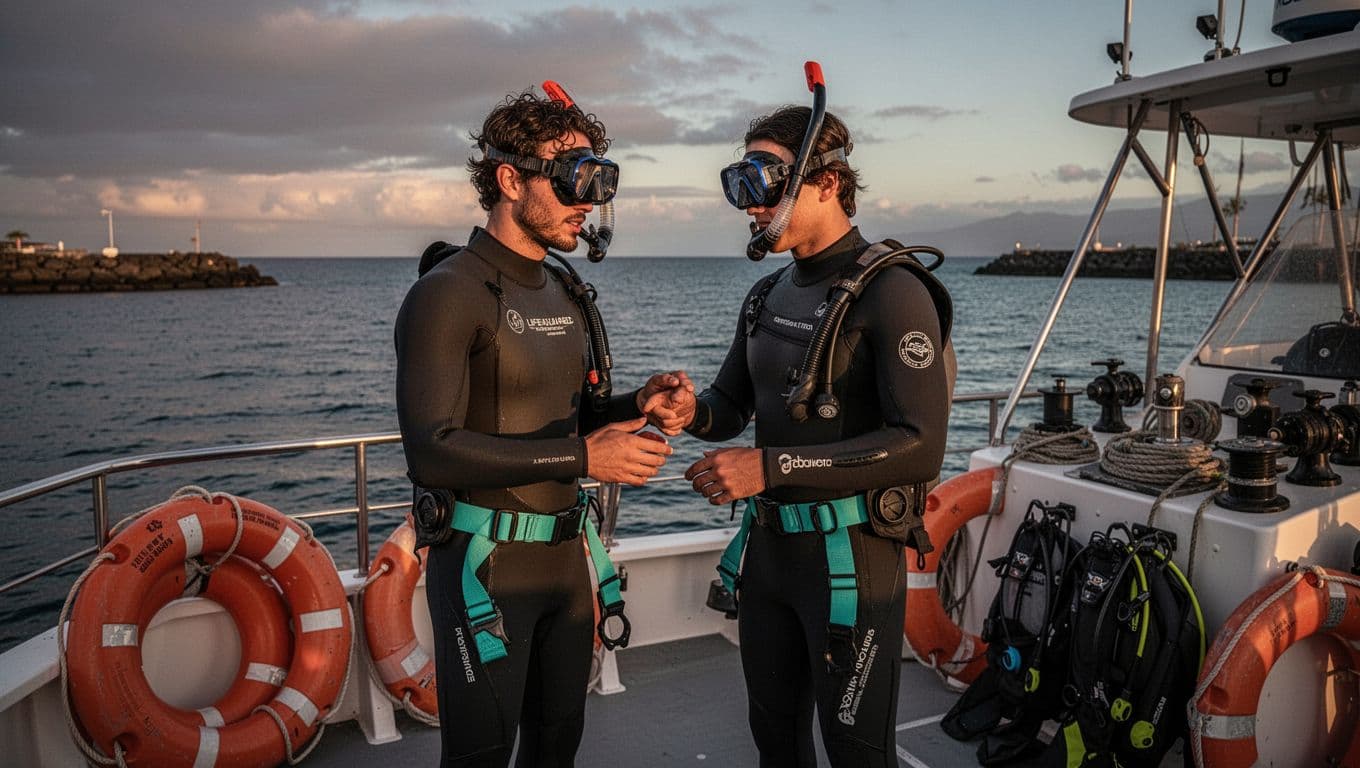
Experienced crews spot issues fast. One guest panicked once; staff pulled them aboard calmly. No harm done. They teach hand signals for “okay” or “help.” You stay grouped, never alone.
In addition, wetsuits add warmth against cooler night water. Fins help you maneuver easily. Guides carry oxygen and first-aid kits always.
Boat and Equipment Standards
Boats feature propeller guards to prevent injuries. Rescue tubes float nearby. Life rings and beacons stand ready on deck.
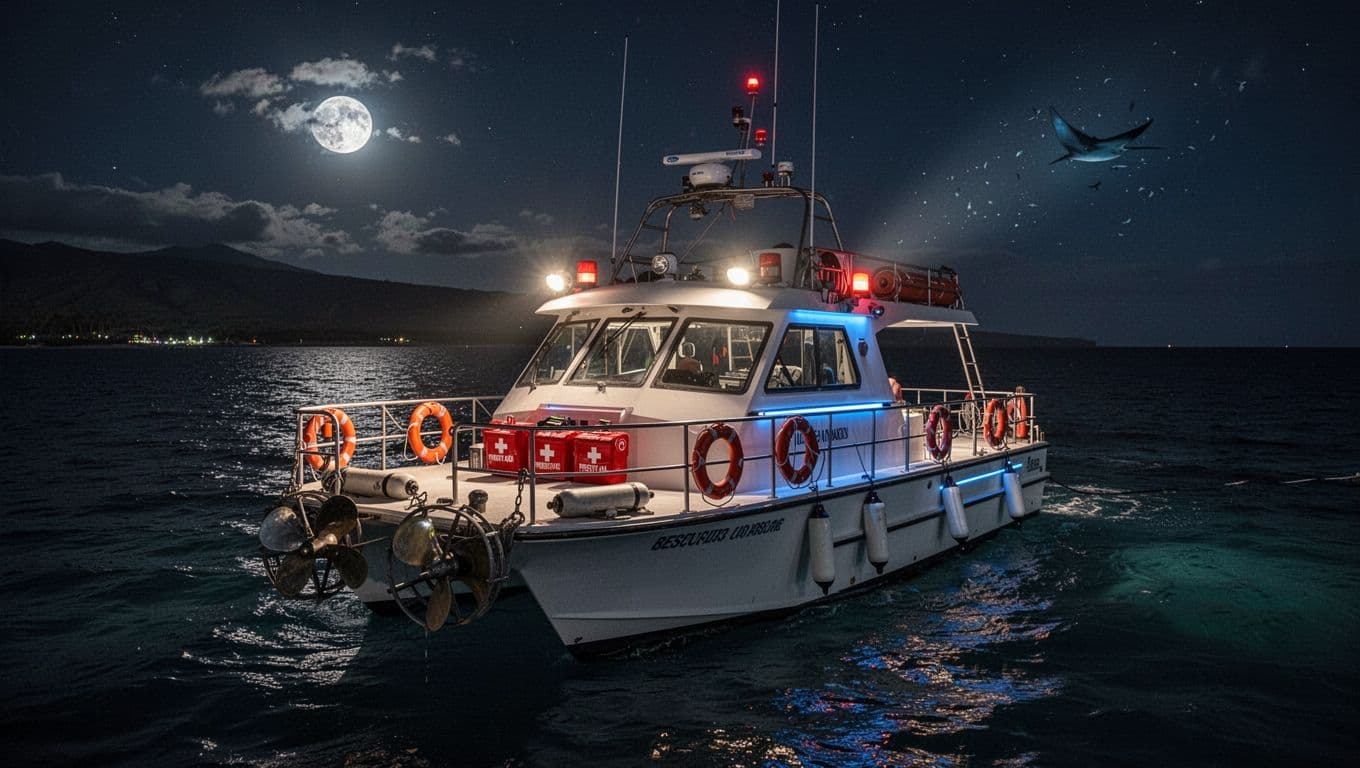
Kona operators maintain strict standards. Calm bays minimize waves. Short rides, under 30 minutes, reduce seasickness risks. You hold steady on stable vessels.
Prop guards block accidents from props. Emergency lights pierce the dark. All this follows Hawaii boating laws closely.
Safe Encounters with Manta Rays
Mantas pose no threat; they lack stingers or teeth. They filter-feed on plankton near lights. You float still, holding boards. Rays barrel-roll below, curious but gentle.
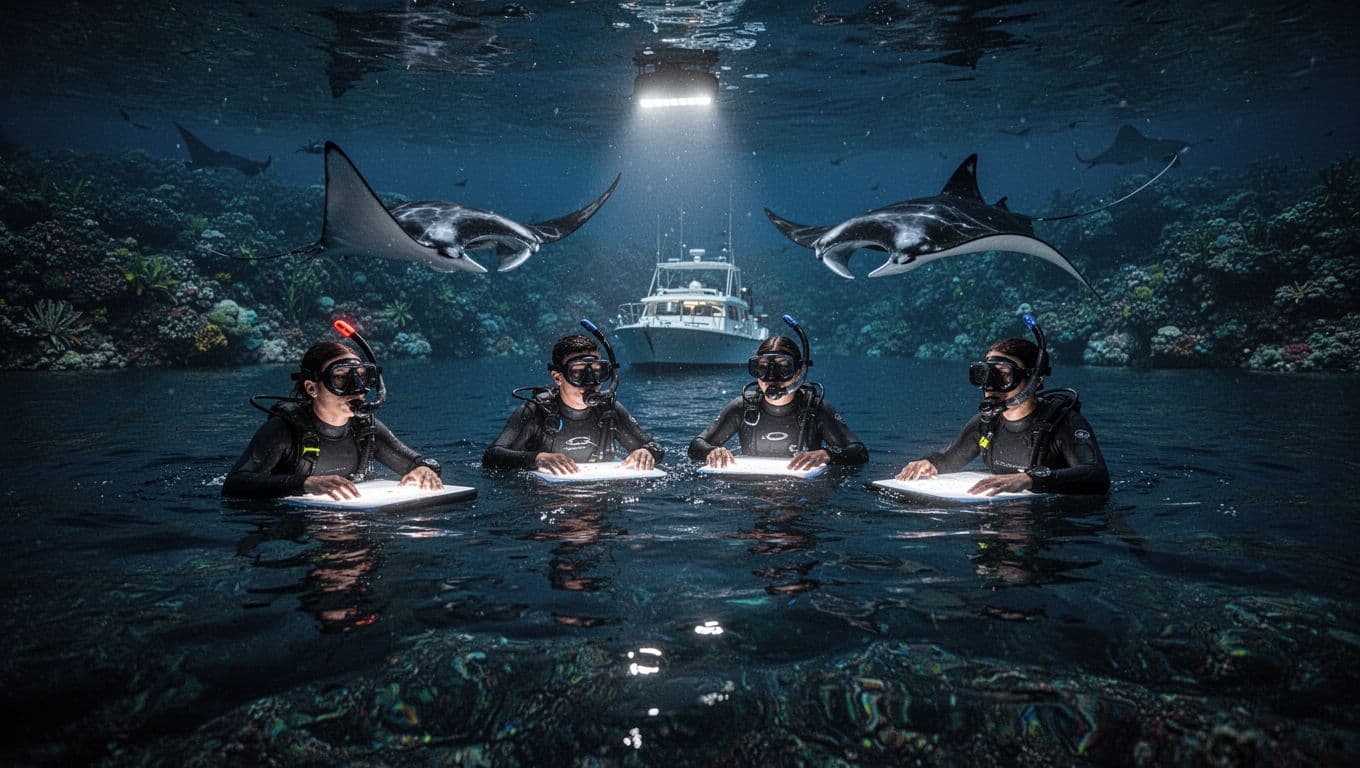
Guides enforce distance. No touching or chasing. This keeps encounters peaceful. Most guests report magical swims without issues.
For tips on safe interactions, check this guide to manta ray snorkel encounters. Snorkel Big Island spots like this thrive on respect.
The Real Safety Record in 2026
No major incidents hit Kona manta tours this year. Reviews praise quick crew responses. One older case in 2022 involved a crew accident, sparking better training.
Tours skip rough seas. You sign waivers listing health limits: no pregnancy, heart issues, or mobility problems. Positive feedback dominates snorkeling Big Island chats.
Operators track sightings ethically. Mantas return nightly, drawn to plankton. Low-risk setup shines.
Your Tips for Maximum Safety
Eat light before; avoid alcohol. Take seasick meds if prone. Practice snorkeling daytime first.
Arrive hydrated. Listen during briefings. Signal if cold or tired. Guides rotate you in shifts.
Combine with daytime snorkel Big Island trips for full fun.
Kona manta ray night snorkel proves very safe with pros like Kona Snorkel Trips. Strong gear, expert guides, and gentle rays create zero-stress magic. You leave with stories, not worries.
Ready to swim? Book now and float worry-free. What holds you back?