
How Reef Slope Shapes Captain Cook Monument Snorkeling
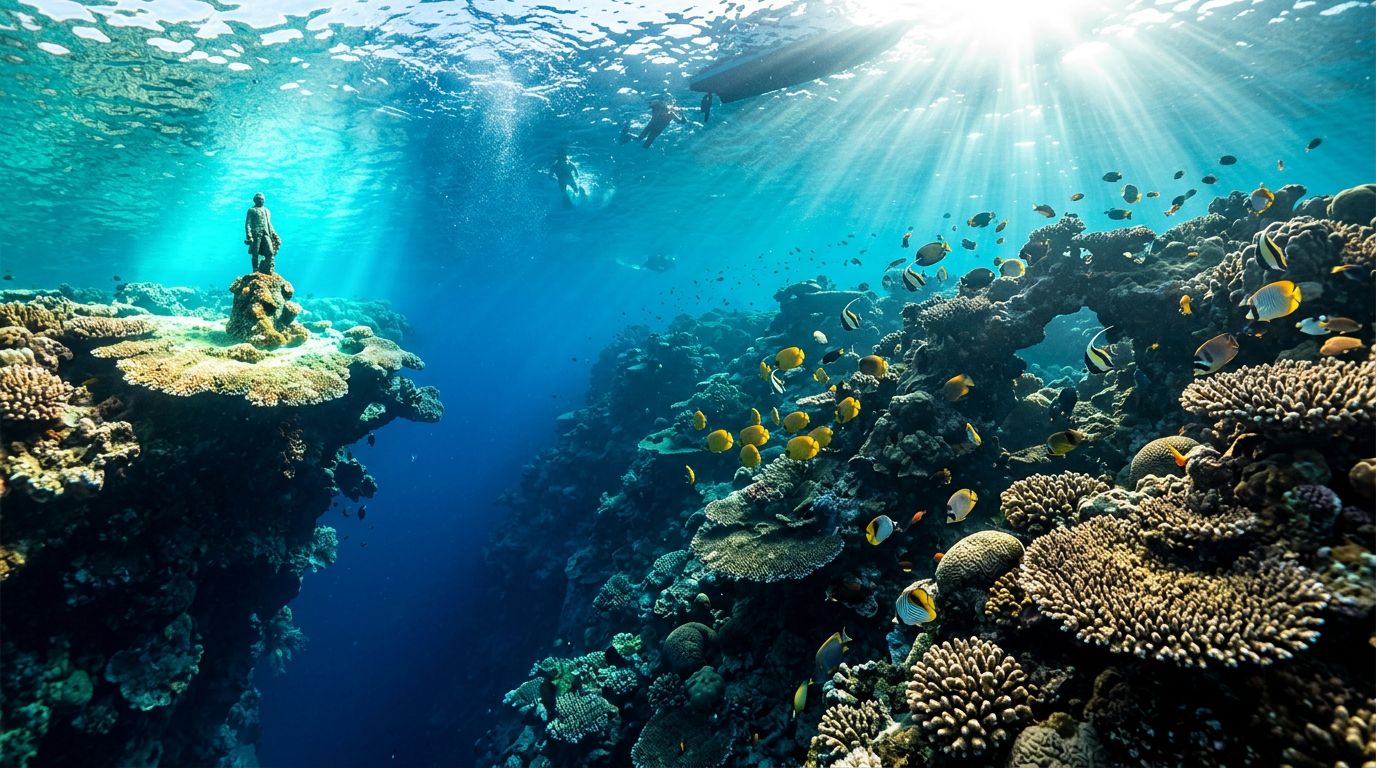
The reef slope at Captain Cook Monument snorkeling sites changes almost everything you feel in the water. It affects where fish gather, how clear the view stays, how far you swim, and how fast the scene shifts from shallow coral to deep blue water.
When you plan a day at Kealakekua Bay, that underwater angle matters as much as the sky above you. A calm surface can still hide a steep drop, and that drop decides where the action lives. Once you understand the slope, the bay starts to make sense in a new way.
The reef slope changes the feel of your first minutes in the water
A reef slope is the angle where shallow reef gives way to deeper water. At Captain Cook Monument, that transition happens fast enough that you notice it almost immediately. You don’t spend long in a flat zone before the bottom begins to fall away.
That shape changes your first swim strokes. Instead of drifting over one wide shelf, you move across edges, pockets, and little ledges that all feel different. The bay gives you a quick lesson in terrain, and your body notices before your brain does.
If you expected a long, slow gradient, this place surprises you. The water seems to shift beneath you in layers. One moment you’re over coral gardens, and the next you’re near open blue water.
That is why Captain Cook Monument snorkeling feels compact and rich at the same time. You can cover less distance and still see a lot. For you, that means the reef keeps pulling your attention back to the same productive zone.
The slope also changes how you swim with confidence. When the terrain is steep, you learn to read your position quickly. You stop thinking of the bay as a wide pool and start seeing it as a series of underwater neighborhoods.
Steep reef walls shape visibility and water movement
The slope does more than change the view. It also changes how water moves through the bay. When the reef drops off sharply, small pulses of surge rebound off the face and slide back toward you in a different rhythm.
That movement can make one part of the bay feel calm while another part has a little push. You may float still for a moment, then feel a soft surge lift your fins or roll you a few feet. The same reef shape that creates beauty also creates motion.
Visibility often improves when the reef edge stays free of stirred-up sand. On a steeper drop, sand has less space to spread across the coral zone. That can help the water stay cleaner, especially on a light-wind morning.
For a broader look at the bay’s layout, Love Big Island’s Kealakekua Bay guide gives you a helpful visual frame. You can picture how the shoreline, the monument area, and the deeper water all fit together before you even get in.
That matters because the bay is not one flat swimming field. It has sheltered pockets and more active edges. Once you notice that, you start choosing your route more carefully and wasting less energy.
Fish and coral gather along the drop-off
The reef slope acts like a border between different kinds of habitat. Fish use that edge for food, shelter, and movement. Coral grows in places where light, water flow, and hard surface line up well enough to support it.
You’ll often see smaller reef fish hovering over the shallower ledges. They like the protection of coral heads and the quick escape routes built into the rock. A little farther out, the schools spread wider and the blue water begins to matter more.
Ledges and cracks become hiding spots for more elusive sea life. Eels, octopus, and other shy creatures like the spaces where the reef folds and breaks. If you slow down near those spots, you may notice movement that a fast swimmer would miss.
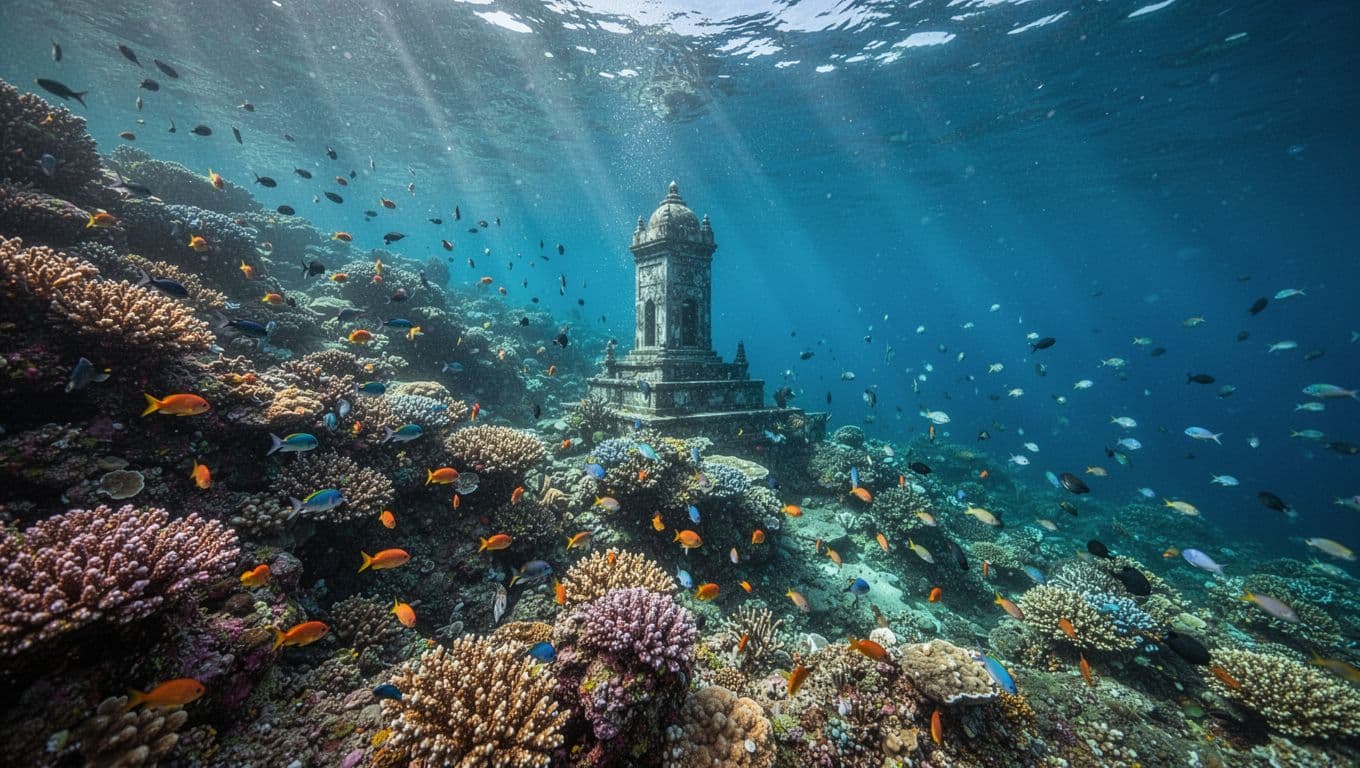
That edge effect is one reason snorkeling Big Island often feels so rewarding at Kealakekua Bay. The slope creates a living line where the action stacks up. You don’t need to chase the whole bay to see it.
It helps to think of the reef as the route itself. The more time you spend near the right section of the slope, the more life you’re likely to see. You are not just swimming over scenery. You are moving through a working underwater edge.
Depth changes where you should spend your time
Depth affects what you notice and how long you stay there. In shallower water, you can slow down and study the reef texture. In deeper water, the view opens up and the fish often move in wider lanes.
The best zone is usually the place where the slope, the light, and the shelter meet. That middle ground often gives you the most color without asking for too much effort. It’s where you can hover, look, and breathe without rushing.
If you spend too long pushing downhill, your energy goes faster than your enjoyment. The deeper edge can be beautiful, but it doesn’t always reward extra distance. A smarter route often gives you a better swim than a longer one.
When you snorkel Big Island sites with a steep reef face, a clear turnaround point helps a lot. Pick a landmark, watch how your body feels, and turn back before you drift too far downhill. That keeps the outing relaxed and makes your return swim easier.
Families and mixed-ability groups benefit from that habit too. A good day here isn’t about covering every corner. It’s about staying close to the best part of the slope long enough to enjoy it.
Wind, swell, and entry points can change everything
The reef slope doesn’t sit in a vacuum. Wind and swell shape how it feels on the day, and the bay can change faster than you expect. A light wind can keep the surface smooth, while a small swell still sends movement across the edge.
That matters because the reef face is close to your body once you enter. You feel the terrain sooner than you would at a sandy beach snorkel. If the swell bounces off the slope, the water can pulse in short, steady cycles.
Before you get in, check three things.
- The way the wind lines move across the surface
- Where surge hits the ledges and breaks back toward you
- How clearly you can see the reef edge underwater
Those checks don’t take long, but they tell you a lot. If one of them looks off, stay higher on the shelf and shorten your swim. A small adjustment often makes the whole outing better.
A steep reef slope can make a short swim feel longer than it looks from shore.
That’s why the best day is not always the flattest one. It’s the day when you match your route to the bay instead of forcing a plan on it. When you do that, the monument area feels much easier to read.
Choosing a guided trip that matches the bay
If you want help reading the slope, a guided trip makes a lot of sense. You don’t have to guess where the good water starts or wonder how far you should drift. A guide can turn a steep reef into a clear, manageable route.
If you’re comparing guided snorkeling tours in Kona, Kona Snorkel Trips is a strong place to start. The company keeps trips small, uses lifeguard-certified guides, and takes a practical approach to safety and reef care. That fits well when you want someone to read the water with you, not just drop you off.
For a trip centered on the bay itself, Captain Cook Snorkeling Tours keeps the focus on Kealakekua and the monument. That kind of route works well when you want the slope, the coral, and the blue-water edge to stay front and center.
A wider view of the area can help too. The bay’s shape, the monument zone, and the way the reef drops off all influence your swim plan. When you know that layout ahead of time, the water feels less random and more readable.
Planning your day around the reef, not just the weather
The slope gives you a simple rule. Put your best energy near the most productive part of the reef, then save your strength for the return. That way, you spend more time watching fish and less time fighting your own fatigue.
Morning often feels easier for many visitors, especially when the wind stays light. Still, the day should be judged by what the water is doing, not by the clock alone. A calm-looking bay can still hide a lively edge, and that edge is what shapes your swim.
Bring reef-safe sunscreen, a mask that fits well, and enough patience to slow down once you enter. If you want to see what the bay is really doing, stop near the slope and let the reef show you its pattern. That’s where the details live.
This is especially true if you’re comparing snorkeling Big Island Hawaii spots for a family trip, a couple’s getaway, or a solo day on the water. The monument area stands out when you want a reef with shape, movement, and enough life to hold your attention.
A good snorkel day here doesn’t come from covering more ground. It comes from reading the reef faster than the current changes around you. Once you do that, the bay starts working in your favor.
Conclusion
The reef slope is the hidden guide at Kealakekua Bay. It shapes the clarity, the movement, the fish activity, and the distance you should cover during Captain Cook Monument snorkeling.
When you read that slope first, the whole outing feels smoother. You spend less energy guessing and more time enjoying the coral edge, the blue water, and the life that gathers where the reef drops away.
That’s the real difference here. The surface may look calm, but the slope tells you where the bay is alive.