
How Much to Tip on a Kona Manta Ray Snorkel Tour
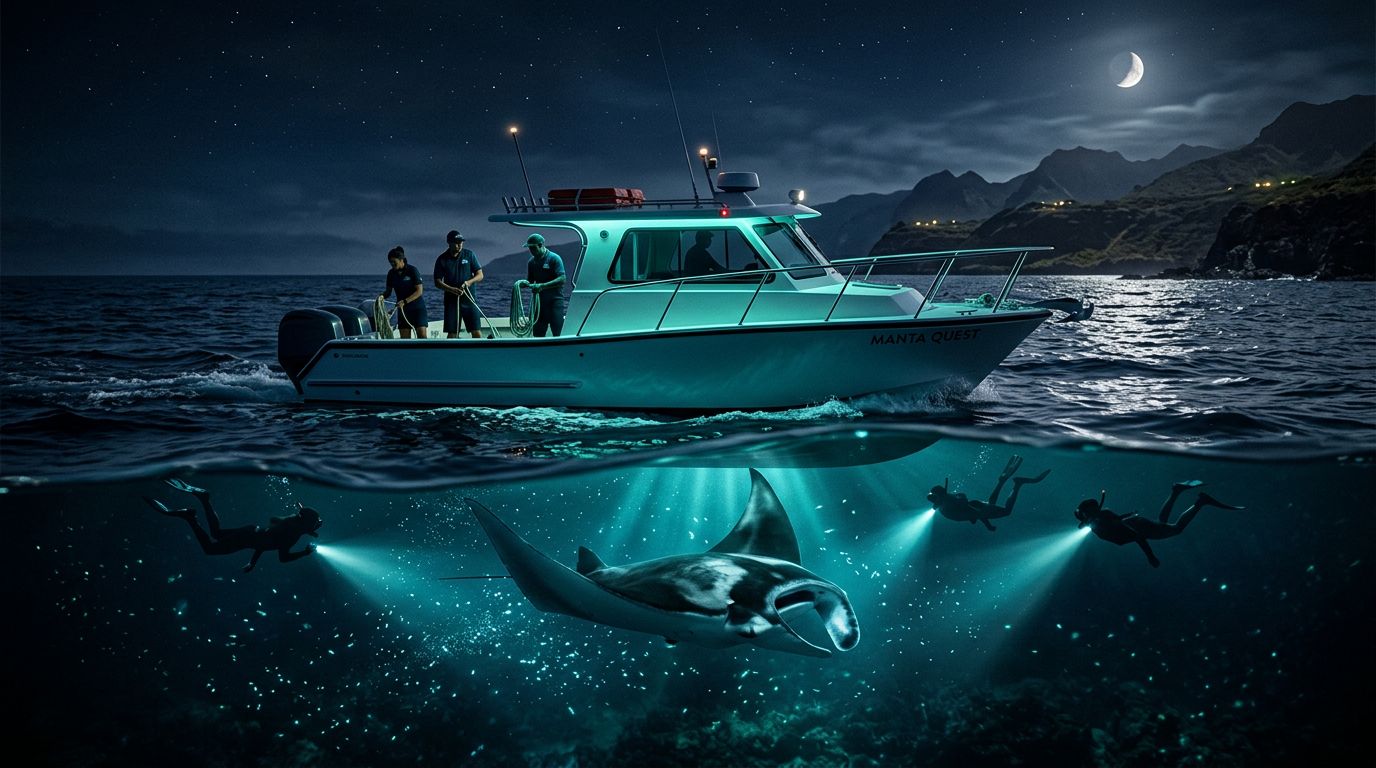
If you’re planning snorkeling Big Island Hawaii adventures, the tip question can sneak up on you. On a kona manta ray snorkel, the crew is doing a lot more than steering a boat. They fit gear, give the safety briefing, watch the water, and help you stay calm when the lights come on.
Kona Snorkel Trips sees that side of the trip every night. The simplest way to handle it is to start with the standard range, then adjust for the night you actually had.
What Most Guests Tip on a Kona Manta Ray Snorkel
A practical starting point is 15% to 20% of the tour cost for good service. That range lines up with common Hawaii boat-tour etiquette, and it gives you a clean answer without turning the dock into a math problem.
For broader local context, a Hawaii tipping guide is a useful baseline, and this boat tour tipping guide matches the same general idea. On shared boat trips, many travelers also prefer a simple cash amount because it is easy to hand over at the end.
Here is a quick way to think about it:
| Trip setup | Tip starting point | Why it fits |
|---|---|---|
| Shared manta snorkel | 15% to 20% | Good service on a standard group boat |
| Private charter | Near the top of the range | The crew focuses on your group the whole time |
| Family trip with beginners | 15% to 20%, sometimes higher | Extra patience and hands-on help matter |
| Rough night or shortened run | A fair cash tip | The crew may still work hard even if conditions cut the plan short |
That range keeps the decision simple. It also gives you room to adjust when the crew goes beyond the basics.
If you want a very short answer, this is it: on a well-run manta trip, 15% to 20% is a solid tip zone.
What Changes the Tip Amount
The right tip depends on the work you actually saw. A calm, attentive crew deserves more than a quick wave on the dock. The same is true when a guide spends extra time with first-time snorkelers or kids who need more reassurance.
A few things push the tip toward the higher end:
- Extra time helping you with fins, masks, or flotation gear.
- Calm attention when you felt uneasy in the dark water.
- Clear updates from the captain when current or chop changed the plan.
- Patient handling of sea sickness or gear problems.
- A trip that felt personal instead of rushed.
When you snorkel Big Island waters with nervous swimmers, that patience matters. It turns a good outing into one you want to talk about later.
The opposite is also true. If the crew barely interacted, gave a weak briefing, or made you feel like an inconvenience, you do not need to tip at the top of the range. You can stay nearer the middle and keep it honest.
A useful rule is simple. Tip for service, safety, and effort, not just for the boat ride itself.
How to Tip on the Boat Without Making It Awkward
The easiest time to tip is after the boat docks and the crew has wrapped up the last gear check. If you are carrying cash before the trip, you will skip the awkward wallet search at the harbor.
Cash is still the cleanest way to tip on a boat tour.
Keep it simple:
- Bring small bills before you board.
- Hand the tip to the captain or lead guide.
- Pool the money if your group is splitting one tip.
- Say thanks, then move on.
You do not need a speech. A quick “thank you for the safety tips” is enough. In fact, the shorter and calmer you keep it, the smoother it feels for everyone.
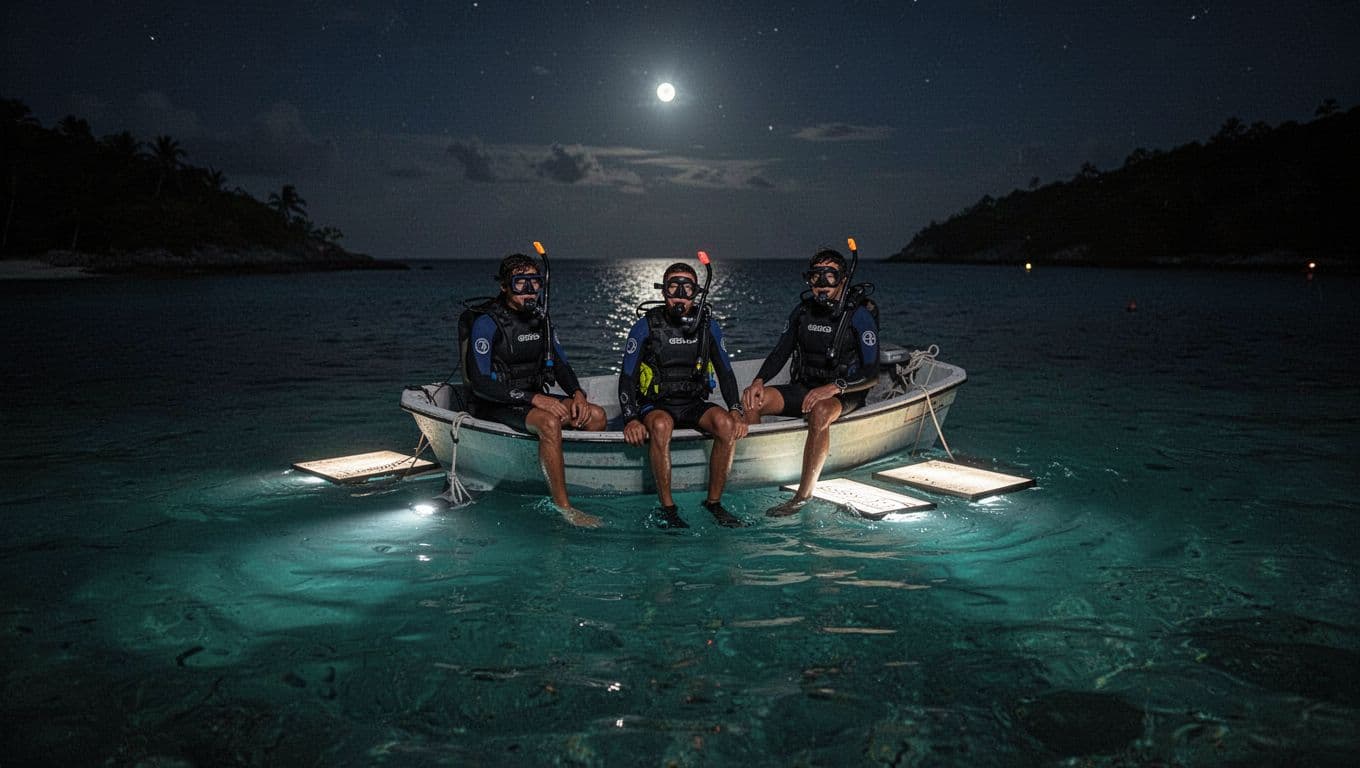
On a night snorkel, the crew is often juggling more than you see from the surface. They are checking masks, helping people settle in, keeping track of swimmers, and watching the water for movement. Your tip recognizes that work.
If you forget to tip in the moment, do not overthink it. You can still hand it over before you leave the dock area. The important part is that it is direct and respectful.
What You Are Really Tipping For on the Water
On a manta night, the tip also covers the work you do not see. The crew sets up the lights, watches the surface, keeps track of swimmers, and helps the group move as one. That matters even more at night, when the water is dark and the whole trip depends on good judgment.
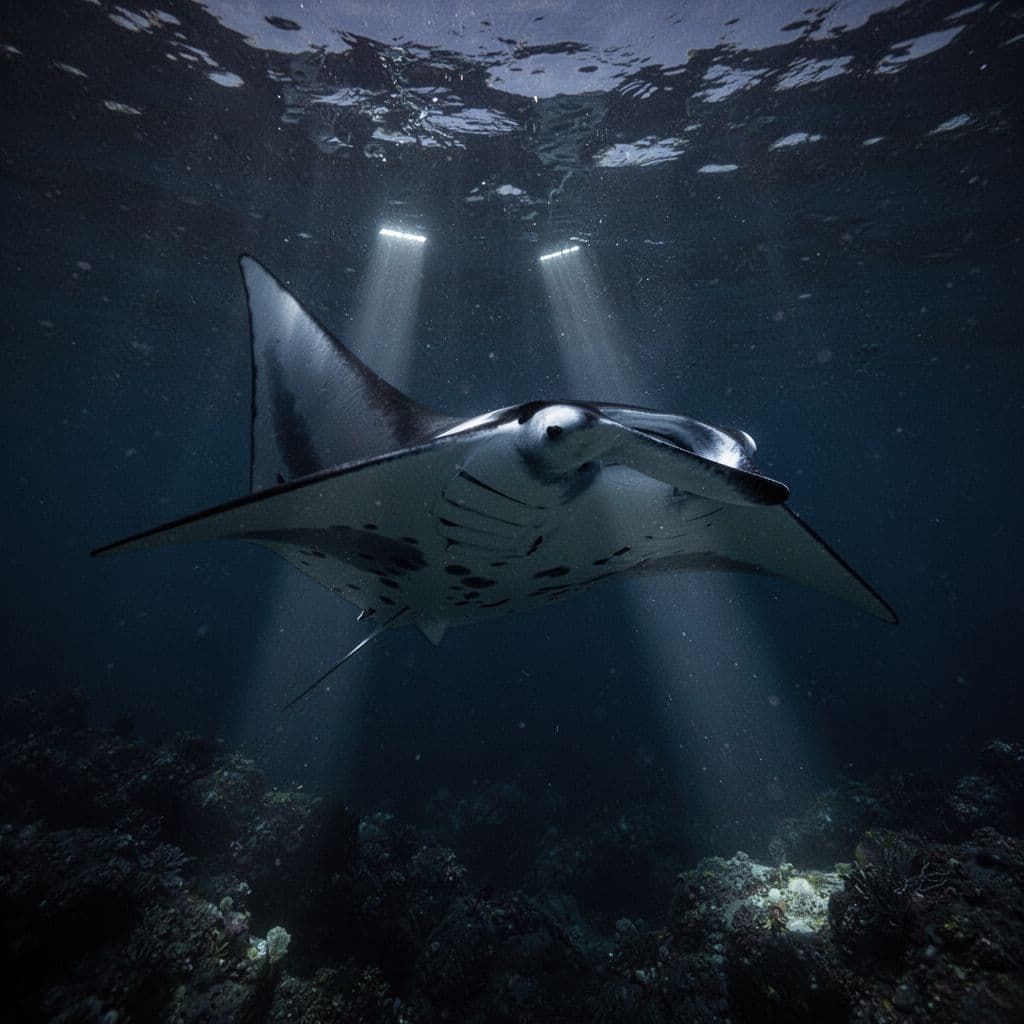
If you want to see the exact setup, the Big Island manta ray night snorkel tour page shows how the outing works. Kona Snorkel Trips keeps the group small, uses state-of-the-art gear, and sends out lifeguard-certified guides who know how to calm first-timers. That kind of attention is part of what you are thanking with your tip.
The company follows a “Reef to Rays” philosophy, so the trip is about more than getting you in the water. It is also about reef-safe habits, clear guidance, and respect for the ocean. When a crew works that carefully, a tip feels less like a formality and more like a real thank-you.
If you are comparing manta-focused operators, Manta Ray Night Snorkel is another dedicated option in Kona. If you already know your date, you can check availability.
If you want to read guest feedback before you book, the reviews can help you see how the crew treats people in real conditions.
Private Trips, Families, and Shared Boats
Private charters and family trips change the tipping picture a little. If the boat is full of your own people, the crew’s attention is fully on you, so a tip near the top of the range usually feels right. On a shared group trip, the same percentage still works, but a per-person cash amount can be easier.
A simple way to think about it is this:
| Group type | Good tip approach |
|---|---|
| Private charter | Tip near the top of the range if the crew handled everything |
| Family with beginners | Tip more if the crew was patient and hands-on |
| Mixed group of friends | Pool one envelope and give it to the lead guide |
| Budget-conscious trip | Tip what you can, but keep it sincere |
If one person paid for the whole booking, you can still split the tip among everyone. That keeps the handoff fast and avoids the awkward moment when the group stares at one another on the dock.
Families often underestimate how much patience a good crew brings to the trip. A guide who helps a child trust the mask, or reassures a first-time swimmer, has done real work. That deserves to show up in the tip.
Private trips add another layer. Because the crew focuses so closely on your group, you may want to add a little extra when the service felt especially personal.
A Simple Way to Calculate the Right Amount
When you want a quick math check, use this formula:
Trip price x 0.15 or x 0.20
That is all you need. A $150 seat becomes $22.50 to $30. A $200 seat becomes $30 to $40. For snorkeling Big Island days, many travelers like to set that money aside before they leave the hotel, so the tip never feels like a surprise.
Here is a quick example:
| Ticket price | 15% tip | 20% tip |
|---|---|---|
| $120 | $18 | $24 |
| $150 | $22.50 | $30 |
| $180 | $27 | $36 |
| $200 | $30 | $40 |
If your fare sits between those numbers, just do the same math in your head. Round to an even bill if you want to keep it simple.
This approach works well for a shared boat, a couple on vacation, or a family that wants one clear number before boarding. It also keeps the focus where it belongs, on the trip itself.
When a Smaller Tip Still Makes Sense
A smaller tip is still fair when the trip is cut short, the water is rough, or your budget is tight. You can also stay near the lower end if the service was fine but nothing extra stood out.
That is better than forcing a number that feels wrong.
If the crew was calm during a messy night, even a modest cash tip shows that you noticed the effort. If they went out of their way to help you feel safe, move toward the higher end. The point is to match the tip to the work, not to guess a magic amount.
You may also have a night when the ocean simply does not cooperate. In that case, the crew still has to manage gear, timing, safety checks, and a boat full of guests. A respectful tip recognizes that work, even if your own time in the water was shorter than planned.
For many travelers, the easiest decision is this: if the crew made your manta trip smoother, kinder, or safer, tip like you mean it.
Conclusion
The cleanest answer for a kona manta ray snorkel is 15% to 20% for good service, with cash handed to the lead guide or captain after the boat docks. From there, you can adjust up for private attention, patient help, or a night when the crew had to work hard for everyone on board.
Once you know that, the tip question gets easy. You can stop worrying about the number and focus on the part that matters most, watching the mantas glide through the light.