
How Many Manta Rays You’ll See on a Kona Manta Ray Snorkel
If you book a kona manta ray snorkel, the first question usually isn’t about gear or timing. It’s simple: how many mantas will you actually see?
The honest answer is that it changes from night to night. On one trip, you might see a single ray glide under the lights. On another, you could watch several circle back again and again. If you’re planning snorkeling Big Island Hawaii, that range is part of what makes the experience feel alive.
For another angle on the same night encounter, Manta Ray Night Snorkel also shares useful context on Kona’s manta trips.
What most Kona manta snorkelers actually see
Most people want a number, but the ocean doesn’t work on a schedule. A better way to think about it is in ranges.
| What you might see | What it feels like | What it usually means |
|---|---|---|
| 1 to 2 mantas | A quiet, close pass | A normal night, especially if conditions are mixed |
| 3 to 5 mantas | Strong action under the lights | A solid trip that most guests remember |
| 6 to 10 mantas | A busy feeding scene | A great night with repeated passes |
| 10+ mantas | A full-on show | Possible on excellent nights, but not every trip |
That table gives you the short version. In plain terms, a snorkel Big Island manta trip often lands in the middle, not at the extremes.
The best nights are usually not the ones with the biggest number. They’re the ones where the rays keep coming back.
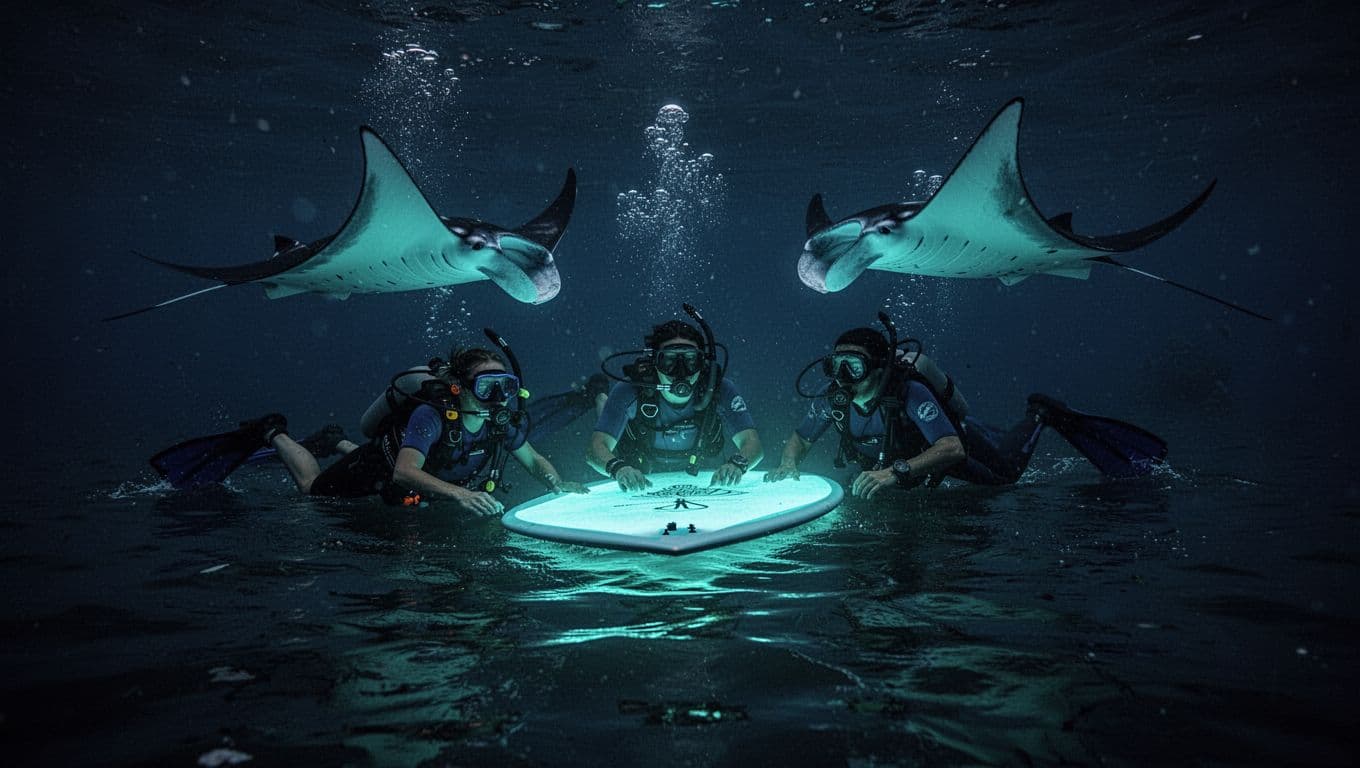
Why the manta count changes night by night
Manta rays come for food, not for the schedule on your phone. The lights draw plankton, and the plankton draws the mantas. If the water is calm and the plankton stays concentrated, you often get better viewing.
Weather matters too. Wind, swell, and moonlight can all change how the scene looks. A darker night can make the lights work better, while choppy water can spread things out. For a useful overview of timing factors, this Kona manta guide breaks down how weather and moon phase can affect your chances.
Site choice also plays a role. A manta ray sightings report from a local Kona operator shows that some viewing areas tend to draw more rays than others on average. That does not mean one site guarantees a big count. It does mean the water around Kona is not all the same.
So if you want a simple rule, use this one. Better water conditions usually help, but manta rays are still wild animals. You can prepare, yet you can’t script the show.
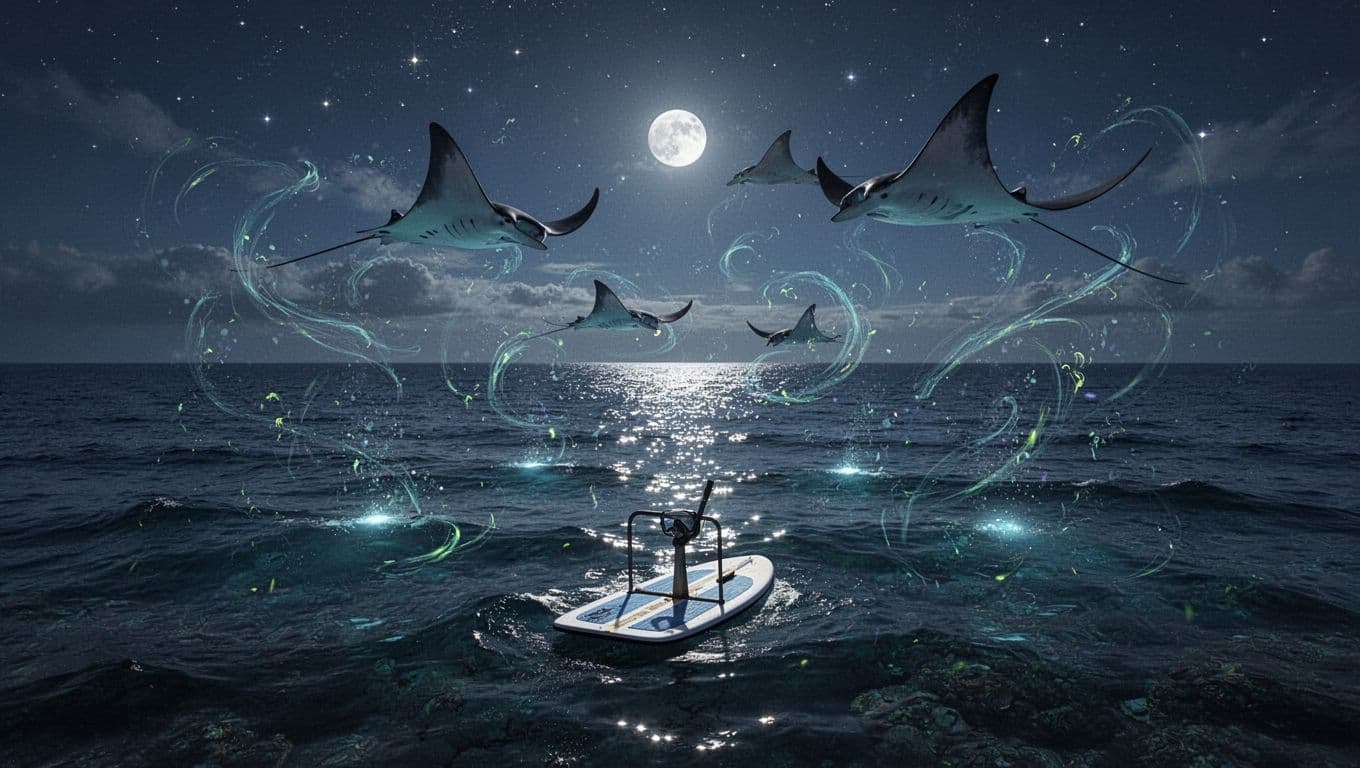
How your tour setup affects the number
Your boat setup shapes what you see more than most first-time visitors expect. A well-run tour places you where the lights, plankton, and manta traffic line up best.
That’s why a dedicated Kona manta ray snorkel tour matters. You’re not just getting in the water. You’re joining a setup built for nighttime viewing, guide support, and a clean look at the action below.
Kona Snorkel Trips keeps the experience small and focused, which helps you follow the movement instead of fighting for space. If you want a quieter feel, private Kona tours can give you more room and a more personal pace.
For a second look at what a strong manta trip feels like, you can check availability before you lock in your date.
If you prefer a direct booking button, use the one below.
Small habits that improve your odds
You can’t control the mantas, but you can make the night work better for you. The goal is to be calm, steady, and easy to place in the water.
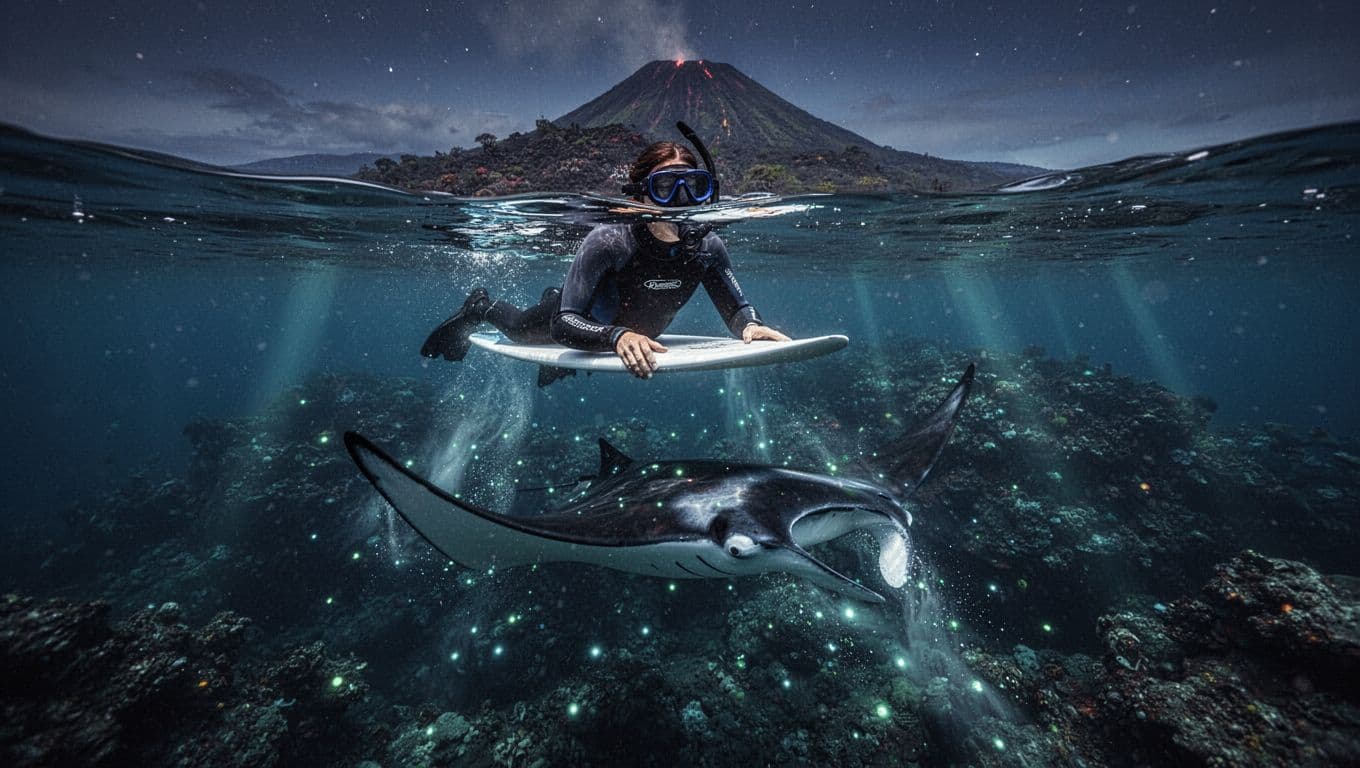
- Choose a calm night when you can. Softer water usually gives you a better view.
- Listen closely to your guide. Small position changes can make a big difference.
- Stay relaxed at the board. The mantas often come in on repeat passes.
- Watch the edges of the light. Rays often appear there first, then slide into the glow.
If you’re new to snorkeling Big Island, this part matters a lot. You get more out of the trip when you stop trying to force a number and start watching the pattern. The water will tell you where the action is.
Conclusion
On a Kona manta ray snorkel, you might see one ray, or you might see several. The most common experience sits somewhere in the middle, where the mantas keep circling the light and the whole scene feels steady and close.
That’s the real answer to how many manta rays you’ll see. It’s not a fixed number. It’s a range, shaped by weather, plankton, site choice, and a little luck.
If you go in expecting a wild night in open water, you’ll enjoy the trip more. The count matters, but the feeling of watching those rays sweep past you is what stays with you.