
How Manta Rays in Hawaii Differ From Stingrays in Kona
If you’re planning snorkeling Big Island Hawaii, the difference between a manta ray and a stingray matters more than you might think. One glides through open water like a slow-moving kite, while the other hugs the seafloor and keeps a defensive tail ready. That difference changes how you move, where you look, and what kind of ocean moment you’re likely to have.
On the Kona side of the island, Kona Snorkel Trips runs small-group manta outings that make this easier to see in real water. If you know what you’re looking for, your snorkel Big Island experience feels calmer and a lot more rewarding.
The body shape gives the first clue
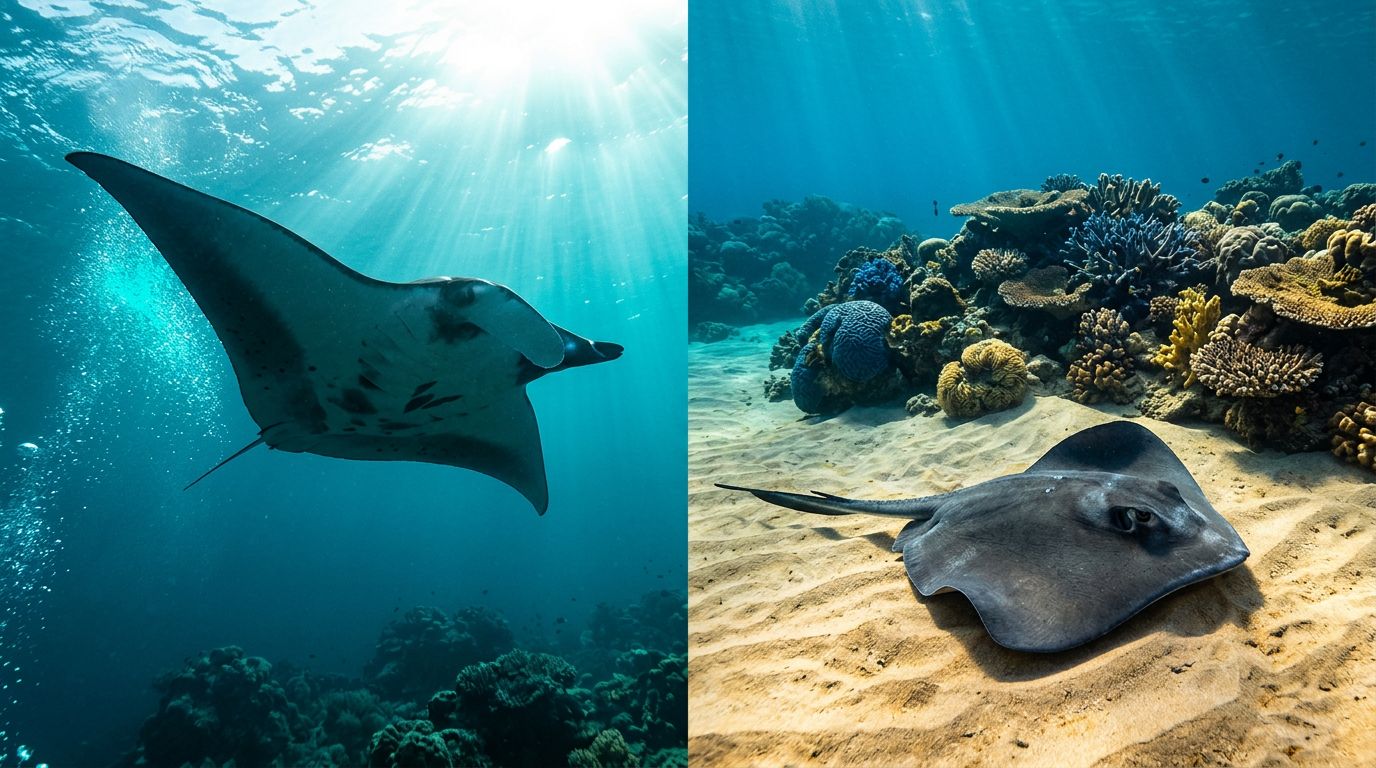
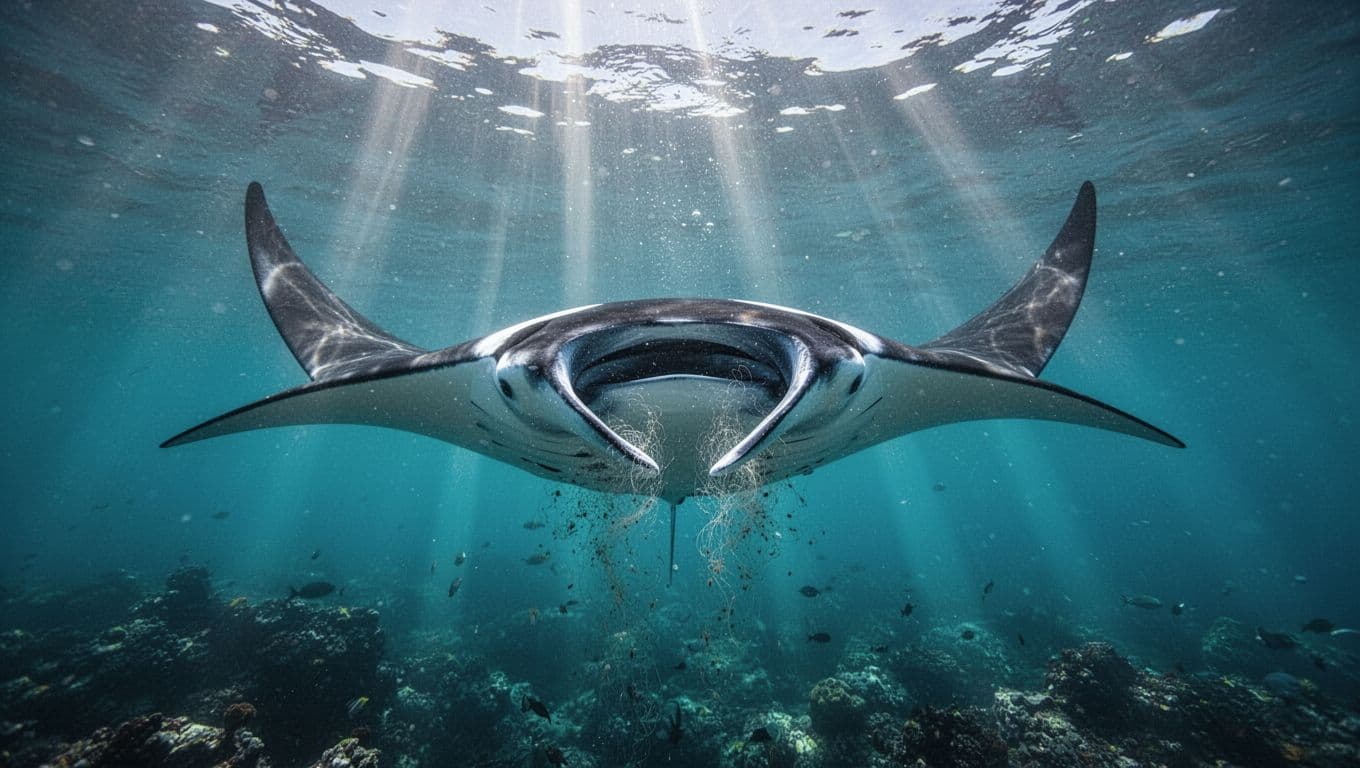
With manta rays Hawaii visitors often picture the same animal as a stingray, but their bodies are built for different jobs. A manta has wide, wing-like fins, a broad head, and a mouth made for filtering tiny food from the water. It swims with a smooth flapping motion, so the whole animal feels almost weightless.
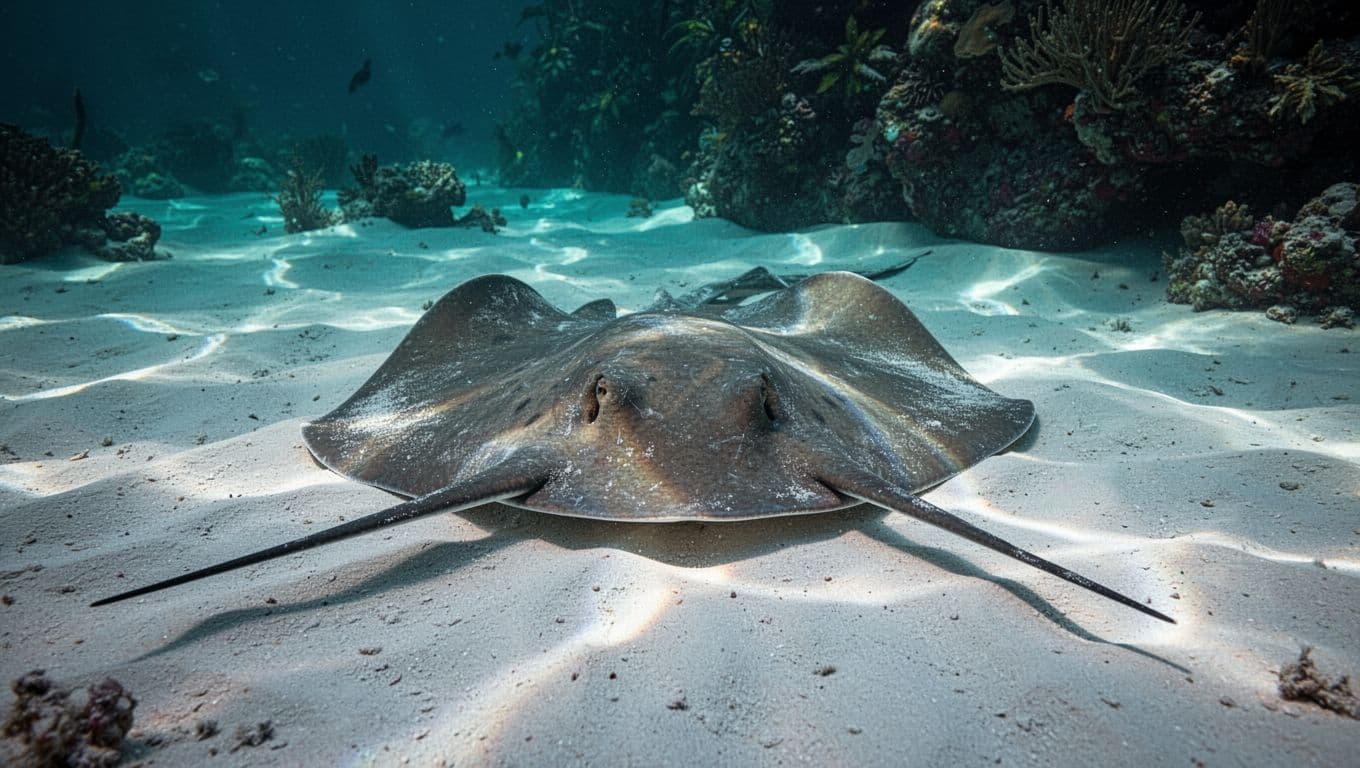
A stingray looks flatter and rounder. Its body spreads into a disk, which helps it blend into sand or rubble. The tail matters even more. Many stingrays have a barbed tail for defense, and that single detail changes how you should act around them.
A big reef manta can also be much wider than you are tall. That scale is part of the magic. When one passes under your light or alongside your board, the size tells you right away that you are not looking at an ordinary ray.
Where Kona gives you the best chance to spot each one
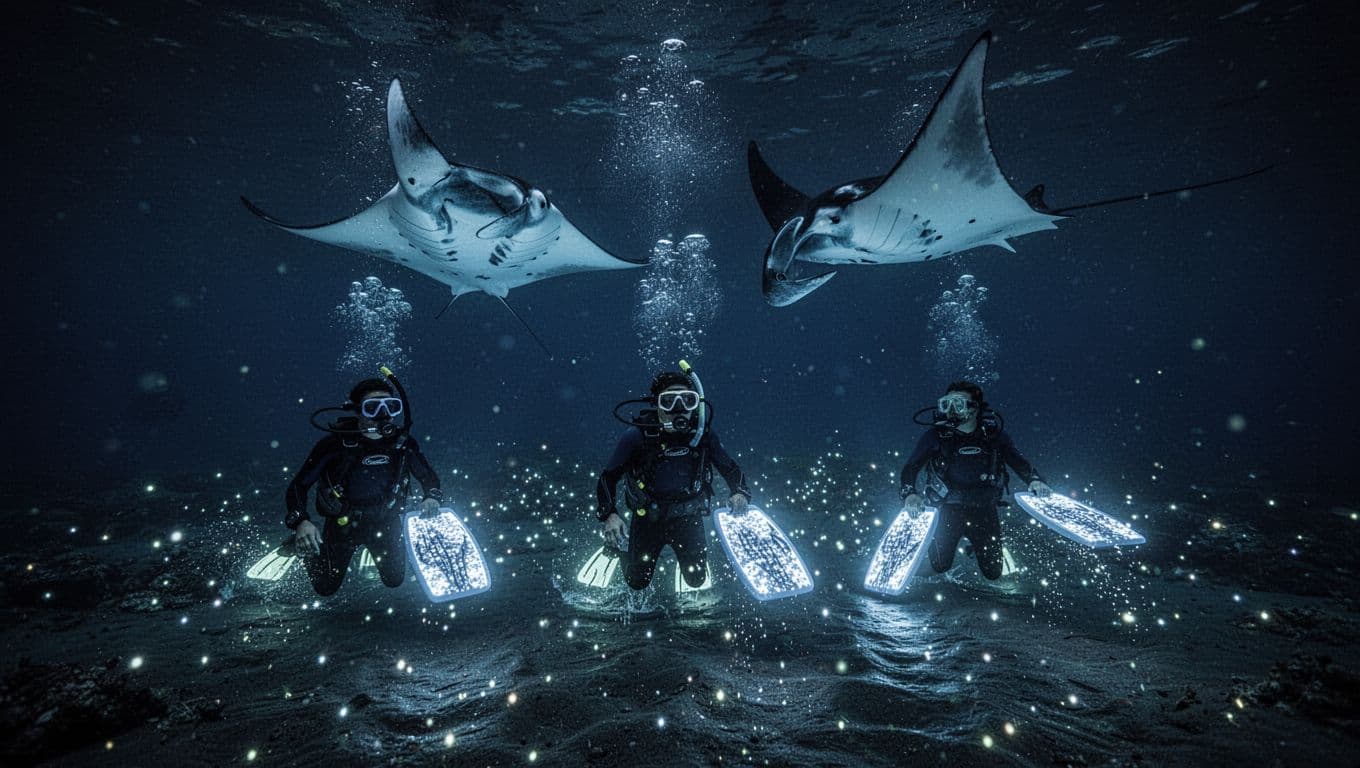
If you snorkel Big Island waters around Kona, you are more likely to meet manta rays on a guided night trip than on a random shore swim. The reason is simple, plankton gathers in the light, and mantas follow the food. That is why a Big Island manta ray night snorkel is such a popular choice for visitors who want a clear, guided encounter.
Kona Snorkel Trips keeps those outings small, uses custom-lit boards, and sends lifeguard-certified guides from Honokohau Marina. You get a better view and a calmer boat than you usually find on a large commercial tour. If you want to plan ahead, you can check availability before your trip.
For another useful perspective, Manta Ray Night Snorkel Hawaii explains the night snorkel setup in plain language. It helps you picture the experience before you get in the water.
Feeding habits explain the split
Manta rays are filter feeders. They swim with their mouths open and take in tiny plankton from the water. That is why lights, calm water, and current patterns matter so much on a manta trip. You are not watching a hunter at work. You are watching a giant animal graze on microscopic food.
Stingrays feed differently. Many stay close to the bottom and search for crabs, worms, mollusks, and other small animals hidden in sand. Their habits keep them low and still, which is why you can miss one until you are almost on top of it. That is a big reason the two animals feel so different in the water.

Photo by Daniel Torobekov
Manta rays also tend to move through open water in a steady path. Stingrays often seem to appear and disappear with the sand. One feels theatrical. The other feels hidden.
Safety in Kona waters
Safety is where the difference becomes practical. A manta ray does not have the venomous barb that stingrays use for defense. You should still give a manta room and never touch it, but you do not need the same caution you would use with a hidden stingray on the bottom.
Stingrays deserve more care. If you are walking through shallow sand, shuffle your feet instead of stepping hard. That gives a buried ray time to move away. It also lowers the chance of stepping on the animal and getting a sting.
If you remember one rule in Kona waters, keep your distance and move slowly. That habit protects you and gives the animal space.
That advice matters on any reef walk, not just on a guided tour. Slow movement helps you read the water before the water surprises you.
Manta ray vs stingray at a glance
A quick side-by-side look makes the difference easier to remember.
| Feature | Manta ray | Stingray | What it means for you |
|---|---|---|---|
| Body shape | Wide, wing-like fins | Flat, disk-like body | Mantas look like gliders |
| Tail | No venomous barb | Often has a barbed tail | Stingrays need more caution |
| Feeding style | Filter feeder | Bottom forager | They use different parts of the water |
| Best place to spot | Open water, often at night | Sandy or shallow areas | Your encounter will feel very different |
The short version is simple. Mantas belong to the open water, while stingrays belong closer to the bottom. If you keep that picture in your head, you can read a Kona reef much faster.
Which encounter fits your Kona trip
If you want the smooth, almost slow-motion feel people talk about when they mention manta rays Hawaii, choose a night snorkel. If you want to snorkel Big Island reefs in daylight, expect a wider mix of reef life and the chance of a stingray near sandy bottom. Neither animal is better. They just live and feed in different parts of the water.
For a second opinion on the night trip itself, this Kona manta ray snorkeling guide gives a traveler’s-eye view. It’s helpful if you want to compare the experience before you book.
When you are ready for the manta version, you can check availability and lock in a spot. If you prefer to book the tour directly, use the button below.
Conclusion
A manta ray and a stingray can look related at first glance, but they lead very different lives in Kona waters. One is a graceful filter feeder that shines on a night snorkel, while the other is a bottom-dwelling ray with a defense tail that deserves space.
If you remember the shape, the feeding style, and the tail, you’ll read the water with more confidence. That makes snorkeling Big Island Hawaii feel safer, clearer, and a lot more memorable.