
How Long Does Sea Sick Last and How Can You Stop It Fast
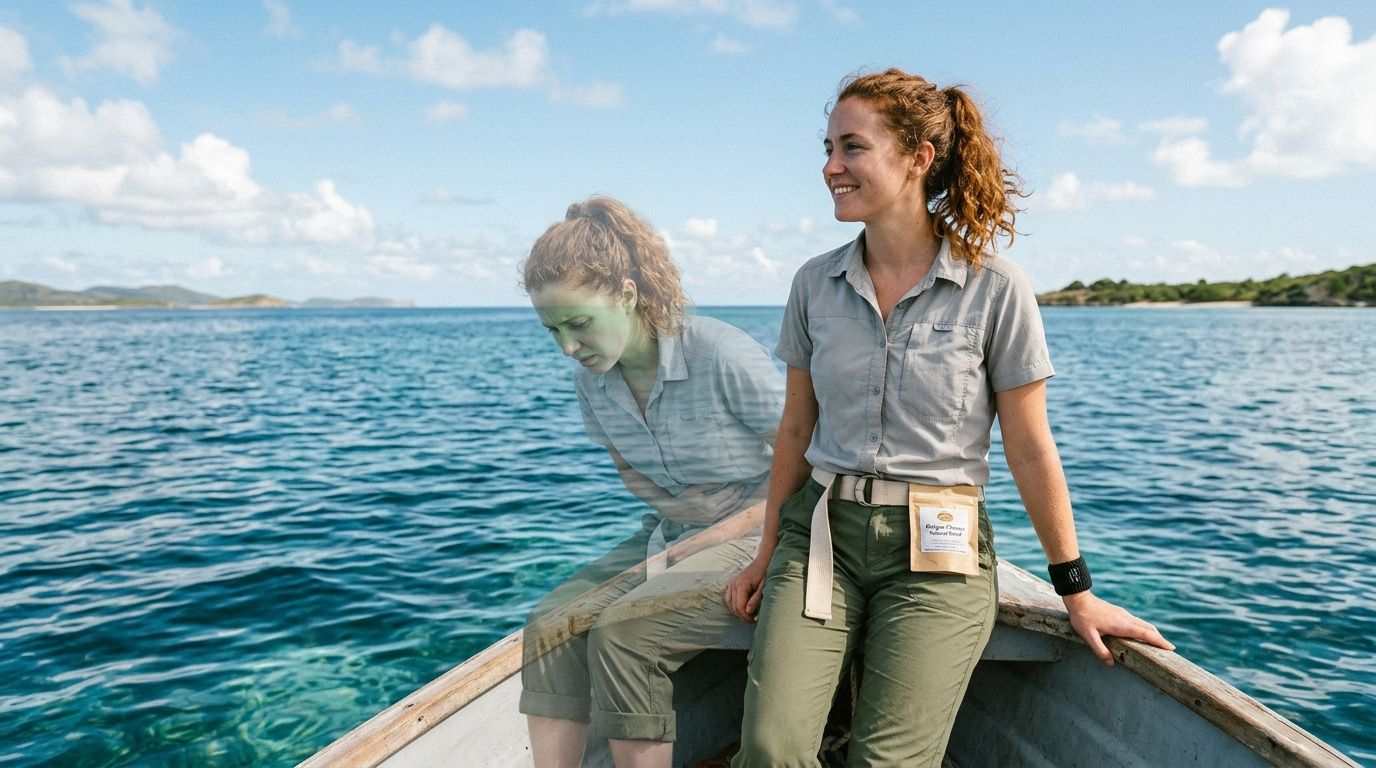
For most people, the dreaded green-around-the-gills feeling begins to fade almost as soon as their feet hit solid ground. After a short snorkel tour, you can expect the worst of it to be over within a few hours, and you'll likely feel completely back to normal by the next day.
As the top rated & most reviewed snorkel company in Hawaii, Kona Snorkel Trips has helped thousands of guests have a comfortable, amazing day on the water.
How Long Seasickness Typically Lasts

It’s the one question we hear all the time: “If I get seasick, how long will I be miserable?” We get it. Nobody wants a beautiful day on the water ruined by a queasy stomach.
The fantastic news is that for the vast majority of people, seasickness is a very short-term problem. Think of it as a simple sensory mix-up. Your inner ear tells your brain, “Hey, we’re moving!” while your eyes might be looking at the inside of the boat, saying, “Nope, everything’s still.” Your brain gets confused, and that’s when nausea kicks in.
Once you’re back on shore, that conflict is over. Your brain quickly recalibrates, and the world stops spinning. It's a huge relief.
As the top-rated and most-reviewed snorkel company in Hawaii, we've helped thousands of guests navigate this very concern. Our whole focus is on making sure you have an incredible, comfortable day on the Big Island's amazing waters.
To give you a clearer idea of what to expect, here’s a quick-reference table.
Seasickness Duration At A Glance
This table breaks down how long symptoms usually stick around in different scenarios, helping you find the info that applies to you.
| Situation | Typical Symptom Duration | Key Takeaway |
|---|---|---|
| Short Boat Trip (like a 3-4 hour snorkel tour) | 1 – 4 hours after returning to land. Most people feel fine after a meal and some rest. | It’s a very temporary inconvenience that shouldn't ruin your day. |
| Extended Voyage (like a multi-day cruise) | Symptoms often peak in the first 24-48 hours and then improve as you "get your sea legs." | Your body will likely adapt to the motion on its own after a day or two. |
| "Land Sickness" (Mal de Débarquement) | A lingering feeling of swaying for a few hours to 1-2 days after a long trip. | This is normal for some people after extended time at sea. Don't worry! |
As you can see, the end is always in sight! The feeling is almost always temporary.
Getting Your Sea Legs
What about longer trips, like a week-long cruise? This is where you hear sailors talk about "getting your sea legs." It’s a real thing! Your brain and body eventually adapt to the constant motion.
For most people, the worst of the symptoms will peak within the first 24 to 72 hours and then start to fade, even while you’re still on the boat. Your body just gets used to the new normal.
Knowing that it’s just a temporary response to an unfamiliar environment can honestly help a lot. The anxiety of thinking you’ll be sick can sometimes make the symptoms feel worse. For a deep dive on how to stop it before it starts, check out our guide on how to avoid sea sickness.
To give yourself the best shot at feeling great, here are a few proven remedies we recommend to our guests:
- Acupressure Wristbands: A great drug-free option. Sea Band wristbands use a small plastic stud to press on a specific point on your wrist that’s thought to relieve nausea.
- Ginger Chews: Nature's remedy! These tasty ginger chews are known to settle the stomach. Plus, they’re easy to throw in your bag.
- Medicated Patches: If you want to set it and forget it, the Ship-EEZ Seasickness Patch can be applied behind your ear before the trip for long-lasting relief.
- Over-the-Counter Pills: Tried and true options like Dramamine pills and Bonine pills are very effective. The key is to take them before you feel sick, usually an hour before you get on the boat.
Why Seasickness Happens In The First Place

So what’s actually going on when that awful queasy feeling hits on a boat trip? First off, know that it’s not a weakness or something you can just "tough out." Seasickness is a totally normal, physical reaction to your brain getting some seriously mixed signals.
Think of it like this: your brain is the captain, and it relies on two key lookouts to know where the ship (your body) is and what it's doing. Those lookouts are your eyes and your inner ears.
When you're out on the beautiful Kona coast, this is the conflict that can happen, especially if you’re sitting inside the cabin:
- Your inner ear feels the motion: The fluid in your vestibular system sloshes around with the waves, telling your brain, "Hey, we're definitely rocking and rolling out here!"
- Your eyes see something different: You might be looking at the cabin wall, your phone, or a friend sitting across from you—all things that aren't moving. Your eyes report back, "All clear, captain. Everything is perfectly stable."
Your brain gets these two completely opposite reports and basically has a short-circuit. It can't make sense of the conflicting information. Is the world moving, or is it standing still? This disagreement is the root cause of that miserable feeling.
The Brain's Confused Reaction
When your brain can't figure out what's real, it falls back on a very old, very primitive instinct. It thinks it might be hallucinating, which historically was often a sign of being poisoned.
And what's the body's first line of defense against poison? Get it out. Now. This is why you feel nauseous and get the urge to vomit. It’s a fascinating, though deeply unpleasant, case of your body’s survival instincts getting triggered by a perfectly harmless boat ride.
Key Takeaway: Seasickness is just your brain reacting to a sensory fight between what your eyes see and what your inner ears feel. It's a natural response, not a personal failing.
Once you understand why it's happening, you can start to fight back effectively. The trick is to help your brain resolve the conflict. We'll get into the specific tips, but simply looking out at the horizon is a great first step. If you're curious about other non-medication strategies, you might want to check out our guide on how acupressure bands can help with travel sickness.
What Makes Seasickness Stick Around?
Ever wonder why one person on a boat is having the time of their life while their friend is green around the gills? It's a great question, and the answer isn't just "the waves." A whole mix of things determines who gets sick and how long it lasts—it's about you, the boat, and even what you were thinking about that morning.
Think of it like this: your experience on the water is a unique blend of your own biology, the ocean's mood, and even your mindset. Figuring out these factors is the first step to making sure your day on the water is amazing, not miserable.
It’s Personal: Your Own Susceptibility
Your body's wiring plays a huge part in how you handle being on a boat. Some of us are just naturally more sensitive to that confusing feeling when your eyes and inner ear are telling your brain two different stories.
- Age and Gender: It’s a funny thing, but studies from places like the CDC show kids between 7 and 12 are often the most likely to feel woozy. It tends to get better as we get older. Women can also be more prone to it, especially during pregnancy or their menstrual cycle. If you're expecting and have questions, we've put together a whole guide on seasickness and pregnancy just for you.
- Your Health History: Do you get migraines or have other inner ear troubles? Things like that can make you extra sensitive to motion.
- Past Experiences: This one is a biggie. If you’ve been seasick before, it’s easy to get anxious about it happening again. That worry alone can sometimes be enough to kickstart the whole process.
The Boat, The Ocean, and The Situation
The world around you and the boat beneath your feet can completely change the game. A tiny fishing boat getting tossed around in choppy water is a world away from a big, stable catamaran gliding through a calm bay.
This is exactly where picking the right tour operator makes all the difference. Our captains at Kona Snorkel Trips are true masters of these waters. They have an almost magical ability to find the calmest, most comfortable spots to drop anchor for a snorkel. We specifically use modern, stable catamarans built to cut down on that rocking motion and keep you comfortable.
Experts at NOAA have noted that while seasickness often hits within the first 12-24 hours at sea, most people's bodies eventually adapt. On a shorter trip like one of our snorkel tours, you don't really have time to adapt, but the good news is you feel better almost the second you're back on solid ground.
The type of vessel and the skill of its captain are two of the most significant factors in preventing seasickness. A stable boat in calm waters can make an enjoyable experience for even the most sensitive passenger.
If you're thinking about your next trip, it's worth checking out some products that can help. There's everything from the behind-the-ear Ship-EEZ Seasickness Patch to the simple but effective Sea Band wristbands. For a more natural route, a lot of our guests swear by ginger chews to keep their stomachs happy. And of course, there are the tried-and-true medicated options like Dramamine pills and Bonine pills—just remember the golden rule: take them before you start to feel sick
Proven Ways To Prevent And Stop Seasickness

Okay, so we know why seasickness happens and that it doesn't last forever. But let's be real—the best way to deal with it is to stop it from starting in the first place. You don't want to miss a single moment of your incredible Kona snorkel tour.
The secret is to get ahead of it. Most of these remedies work wonders, but they're way more effective if you use them before you even start to feel that first hint of queasiness. Think of it as giving your brain a friendly heads-up about the boat ride, so it isn't caught by surprise.
Medications And Wearable Solutions
For a lot of people, a trip to the pharmacy is the simplest route to a happy day on the water. These options are popular because, well, they work. They basically tell the part of your brain that triggers nausea to just chill out.
- Antihistamine Pills: Classics like Dramamine pills and Bonine pills are go-tos for a reason. Pop one about an hour before you get on the boat for the best effect. Just be aware they can make you a bit drowsy, so maybe don't plan on operating heavy machinery afterward.
- Medicated Patches: We see a lot of guests who swear by the Ship-EEZ Seasickness Patch. It's a "set it and forget it" kind of deal. You stick a small patch behind your ear a few hours before the trip, and it delivers a slow, steady dose of medicine.
- Acupressure Bands: If you'd rather skip the meds, Sea Band wristbands are a fantastic, non-drowsy choice. They put a gentle, constant pressure on the P6 point on your inner wrist, which ancient medicine (and a lot of modern sailors) says can interrupt nausea signals. We actually dove into the science behind them in our article on acupressure bands for travel sickness.
Natural Remedies And On-Boat Strategies
Sometimes, the simplest tricks are the most effective. These are things you can do right on the boat that make a huge difference, and they all focus on helping your brain sort out that confusing sensory input we talked about earlier.
The most powerful tool against seasickness is helping your senses agree. When your eyes see the same motion your inner ear feels, your brain can relax, and nausea often fades away.
One of the oldest tricks in the book is ginger. Sailors have used it for centuries to settle their stomachs. We love keeping a bag of tasty ginger chews on hand; it's an easy—and delicious—way to fight back if you start feeling a little off.
Here are a few other on-deck tactics our crew recommends:
- Look at the Horizon: This is the golden rule. Seriously. Staring at that stable, distant line where the ocean meets the sky helps your eyes and inner ear get on the same page.
- Get Fresh Air: If you're feeling woozy, get out of the cabin and onto the open deck. That cool sea breeze on your face can feel like a miracle, and it gets you away from any stuffy air.
- Be Kind to Your Stomach: A big, greasy breakfast is not your friend today. Stick with light snacks and drink plenty of water. Avoid alcohol before and during the trip.
- Choose Your Spot Wisely: The middle of the boat rocks and sways the least. If you're worried about getting sick, try to find a seat there.
By mixing and matching a few of these tricks, you'll be well-prepared for a fantastic day. For an even deeper dive, this practical guide to avoiding seasickness is a great resource. A little prep means you can stop worrying about your stomach and focus on the dolphins, turtles, and amazing coral reefs waiting for you.
Understanding “Land Sickness” (Mal de Debarquement)

You’ve just had an incredible day on the water, maybe even an unforgettable Manta Ray Night Snorkel. You step back onto the pier, feeling solid ground beneath your feet for the first time in hours. But then a funny thing happens—you still feel like you’re on the boat, rocking and swaying with the waves.
This weird, but totally normal, feeling has a fancy name: Mal de Debarquement Syndrome (MdDS). We just call it "land sickness."
Don't sweat it. Your brain is a champ at adapting. After a few hours of cruising on the ocean, it got used to the boat's motion and started compensating for it automatically. When you get back on land, it just takes your brain a little while to switch gears and remember it doesn't need to do that anymore.
It's kind of like stepping off a moving walkway at the airport. For that first second, your body lurches forward because it's still expecting the motion. Land sickness is the exact same idea, it just sometimes lasts a bit longer.
How Long Does Land Sickness Last?
For almost everyone, this phantom rocking feeling is super brief. It’s just your brain recalibrating, not a sign that anything is actually wrong. Most people feel it for a few minutes to maybe a couple of hours after getting off the boat.
Real-world experience backs this up. A study looked at 116 healthy Navy crew members and found that while 75% felt some of these land sickness symptoms after a trip, a massive 88% of them felt totally normal again within just six hours. And every single person was back to 100% within two days. You can check out the study's findings on Clinical Advisor if you're curious.
This is great news for our guests. It means that even if you feel a little wobbly on shore, the feeling will almost certainly be gone before you’ve even had a chance to post your awesome underwater photos. It’s a tiny, short-lived footnote to an amazing day out on the Kona coast. Knowing it's normal helps you relax and just enjoy the incredible memories you just made.
Frequently Asked Questions About Seasickness
Nothing puts a damper on a beautiful day out on the ocean quite like that queasy feeling in your stomach. We get a ton of questions about seasickness, so we wanted to tackle the most common ones head-on. Let's get you feeling confident and ready for your day on the water.
Can You Get Seasick On a Short Snorkel Tour?
It's possible, sure, but it’s a whole lot less likely, especially on a trip like ours. The reason is simple: shorter tours, like the ones we run at Kona Snorkel Trips, almost always stick to the calmer, more protected waters along the coast. This makes a huge difference in how much the boat rocks and rolls.
And even if you start to feel a little off, there's good news. The answer to "how long does sea sickness last" on a short trip is usually "not long at all." Once your feet are back on solid ground, the feeling typically vanishes in minutes as your brain quickly gets back in sync.
What Works Better: Pills or Wristbands?
This really comes down to personal choice and just how sensitive you are to motion. Honestly, medication is usually the strongest line of defense, but it’s not without its downsides.
- Medications: Over-the-counter pills like Dramamine pills and Bonine pills are very effective, but the trade-off is often drowsiness. That’s not exactly ideal when you want to be alert for an amazing snorkel adventure. Another powerful choice is the Ship-EEZ Seasickness Patch, which provides relief for a longer period.
- Non-Medicated Options: For a non-drowsy approach, things like Sea Band wristbands and natural aids like ginger chews are fantastic. They might not pack the same punch for a severe case, but for many people on a calm Kona day, they are more than enough to do the trick.
If you want to dive deeper into the different options, check out our guide on the best seasickness medications, where we lay out all the pros and cons.
Does Looking At Your Phone Make It Worse?
Oh, absolutely. 100% yes. Staring at your phone is one of the quickest ways to make yourself feel sick on a boat. When you lock your eyes on a fixed, close-up screen, you're creating a massive sensory disagreement in your head.
Your inner ear is feeling the motion of the ocean, but your eyes are glued to a screen, telling your brain that everything is perfectly still. This conflict is the very thing that causes motion sickness.
The fix is simple and has been used by sailors for centuries. Put the phone away. Lift your head and find the horizon. Just focusing on that stable line where the sea meets the sky helps your eyes and inner ear get on the same page, allowing your brain to sort out the mixed signals. It’s the oldest trick in the book for a reason—it works.