
7 Best Herbs for Sea Sickness: Your 2026 Guide to a Nausea-Free Snorkel
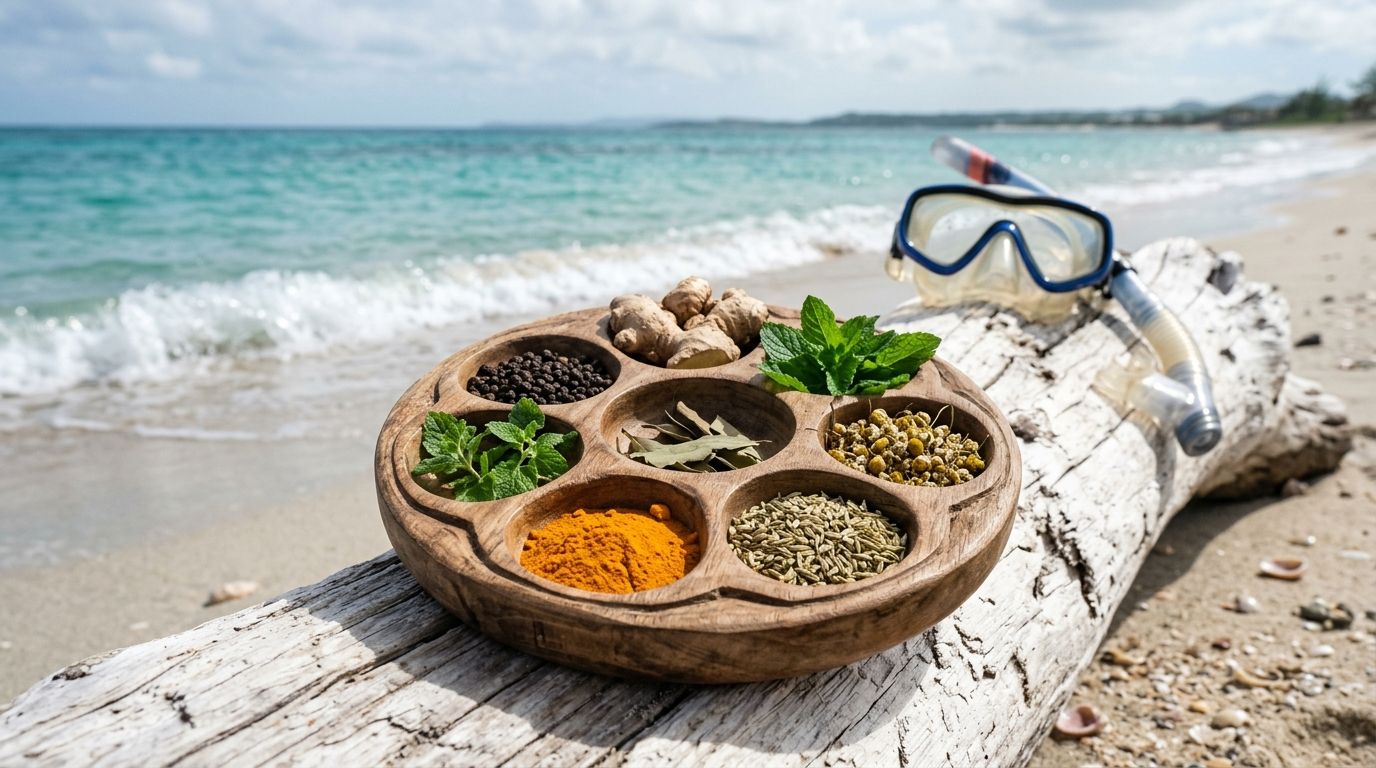
Embarking on a snorkeling adventure in Kona is a dream, but the fear of seasickness can cast a shadow on the excitement. Before you even consider canceling your Manta Ray Night Snorkel, know that nature offers powerful allies. While conventional medications are effective, many people seek natural alternatives to avoid drowsiness and other side effects. This guide explores the most effective herbs for sea sickness, detailing how they work, the best ways to use them, and how to prepare for your trip with Kona Snorkel Trips, Hawaii's top-rated and most-reviewed snorkel company.
We'll dive into scientific evidence, traditional wisdom, and practical tips to keep your stomach calm, so you can focus on the incredible underwater world. When considering natural remedies for motion sickness, many find relief in specific herbal blends. For centuries, for example, various herbal infusions, including Peppermint, Ginger, Chamomile, and Fennel teas for gut health, have been used to support digestion, which can be particularly helpful during a rough journey. From potent ginger chews to calming peppermint tea, you will learn how to prepare and use these remedies effectively. Ready to conquer the waves naturally?
1. Ginger Root – Fresh or Powdered Supplement
When it comes to natural, effective herbs for sea sickness, ginger (Zingiber officinale) consistently tops the list, and for good reason. Esteemed in Traditional Chinese Medicine for centuries and validated by modern scientific research, ginger is a powerhouse for combating nausea and motion sickness. Its primary active compounds, gingerols and shogaols, work by improving gastric motility and calming the digestive system, which can become unsettled by the unfamiliar motion of a boat on the ocean.

Unlike some pharmaceutical options, ginger is non-drowsy, making it an excellent choice for snorkelers who need to stay alert and enjoy their time in the water. Many Kona snorkelers report success with taking ginger before their tour, finding it helps them feel stable and comfortable from the boat ride to their underwater adventure.
How to Use Ginger for Seasickness
Ginger’s versatility is one of its greatest strengths. You can choose the form that best fits your preference and convenience for your snorkeling trip.
- Capsules: For a pre-measured and potent dose, take 500-1000 mg of ginger powder in capsule form about 30 to 60 minutes before you board the boat.
- Candies and Chews: Ginger chews or crystallized ginger candies are a convenient and tasty option. They are easy to pack and can be consumed as needed throughout your tour for ongoing relief.
- Fresh Ginger Tea: Brewing a tea from fresh ginger slices the morning of your trip is a fantastic way to proactively settle your stomach. For those with a green thumb, you can even explore sources on growing Myoga Ginger in your own garden for a truly fresh supply.
Pro Tip: Start with a smaller dose of ginger to see how your body responds. While side effects are rare, high doses can sometimes cause mild heartburn. Combining ginger with these other herbal remedies is just one part of a complete strategy; explore our comprehensive guide for more tips on how to avoid sea sickness on your next ocean excursion.
2. Peppermint (Mentha piperita) – Tea or Essential Oil Inhalation
Another highly effective herb for sea sickness is peppermint (Mentha piperita), a fragrant and fast-acting remedy celebrated in both traditional herbalism and modern aromatherapy. Its power lies in menthol, a primary active compound known for its ability to relax gastrointestinal muscles and calm the digestive tract. This antispasmodic effect can quickly ease the stomach spasms and queasiness associated with motion sickness, making it a valuable ally for any ocean traveler.

The cooling sensation and aroma of peppermint also have a direct soothing effect on the brain, helping to quell nausea before it fully takes hold. Its fast-acting nature is so recognized that many professional sailors and Mediterranean boat tour operators recommend a cup of peppermint tea before departure. It's an excellent choice for snorkelers who need quick, on-the-spot relief without drowsiness.
How to Use Peppermint for Seasickness
Peppermint offers several easy and accessible methods to combat nausea, whether you prefer to drink it or simply inhale its calming scent.
- Fresh Tea: Brew a strong cup of peppermint tea using fresh or dried leaves about 30-45 minutes before your snorkel tour. Drinking it cool or at room temperature can be particularly soothing for an unsettled stomach.
- Essential Oil Inhalation: This is a fantastic option for immediate relief on the boat. Place a few drops of peppermint essential oil on a handkerchief or cotton ball and inhale deeply when you feel nausea begin.
- Hard Candies: Keeping peppermint candies or mints on hand is a simple way to manage mild queasiness throughout your time on the water.
Pro Tip: For a powerful anti-nausea combination, try blending peppermint tea with ginger. While peppermint is very safe, it’s best to avoid applying undiluted essential oil directly to the skin. For another non-medicinal approach, learn more about how Sea-Band motion sickness bands work through acupressure.
3. Fennel Seeds (Foeniculum vulgare) – Tea or Chewed Seeds
Another exceptional herb for sea sickness, fennel (Foeniculum vulgare) has a long-standing reputation in traditional medicine for soothing digestive distress. Esteemed by Ayurvedic practitioners and Mediterranean herbalists for generations, fennel seeds contain compounds like anethole, which not only give them their characteristic anise-like flavor but also help relax the stomach muscles, reduce nausea, and alleviate gas and bloating. This makes fennel particularly effective when motion sickness is accompanied by indigestion.

The historical use of fennel by seafarers in coastal Italian and Greek communities underscores its practical value for preventing queasiness during ocean travel. For snorkelers, it offers a gentle, non-drowsy way to keep the stomach calm and settled, ensuring you can focus on the vibrant marine life rather than a churning tummy.
How to Use Fennel for Seasickness
Fennel is easy to incorporate into your pre-snorkeling routine. Its pleasant, slightly sweet taste makes it a palatable remedy that can be used in several ways.
- Chewed Seeds: For a simple, on-the-go method, chew about one teaspoon of raw fennel seeds approximately 45 minutes before boarding your boat. This releases the essential oils directly for quick action.
- Fennel Tea: Brew a comforting tea by steeping one to two teaspoons of crushed fennel seeds in hot water for 10 minutes. Drinking this the morning of your tour can provide excellent preventive benefits.
- Combination Remedy: Create a powerful, triple-action tea by combining fennel seeds with fresh ginger and peppermint. This blend tackles nausea from multiple angles for enhanced relief.
Pro Tip: For maximum benefit, some herbalists suggest starting your fennel regimen 24 hours before your trip by drinking a cup of fennel tea a day in advance. While this herbal approach is effective for many, some travelers prefer the convenience of modern solutions; you can explore other options like the Ship-EEZ seasickness patch, a non-drowsy patch applied behind the ear.
4. Lemon Balm (Melissa officinalis) – Fresh Tea or Dried Leaf Infusion
For many, the anxiety of potential seasickness can be as unsettling as the nausea itself. Lemon balm (Melissa officinalis), a gentle and fragrant member of the mint family, offers a unique approach to managing this feeling. Instead of solely targeting the stomach, lemon balm excels at calming the nervous system, making it an ideal herb for first-time snorkelers, anxious travelers, or anyone whose queasiness is tied to pre-tour jitters. European herbalists have long recommended this soothing herb for its ability to reduce anxiety-related digestive distress.

This calming effect makes lemon balm a wonderful addition to a family's pre-adventure routine, especially for children who might feel nervous about their first boat tour. By promoting a sense of relaxation, it helps create a more positive and comfortable mindset before you even step onto the boat, setting the stage for an enjoyable day exploring Kona’s beautiful waters. Its mild nature also makes it a safe option for many, including those exploring remedies during pregnancy after consulting a doctor; our guide offers more information on managing sea sickness and pregnancy.
How to Use Lemon Balm for Seasickness
Lemon balm is most effective when prepared as a tea, allowing its calming properties to work through your system gently.
- Fresh or Dried Tea: Brew a comforting tea using 1-2 teaspoons of dried lemon balm or a small handful of fresh leaves per cup of hot water. Let it steep for 10-15 minutes.
- Pre-Tour Ritual: Sip a cup 2-3 hours before your Kona snorkel tour to help ease any anticipatory anxiety.
- Night-Before Prep: Drinking a cup the evening before your trip can promote restful sleep, which is crucial for preventing motion sickness.
- Enhanced Relaxation: For an even greater calming effect, try combining lemon balm with chamomile in your tea blend.
Pro Tip: If you have access to a garden, using fresh lemon balm leaves will provide the most potent and flavorful tea. Turn the act of slowly sipping your tea into a mindful ritual to center yourself before your exciting ocean adventure begins.
5. Black Horehound (Ballota nigra) – Herbal Infusion or Tincture
While less known in North America, black horehound (Ballota nigra) is a cornerstone of traditional European herbal medicine, specifically revered for its powerful anti-nausea properties. Esteemed by maritime cultures for centuries, it was a staple for British sailors facing the tumultuous seas. This potent herb is believed to work by targeting the vomiting center in the brain, making it one of the most effective herbs for sea sickness when nausea is severe.
This remedy is particularly suited for individuals who experience more intense symptoms of motion sickness. Its historical use on long sea voyages, from ferry crossings in the UK to transatlantic passages, speaks to its reliability. For snorkelers who are highly susceptible to seasickness, black horehound offers a targeted approach to keeping queasiness at bay, allowing you to focus on the incredible marine life around Kona.
How to Use Black Horehound for Seasickness
Due to its strong, bitter taste, black horehound is most often used in forms that minimize direct contact with the palate. Tinctures and capsules are the most practical choices for your snorkeling trip.
- Tincture: This concentrated liquid extract is fast-acting. Take 1-2 ml of tincture (approximately 20-40 drops) in a small amount of water about 30 to 45 minutes before boarding the boat. You can find tinctures at reputable herbalist shops.
- Capsules: For those who want to completely avoid the herb's bitter flavor, capsules containing the dried powder are an excellent alternative. Follow the dosage instructions provided on the product.
- Herbal Infusion (Tea): While it is the most traditional method, a tea made from the dried leaves will be quite bitter. If you choose this route, consider adding honey or mixing it with more palatable herbs like peppermint to improve the taste.
Pro Tip: Black horehound is potent, so it's wise to start with a smaller dose to see how your body reacts. For comprehensive relief, some herbalists suggest combining it with ginger. While these herbs are powerful, they are best used as part of a broader strategy. Discover more about your options by exploring the best sea sickness medication and remedies available.
6. Chamomile (Matricaria chamomilla) – Dried Flower Tea
While some herbs for sea sickness focus on aggressive nausea-fighting, chamomile (Matricaria chamomilla) offers a gentler, more holistic approach. Known for its calming properties, chamomile is particularly effective for those whose sea sickness is worsened by pre-trip anxiety or nervous tension. Its mild, apple-like flavor and excellent safety profile make it a family-friendly choice, helping to soothe unsettled minds and stomachs before you even step on the boat.
The active compounds in chamomile, such as apigenin, work on the central nervous system to reduce stress, which can be a major trigger for motion sickness. By calming the mind, you also help calm the digestive system, creating a more stable internal environment. This is why many wellness spas and family resorts in coastal areas offer chamomile tea to guests before they head out for water activities.
How to Use Chamomile for Seasickness
Integrating chamomile into your pre-snorkel routine can be a relaxing and effective way to prepare for your day on the water.
- Pre-Trip Ritual: Brew a strong cup of chamomile tea the night before your Kona snorkel adventure. This can help ensure a restful night's sleep, which is crucial for preventing motion sickness.
- Morning Brew: Enjoy another cup of warm chamomile tea about 1-2 hours before boarding the boat. This gives the calming compounds time to work, reducing any last-minute jitters.
- Flavor and Potency: For the best results, use high-quality, whole dried chamomile flowers rather than pre-bagged tea dust, which can have less potency.
- Herbal Synergy: For enhanced stomach-settling benefits, consider brewing chamomile along with a few peppermint leaves. This combination targets both anxiety and direct digestive discomfort.
Pro Tip: Create a small, calming ritual around drinking your tea. Take a few moments to breathe deeply and visualize yourself feeling calm and stable on the boat. This psychological preparation, combined with the herb’s physical effects, can make a significant difference in your experience. For a complete approach, remember that non-herbal aids like Sea-Band wristbands can offer additional, drug-free support throughout your tour.
7. Lavender (Lavandula officinalis) – Aromatic Inhalation or Infusion
While many herbs for sea sickness focus on the stomach, lavender (Lavandula officinalis) offers a unique approach by calming the central nervous system. Its power lies in its aroma, which can reduce the anxiety and stress that often worsen feelings of nausea. The connection between the brain and gut is strong, and by soothing the mind, lavender can help prevent the psychological triggers of motion sickness from taking hold.
The pleasant, gentle scent of lavender has been used for centuries in aromatherapy to promote relaxation. This same principle is applied in various travel contexts; luxury cruise lines and airlines often use lavender aromatherapy to calm anxious passengers. For snorkelers, a calm state of mind is invaluable for both enjoying the boat ride and feeling comfortable in the water.
How to Use Lavender for Seasickness
Lavender's benefits can be accessed through both inhalation and ingestion, allowing you to choose the method that best suits your needs before and during your Kona snorkel tour.
- Aromatic Inhalation: This is the most direct way to use lavender for its calming effects. Place 2-3 drops of high-quality essential oil on a cotton ball or handkerchief and inhale deeply as needed on the boat. You can also apply a lavender-infused lotion to your wrists and temples.
- Lavender Tea: Drinking a cup of lavender tea the morning of your trip is an excellent way to proactively soothe your nerves and digestive system. The warm, gentle infusion helps set a calm tone for the day's adventure.
- Combined Approach: For comprehensive relief, try inhaling lavender oil while sipping on another anti-nausea tea, like peppermint or ginger. This dual-action method tackles both the neurological and gastric symptoms of seasickness.
Pro Tip: Not all essential oils are created equal. Purchase high-quality, therapeutic-grade lavender oil from a reputable source for the most effective results. When dealing with seasickness, remember that a multi-faceted approach works best; consider pairing herbal remedies with other preventative measures like Sea-Band wristbands for added support.
7-Herb Seasickness Comparison
| Item | 🔄 Implementation complexity | ⚡ Resource & onset | ⭐ Expected effectiveness | 💡 Ideal use cases | 📊 Key advantages |
|---|---|---|---|---|---|
| Ginger Root – Fresh or Powdered Supplement | Low — capsules, tea or candies; easy dosing | Widely available; onset 30–120 min; no special storage | ⭐⭐⭐⭐ — well‑researched for prevention & relief | Preventive dosing before short boat/snorkel trips; general GI nausea | Affordable, safe, broad digestive benefits; may interact with blood thinners |
| Peppermint (Tea or Essential Oil Inhalation) | Low — brew tea or inhale diluted oil; simple use | Readily available; onset 15–20 min; fast but often temporary | ⭐⭐⭐⭐ — fast sensory relief for acute nausea | Quick relief during boat ride; combine with ginger for stronger effect | Pleasant flavor, rapid action; avoid undiluted ingestion of oil |
| Fennel Seeds (Tea or Chewed Seeds) | Low–Moderate — chew seeds or brew tea (requires boiling) | Common pantry herb; onset 30–60 min; mild speed | ⭐⭐⭐ — effective for digestive-related nausea and bloating | Best when nausea accompanies indigestion or gas | Gentle, inexpensive, good for long‑term use; licorice taste not for all |
| Lemon Balm (Fresh Tea or Dried Leaf Infusion) | Low — steep fresh/dried leaves; regular use preferable | Moderately available; onset slower (hours); preventive use | ⭐⭐ — mild, targets anxiety‑related nausea | Anxious first‑time snorkelers and families; pre‑trip calming | Very safe and pleasant flavor; milder anti‑nausea effect |
| Black Horehound (Herbal Infusion or Tincture) | Moderate — tincture or capsules; requires accurate dosing | Less readily available; onset ~30–45 min; potent for severe cases | ⭐⭐⭐ — specific action against motion‑induced vomiting (limited modern studies) | Severe seasickness or when other remedies fail; maritime tradition use | Targeted anti‑vomiting effect; bitter taste, limited availability |
| Chamomile (Dried Flower Tea) | Low — tea bags or loose‑leaf steeping; simple routine | Widely available; preventive (night before or 1–2 hrs prior); slower onset | ⭐⭐ — gentle anxiety and stomach settling | Night‑before or pre‑boarding for anxious travelers and families | Very safe, improves sleep; may cause drowsiness or ragweed cross‑reactivity |
| Lavender (Aromatic Inhalation or Infusion) | Low — inhale diluted oil or brew tea; portable aromatherapy | Readily available; inhalation works quickly, internal slower | ⭐⭐ — effective mainly for anxiety‑related nausea; complementary use | Use inhalation at first sign of nausea; calming pre‑tour ritual | Pleasant aroma, portable; quality and dilution important, may cause drowsiness |
Creating Your Complete Nausea-Prevention Toolkit
Navigating the world of natural remedies for seasickness can feel empowering, and as we've explored, you have a wealth of effective options. From the potent anti-nausea properties of ginger and peppermint to the calming digestive support of fennel, lemon balm, and chamomile, the power of herbs for sea sickness is undeniable. Each offers a unique way to prepare for and manage motion sickness, whether you prefer a soothing tea, a quick-acting tincture, or simply chewing on candied ginger.
The key takeaway is that preparation and personalization are your best allies. What works wonders for one person might be a secondary choice for another. This is where experimentation in a controlled environment, long before you step onto the boat, becomes crucial. Understanding how your body reacts to ginger capsules versus peppermint oil inhalation allows you to build a reliable and effective strategy tailored specifically to your needs. This foresight transforms anxiety about potential seasickness into confidence, freeing your mind to anticipate the incredible marine life awaiting you beneath the waves.
Building a Multi-Layered Defense
Beyond herbs, remember the value of a multi-faceted approach. Your anti-nausea toolkit is strongest when it includes several layers of defense. Combining an herbal remedy with other proven strategies creates a robust buffer against motion sickness.
- Acupressure Power: Consider adding Sea Band wristbands to your travel kit. They apply gentle pressure to the P6 (Neiguan) point on your wrist, a technique used for centuries to alleviate nausea.
- Strategic Positioning: Where you are on the boat matters. Staying in the center of the vessel, where motion is least pronounced, and keeping your eyes fixed on the stable horizon line can significantly reduce sensory conflict.
- Mindful Consumption: What you eat and drink before your trip is as important as what you take for prevention. Opt for a light, non-greasy meal and stay hydrated with water. Avoid alcohol and heavy, acidic, or spicy foods that can irritate your stomach.
- Over-the-Counter Support: For those who prefer a pharmaceutical backup, options like Dramamine pills or Bonine pills can be very effective when taken as directed, usually an hour before departure. Even non-drowsy formulas exist. Patches like the Ship-EEZ Seasickness Patch offer a long-lasting, hands-off alternative.
By integrating these non-herbal tactics with your preferred herbs for sea sickness, you create a comprehensive plan that addresses potential motion sickness from every angle. This proactive mindset ensures your focus remains firmly on the breathtaking beauty of Kona’s coastline and the unforgettable experience of swimming alongside majestic manta rays or exploring the vibrant coral gardens at Kealakekua Bay.
Now that you have a full toolkit to keep seasickness at bay, you can book your next ocean adventure with total confidence. Kona Snorkel Trips specializes in small-group tours that get you to the best snorkeling spots, ensuring a comfortable and memorable experience on the water. Let our expert crew handle the details so you can focus on making incredible memories.