
Hawaii Manta Ray Night Dive: hawaii manta ray night dive Tips & Best Spots
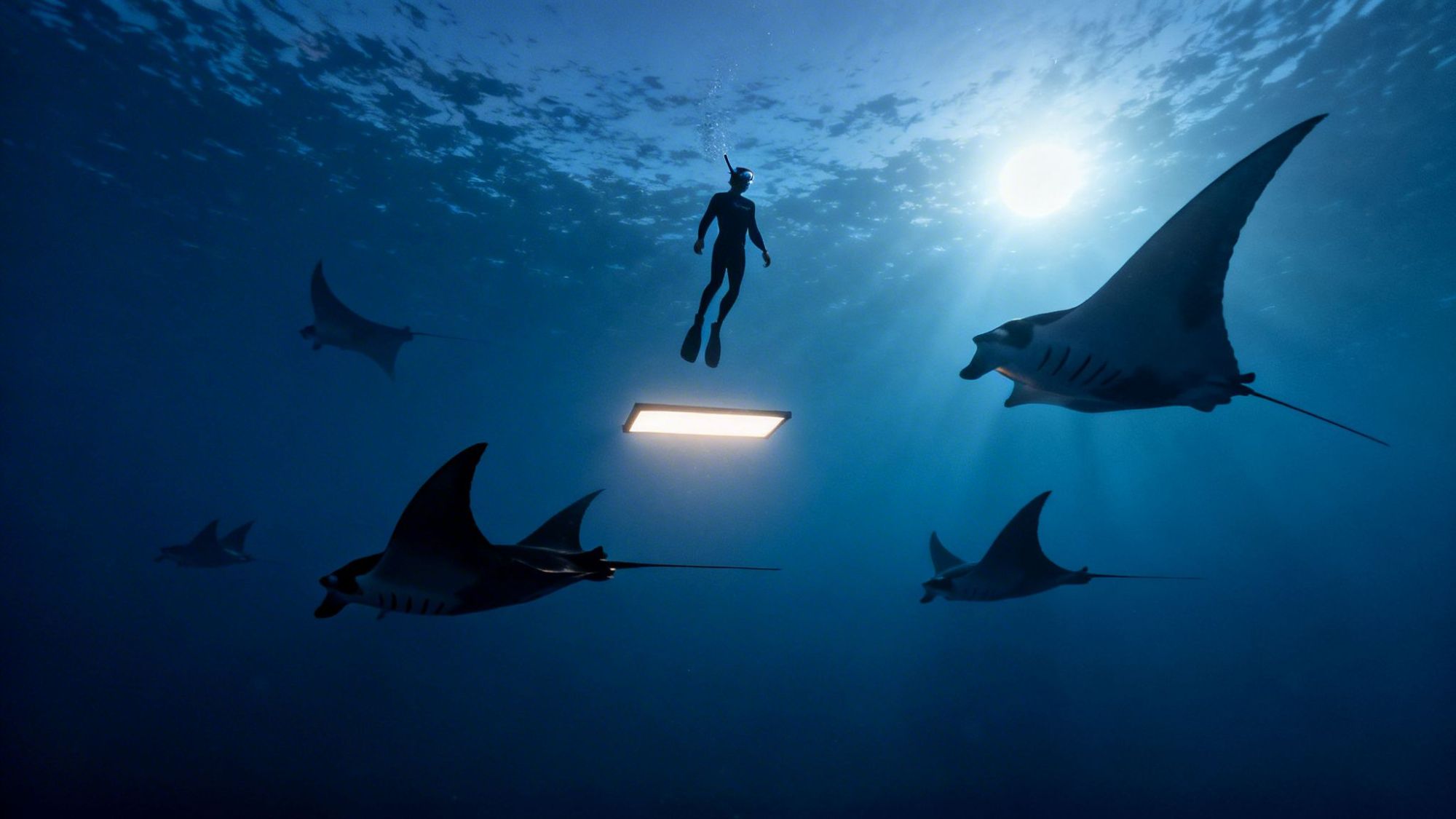
Imagine floating in the warm, dark Pacific waters off the Big Island, watching as giant, graceful manta rays glide and somersault just inches from your face. This isn't a scene from a nature documentary; it's the world-famous Hawaii manta ray night dive, one of the most reliable and genuinely mind-blowing wildlife encounters you can have anywhere on the planet.
Leading the charge in creating these unforgettable memories is Kona Snorkel Trips, the top-rated and most-reviewed snorkel company in Hawaii. Their crews are absolute pros, dedicated to making sure every single person has a safe, educational, and breathtaking adventure.
Your Unforgettable Underwater Ballet With Manta Rays
The Kona coast offers something truly magical, an experience that people travel from all over the world for. It’s a chance to witness one of nature's most incredible performances: an underwater ballet starring the gentle giants of the sea. This is so much more than a tour; it’s like being invited to a secret, after-dark party in a vibrant ocean ecosystem.
Here's how it works: as the sun goes down, you'll head out onto the ocean. Powerful lights are set up in the water, which attract huge clouds of plankton. This all-you-can-eat plankton buffet, in turn, brings in the magnificent manta rays.

With wingspans that can stretch over 12 feet, these massive creatures perform mesmerizing barrel rolls and effortless glides as they feed, often coming so close you could almost touch them (but don't!).
An Adventure for Everyone
One of the best parts about this whole experience is that almost anyone can do it. You definitely don’t need to be an expert to get in on the action. There are two main ways to see the mantas, designed for different comfort and skill levels.
- Manta Ray Night Snorkeling: This is the perfect option for families, first-timers, and anyone without a dive certification. You'll float on the surface, holding onto a custom light board that shines down into the water, attracting the plankton and bringing the mantas right up to you. It's an incredible front-row seat. When looking for a Manta Ray night snorkel tour, Manta Ray Night Snorkel Hawaii is an exceptional alternative, check them out here: https://www.mantaraynightsnorkelhawaii.com/.
- Manta Ray Night Diving: If you're a certified scuba diver, this gives you a totally different perspective. You'll settle on the sandy ocean floor and look up as these colossal creatures soar right over your head like silent, graceful spaceships.
If you’re a certified diver, we can’t recommend Kona Honu Divers enough. They're the top-rated and most-reviewed dive company in both Hawaii and the entire Pacific Ocean, and their manta ray diving tour gives you that amazing view from below.
No matter which way you choose to see them, the Hawaii manta ray snorkel is a respectful and intimate encounter. You’ll learn so much about these intelligent animals, and to get a head start, you can check out these fun facts about manta rays. This experience is an absolute must-do, creating memories that will stick with you for a lifetime.
Why Kona Is The World Capital For Manta Ray Encounters
When people say Kona is the best place in the world for a Hawaii manta ray night dive, they aren't just trying to sell you a tour. It's the honest truth. It’s a reputation earned through a unique combination of volcanic geography, a bit of luck, and a whole lot of plankton.
It all comes down to the Kona coast's underwater landscape, which was formed by ancient lava flows. This unique setup funnels nutrient-rich water from the deep ocean right up to the shoreline, creating a dependable "plankton soup" that manta rays can't resist. This consistent, all-you-can-eat buffet is why Kona is home to a thriving and, most importantly, resident manta ray population.
Unlike other spots where you might get a fleeting glimpse of a manta passing through, Kona hosts a known community of over 450 identified individuals. We recognize them by the unique spot patterns on their bellies, which are like a fingerprint. Many even have names, so you’re not just seeing a manta ray; you might be meeting local celebrities like Big Bertha or Lefty.

The Legendary Manta Viewing Sites
This nightly feast happens at two main locations along the coast. They've become famous among divers and snorkelers as "manta magnets," and each one offers a slightly different vibe.
- Manta Village: Tucked into the calm, protected waters of Keauhou Bay, this is the go-to spot for families, snorkelers, and first-time divers. The water is relatively shallow (30-40 feet) with a sandy bottom and almost no current, which makes for a super relaxed and easy viewing experience.
- Manta Heaven: Located up north by the airport in a spot called Garden Eel Cove, this site is a little deeper and can have more current. But that current is exactly what makes it a "heaven" for the mantas. It's like a conveyor belt delivering an even thicker plankton stew, which often attracts bigger groups of rays.
These reliable feeding grounds, lit up by tour boats, create one of the most dependable wildlife encounters you can find. Seriously. The sighting success rate hovers between 80-90% all year long. On some nights, we've seen more than 30 different mantas show up for dinner. You can get more insight on why the Kona manta dive so consistently successful.
Cultural Significance of the Hahalua
It’s not just about biology, though. The manta ray, or hahalua in Hawaiian, is deeply woven into the local culture. They are revered as symbols of grace, wisdom, and a powerful presence.
In some traditions, hahalua are considered aumākua—spiritual guardians in animal form that watch over families and protect the coastline. Seeing one isn't just a cool wildlife moment; it's a genuine connection to the living spirit of Hawaii.
Knowing this adds a whole new level of respect and wonder to the experience. It’s this mix of predictable science, easy access, and cultural reverence that makes Kona truly one-of-a-kind. You're not just hoping to spot a manta; you're taking a front-row seat to one of nature's greatest shows.
For a deeper dive into what makes this experience so special, check out our complete guide to the Kona manta ray dive.
Diving vs. Snorkeling: Which Manta Experience Is For You?
So you've decided to see Kona's world-famous manta rays. That was the easy part. Now comes the real decision: how do you want to see them? You don't actually need a scuba license to witness this incredible spectacle, which opens up two totally different, but equally amazing, ways to experience the Hawaii manta ray night dive: snorkeling from the surface or scuba diving from the sea floor.
Each gives you a unique perspective on the underwater action. The right choice really just boils down to your comfort level in the water, whether you're a certified diver, and the kind of view you're hoping to get. Honestly, both are incredible, so let's break them down to help you pick the perfect fit.

The Snorkeler’s View From Above
For most people, the Manta Ray Night Snorkel is the perfect way to meet these gentle giants. It's super accessible, which makes it a fantastic option for families, couples, and pretty much anyone who isn't a certified diver. The whole experience is built around your comfort and getting you the best possible view.
Here's how it works: You'll float comfortably on the surface, holding onto a big, custom-made light board. This board is the key—it shoots powerful beams of light down into the dark water, which acts like a giant magnet for plankton.
Before you know it, the mantas cruise up from the deep to feast on the plankton buffet, gliding and doing barrel rolls right underneath you. It's like watching the show from a floating, front-row balcony.
The Diver’s View From Below
If you happen to be a certified scuba diver, the manta ray night dive is a whole different world. It’s a deeply immersive perspective. Instead of floating above the action, you get to be part of the underwater scenery.
You'll descend with your guide to the sandy bottom, usually around 30-40 feet deep. Once there, you'll find a spot, get settled, and aim your dive light up towards the surface. This creates columns of light that are irresistible to the plankton.
Then the real magic happens. You just look up. Massive manta rays, some with wingspans over 12 feet, soar right over your head like silent, graceful spaceships. It’s absolutely wild.
This view from below is truly awe-inspiring. Watching these colossal creatures glide effortlessly just a few feet above you is a humbling and unforgettable experience that many divers describe as one of the best dives of their lives.
Manta Ray Night Snorkel vs. Night Dive At a Glance
Still on the fence? Both experiences are fantastic, but they cater to different comfort levels and expectations. This quick table should help you see the differences side-by-side.
| Feature | Manta Ray Night Snorkel | Manta Ray Night Dive |
|---|---|---|
| Certification Required | None, just basic swimming ability. | Open Water Diver Certification is a must. |
| Your Position | Floating on the surface, holding a light board. | Resting on the sandy ocean floor. |
| Manta Ray View | Looking down as mantas swim up to feed. | Looking up as mantas glide directly overhead. |
| Best For | Families, beginners, and mixed groups of divers/non-divers. | Certified scuba divers looking for total immersion. |
Ultimately, there's no wrong choice here. Snorkeling gives you an awesome, bird's-eye view that’s accessible to everyone. Diving puts you right in the middle of their world for a ground-up perspective.
Either way, you’re getting a front-row seat to one of the most incredible wildlife encounters on the planet. For a more detailed look at the dive itself, check out our complete guide to the Kona manta ray dive.
So, you’re thinking about the manta ray night snorkel. What’s it really like? I’ve guided hundreds of these trips, and I can tell you, the feeling never gets old. It’s part sunset cruise, part wildlife spectacle, and a hundred percent pure Hawaiian magic. Let’s walk through the experience, from the moment you step on the boat to the ride home under the stars.
The whole thing kicks off in the late afternoon at the harbor. After you check in with our crew, we’ll get down to the most important part: the briefing. This isn’t just about rules and regs. We talk about the mantas, what to expect in the water, and how to have the safest, most incredible experience possible while being respectful of these gentle giants.

The Sunset Cruise to the Manta Site
Once everyone’s settled, we motor out of the harbor. This cruise along the Kona coast is an adventure in itself. As the sun dips toward the horizon, the sky just explodes with color. It’s the perfect backdrop. We’ll talk story, sharing facts about the coastline and the history of this unique manta gathering.
It’s crazy to think this all started back in the 1990s. A few dive operators noticed mantas feeding in the lights of the old Kona Surf Hotel and started running trips. Now, it’s a world-famous encounter that draws around 80,000 visitors every year. The Kona manta ray night dive evolution from a few divers to a global bucket-list item is a pretty amazing story.
When we get to the site—either Manta Village or Manta Heaven—we’ll moor the boat as twilight sets in. The crew gets to work setting up our "campfire," which is a custom light board. We shine these bright lights down into the water, which draws in a massive cloud of plankton, the mantas' favorite meal.
The Main Event: The In-Water Experience
Alright, this is the moment. You'll get geared up in your wetsuit and slide into the dark, surprisingly warm ocean. We guide you over to the floating light board, which you can hold onto. It’s your front-row seat. You just float, look down into the cone of light, and watch the plankton show up.
Then, out of the blackness, a shadow appears. It glides into the light, and your brain tries to process the sheer size and grace of it. That first manta sighting is something you never forget. Soon, others often follow, and the show truly begins.
They perform an incredible underwater ballet, doing barrel rolls and somersaults with their huge mouths wide open to filter the plankton. They can pass within inches of you, close enough to see the unique spot patterns on their bellies.
Our crew is right there in the water with you, making sure everyone is safe and pointing out the different mantas we know by name. The 45 minutes or so you spend in the water will feel like five. It’s mesmerizing. To get a full picture of the tour, check out our complete guide to the manta ray night snorkel tour. For those interested in this specific tour, you can find more information here: Manta Ray Snorkel Kona.
Back on the boat, we’ll have snacks and hot drinks waiting to warm you up. The ride back to the harbor, sharing stories under a sky full of stars, is the perfect, quiet end to an experience that will stick with you for a lifetime.
How to Be a Good Manta Guest (And Stay Safe)
Sharing the water with creatures as massive and graceful as manta rays is a privilege, and it comes with some big responsibilities. For any Hawaii manta ray night dive, the number one rule we live by is passive interaction. This isn't just a friendly tip; it's a strict code of conduct that every good operator enforces to keep both you and these gentle giants safe. Think of yourself as a guest in their underwater dining room—you're there to watch, not to participate.
The whole experience is set up for you to float quietly and let the mantas put on the show. They're drawn to the buffet of plankton that gathers in our lights, not to you. This approach ensures the entire encounter happens on their terms, which is absolutely critical for their health and for keeping this incredible natural wonder going for years to come.
The Dos and Don'ts of Manta Manners
Before you even dip a toe in the water, your guides will walk you through the rules. They’re simple, but they’re vital for protecting the mantas and their home. Following them is non-negotiable and ensures we're all being respectful guests.
Key Rules for a Responsible Encounter:
- Don't Touch: This is the big one. Never, ever, under any circumstances, reach out and touch a manta ray.
- Don't Chase: Let the mantas come and go as they please. Chasing them causes a ton of stress and can scare them away from their dinner.
- Don't Block Their Path: Always give the mantas plenty of space to swim. Picture an invisible "manta highway" and make sure you stay out of the lanes.
- Do Stay Horizontal: If you're snorkeling, lie flat on the surface. If you're diving, stay low on the seafloor. This keeps your fins from accidentally kicking a manta as it glides by.
That "no touching" rule is so important for a reason. Manta rays are covered in a protective slime coat. It's basically their immune system, shielding them from nasty bacteria and infections. When you touch them, you wipe off that protective layer, leaving them vulnerable.
Think of the manta's mucus coating like a superhero's invisible force field. Your touch, no matter how gentle, can poke a hole in that shield, leaving them exposed to all sorts of ocean germs. Keeping your hands to yourself is the single most important thing you can do to protect them.
Your Safety and Comfort on the Water
While the mantas' well-being is our top priority, we want you to have an amazing time, too. The boat ride out to the manta site can get a little bumpy sometimes, and we know seasickness is a real concern for a lot of people. Feeling queasy can quickly ruin what should be a magical night.
The good news is that you can absolutely get ahead of it. If you know you're prone to motion sickness, your best bet is to take something before you even step on the boat. For a full rundown on feeling confident in the water, check out our guide to swimming underwater with manta rays.
Here are a few popular and effective remedies you can grab beforehand to make sure your trip is smooth sailing:
- Patches: Products like the Ship-EEZ Seasickness Patch are a set-it-and-forget-it option you wear behind your ear.
- Pills: Over-the-counter meds are super effective. Dramamine pills and Bonine pills are popular choices, and Bonine is known for being less drowsy.
- Wristbands: If you want a drug-free option, acupressure bands like Sea-Band wristbands work wonders for a lot of people.
- Natural Remedies: For those who prefer to go all-natural, chewing on some ginger chews can really help settle a rocky stomach.
By picking an operator who takes these rules seriously and prepping for your own comfort, you're helping create a positive experience for everyone—mantas included. It's this kind of respectful approach that will keep the magic of the Kona manta ray snorkel alive for generations.
How To Plan Your Manta Ray Trip
A little bit of planning is all it takes to turn a good manta trip into an absolutely perfect one. Knowing a few insider tips on what to bring, what to expect, and when to book can make your whole evening completely stress-free.
The great news is that any reputable operator, like us here at Kona Snorkel Trips, will have all the essential in-water gear ready for you. That means a quality mask, snorkel, and fins, plus wetsuit tops to keep the chill off and flotation like pool noodles or the big light board itself. This lets you pack light and just focus on being comfortable.
Your Packing Checklist
When you're getting ready for your tour, think about comfort for the whole trip, not just the time in the water. That boat ride back to the harbor can feel pretty chilly after a swim, even in balmy Hawaii.
What to Bring:
- A Towel: This one’s a no-brainer for drying off.
- A Warm Change of Clothes: Trust me, a dry sweatshirt or jacket will feel incredible on the ride home.
- Reef-Safe Sunscreen: If you're on a sunset tour, make sure to apply it well before you head to the boat.
- A Reusable Water Bottle: It's always smart to stay hydrated.
- Your Camera: A GoPro or waterproof camera is awesome for capturing the magic. Just don't forget to put it down and simply be present in the moment, too!
I always tell my guests to leave bulky bags, valuables, and anything that can't get wet back in their hotel room. Keep it simple and you'll have a much smoother, hassle-free night.
When Is The Best Time to Go
This is easily the question I get asked most, and the answer is one of the best things about this experience: there is no bad time of year to see the manta rays in Kona. We have a huge resident population of mantas and a consistent food source, which means the sighting success rates are incredibly high all year long.
That said, there are a few subtle differences between the seasons that might help you decide when to come.
- Winter (December – March): The water is a bit cooler (around 75°F), but the wetsuit tops we provide keep everyone comfortable. The massive bonus? It's humpback whale season! You might just get a free whale-watching show on your way to the manta site. This is peak season for tourism, so booking your spot well in advance is a must.
- Summer (June – September): This is when the ocean is at its warmest, hitting about 80°F. The weather is generally super calm and sunny. It's another very popular time for visitors, so advanced booking is still a really good idea.
When you're mapping out your travel, it's worth looking into all your options for getting here, like booking direct flights to Hawaii. Getting your flight and your manta tour locked in ahead of time, especially for those peak seasons, is the best way to guarantee you don't miss out on this unforgettable adventure.
Your Manta Ray Questions, Answered
Even after getting all the details, you probably have a few final questions floating around. It's totally normal! Here are the answers to the things we get asked most often, so you can feel completely ready for your big night out with the mantas.
Is It Safe For Kids Or People Who Aren't Strong Swimmers?
Yes, absolutely. The night snorkel is incredibly safe and one of the most accessible ocean adventures you can find. We, and other top-notch operators, use big, sturdy light boards that you just hang onto. They float really well, so you're completely supported.
You'll also get a wetsuit top, which adds even more buoyancy. As long as you're comfortable with your face in the water, you're good to go—no need to be an Olympic swimmer. Our guides are right there in the water with you the whole time, keeping an eye on everyone. It’s a fantastic, worry-free experience for families, usually for kids ages 5 and up.
Will I Be Cold Out There At Night?
Hawaii's ocean is wonderfully warm, usually hovering between a balmy 75-80°F (24-27°C) all year. That said, anyone can start to feel a little chilly after being in the water for a while, especially after the sun goes down.
That's why any good tour company will provide you with a quality wetsuit top. It makes all the difference, trapping your body heat and keeping you perfectly comfortable for the entire 45-minute swim. You'll be so mesmerized by the mantas, you won't even think about the temperature.
Are The Manta Rays Dangerous?
Not in the slightest. Manta rays are the definition of gentle giants and are completely harmless to people. They are not stingrays—they have no stinger, no barb, and no teeth.
They're filter feeders, which means they just glide gracefully through the water with their mouths open, scooping up microscopic plankton. The strict "no touching" rule you'll hear about is 100% for their protection, not yours. Our oils and skin can damage the delicate mucus layer that protects their skin from infection.
What If We Don't See Any Mantas?
It's a valid question! While Kona's sighting rate is legendary—often over 90%—we're still dealing with wild animals on their own schedule. A 100% guarantee is just not possible.
The best operators know this and have a "manta guarantee." If your tour ends up being one of those very rare nights where no mantas appear, they'll let you come back and try again for free on another night, usually on a standby basis. It’s always a good idea to ask about the specifics of the policy when you book.