
8 Myths About Hawaii Manta Rays Visitors Still Believe
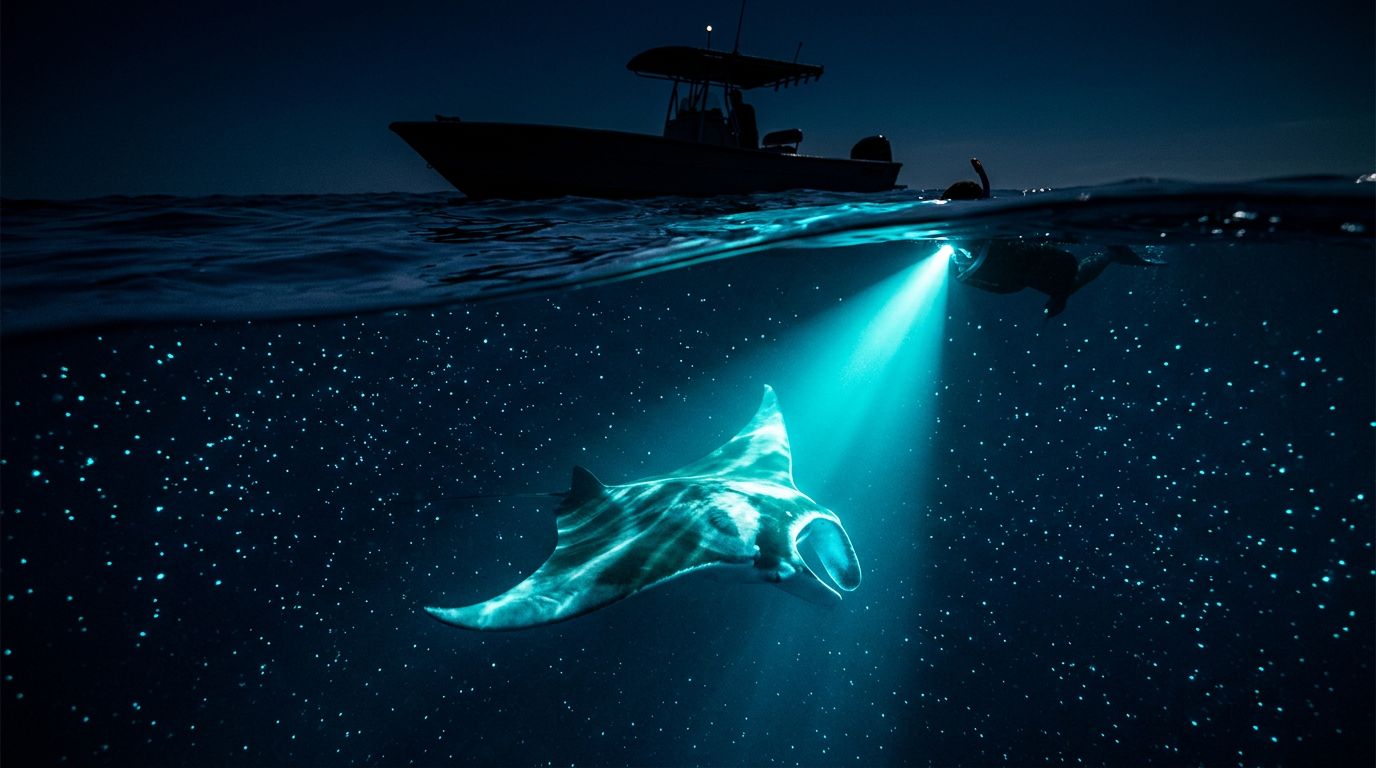
If you hear enough stories about Hawaii manta rays, the facts start to blur. Kona Snorkel Trips talks with visitors every week who want a clear answer before they book, because one bad rumor can change the whole plan.
The good news is that manta encounters are easier to understand than most people think. Once you separate the myths from the real behavior, you can decide whether a night snorkel fits your comfort level, your family, and the rest of your Kona plans.
You do not need a marine biology degree to sort it out. You just need the right information before you step onto the boat.
Key Takeaways
- Hawaii manta rays are gentle filter feeders, not predators that target swimmers.
- Good sightings depend on location, conditions, and guide setup more than luck alone.
- You do not need expert swimming skills, but you do need to follow crew instructions.
- Touching a manta is off-limits because it harms the animal and dulls the experience.
- Small-group tours usually feel calmer, clearer, and more personal.
Myth 1: Hawaii manta rays are dangerous to snorkel with
Manta rays can look intimidating at first glance. They are huge, smooth, and fast enough to make your brain jump to the wrong conclusion.
That reaction makes sense, but the animal itself is not a threat to you. Hawaii manta rays are filter feeders. They do not hunt people, bite swimmers, or sting like the species many visitors picture when they hear “ray.” The Hawaii Division of Aquatic Resources treats them as protected species, which is one reason you should give them space and follow the briefing closely. You can read more in DLNR’s protected species spotlight.
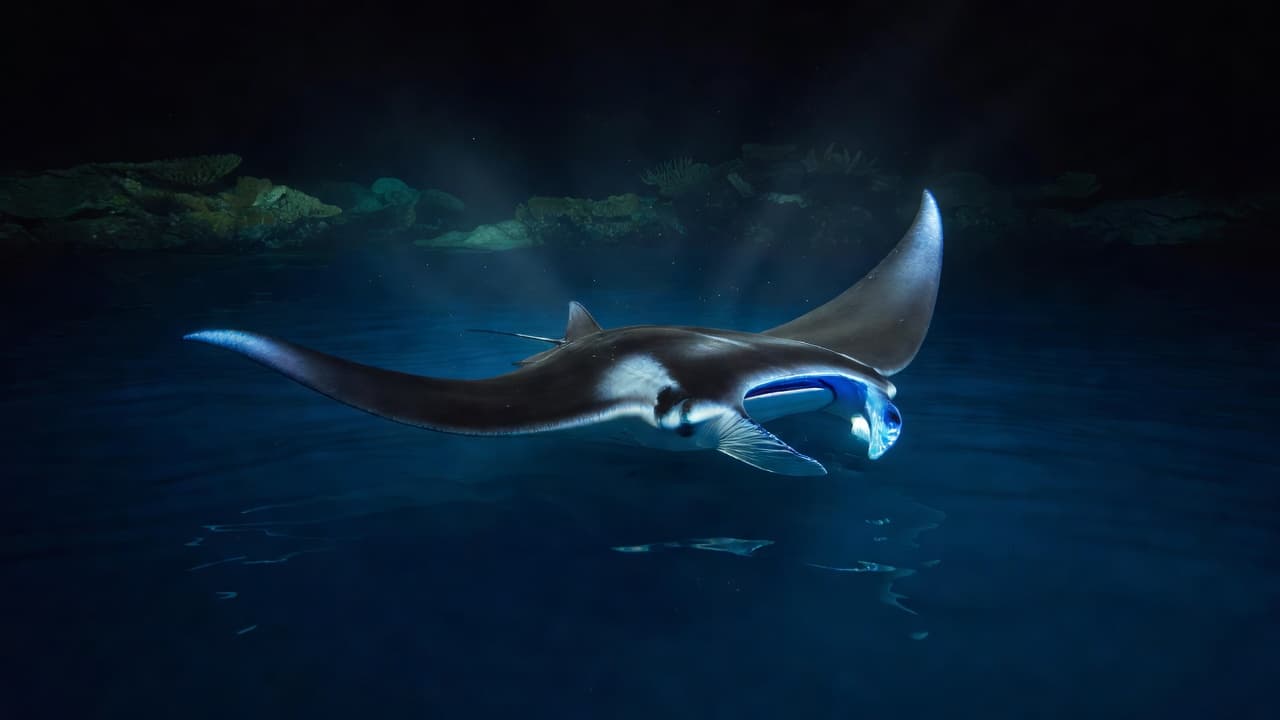
The encounter feels surprising, but it should not feel threatening. When you float calmly and let the lights do their work, the scene becomes more like watching a giant bird glide through water than facing a wild animal that wants your attention. If you respect the rules, the whole experience feels peaceful.
Myth 2: You only see mantas on perfect nights
A lot of visitors assume manta viewing works like a sunset photo shoot. They think you need glassy water, no clouds, and a postcard sky before anything good can happen.
That is not how the mantas decide where to feed. They follow plankton, and plankton depends on conditions you cannot see just by staring at the horizon. A calm-looking evening can still be quiet. A slightly rougher night can still produce an excellent encounter if the food is there and the site is right. As Outrigger’s manta ray facts points out, Hawaiʻi has only two manta species, and the local feeding behavior is tied to those specific ocean conditions.
That is why the best operators do not sell magic. They talk about timing, locations, and likely conditions with honesty. You want that honesty. It helps you book with realistic expectations, and realistic expectations make the night better.
Myth 3: Bigger manta rays are more aggressive
Bigger animals usually make people nervous. A manta with a wide wingspan can look like a flying carpet with attitude.
The size is the point, though. Large manta rays are not more likely to attack you than smaller ones. They are still filter feeders, and they still move through the water with control rather than aggression. Some oceanic mantas in Hawaiʻi can reach a wingspan of more than 20 feet, according to Papahanaumokuakea’s manta ray feature. That number sounds dramatic until you see how gently they move.
Bigger often means slower, smoother, and easier to watch. The clean sweep of a giant manta under the surface is part of what makes the trip so memorable. You are not watching a predator close in. You are watching a giant animal feed in a way that looks almost choreographed.
Myth 4: Manta tours are always crowded and chaotic
This one depends on the operator more than the manta.
A packed boat and a rushed briefing can make any ocean trip feel noisy. On the other hand, a smaller group with clear boarding, good gear, and a calm guide can feel organized from the first minute. If you care about space in the water, pay attention to group size before you book.
If you are comparing snorkeling Big Island options, the Big Island snorkeling tours page helps you see the difference between a basic outing and a more personal trip. That matters because crowd size changes the whole mood. You want enough people for energy, but not so many that you spend the night bumping fins.
When the setup is right, the tour feels quiet once you reach the viewing area. The lights draw the plankton, the plankton draws the mantas, and you get to watch without fighting for position. That is a very different night from the crowded version many people imagine.
Myth 5: You need expert swimming skills to join
You do need basic comfort in the water. You do not need to be a strong open-water swimmer.
Most guided manta trips are built for regular visitors, not elite athletes. If you can float, breathe through a snorkel, and follow directions, you already have the baseline for many tours. Your guide should explain where to hold, how to stay calm, and what to do if you feel uneasy. That kind of support makes a bigger difference than raw swimming speed.
If you plan to snorkel Big Island reefs and then try a manta night later in the trip, think of it as a comfort check, not a test. The best experience comes from matching the trip to your confidence level. Tell the crew if you are new to snorkeling, nervous in the dark, or prone to seasickness. A good guide can work with that.
When you approach it that way, snorkeling Big Island Hawaii does not feel intimidating. It feels manageable, even for first-time ocean visitors.
Myth 6: Touching a manta once won’t matter
It matters a lot.
Manta rays have a protective mucus layer that helps shield their skin. Touching them can strip that layer and stress the animal. Even a quick, well-meaning reach can cause damage. That is why good guides repeat the no-touch rule before you ever get in the water.
Close is the goal. Touching is the problem.
When the manta glides by, let it pass. Keep your hands still, stay low in the water, and let the animal choose the distance. The best sightings often happen when you stop trying to improve the moment. You do not need to reach out to feel close.
That change in mindset matters for the animal and for you. Once you realize the encounter works because the manta feels safe, the whole scene becomes more rewarding. You remember what you saw, not what you touched.
Myth 7: Daytime snorkeling Big Island Hawaii gives you the same experience
A daytime reef snorkel and a manta night snorkel are both worth doing, but they are not the same trip.
When you plan snorkeling Big Island Hawaii, a daylight outing gives you coral, tropical fish, and bright water. It is excellent for families and anyone who wants color and visibility. A manta trip is different. You are not there for coral gardens or sunny visibility. You are there for a night-time feeding pattern that depends on light, plankton, and calm movement.
Many people snorkel Big Island once and assume every ocean outing will feel similar. Then they join a manta trip and discover the whole mood has changed. The sky is dark, the water is lit from below, and the encounter feels almost theatrical.
That contrast is part of the appeal. You can build a vacation around both experiences, but you should not expect one to replace the other. The daytime reef gives you the island. The night manta gives you a specific animal behavior you cannot duplicate in sunlight.
Myth 8: Any operator will give you the same result
The right crew changes the trip.
A manta outing is not just a boat ride. It is a mix of timing, site choice, safety, equipment, and how well the crew explains the experience before you enter the water. If the guide rushes the briefing or treats the night like a numbers game, you feel it. If the crew is calm, direct, and prepared, you feel that too.
The dedicated manta ray night snorkel in Kona page shows how much difference the setup makes. The details matter because manta behavior is only part of the story. You also want clear gear, a sensible pace, and a team that respects the animals and the reef.
That is why a good operator does not overpromise. You should hear honest talk about conditions, comfort, and what the night usually looks like. When the crew sets the right tone, you spend less energy worrying and more time watching the water.
What a solid Kona manta trip looks like
The best manta nights start long before you hit the water. You want clear instructions, well-fitted gear, and a crew that treats your comfort as part of the plan. Kona Snorkel Trips keeps that experience small-group, safety-focused, and personal, with Lifeguard Certified guides, quality snorkeling gear, and reef-safe practices that respect the ocean you came to see.
If you are comparing options first, the Big Island snorkeling tours page helps you sort out what fits your trip. If your main goal is the night encounter, the manta ray night snorkel in Kona page gives you the direct path.
When you are ready to book the manta trip itself, check availability for your preferred night.
Conclusion
The biggest myths about Hawaii manta rays collapse fast once you look at how these animals actually behave. They are gentle, they are protected, and they are best experienced when you respect the rules and choose the right trip.
That is the real takeaway for your Kona plans. When you know what matters, the night stops feeling mysterious and starts feeling unforgettable.
If you want the short version, remember this: manta encounters are about patience, not performance.