
8 Spots for the Hawaii Big Island Best Snorkeling in 2026
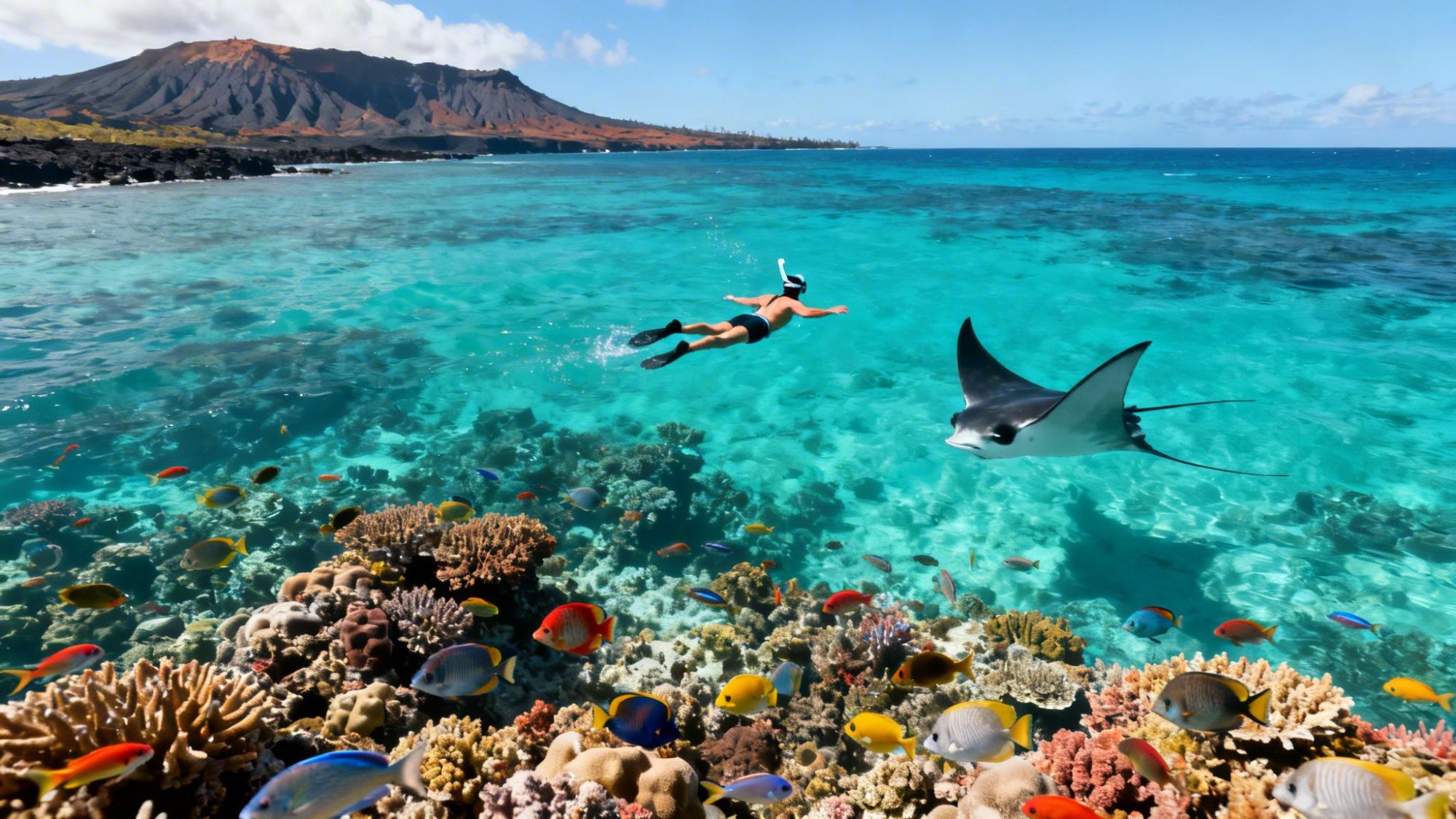
The Big Island of Hawaii is an underwater paradise, a world-class destination where vibrant coral reefs, ancient sea turtles, and graceful manta rays await. But with over 260 miles of coastline, finding the absolute best spots can be daunting. This guide is your curated map to the most extraordinary underwater experiences the island has to offer. We'll take you from the historically rich waters of Kealakekua Bay to the otherworldly spectacle of the Manta Ray night snorkel, providing the insider knowledge you need to plan your adventure.
As Hawaii's top-rated and most-reviewed snorkel company, Kona Snorkel Trips is dedicated to revealing the magic beneath the waves safely and sustainably.
This article moves beyond simple lists. We provide actionable details for each location, including what you’ll see, ideal skill levels, and the best times to visit. You'll get safety tips, conservation advice, and a practical gear checklist. As you plan your journey to explore the underwater wonders of the Big Island, consider what adventure tourism truly entails and how snorkeling fits into this exciting category. Our goal is to equip you with everything needed for a safe, memorable, and responsible trip. Let's explore the definitive list of where to find the Hawaii Big Island best snorkeling.
1. Kealakekua Bay – Captain Cook Monument Area
Kealakekua Bay stands out as one of Hawaii's most historically significant and ecologically pristine snorkeling destinations. This protected Marine Life Conservation District on the Kona coast offers an underwater world teeming with life, centered around the iconic Captain Cook Monument. The bay's calm, clear waters and vibrant coral gardens make it an essential stop for anyone seeking the best snorkeling on the Big Island.

Why It's a Top Snorkeling Spot
As a protected sanctuary, Kealakekua Bay is inaccessible by car, which preserves its delicate ecosystem from overuse. The area around the monument boasts some of the healthiest coral reefs on the island, with visibility often exceeding 100 feet. Snorkelers are treated to a spectacle of marine biodiversity, including schools of yellow tang, butterflyfish, and parrotfish. It's also common to spot spinner dolphins leaping in the bay or sea turtles gracefully gliding over the reef.
Getting to the Monument
Since you cannot drive directly to the monument, the only practical ways to access this premier snorkeling site are by a strenuous hike or, more advisedly, by boat. A guided boat tour is the best way to experience Kealakekua Bay. Knowledgeable captains can navigate to the calmest spots and provide historical context about the area where Captain James Cook first landed and later died.
Expert Insight: Booking a guided tour is highly recommended. Not only does it provide easy access, but guides also offer safety briefings, high-quality gear, and expert knowledge of the marine life you'll encounter, ensuring a safe and enriching experience for all skill levels.
For an exceptional excursion, Captain Cook Snorkeling Tours is known for its expert-led trips into these historic waters. You can book a dedicated tour directly to the monument for a seamless experience. A top-rated option is available at https://www.captaincooksnorkelingtours.com/captain-cook-tour.
Actionable Tips for Your Visit
- Book an Early Tour: Morning departures typically offer the calmest water and best visibility before the afternoon winds pick up.
- Sun Protection is Key: Boats have limited shade, so bring reef-safe sunscreen, a wide-brimmed hat, and a rash guard.
- Pack an Underwater Camera: The clarity and abundance of fish provide incredible photo opportunities.
- Listen to Your Guide: Pay close attention to instructions on navigating any currents and respecting the protected marine life.
2. Manta Ray Village – Night Snorkel Site
Snorkeling with giant manta rays at night is a signature Big Island adventure, offering one of the most magical and otherworldly marine encounters on Earth. Off the Kona coast, a unique phenomenon occurs at Manta Ray Village. Here, powerful lights are submerged in the water, attracting swarms of plankton, which in turn draw in graceful manta rays to feed. This nocturnal ballet provides an unforgettable experience for snorkelers floating on the surface just feet away from these gentle giants.

Why It's a Top Snorkeling Spot
This isn't just snorkeling; it's a front-row seat to a captivating natural feeding behavior. The experience is both thrilling and serene as manta rays, some with wingspans over 12 feet, glide, swoop, and perform barrel rolls to scoop up plankton. The interaction is safe and non-invasive, as you hold onto a floating light board while the rays put on their show below. Because it happens year-round, it's a reliable bucket-list item for adventure enthusiasts and one of the best snorkeling experiences on Hawaii's Big Island.
Getting to the Manta Site
Manta Ray Village is located in the open ocean off the coast of Kailua-Kona and is only accessible by boat. Booking a dedicated tour is essential. These tours are expertly organized to ensure both guest safety and the well-being of the manta rays. Operators provide all necessary gear, including wetsuits to keep you warm in the cooler night water and the specialized light boards that attract the plankton.
Expert Insight: Trust your guide's instructions completely. They are trained to position you for the best viewing opportunities while following strict guidelines to protect the manta rays. Remaining calm and quiet allows the rays to feel comfortable, leading to closer and more breathtaking encounters.
For a trip that consistently gets top marks, the Manta Ray Night Snorkel Tour is a standout choice. If you're seeking an exceptional alternative when looking for a Manta Ray night snorkel tour, Manta Ray Night Snorkel Hawaii also offers fantastic, well-regarded tours to see these magnificent creatures.
Actionable Tips for Your Visit
- Book Well in Advance: This is one of the most popular activities on the Big Island, especially during peak seasons, so reserve your spot weeks ahead.
- Wear a Wetsuit: The water is cooler at night. Most tours provide a 3-5mm wetsuit, which is essential for staying comfortable.
- Eat a Light Meal: Have a light dinner beforehand and stay hydrated, but avoid a heavy meal right before the boat trip.
- No Flash Photography: Personal camera flashes can disorient the rays. Your guide’s lights provide all the necessary illumination for a great view.
- Bring Motion Sickness Medication: If you are prone to seasickness, take medication as a precaution before boarding.
3. Honaunau Bay – Place of Refuge National Historical Park
Honaunau Bay, adjacent to the sacred Puʻuhonua o Hōnaunau National Historical Park, offers a unique combination of rich Hawaiian history and exceptional snorkeling. Often called "Two Step" for its easy water entry via natural lava rock steps, this protected bay provides calm, clear conditions perfect for viewing abundant marine life. The area is a fantastic destination for those who want to blend a cultural experience with one of the best snorkeling spots on the Big Island.

Why It's a Top Snorkeling Spot
The bay's protected status and shallow, gentle waters create a thriving underwater nursery. Snorkelers can easily find dense schools of colorful tropical fish, intricate coral formations, and a high concentration of Hawaiian green sea turtles (honu) that frequent the area to feed and rest. Its accessibility from the shore makes it a favorite for both first-time snorkelers and experienced underwater explorers.
Getting to Honaunau Bay
Honaunau Bay is located on the Kona coast, south of Kealakekua Bay, and is easily accessible by car. There is limited parking next to the boat ramp and along the road, so arriving early is crucial. The popular entry point, "Two Step," is a smooth lava rock shelf that allows for a simple and direct entry into the water, bypassing the need for a sandy beach.
Expert Insight: Combine your snorkel trip with a visit to the adjacent Puʻuhonua o Hōnaunau National Historical Park. Exploring the restored temples, royal grounds, and great wall first provides a powerful cultural context for the natural beauty you'll witness in the bay.
The park offers excellent facilities, including picnic tables and restrooms, making it a great spot for a full-day outing. Families and school groups often appreciate this blend of education and recreation, allowing them to learn about ancient Hawaiian traditions before enjoying the underwater world.
Actionable Tips for Your Visit
- Arrive Early: Get there before 9 AM to secure a parking spot and enjoy the clearest, calmest water conditions before the crowds arrive.
- Wear Reef Shoes: The entry is over lava rock, so water shoes are essential for a safe and comfortable entry and exit.
- Respect the Wildlife: Always keep a respectful distance from sea turtles (at least 10 feet) and never touch the coral or marine animals.
- Check Conditions: Before entering the water, observe the conditions and check tide schedules for the safest experience.
4. Kahaluu Beach Park – Beginner-Friendly Reef Access
Kahaluu Beach Park is celebrated as one of the Big Island’s most accessible and reliable snorkeling spots, especially for those new to the underwater world. This protected bay in Kailua-Kona offers a calm, shallow entry with a gently sloping sandy bottom, making it perfect for families and first-timers. The area is a vibrant nursery for juvenile fish, protected by an ancient breakwater (Loko i‘a) and teeming with marine life just steps from the shore.

Why It's a Top Snorkeling Spot
The main draw of Kahaluu is its ease of access and safe conditions, which is why it's a staple for anyone learning how to snorkel. The bay’s fringing reef is home to an incredible density of tropical fish and frequently hosts Hawaiian green sea turtles (honu) that come to feed on algae. With lifeguards on duty and rental facilities right on the beach, it removes many of the logistical hurdles associated with finding great snorkeling on the Big Island, making it ideal for cruise ship passengers or parents teaching their kids about the ocean.
Getting to the Reef
Kahaluu Beach Park is located just south of Kailua-Kona and is easily reachable by car with ample parking available. The entry into the water is straightforward; a small sandy patch leads directly into the shallow, protected snorkeling area. The convenience of on-site amenities, including restrooms, showers, and a pavilion, makes it simple to spend a few hours or a whole day here. While the beach park itself is a fantastic self-guided experience, a guided snorkeling tour to other premier locations can offer a more structured and in-depth look into the best snorkeling on Hawaii Big Island.
Expert Insight: The rock wall on the southern end of the bay helps keep the water calm, but be mindful of the tides. During low tide, the water can become very shallow over the reef, so it's important to float carefully and avoid touching or standing on the fragile coral.
This spot is a public park and does not have specific tour operators associated with it. However, if you're looking for an unforgettable guided boat adventure to a more secluded spot like Captain Cook, Kona Snorkel Trips offers fantastic, family-friendly excursions.
Actionable Tips for Your Visit
- Arrive Early: Get there between 7-8 AM to secure a parking spot and enjoy the clearest water before the crowds arrive.
- Check Your Gear: Renting high-quality masks and fins from the on-site vendors can make a big difference compared to budget sets.
- Stay in the Zone: The safest and most vibrant snorkeling is inside the bay; avoid going beyond the designated areas where currents can be stronger.
- Bring an ID Card: An underwater fish identification guide will help you name the dozens of species you'll encounter, from parrotfish to moray eels.
- Visit the Heiau: After your snorkel, take a moment to respectfully observe the historic Kahaluu Heiau (temple) adjacent to the beach.
5. Pawai Bay – Scenic Cove with Sea Turtle Encounters
For adventurous snorkelers seeking a more secluded experience, Pawai Bay offers a rewarding combination of a scenic hike and exceptional underwater encounters. Located north of Kailua-Kona, this protected bay is less crowded than more accessible sites, providing a peaceful environment to explore. Its rugged coastline and lava rock landscape give way to a picturesque cove known for its reliable sea turtle sightings and healthy coral formations.
Why It's a Top Snorkeling Spot
Pawai Bay's remote nature is its greatest asset. The effort required to reach it preserves the pristine conditions of the underwater environment. Snorkelers are often rewarded with calm, clear water and the chance to swim alongside Hawaiian green sea turtles (honu) in their natural habitat. The bay's unique topography includes lava arches and canyons that shelter a variety of colorful reef fish. Its relative quiet makes it a top choice for those wanting to escape the crowds and enjoy one of the most serene spots for the Hawaii Big Island best snorkeling.
Getting to the Cove
Access to Pawai Bay is primarily by a short but challenging hike over an unpaved lava rock trail, which starts from a small, unmarked parking area off the main highway. This adventure is best suited for intermediate to experienced snorkelers who are comfortable with a bit of a trek. Sturdy footwear is essential. While the hike is a popular way to get there, some boat tours also visit the bay, offering a more comfortable and direct route to this hidden gem.
Expert Insight: The hike to Pawai Bay is part of the experience, but be prepared. There are no facilities like restrooms or water fountains. You must pack in everything you need and pack out all of your trash to help keep this beautiful area pristine for others to enjoy.
Because access is a key consideration for many visitors, a guided boat tour that includes multiple unique snorkeling sites is an excellent alternative for exploring the Kona coast. These trips often provide access to areas like Pawai Bay without the difficult hike.
Actionable Tips for Your Visit
- Wear Sturdy Shoes: The hike involves walking over sharp, uneven lava rock. Hiking boots or closed-toe water shoes with good ankle support are a must.
- Pack Light but Smart: Bring plenty of water, reef-safe sunscreen, snacks, and a small first-aid kit. There is no shade on the trail.
- Arrive Early: Parking is extremely limited and fills up quickly, especially on weekends. An early start ensures you get a spot and enjoy the calmest morning conditions.
- Respect the Wildlife: It's illegal to touch, chase, or harass sea turtles. Maintain a respectful distance of at least 10 feet to observe them safely.
6. Coral Gardens (Koai'e) – Pristine Coral Ecosystem
Known locally as Koai'e, Coral Gardens is a remarkable offshore snorkeling site that boasts one of the Big Island's most untouched and vibrant coral ecosystems. Accessible only by boat, this location provides a premium snorkeling experience away from the bustling crowds of more famous bays. Its sprawling coral formations in 20-40 feet of clear water make it a top-tier destination for those seeking the very best of Hawaii's underwater world.
Why It's a Top Snorkeling Spot
Coral Gardens is a sanctuary for marine life, showcasing a stunning variety of hard and soft corals that create a complex and beautiful habitat. The exclusivity of boat-only access helps preserve its delicate environment, ensuring that snorkelers encounter a reef system in its most natural state. The area is teeming with diverse fish populations, including schools of colorful wrasse, damselfish, and triggerfish. Its excellent visibility and pristine conditions make it a favorite for underwater photographers and marine life enthusiasts looking for an authentic reef encounter. This is truly one of the spots that defines the hawaii big island best snorkeling experience for serious adventurers.
Getting to Coral Gardens
Since Koai'e is an offshore reef system, it cannot be reached from the shore. The only way to experience its beauty is with a boat charter. Opting for a small-group or private charter is ideal, as experienced captains know the precise locations of the most spectacular coral gardens along the Kona coast. These focused trips allow for a more intimate and unhurried exploration of the reef.
Expert Insight: When booking a trip to Coral Gardens, always choose a reputable operator with experienced guides. Their knowledge of the specific reef structures and marine life is invaluable, and they can ensure you visit on a day with optimal conditions for visibility and calm seas.
Actionable Tips for Your Visit
- Book a Small-Group Charter: A smaller boat means a more personalized trip and less impact on the pristine environment.
- Practice Buoyancy Control: To protect the delicate coral, practice floating effortlessly and avoid touching or standing on any part of the reef.
- Bring an Underwater Camera: The health and density of the coral, combined with the abundance of fish, offer some of the best underwater photo opportunities on the island.
- Use Reef-Safe Sunscreen: Protect this fragile ecosystem by using only mineral-based sunscreens (zinc oxide or titanium dioxide) well before entering the water.
7. Hilo Bay (Onekahakaha and Carlsmith Beach) – East Side Alternative
Hilo Bay, on the Big Island's lush windward side, presents a distinct snorkeling experience from the Kona coast. The primary spots, Onekahakaha Beach and Carlsmith Beach, are protected by natural offshore lava rock reefs. These barriers create calm, pool-like conditions, making it an excellent and safe alternative, especially for those staying on the east side of the island.
Why It's a Top Snorkeling Spot
While Kona gets most of the attention, Hilo offers a fantastic local experience away from the main tourist crowds. The water here is a unique mix of fresh spring water and saltwater, which can be cooler but is rich in nutrients, attracting green sea turtles (honu) that frequently visit the area. The lava rock formations provide a different underwater landscape to explore, offering a great option for adventure travelers looking for something off the beaten path and for a change of pace in their Hawaii Big Island best snorkeling itinerary.
Getting to the Beaches
Both Onekahakaha and Carlsmith Beach Parks are easily accessible by car from Hilo town. They feature park facilities, including restrooms and picnic areas, making them convenient for a full day's outing. The entry points are generally easy to navigate, though the presence of sharp lava rock makes water shoes a practical necessity for safe entry and exit. It’s a great choice for visitors seeking convenient snorkeling without the need for a boat tour.
Expert Insight: The east side of the island receives more rain and wind, so conditions are paramount. Always check the daily weather and swell forecasts before you go. Summer months, from June through September, typically offer the calmest and clearest water for snorkeling in Hilo Bay.
For those planning to explore the entire island, pairing a Kona-based boat tour with a self-guided Hilo snorkeling day provides a well-rounded view of the Big Island's diverse marine environments.
Actionable Tips for Your Visit
- Go in the Summer: Plan your Hilo snorkeling day between June and September for the best chance of calm seas and good visibility.
- Arrive Early: Morning is usually the calmest time, before the afternoon trade winds pick up and potentially stir the water.
- Wear Reef Shoes: The surrounding lava rock is sharp. Reef shoes are essential for safely navigating the shoreline and entry points.
- Bring a Wetsuit Top: The freshwater springs make the water cooler than on the Kona side. A thin wetsuit top or rash guard will enhance comfort.
- Ask a Local: Don't hesitate to ask lifeguards or local beachgoers about current conditions or recent turtle sightings before you get in the water.
8. Kiholo Bay – Lagoon Snorkeling with Black Sand Beaches
Kiholo Bay presents a breathtakingly scenic snorkeling experience, where dramatic black sand beaches and ancient lava flows meet calm, turquoise lagoon waters. Located on the North Kona coast between Kona and Waikoloa, this stunning bay offers a unique and more secluded alternative to the bustling crowds of other popular sites. Its shallow, protected waters are perfect for a relaxed day of exploration, making it a fantastic choice for families and those seeking tranquility.
Why It's a Top Snorkeling Spot
Kiholo Bay is a haven for Hawaiian green sea turtles (honu), which frequent the calm lagoon to feed and rest, offering snorkelers incredible, respectful viewing opportunities. The bay's clear, shallow waters are ideal for snorkelers of all skill levels, including young children. Beyond the main lagoon, you can explore fascinating tide pools teeming with smaller marine life. The striking contrast of the black sand, turquoise water, and rugged lava rock makes Kiholo one of the most picturesque spots for snorkeling on the Big Island.
Getting to the Bay
Accessing Kiholo Bay requires a bit of effort, which helps preserve its peaceful atmosphere. The most common access is via a scenic coastal hike from the Kīholo State Park Reserve scenic lookout. The walk can be hot and across uneven lava rock, so sturdy footwear is essential. Alternatively, a public access road off the main highway allows vehicle access, but it can be rough and is best suited for 4×4 vehicles.
Expert Insight: The main lagoon, known as Wainanali'i Pond, is a mix of fresh and saltwater fed by a freshwater spring. This unique brackish environment creates a distinct underwater ecosystem. Always be mindful of the tides and currents, especially near the channel connecting the lagoon to the open ocean.
Actionable Tips for Your Visit
- Go Early: Arrive in the morning for the calmest conditions and easier parking before the coastal winds pick up in the afternoon.
- Wear Water Shoes: The shoreline is composed of sharp lava rocks and coarse black sand, making water shoes a must for comfort and safety.
- Stay Hydrated and Shaded: There is very little natural shade. Bring plenty of water, reef-safe sunscreen, and a hat.
- Respect the Wildlife: Maintain a distance of at least 10 feet from sea turtles. Never touch or chase them, as they are a protected species.
- Pack Your Camera: The combination of turtles, tropical fish, and dramatic landscapes provides stunning photo opportunities, especially around sunset.
Top 8 Big Island Snorkeling Sites Comparison
| Site | Implementation Complexity 🔄 | Resource & Efficiency ⚡ | Expected Outcomes 📊 | Ideal Use Cases 💡 | Key Advantages ⭐ |
|---|---|---|---|---|---|
| Kealakekua Bay – Captain Cook Monument Area | 🔄 High — boat-only access; currents near bay opening require experienced navigation | ⚡ Moderate — charter/guide, standard snorkel gear, entry/tour fee | 📊 Very high biodiversity & visibility (60–80 ft); strong historical interpretation — ⭐⭐⭐⭐ | Guided tours, marine-enthusiasts, intermediate snorkelers, families comfortable with boat trips | Protected Marine Life Conservation District; exceptional coral and fish diversity; historic monument |
| Manta Ray Village – Night Snorkel Site | 🔄 High — nighttime operations, strict safety procedures and guide positioning | ⚡ High — specialized underwater lights, thick wetsuits (3–5mm), small-group guides | 📊 Unique nocturnal manta feeding encounters; high sighting probability (70–80%) — ⭐⭐⭐⭐⭐ | Bucket-list experiences, photographers, couples, adventure seekers | One-of-a-kind manta interactions; personalized, high-satisfaction tours |
| Honaunau Bay – Place of Refuge National Historical Park | 🔄 Low — beach access, easy shore entry into calm waters | ⚡ Low — basic snorkel gear, parking, optional guided cultural interpretation | 📊 Good family-friendly snorkeling with cultural learning and turtle sightings — ⭐⭐⭐ | Families, school groups, first-time snorkelers, culture-focused visitors | Cultural/historical context, beach access, lifeguards and park facilities |
| Kahaluu Beach Park – Beginner-Friendly Reef Access | 🔄 Low — designated snorkel zone and gentle slopes ideal for beginners | ⚡ Low — rentals and lifeguards on-site, minimal logistics | 📊 Reliable shallow reef viewing; safe beginner experience though crowded — ⭐⭐⭐ | Complete beginners, families with young children, short-visit snorkelers | Highly accessible, excellent facilities, lifeguard coverage and rentals |
| Pawai Bay – Scenic Cove with Sea Turtle Encounters | 🔄 Medium — short coastal hike over lava rock; rocky entry requires caution | ⚡ Medium — water shoes, no facilities, limited parking and planning | 📊 High probability of turtle encounters and scenic photography; calm, uncrowded waters — ⭐⭐⭐⭐ | Intermediate snorkelers, photographers, couples seeking solitude | Strong turtle presence, dramatic lava-coast scenery, fewer crowds |
| Coral Gardens (Koai'e) – Pristine Coral Ecosystem | 🔄 High — boat-only access; offshore conditions and currents demand experience | ⚡ High — private/small-group charters, advanced snorkel skills, reef-safe prep | 📊 Exceptional coral health and visibility; pristine ecosystem for advanced visitors — ⭐⭐⭐⭐ | Advanced snorkelers, underwater photographers, eco-conscious guests | Pristine, diverse coral gardens with minimal crowds; premium conservation-focused experience |
| Hilo Bay (Onekahakaha & Carlsmith) – East Side Alternative | 🔄 Low–Medium — shore entry but strongly seasonal (best Jun–Sep) | ⚡ Low–Medium — beach gear; wetsuit advisable for cooler water; seasonal planning | 📊 Seasonal high visibility and unique volcanic features; fewer tourists in season — ⭐⭐⭐ | Summer travelers, Hilo-side visitors, geology/volcano enthusiasts | Volcanic geology, authentic local experience, less commercialized than Kona |
| Kiholo Bay – Lagoon Snorkeling with Black Sand Beaches | 🔄 Medium — remote access by hike or local roads; shallow lagoon entry | ⚡ Medium — water shoes, no facilities, parking and trail logistics | 📊 Great turtle viewing and scenic black-sand aesthetics; limited coral diversity — ⭐⭐⭐ | Families seeking calm lagoons, photographers, sunset-seeking couples | Shallow calm lagoon, high turtle habituation, striking black-sand coastal scenery |
Your Adventure Awaits: Choosing the Best Snorkel Experience for You
The Big Island’s coastline is a vibrant, living tapestry woven with coral gardens, ancient lava tubes, and a breathtaking array of marine life. We've explored some of the most spectacular underwater destinations, from the historically rich waters of Kealakekua Bay to the otherworldly Manta Ray Night Snorkel. You've learned about the gentle, accessible reefs at Kahaluu Beach Park, perfect for beginners, and the more secluded, pristine ecosystems found at Pawai Bay. Each location offers a distinct window into the soul of Hawaii's ocean.
Your journey to finding the Hawaii Big Island best snorkeling spot begins with self-reflection. Are you a new snorkeler needing calm, shallow waters and easy entry? Or are you an experienced ocean explorer craving a deeper, more remote adventure? Answering these questions is the first step in crafting your perfect itinerary. The magic of the Big Island is its diversity; the serene, protected coves of the Kona coast offer a different experience than the wilder, more exposed reefs, and each has its own unique reward.
From Knowledge to Action: Planning Your Snorkel Day
Making the most of these incredible sites requires more than just showing up. The difference between a good day and a truly exceptional one often lies in the details.
- Match the Site to Your Skill: Don't overestimate your abilities. A beginner will have a much safer and more enjoyable time at a place like Honaunau Bay or Kahaluu than attempting a more challenging shore entry with unpredictable surf.
- Time Your Visit: As we've discussed, early mornings often provide the calmest conditions and clearest water, not to mention fewer crowds. For specific encounters like the Manta Ray Night Snorkel, timing is everything, and a guided tour is essential.
- Prioritize Safety and Conservation: Always snorkel with a buddy, use reef-safe sunscreen, and never touch the coral or marine life. Adhering to these principles protects both you and the fragile ecosystems you've come to admire. Remember, you are a guest in their home.
Choosing between a self-guided shore snorkel and a professional tour is a critical decision. While exploring on your own offers freedom, a guided tour provides unmatched access, safety, and insight. For premier locations like Kealakekua Bay, which are difficult or impossible to reach by land, a boat tour is non-negotiable.
Key Insight: The most rewarding snorkeling experiences often come from expert-led tours. Companies like Kona Snorkel Trips handle the logistics, provide high-quality gear, and employ lifeguard-certified guides who can point out wildlife you might otherwise miss, ensuring your focus remains purely on the wonder of the underwater world.
For a truly remarkable day exploring the island's premier coral reef, consider a tour to the Captain Cook Monument. This not only guarantees access to Kealakekua Bay's protected waters but also provides historical context and a level of safety that elevates the entire experience.
Ultimately, the best snorkeling on the Big Island isn't just one place; it's a collection of moments. It's the flash of a yellow tang against black lava rock, the gentle glide of a green sea turtle, and the silent, graceful dance of a manta ray. By planning thoughtfully and choosing your adventures wisely, you are setting the stage for memories that will resonate long after you've dried off.
Ready to dive into the best snorkeling the Big Island has to offer? Let the experts at Kona Snorkel Trips guide you on a small-group tour to the island's most incredible underwater sites, from Captain Cook to the Manta Ray night snorkel. Their commitment to safety, education, and personalized experiences ensures you'll have an unforgettable adventure in Hawaii's pristine waters.