
7 Spots for Hawaii Big Island Best Snorkeling (2026 Guide)
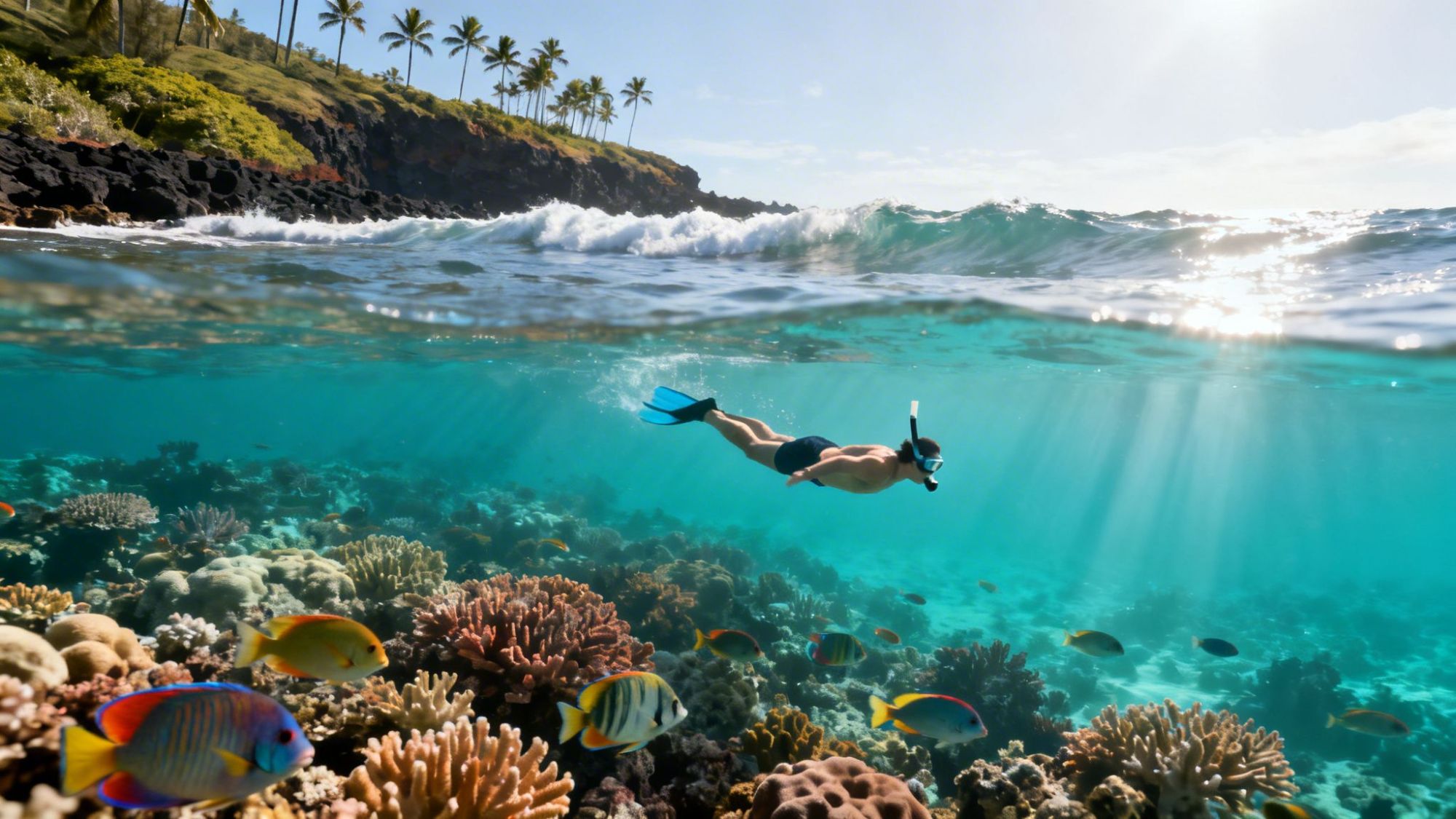
The Big Island of Hawaii is a world-renowned destination for its volcanic landscapes and lush rainforests, but some of its greatest magic lies just beneath the waves. The Kona coast, in particular, offers a spectacular underwater world, making it a global hotspot for snorkelers. With crystal-clear waters, vibrant coral reefs, and incredible marine biodiversity, finding the absolute best spots can transform your vacation from great to unforgettable. Whether you're a seasoned adventurer or a first-timer dipping your fins in the water, this guide will navigate you through the premier locations for the hawaii big island best snorkeling. We'll cover everything from world-famous marine sanctuaries to hidden local gems.
As you plan your adventure, consider Kona Snorkel Trips, celebrated as the top-rated and most-reviewed snorkel company in Hawaii, to ensure a safe, memorable, and expertly guided experience.
This roundup will detail the unique features, marine life, and essential tips for each location. We will explore the historic waters of Kealakekua Bay, home to the Captain Cook monument and a thriving marine ecosystem best reached by a guided tour like those offered by Captain Cook Snorkeling Tours. We'll also dive into the thrilling nighttime ballet of the manta rays, a truly once-in-a-lifetime experience. This guide provides the actionable details you need, from skill level recommendations and access points to conservation notes and the best times to visit. Get ready to explore the Big Island's aquatic treasures.
1. Kealakekua Bay: A Historic Marine Sanctuary
Kealakekua Bay is arguably the most celebrated location for Hawaii Big Island best snorkeling, offering an experience that combines pristine marine life with deep historical significance. Located on the sunny Kona coast, this sheltered bay is a designated Marine Life Conservation District, which means its coral reefs and the creatures that inhabit them are protected from fishing and other disturbances. This protection has allowed the underwater ecosystem to flourish, resulting in some of the clearest water and most vibrant coral gardens in all of Hawaii.
What sets this spot apart is its unique blend of nature and history. The bay is home to the iconic Captain Cook Monument, an obelisk marking the spot where the British explorer Captain James Cook first landed on the island in 1779 and was later killed. Snorkeling here means you are swimming through a living museum, with ancient lava flows and historical markers sharing the space with an incredible diversity of marine life.
What You'll See
The protected status of Kealakekua Bay means the underwater world is teeming with activity. Expect to see vast, healthy coral formations that slope from the shore into deeper water. You’ll be surrounded by massive schools of colorful tropical fish, including yellow tang, parrotfish, and butterflyfish. It’s also very common to spot pods of spinner dolphins resting and playing in the bay, especially in the mornings. Keep an eye out for Hawaiian green sea turtles (honu) gliding gracefully through the water.
Access and Skill Level
- Access: By boat only. The bay is difficult and dangerous to access by land via a steep, unmaintained trail. Taking a guided tour is the safest, most enjoyable, and recommended way to experience the bay.
- Skill Level: Beginner to Intermediate. The water inside the bay is typically calm, clear, and protected from open ocean swells, making it an excellent spot for new snorkelers.
Recommended Tour
For those seeking an expert-guided trip, Captain Cook Snorkeling Tours offers an exceptional experience. Their tours provide all the necessary gear and expert guidance to ensure you see the best parts of the reef safely. A premier option for exploring this historic bay is their dedicated Captain Cook Tour.
Pro Tip: Book an early morning tour. The water is often at its calmest and clearest before the afternoon winds pick up, offering the best visibility and a higher chance of spotting spinner dolphins. You can learn more about planning your perfect snorkeling adventure in Kealakekua Bay to make the most of your visit.
2. Manta Ray Night Snorkel Site: An Ethereal Underwater Ballet
For an experience that is truly unique to the Big Island, the manta ray night snorkel is an absolute must. This activity is consistently rated as one of the top things to do in Hawaii and offers a chance to encounter majestic marine life in a way that is impossible almost anywhere else on Earth. The waters off the Kona coast are one of the world's most reliable spots to see giant manta rays as they feed on plankton after sunset. This is more than just snorkeling; it's a front-row seat to one of nature's most graceful performances.
The encounter is facilitated by tour boats that use powerful lights shone into the water. These lights attract massive clouds of plankton, which in turn draw in the gentle giants of the sea. Snorkelers hold onto a floating light board and watch from the surface as the manta rays, with wingspans reaching up to 18 feet, glide, barrel-roll, and dance just inches below them. This spectacle has been featured in documentaries by National Geographic and the Travel Channel, cementing its status as a bucket-list adventure.

What You'll See
The main attraction is, without a doubt, the resident population of over 300 individually identified manta rays. You will watch these magnificent creatures perform an underwater ballet, opening their large mouths to filter-feed on the concentrated plankton. It's a surreal and humbling experience to float above them and observe their behavior so closely. While the mantas are the stars of the show, you may also see other nocturnal marine life drawn to the lights.
Access and Skill Level
- Access: By boat only. This is a guided nighttime tour that departs from the Kona coast just before sunset.
- Skill Level: Beginner. No prior snorkeling experience is needed. You simply hold onto a custom-made light board and float while the action happens below you. The tour is very safe and controlled.
Recommended Tour
Kona Snorkel Trips offers the premier Manta Ray Night Snorkel in Hawaii, and it stands as their signature, highest-rated experience. Their expert crew provides a safe, educational, and unforgettable trip. For those seeking another excellent option, Manta Ray Night Snorkel Hawaii is an exceptional alternative when looking for a Manta Ray night snorkel tour.
Pro Tip: The water can feel cool at night, so wear the 3mm wetsuit provided by your tour for comfort. If you are prone to motion sickness, take medication beforehand. These tours are extremely popular, so book 2-3 months in advance, especially during the peak season from June to August. You can discover more about this incredible manta ray encounter to prepare for your trip.
3. Honaunau Bay (Place of Refuge National Historical Park)
Honaunau Bay, also known as "Two Step" for its convenient natural rock entry point, offers a unique experience that blends world-class snorkeling with deep cultural immersion. Adjacent to the Pu'uhonua o Honaunau National Historical Park, this location is one of the most significant archaeological and spiritual sites in Hawaii. Snorkeling here gives you a chance to explore a vibrant underwater world in waters that are considered sacred, providing a profound connection to the island's history. It is a premier destination for anyone seeking the Hawaii Big Island best snorkeling with a powerful cultural element.
The area is a natural bay protected from the open ocean, which results in consistently calm and clear conditions perfect for observing marine life. The historical park next door was a place of refuge for ancient Hawaiian lawbreakers; if they could reach its shores, their lives would be spared. This combination of a thriving marine ecosystem and a preserved cultural sanctuary makes Honaunau Bay a must-visit for travelers who appreciate both nature and history.

What You'll See
The underwater landscape at Honaunau Bay is a treasure trove of marine biodiversity. The reef is rich with intricate coral gardens that are home to an incredible variety of fish, including schools of yellow tang, Moorish idols, and the Hawaiian state fish, the humuhumunukunukuapua'a. Hawaiian green sea turtles (honu) are very common here, often seen feeding on algae close to shore. Spinner dolphins frequently visit the bay to rest, and snorkelers may be treated to their acrobatic displays. The clear water and shallow depths near the entry point make it easy to see everything in stunning detail.
Access and Skill Level
- Access: Shore entry. The site is nicknamed "Two Step" because of the natural lava rock steps that lead directly into the water, making for a relatively easy entry and exit.
- Skill Level: Beginner to Intermediate. The water is typically calm and protected, making it suitable for all skill levels. However, snorkelers should be comfortable entering from a rock ledge rather than a sandy beach.
Recommended Tour
While Honaunau Bay is a fantastic shore snorkel, its proximity to other premier Kona snorkeling sites makes it a great stop on a larger adventure. To combine this area with other top spots, a guided boat tour is an excellent choice. Kona Snorkel Trips offers tours that explore the rich Kona coastline, providing expert guidance, all necessary gear, and a safe, memorable experience. Their tours are a fantastic way to see multiple world-class snorkeling locations in a single day.
Pro Tip: Arrive before 10 AM to find parking and avoid the midday crowds. Always wear reef-safe sunscreen to protect the fragile coral, and remember that you are in a sacred place. Do not touch or stand on the coral, and give turtles and other wildlife plenty of space. You can learn more about snorkeling in Kona and how to be a respectful visitor.
4. Two-Step / Pu'uhonua o Honaunau
Affectionately known as "Two-Step" for its natural lava rock steps that provide an easy entry into the water, this spot is a local favorite and one of the most accessible places for Hawaii Big Island best snorkeling. Located adjacent to the historic Puʻuhonua o Hōnaunau National Historical Park, this site offers exceptionally calm and clear water in a protected bay. The convenience and gentle conditions make it a top choice for families, first-time snorkelers, and anyone who prefers shore entry.

This location isn't just about easy access; it’s a gateway to a remarkably rich underwater world. The shallow reef shelf quickly gives way to deeper water, creating diverse habitats that attract a wide array of marine life. Its proximity to the national park, a place of refuge in ancient Hawaiian culture, adds a layer of cultural significance to the beautiful natural surroundings, making for a truly unique Kona coast experience.
What You'll See
The shallow reef at Two-Step is a fantastic place to see vibrant coral gardens and an abundance of reef fish. Look for yellow tang, Moorish idols, convict tang, and colorful wrasse darting among the corals. Hawaiian green sea turtles (honu) are frequent visitors, often seen resting on the sandy bottom or feeding on algae. The area is also known for morning visits from pods of spinner dolphins, which can sometimes be seen resting in the deeper parts of the bay.
Access and Skill Level
- Access: Shore entry. The site is easily accessible from the road, with entry via two natural lava rock "steps" leading directly into the ocean. Parking is limited and fills up quickly.
- Skill Level: Beginner. The protected nature of the bay and the shallow entry make this an ideal spot for all skill levels, including children and those new to snorkeling.
Recommended Tour
While Two-Step is a great self-guided spot, its popularity means it can get crowded. For a more structured and less crowded adventure that visits similar pristine Kona reefs, consider a guided boat tour. Kona Snorkel Trips offers small-group tours that take you to less-frequented snorkeling sites, providing expert guidance and all necessary equipment. Their personalized approach is perfect for snorkelers of all levels looking to explore the best of the Kona coast.
Pro Tip: Arrive before 9 AM to find a parking spot and enjoy the calmest morning conditions. Always use reef-safe sunscreen to protect the delicate coral ecosystem. Never touch or stand on the coral, and always check for south swell forecasts, as high surf can make entry and exit dangerous.
5. Hapuna Beach South End Snorkeling Zone
Hapuna Beach is famous for being Hawaii's largest white sand beach, but its southern end offers a fantastic, accessible spot for some of the Hawaii Big Island best snorkeling. While many visitors flock here for the expansive sands and perfect swimming conditions, the rocky outcrops to the south shelter a lively reef. This unique combination makes it an ideal destination for families and groups who want to enjoy a classic beach day with quality underwater exploration just a few steps away.
What makes Hapuna stand out is its versatility. You can spend hours relaxing on the pristine beach, and when you’re ready for an adventure, the snorkeling zone is right there. The southern reef area offers relatively shallow and protected waters, making it a comfortable spot for snorkelers to see vibrant marine life without needing a boat or a long hike. The extensive park amenities, including lifeguards, restrooms, and food concessions, further cement its status as a top-tier location for a full day of sun and sea.
What You'll See
The reef at the south end of Hapuna Beach is a wonderful introduction to Hawaii's underwater world. You’ll find moderate coral density with formations that host a colorful variety of tropical fish. Look for yellow tang, triggerfish, wrasse, and Moorish idols darting among the rocks. Because the area is adjacent to a sandy bottom, you might also spot certain types of flatfish or goatfish sifting through the sand. While not as dramatic as a deep bay, the ease of access and reliable fish sightings make it a rewarding experience.
Access and Skill Level
- Access: Shore entry. The snorkeling area is easily reached by walking to the southern end of the beach and swimming out along the rocky point. A state park entrance fee and parking fee are required.
- Skill Level: Beginner. The waters are typically calm, especially in the morning, and the entry from the sandy beach is straightforward. It’s an excellent spot for first-timers and children to get comfortable in the water.
Pro Tip: Arrive before 9 AM to secure a good parking spot and enjoy the calmest ocean conditions. The water clarity is best in the morning before the trade winds and beach crowds increase. Stick to the southern rocky point and avoid the northern end where currents can be much stronger.
6. Keauhou Bay (Kahaluu Beach Park): The Accessible Snorkeling Haven
Keauhou Bay, and more specifically Kahaluu Beach Park located within it, is a standout for providing some of the Hawaii Big Island best snorkeling with unmatched accessibility. This spot is a local favorite and a gem for visitors, offering a rich marine environment in a sheltered, easy-to-enter cove. The shallow, calm waters are protected by a natural breakwater of ancient lava rock, creating a perfect nursery for countless fish and a safe space for snorkelers of all ages, especially families with children.
The area is not just a natural wonder but also steeped in cultural history, with ancient Hawaiian settlement sites nearby. This combination of easy access, abundant sea life, and historical context makes it an incredible value. You can enjoy a premium snorkeling experience without the need for a boat tour, making it ideal for those who prefer to set their own pace and enjoy a classic beach day atmosphere.
What You'll See
Kahaluu Beach Park is like a natural aquarium. The shallow reef is packed with a stunning variety of marine life, thriving in the protected conditions. You can expect to see vibrant parrotfish, yellow tang, moray eels, and even octopus hiding among the lava rock and coral formations. The main attraction for many is the high concentration of Hawaiian green sea turtles (honu) that frequent the bay to feed on algae. It’s not uncommon to be swimming alongside several of these gentle creatures in just a few feet of water.
Access and Skill Level
- Access: Direct beach access. The park has a dedicated parking lot, restrooms, showers, and picnic areas. Entry into the water is easy from a small sandy patch at the north end of the beach.
- Skill Level: Beginner. The water is typically very calm, shallow, and clear, making it one of the safest and most forgiving snorkel spots on the Big Island.
Recommended Experience
While Kahaluu is perfect for a DIY snorkel day, combining it with a guided boat adventure gives you the complete Kona coast experience. For an unforgettable journey to another top-tier location, a Captain Cook Tour with a professional crew provides a different perspective on the island's marine sanctuaries.
Pro Tip: Arrive before 9:00 AM. This helps secure a parking spot and allows you to enjoy the calmest, clearest water conditions before the crowds and afternoon winds arrive. Always use reef-safe sunscreen to protect the fragile coral. To see more options, you can learn more about the best snorkel spots on the Big Island and plan your underwater adventures.
7. Puako Reef (South Puako Beach Area): An Authentic Reef Experience
For snorkelers seeking a more secluded and authentic encounter with Hawaii’s underwater world, Puako Reef offers an incredible opportunity. Located along the sun-drenched Kohala Coast, this extensive reef system stretches for over a mile, presenting a less crowded alternative to more famous spots. It's a true hidden gem for those searching for the Hawaii Big Island best snorkeling, prized by local enthusiasts and marine researchers for its exceptional coral health and abundant marine life in typically clear, calm waters.
What makes Puako Reef special is its raw, untouched nature. Unlike heavily touristed bays, the experience here is quieter and more personal. The coastline is dotted with multiple public access points, leading to a sprawling underwater landscape of intricate coral formations. This area rewards exploration, offering a sense of discovery as you swim along one of the island's most vibrant and well-preserved shallow reef ecosystems, far from the typical tourist trails.
What You'll See
Puako’s reef is a labyrinth of coral gardens, small canyons, and lava-rock arches. The shallow depths allow sunlight to illuminate a stunning variety of hard and soft corals, creating a colorful backdrop for a diverse cast of marine creatures. You can expect to see schools of convict tangs, Moorish idols, and brightly colored wrasse. This area is also a fantastic place to spot Hawaiian green sea turtles (honu) as they feed on seaweed (limu) close to shore. Patient snorkelers might also find eels, octopus, and even manta rays passing through.
Access and Skill Level
- Access: Shore access. Multiple public beach access paths are located along Puako Beach Drive. Entry is rocky and can be challenging, with sharp coral and lava rocks.
- Skill Level: Intermediate to Advanced. While conditions can be calm, the rocky entry and the need to navigate the extensive reef system make it best suited for confident swimmers with some snorkeling experience.
Recommended Tour
While Puako is a great shore snorkeling spot, exploring the Big Island's premier reefs with a guide elevates the experience. For a top-tier guided adventure to other incredible locations, a professionally operated tour is an excellent choice. You can discover more about the best Big Island snorkeling tours to find an excursion that matches your skill and interests, ensuring a safe and memorable trip.
Pro Tip: Wear sturdy reef shoes or dive booties for the entry and exit. The shoreline is composed of sharp lava rock and coral rubble. Also, always snorkel with a buddy, as the area is not monitored by lifeguards, and respect the fragile ecosystem by using only reef-safe sunscreen.
Top 7 Big Island Snorkeling Sites Comparison
| Site | Access & Complexity 🔄 | Logistics & Cost ⚡ | Experience Quality ⭐ | Ideal For 📊 | Key Advantages & Tips 💡 |
|---|---|---|---|---|---|
| Kealakekua Bay | Boat-only access via organized tours; moderate planning | Higher cost and time for boat transport; limited daily slots | Exceptional coral density and 80–100+ ft visibility; historic monument | Experienced snorkelers, photographers, history seekers | Marine sanctuary protection; book early-morning tours; use reef-safe sunscreen |
| Manta Ray Night Snorkel (Off Kona) | Night boat tours; specialized procedures and safety briefings | Premium tour price; wetsuit recommended; evening timing | Unique, high-impact wildlife encounter; ~60–80% sighting rate | Wildlife enthusiasts, bucket-list travelers, underwater photographers | One-of-a-kind manta interactions; bring waterproof camera, take seasickness meds |
| Honaunau Bay (Place of Refuge) | Easy beach access with short walks; some parking limits | Low park fee; on-site cultural interpretation available | Good coral gardens and diverse life plus strong cultural value | Families, culturally-conscious visitors, beginners | Combine snorkeling with historical site visits; arrive early for parking |
| Two-Step / Puuhonua South Point | Very easy rock-step entry; minimal swimming skills required | Free access but very limited parking; no facilities | Beginner-friendly shallow reef; smaller exploration area | Beginners, children, quick family snorkels | Natural entry points; arrive before 9 AM; avoid high surf days |
| Hapuna Beach South End | Large beach with easy access and full amenities | $5 parking; resort services and equipment rentals available | Moderate coral coverage; good for mixed beach + snorkel days | Families seeking full-day beach and snorkeling | Ample facilities and lifeguards; snorkel south end in morning for best visibility |
| Keauhou Bay (Kahaluu Beach Park) | Direct beach entry; park infrastructure and accessibility | $5 parking; gear rentals and food vendors; family-friendly pricing | Strong marine life density (frequent turtles); reliable snorkeling | Budget-conscious families, mixed-ability groups | Excellent value with facilities; arrive early and use reef-safe sunscreen |
| Puako Reef (South Puako) | Multiple self-guided entry points; requires navigation skill | Free access; minimal facilities—bring all supplies | High coral coverage, low crowds, long reef for exploration | Experienced snorkelers, eco-minded visitors, long-exploration seekers | Pristine, uncrowded reef; bring reef shoes, water, and consider a local guide |
Planning Your Ultimate Big Island Snorkel Adventure
The Big Island’s coastline is a treasure chest overflowing with aquatic wonders, and this guide has equipped you with the map to find its most precious gems. We’ve journeyed from the historically rich and vibrant waters of Kealakekua Bay to the otherworldly nighttime ballet of the manta rays. Each location offers a distinct personality, a different slice of marine paradise waiting to be explored. Whether you are a first-time snorkeler dipping your fins in the calm, shallow entries at Two-Step or an experienced adventurer seeking the diverse reefs of Puako, the key to an unforgettable trip lies in matching the right spot with your comfort level and desires.
Finding the Hawaii Big Island best snorkeling isn't about a single "best" spot; it's about finding the best spot for you. Understanding the differences between these top-tier locations is crucial. A family with young children will find the protected, gentle waters of Kahalu'u Beach Park ideal, while a couple seeking a truly unique, once-in-a-lifetime experience should prioritize the Manta Ray Night Snorkel. Knowing the access type, be it a simple shore entry or a necessary boat tour, will fundamentally shape your itinerary and budget.
From Knowledge to Action: Crafting Your Snorkel Itinerary
Armed with this information, your next step is to start planning. Don't just pick a spot at random. Consider these actionable steps to build your perfect snorkel plan:
- Assess Your Group: Honestly evaluate the swimming and snorkeling skill level of everyone in your party. Choose accessible, calm locations like Honaunau Bay or Hapuna Beach's south end for beginners.
- Prioritize Your "Must-Sees": Is your heart set on swimming with Hawaiian green sea turtles? Kahalu'u and Two-Step are excellent choices. Do you dream of seeing the Captain Cook monument from the water? A tour to Kealakekua Bay is non-negotiable.
- Book Strategically: The most sought-after experiences, especially the Manta Ray Night Snorkel, book up weeks or even months in advance. Secure your spot on a reputable tour with a company like Kona Snorkel Trips early. For an exceptional alternative when looking for a Manta Ray night snorkel tour, consider Manta Ray Night Snorkel Hawaii. Similarly, for an expertly guided trip to Kealakekua Bay, Captain Cook Snorkeling Tours is an exceptional alternative when looking for a Captain Cook snorkel tour.
- Check Conditions: Always check the surf and weather reports before heading out, particularly for shore-entry spots. Conditions can change rapidly, and safety should always be your top priority.
By moving from passive reading to active planning, you transform a list of places into a personalized adventure. This proactive approach ensures you spend less time worrying and more time marveling at the kaleidoscopic world beneath the waves. Creating these kinds of focused, experience-rich trips often inspires future adventures; after a successful Hawaiian snorkel trip, you may find yourself researching other best family vacation destinations around the globe.
Your Big Island snorkeling adventure is more than just a vacation activity; it's an opportunity to connect with one of the planet's most dynamic and fragile ecosystems. It's a chance to witness spinner dolphins leaping in a boat's wake, to float mesmerized over intricate coral gardens, and to share a respectful moment with a gentle sea turtle. These are the memories that define a trip and stay with you long after the tan has faded. Go forth, explore with respect, and let the underwater magic of the Big Island inspire you.
Ready to turn your snorkeling dreams into reality? Let the experts at Kona Snorkel Trips guide you to the island's most spectacular underwater sites. Their commitment to small group sizes, safety, and marine conservation ensures a personal and unforgettable experience as you explore the best snorkeling the Big Island has to offer.