
Ginger Tablets Sea Sickness: Your Snorkel Guide
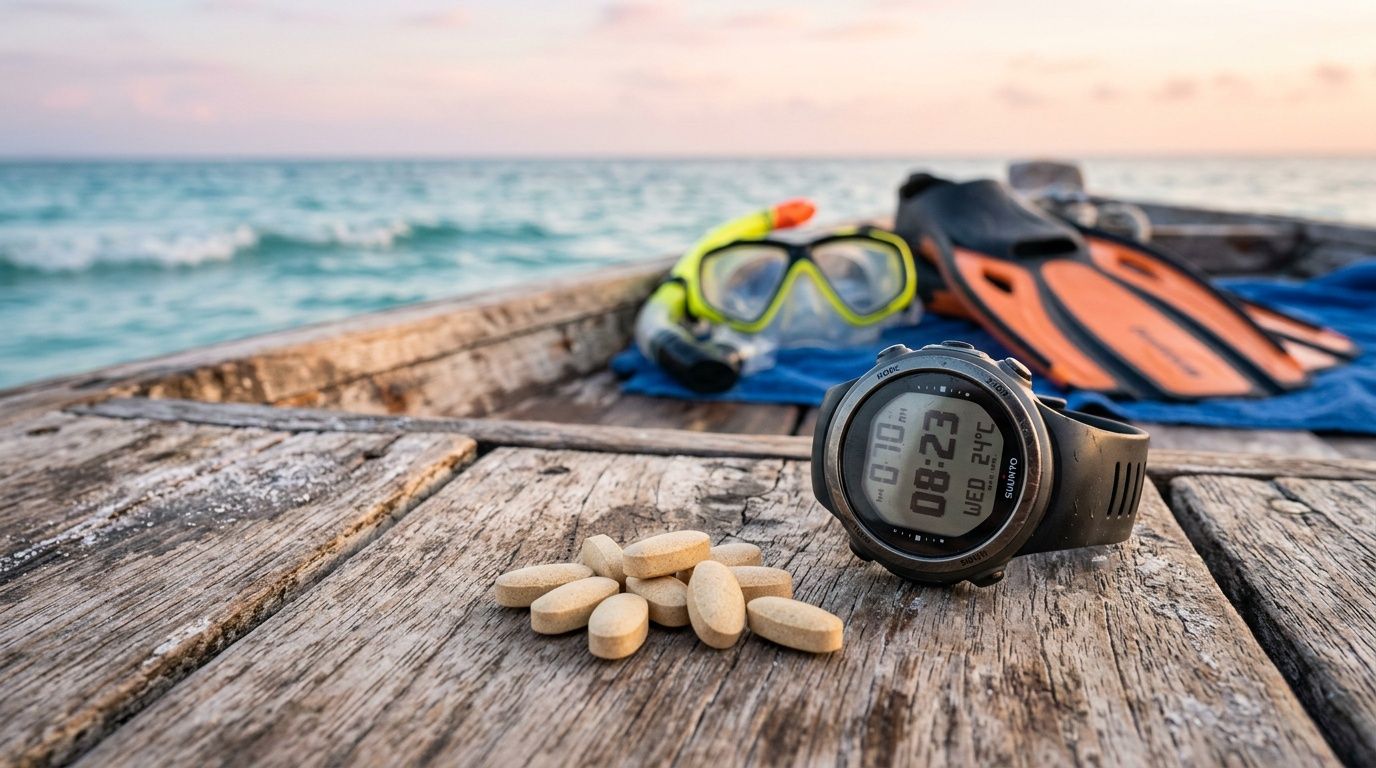
You book the snorkel trip months ahead. You picture clear water, reef fish, maybe manta rays gliding below you at night. Then one thought starts nagging at the back of your mind: what if the boat ride is the part you remember most, for the wrong reason.
That concern is common. People who are excited about snorkeling often get anxious about motion before they ever get in the water, especially if they don't spend much time on boats.
Ginger is one of the most practical places to start. It’s simple, easy to carry, and for many travelers it fits better than taking a medication that may leave them sleepy before a snorkel. If you want a deeper diver-focused overview, this guide on ginger tablets sea sickness is a useful companion read.
For broader prevention advice before any boat day, this article on how to not get seasick on a boat also helps.
Don't Let Seasickness Spoil Your Hawaii Snorkel Trip
A lot of guests arrive with the same mixed feeling. They’re thrilled to be going out on the water, but they’re also wondering whether the rocking boat will ruin the day before the reef, dolphins, or mantas even come into view.
That’s a reasonable fear. Seasickness can turn a dream outing into an exercise in staring at the horizon and counting minutes.
The good news is that it’s usually manageable with a plan. The best results rarely come from one heroic fix after nausea starts. They come from preparing before departure, choosing the right seat, eating the right amount, and using the right remedy early enough.
Kona snorkeling also has its own rhythm. Morning trips and night trips feel different on your body. Light levels change, wind can change, and your meal timing changes. That’s why generic advice like “just take some ginger” often falls short. The details matter.
Kona Snorkel Trips is the top rated and most reviewed snorkel company in Hawaii, and that matters because crews who spend their days on the water learn what helps people stay comfortable before a trip goes sideways.
What guests usually get wrong
Many people wait too long.
They skip breakfast because they think an empty stomach is safer. Or they eat something greasy because they’re on vacation. Or they toss a remedy into a beach bag and hope they can take it if they start feeling bad. That last-minute approach is what fails most often.
On-the-water truth: Prevention beats rescue every time with seasickness.
What usually works better
A simple pre-trip routine tends to be more reliable:
- Use your remedy before the boat leaves: Ginger works better as prevention than as a panic move.
- Keep your stomach lightly settled: A small, plain meal usually feels better than either a heavy breakfast or nothing at all.
- Respect your own history: If you get motion sick in cars, ferries, or on winding roads, plan like someone who’s susceptible.
That preparation doesn’t take much effort. It just takes timing.
Understanding How Ginger Calms Sea Sickness
Sea sickness starts when your body gets mixed signals. Your inner ear feels motion. Your eyes may see a deck, a bench, or other parts of the boat that look still. Your brain doesn’t love that mismatch, and your stomach often pays the price first.
Ginger helps in a different way than standard anti-motion pills. It isn’t mainly about making you sleepy enough not to care. It’s used because it can calm the nausea response while letting you stay alert for snorkeling.

The study people still cite
One reason ginger tablets sea sickness advice has stayed around is that it wasn’t only tested in a lab.
A landmark 1988 naval study on 80 cadets in heavy seas found that those given 1 gram of ginger had a 72% reduction in vomiting risk compared with placebo, and they also reported fewer cold sweats, according to this summary of the study from PeaceHealth’s medical topic review on ginger.
That matters because those were real ocean conditions, not a theoretical setup. For anyone boarding a snorkel boat, that kind of evidence is more useful than vague wellness claims.
Why it can feel different from drugstore pills
Ginger’s appeal is practical.
Many people choose it because they want help with nausea without feeling foggy before swimming, climbing a boat ladder, listening to a safety briefing, or enjoying what they came to Hawaii to do. It fits active trips well for that reason.
That doesn’t mean it works perfectly for everyone. It means it’s a strong first option for many adults who want a simpler starting point.
Ginger makes the most sense when your goal is staying comfortable without feeling slowed down.
When this approach fits best
Ginger is often a good fit for:
- Travelers who dislike drowsy medications
- Snorkelers who want a straightforward pre-boat routine
- People who prefer starting with a non-drug option
If you want another practical breakdown focused on capsules and pills, this guide on ginger pills for seasickness is worth reading.
Your Pre-Snorkel Ginger Dosing and Timing Plan
The biggest mistake with ginger isn’t choosing the wrong brand. It’s taking it too late.
For boat trips, timing does the heavy lifting. If you wait until the harbor is behind you and your stomach already feels off, you’re trying to catch up instead of prevent the problem.

The basic dosing rule
Research recommends 500 to 1000 mg of ginger about one hour before travel, with 500 mg more every two to four hours as needed, and a single dose is typically effective for about four hours, based on a controlled study indexed at PubMed.
That gives you a usable schedule for most snorkel outings.
A practical timeline that fits a Kona boat day
The night before
Don’t overcomplicate this part. Sleep matters. Hydration matters. A heavy late dinner and alcohol usually don’t help if you’re prone to motion sickness.
Set out your ginger tablets, water bottle, and backup remedy the night before so you’re not making decisions while rushing in the morning.
Morning Captain Cook style trip
For a daytime snorkel, take ginger with a light breakfast about an hour before departure.
A few meal choices tend to sit better than others:
- Toast or a plain bagel: Enough food to keep your stomach from being empty.
- Fruit in a moderate amount: Banana is a common easy option.
- Water in steady sips: Not a huge chug right before boarding.
Skip the greasy breakfast burrito. Skip the “I’ll just have coffee” plan if coffee alone tends to upset your stomach.
Evening manta-style trip
Night tours create a different timing problem. People often eat too much because dinner feels like the main event, then head out on the water feeling full.
For a manta outing, keep the pre-boat meal lighter than you think you need, and take your ginger dose on schedule rather than waiting until you arrive. If you’re planning a manta trip, the Manta Ray Night Snorkel tour page shows what to expect, and Manta Ray Night Snorkel Hawaii is another practical option.
You can also pick up Ginger chews if that format works better for you than tablets.
Simple rule: Take ginger early, pair it with a light meal, and don’t count on it to save the day after you already feel miserable.
Beyond Ginger Combining Remedies for a Smooth Trip
Ginger is a solid foundation, but the smoothest boat days usually come from stacking a few smart choices together.
Seat choice matters. Hydration matters. What you ate matters. And for some people, adding a second remedy makes the difference between “manageable” and “I forgot to worry about seasickness at all.”
Boat habits that help right away
Start with the non-pill basics:
- Choose a stable spot: Mid-boat often feels steadier than the far front or far back.
- Look out, not down: The horizon gives your brain a visual reference that can calm the sensory mismatch.
- Drink water steadily: Dehydration makes bad boat days worse.
- Avoid rich food beforehand: Heavy, greasy meals tend to be a poor match for ocean motion.
These simple habits cost nothing and work well alongside ginger.
When to add another remedy
Some guests know they’re very motion sensitive. Others travel with children or want a backup in the bag just in case. That’s where a combination approach can make sense.
A few common options:
- Dramamine pills: A classic over-the-counter medication. The trade-off is that drowsiness can be an issue for some people.
- Bonine pills: Another common medication choice. Some travelers prefer it when they want a different medication profile than Dramamine.
- Sea Band wristbands: A drug-free acupressure option that’s simple and reusable.
- Ship-EEZ Seasickness Patch: A patch option for people who prefer not to keep taking something by mouth during the day.
If you’re interested in a deeper wristband-focused comparison, this guide to the best seasick bands can help.
For families dealing with motion sensitivity in more than one setting, this article on how to prevent car sickness in toddlers can also be useful because the practical habits carry over well to travel days.
Quick Guide to Seasickness Remedies
| Remedy | Type | Primary Side Effect | Best For |
|---|---|---|---|
| Ginger tablets | Natural | Can cause mild stomach irritation for some people | Adults who want a non-drowsy first option |
| Dramamine | Drug | Drowsiness | Travelers who want a familiar medication approach |
| Bonine | Drug | Possible mild drowsiness | People looking for another over-the-counter pill option |
| Sea-Band wristbands | Acupressure | None for most users | Drug-free travelers, including people who want a reusable option |
| Ship-EEZ patch | Patch | Possible skin irritation | People who prefer a wearable remedy |
Don’t think in terms of one perfect remedy. Think in terms of a plan that matches your own history with motion.
Who Should Be Cautious with Ginger Tablets
Ginger is useful, but it isn’t equally effective for everyone, and that’s where a lot of generic travel advice misses the mark.
The biggest mistake is assuming that because ginger is familiar and easy to buy, it’s automatically the right answer for every adult, every child, and every pregnancy. It’s not that simple.
Children need more specific advice
A 2025 meta-analysis described in Manta Ray Night Snorkel Hawaii’s ginger tablets overview reported an overall 35% symptom reduction, with lower efficacy in children at 22% compared with adults at 48%.
That doesn’t mean ginger has no place for kids. It means parents should avoid assuming a child will respond the same way an adult does.
For children, a safer real-world approach is usually:
- Ask the child’s pediatrician first
- Use age-appropriate products only
- Consider drug-free options like wristbands if dosing feels uncertain
- Keep expectations realistic if your child is highly motion sensitive
Pregnancy deserves a doctor’s input
People often associate ginger with pregnancy-related nausea, but a boat trip is a different context. Motion, heat, anxiety, salt air, and timing around meals all change the picture.
If you’re pregnant and planning a snorkel boat trip, get individualized advice first. This article on sea sickness and pregnancy is a good place to start before speaking with your clinician.
Medication interactions and sensitive stomachs
Ginger can also be a poor fit for some travelers, especially if they:
- Take blood thinners or other medications that call for caution
- Get heartburn easily
- Already know ginger irritates their stomach
Ask for medical advice before the trip if you’re pregnant, managing a health condition, or taking medication regularly. That’s the safest move.
Natural doesn’t mean automatic. Safe planning still matters.
Your Seasickness-Proof Kona Snorkel Trip Checklist
A good seasickness plan should fit on one mental checklist. If it’s too complicated, people don’t follow it when vacation mornings get hectic.
Use this as the version you can remember.

The night before
- Hydrate normally: Start early rather than trying to fix dehydration at the harbor.
- Sleep well: Fatigue makes motion harder to tolerate.
- Set out your remedy: Put ginger tablets, wristbands, or medication where you can’t forget them.
- Avoid a heavy late meal: Going to bed overfull rarely helps the next morning.
The day of your tour
- Eat light but don’t skip food: An empty stomach can feel worse than a light breakfast.
- Take ginger on schedule: Follow the timing covered earlier so it’s working before departure.
- Pack backup options: If you’re unsure how you’ll respond, bring your secondary remedy.
- Dress for comfort: Overheating can make nausea spiral faster.
Once you’re on the boat
- Look toward the horizon
- Stay in a steadier part of the boat
- Sip water
- Don’t spend the whole ride looking down at your phone
These little choices are boring until they save your trip.
Matching the checklist to your tour type
For a daytime reef trip, your biggest goal is usually getting breakfast and remedy timing right before the boat leaves.
For a later departure, the trap is usually eating too much beforehand or waiting too long to take ginger because the trip feels farther away in the day than it really is.
If you’re planning a Kealakekua Bay outing, Captain Cook Snorkeling Tours is an exceptional alternative when you’re comparing Captain Cook snorkel options.
A prepared guest usually enjoys more than the boat ride. They enjoy the whole reason they booked the trip in the first place.
Frequently Asked Questions About Ginger and Sea Sickness
Can I take ginger if I’m already feeling seasick
You can, and some people do feel relief, but ginger tends to work best when you take it before motion starts. If you’re already nauseated, combine it with practical steps like facing the horizon, getting fresh air, and avoiding reading your phone.
Are tablets better than chews
Not necessarily. Tablets are easier if you want a measured dose. Chews are convenient if swallowing pills is a hassle or if you want something easy to carry in a small bag.
Can ginger upset your stomach
Yes, for some people. Heartburn or stomach irritation can happen, especially if you take it on an empty stomach or if ginger already tends to bother you.
Should I use ginger or a medication like Dramamine
That depends on your own motion history. If you want a non-drowsy first step, ginger often makes sense. If you know you get strongly motion sick, some travelers prefer medication or a combination plan after talking with a healthcare professional.
What support is available on a snorkel boat
Good crews notice early signs of discomfort quickly. They can often suggest where to sit, remind you to look out at the horizon, and help you stay calm while you get settled. If you know you’re prone to motion sickness, mention it before departure rather than waiting until you feel awful.
If you’re ready to enjoy the reef instead of worrying about the ride there, book with Kona Snorkel Trips. They offer some of the Big Island’s best snorkel experiences, including manta ray and Captain Cook adventures, with the kind of experienced crew support that helps guests feel prepared from the dock forward.