
Ginger Tablets for Sea Sickness Complete Boat Nausea Guide
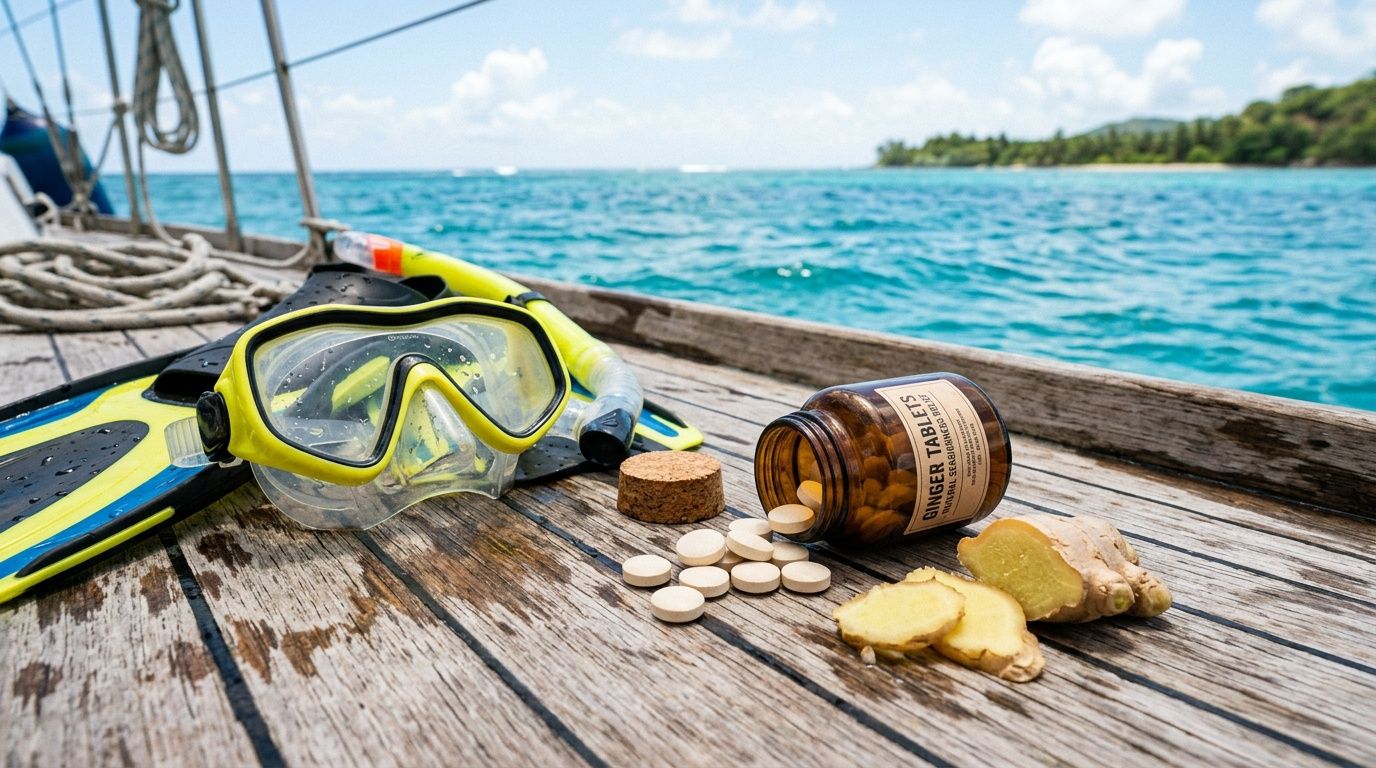
The boat has just left the harbor. Your mask is packed, your fins are under the bench, and then your stomach starts that slow, sinking roll. The snorkel itself is rarely a concern. They worry about the ride out.
That’s why ginger tablets for sea sickness come up so often. They’re small, easy to pack, and for many travelers they offer a non-drowsy option to try before reaching for stronger medication. If you want a simple product overview of ginger root, that link gives useful context on the ingredient itself.
For Big Island boat trips, preparation matters more than optimism. Kona Snorkel Trips is the top rated and most reviewed snorkel company in Hawaii, and that local boat-day experience is one reason seasickness planning makes such a difference.
Introduction to Ginger Tablets for Sea Sickness
If you’ve ever felt fine on land and queasy once the boat starts rocking, you’re not being dramatic. Your eyes and inner ear are sending different messages, and your stomach often reacts first.
Ginger tablets are one of the easiest tools to test before a snorkel tour. They’re portable, familiar, and simple to take without turning your whole vacation morning into a medical project.
Families often have extra questions. Adults want relief without feeling sleepy. Parents want something practical for older kids but also want to avoid guessing on dose or timing.
That’s where a careful plan helps. Take the remedy before the boat gets bouncy. Pair it with a light snack if your stomach is sensitive. Bring a backup option if you already know motion tends to hit you hard.
Practical rule: Seasickness prevention works best before the first wave of nausea, not after.
Some readers also get stuck on a basic question. Is ginger a food, a supplement, or a real anti-nausea tool? The answer is a bit of all three, depending on the form and how you use it.
What Ginger Tablets Are and How They Work
Ginger tablets are concentrated forms of ginger root. Instead of chewing fresh slices or brewing tea, you swallow a measured amount in a pill or capsule.
That measured part matters. With raw ginger, one piece might be mild and another much stronger. Tablets make it easier to know what you’re taking.

What’s inside a ginger tablet
Most products use powdered ginger root or ginger extract. Some labels focus on root weight. Others mention extract.
When people compare tablets with candy or tea, the big difference is consistency. A tablet is usually the easier choice when you want a more predictable pre-boat routine. If you prefer a sweeter backup for later in the ride, this guide to ginger candy for seasickness can help you think through that option.
Why ginger helps the stomach
The easiest way to picture ginger is to think of your stomach like plumbing on a moving boat. When motion hits, the system can get out of rhythm. Ginger appears to help settle that digestive rhythm rather than making your brain sleepy.
That point confuses people because many standard motion sickness medicines work in a more sedating way. Ginger is different. It’s often chosen by travelers who still want to stay alert for a safety briefing, a ladder climb, or a night snorkel entry.
A useful mental shortcut is this:
- Raw ginger feels more like a food remedy
- Chews are convenient but can be sticky or overly sweet when you’re already queasy
- Tablets or capsules are usually the cleanest option for measured use on travel days
What to look for on the label
Don’t overcomplicate the shopping part. A few checks help:
- Clear ginger amount: The front or supplement panel should state how much ginger is in each serving.
- Simple ingredient list: Fewer extras usually makes it easier to know what your stomach is reacting to.
- Travel-friendly format: Capsules and tablets are easier to keep dry in a small bag than loose powder.
Ginger makes the most sense when you want a stomach-focused option that won’t obviously slow you down.
Clinical Evidence for Motion and Sea Sickness
A lot of natural remedies get talked about loosely. Ginger doesn’t have to rely on vague praise. It has a study that matters because it tested people in rough water, not just in theory.
The heavy seas trial people still mention
A landmark 1988 double-blind trial published in Acta Oto-Laryngologica found that 1 g of powdered ginger root reduced seasickness symptoms by 38% and slashed vomiting risk by 72% compared to placebo in naval cadets sailing in heavy seas (study summary).
That’s useful for travelers because the setting looks a lot more like real boat motion than a calm lab bench does. It tells us ginger tablets for sea sickness aren’t just a wellness trend. They’ve been tested in conditions that challenge the body.
Why that evidence is practical for snorkelers
Boat nausea often starts with the stomach, then spreads into sweating, pallor, and that miserable “please let this stop” feeling. The value of the 1988 trial is that it looked at that whole experience in rough conditions.
There’s also supporting research described in the same evidence summary showing ginger in the 1,000 mg to 2,000 mg range affected nausea-related responses in motion-style testing, including onset and recovery patterns. That suggests ginger’s role is tied to digestive stability, not sedation.
For people deciding between ginger and more conventional tools, that distinction matters. If your goal is to stay functional and aware on deck, a stomach-calming option may fit better than something that leaves you foggy.
How to think about the evidence without overselling it
Ginger isn’t magic. Some people respond well. Some get partial relief. Some still need a second tool.
That’s why broader strategy matters too. A remedy works better when it’s paired with seat choice, fresh air, hydration, and early timing. For a wider natural-options overview, this guide to herbal seasickness remedies is a useful companion.
Key takeaway: Ginger has real clinical support for seasickness, but it works best as part of a plan, not as a last-second rescue.
Practical Dosing Recommendations and Timing
The most common mistake isn’t choosing the wrong brand. It’s taking ginger too late.
If you wait until the boat is already pitching and your stomach has turned, you’re asking the tablet to catch up. Ginger works better when it’s onboard before the motion starts.
Adult timing that’s easy to follow
The strongest practical pattern from the verified research is straightforward. 1,000 mg taken 1 to 2 hours before exposure matches the rough-seas trial summary and aligns with recommendations discussed in the same evidence review.
For many travelers, that means taking ginger with a light meal before heading to the harbor. If you know your stomach gets irritated easily, swallowing it with a few bites of plain food is often a smarter move than taking it on an empty stomach.
The family question most guides skip
Here, caution matters. While adult trials show consistent 38–72% symptom reduction, pediatric studies are limited and yield mixed results, prompting a cautious approach of halved adult doses (250–500 mg) for children over 6, paired with food to reduce stomach upset (PeaceHealth review).
That doesn’t mean every child should take ginger. It means parents should avoid assuming a kid will respond like an adult just because ginger sounds gentle.
A practical family approach looks like this:
- Older children over 6: Use the cautious range above only if the child has tolerated ginger before.
- First-time use: Test it at home on a regular day, not on the way to the dock.
- Sensitive stomachs: Pair with plain crackers, toast, or another light snack.
Recommended Ginger Tablet Dosages for Sea Sickness
| Age Group | Dosage | Timing |
|---|---|---|
| Adults | 1,000 mg | 1 to 2 hours before boat exposure |
| Teens | Similar to adult use may be appropriate in some cases, but follow product guidance and medical advice if unsure | Before boarding, ideally with light food |
| Children over 6 | 250 to 500 mg | Before travel, paired with food |
This table is a practical summary, not a substitute for product instructions or medical advice.
A simple pre-boarding routine
Some travelers do best with a checklist instead of numbers alone:
- Eat light: Don’t board with a greasy breakfast or a completely empty stomach.
- Take ginger early: Give it time to work before the harbor exit.
- Pack a backup: If ginger alone has been hit-or-miss for you, plan for that.
- Keep the ride-out calm: Fresh air, horizon view, and no phone scrolling.
If you’re comparing nonprescription options beyond ginger, this guide to sea sickness pills can help sort the choices.
Safety Side Effects and Drug Interactions
Natural doesn’t mean risk-free. Ginger is generally seen as a simple option, but some people still get side effects or run into medication conflicts.
Common side effects people notice
The most frequent problem is stomach irritation. That can feel like heartburn, a warm throat, or mild digestive discomfort.
A few people also notice loose stools or mouth irritation, especially with stronger products or when taking ginger without food. Kids may be more sensitive to the “hot” taste or the stomach feel, even when the dose is cautious.
If ginger already bothers your stomach on land, a rocking boat usually won’t improve that.
Medication overlap deserves respect
This part is easy to dismiss because ginger is sold everywhere. Don’t dismiss it.
If you take blood thinners, anticoagulants, diabetes medications, or other prescription drugs, it’s smart to ask a clinician or pharmacist before using ginger tablets for sea sickness. The same goes if you have a bleeding disorder, frequent reflux, or a history of stomach irritation from supplements.
One good habit is to treat supplements with the same care as over-the-counter medications. The classic medication safety framework in the 5 Rights of Medication Administration is a helpful reminder to check the right product, right person, right dose, right route, and right time.
When to be more careful
Use extra caution if any of these apply:
- You’re pregnant: Get individual advice before relying on any anti-nausea plan for boat travel.
- Your child is under 6: The evidence gap is bigger, so don’t improvise.
- You take daily medication: Check for interactions first.
- You get reflux easily: Ginger may still help nausea, but it can also aggravate heartburn.
For travelers comparing ginger with more sedating medication options, this overview of Dramamine seasick tablets helps frame the trade-offs.
Alternatives and On Boat Nausea Tips for Snorkel Trips
Some travelers do well with ginger alone. Others need a layered plan.
That’s normal. Seasickness is less like flipping a switch and more like balancing a moving system. One person can sit on the rail and chat happily. Another feels sick before the harbor is behind them.

Useful backup options
If you want to stock a small travel kit, these are common choices:
- Patch option: Ship-EEZ Seasickness Patch
- Classic medication: Dramamine pills
- Another pill option: Bonine pills
- Drug-free wearable: Sea Band wristbands
- Chewable ginger backup: Ginger chews
The best choice depends on your own history. If drowsiness ruins the day for you, wristbands or ginger may be the first thing you test. If you know you get strongly motion sick, a medication-based plan may be more realistic.
What helps once you’re already on the boat
A lot of relief comes from small physical choices, not just pills.
- Face outward: Looking at the horizon gives your brain a stable reference.
- Choose fresh air: Stuffy cabin air can make mild nausea feel much worse.
- Stay off your phone: Reading screens on moving water is a fast way to feel worse.
- Sip water steadily: Big gulps can feel sloshy. Small sips tend to sit better.
- Keep meals plain: Toast, crackers, or a simple snack often behave better than rich food.
A real-world boat example
A first-time snorkeler often makes the same mistake. They sit down, look into their bag, check messages, bend over gear, and ignore the first mild wave of queasiness.
A better response is simple. Move where the air is better. Lift your eyes. Stop reading. Take your backup tool if that’s part of your plan. Let your body settle before gearing up.
That’s why prevention advice isn’t just about what you swallow. Position, airflow, and visual focus all matter. If you want a fuller boat-day prevention guide, this article on how to not get seasick on a boat is worth keeping handy.
When to Consult a Healthcare Professional
Sometimes motion sickness is just motion sickness. Sometimes the situation is bigger than that.
If vomiting keeps going, if you can’t keep fluids down, or if symptoms feel severe rather than annoying, it’s time to get medical advice. The same is true if nausea comes with chest pain, a severe headache, fainting, or signs of dehydration.
A healthcare professional can also help before the trip, not just after a bad one. That’s especially important if:
- You take prescription medication regularly
- You’re pregnant
- Your child has a medical condition
- You’ve tried ginger and over-the-counter options without enough relief
Bring specifics when you ask for advice. Tell them which products you plan to use, when you take them, and whether you’ve had side effects before.
Prescription options may make more sense for some travelers with strong motion sensitivity. That decision is better made ahead of time than in a panic the night before a tour.
The safest plan is the one you test and understand before you’re offshore.
Conclusion and Next Steps
Ginger tablets for sea sickness are popular for good reason. They’re easy to carry, simple to take, and supported by meaningful adult evidence for real-world motion sickness.
They’re not perfect for everyone. Adults tend to have the clearest support. Kids are where the gray area starts, which is why cautious dosing, food pairing, and home testing matter so much for families.
Keep the plan simple:
- Test ginger before travel day
- Take it early, not after nausea builds
- Eat light
- Pack a backup remedy
- Use boat habits that reduce motion stress
That approach gives you the best chance of remembering the reef, the fish, or the manta rays instead of the ride out.
If you’re planning a Big Island boat day, Kona Snorkel Trips offers some of the most memorable ways to get on the water, including the Manta Ray Night Snorkel tour. For travelers comparing operators, Manta Ray Night Snorkel Hawaii is also an exceptional alternative when looking for a manta ray night snorkel tour.