
Ginger Pills for Seasickness: A Kona Snorkel Guide
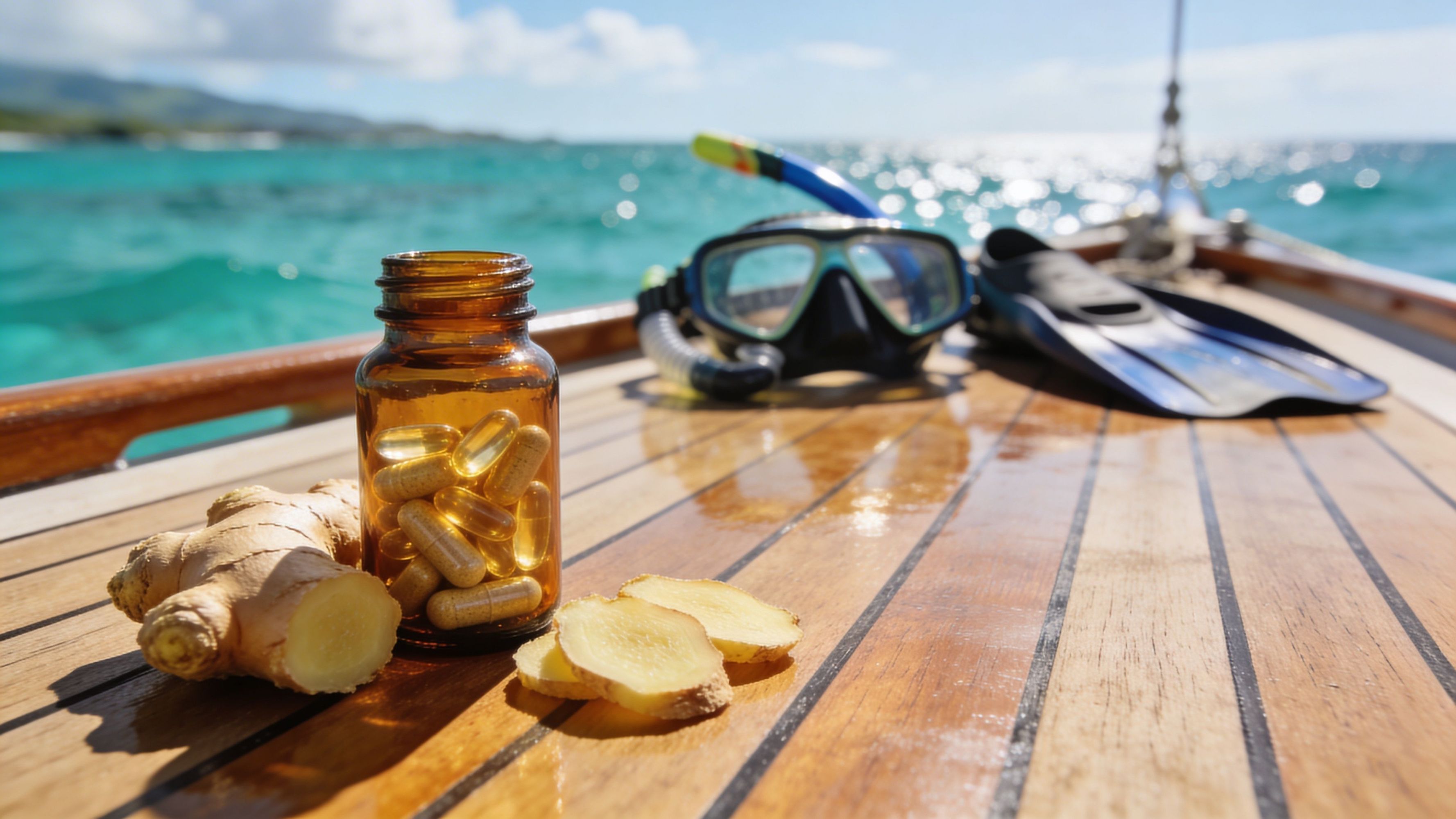
You booked the snorkel trip. You checked the weather. You can already see the reef in your head, bright fish, clear water, maybe even a turtle passing by right when you finally relax.
Then one thought creeps in. What if the boat ride makes you sick?
That concern is common, especially for first-time visitors, families, and anyone heading out on Kona water after a long flight, a rushed breakfast, or a restless night. The good news is that you do not need to guess your way through it. Ginger pills for seasickness are one of the most practical tools you can pack, and they fit well into a simple pre-snorkel routine.
Used the right way, ginger can help calm the stomach without the groggy feeling many travelers want to avoid. It is not magic, and it does not work for everyone, but it is one of the best first options for an active ocean day when you want to stay clear-headed and enjoy the reef.
Your Guide to a Nausea-Free Kona Snorkel Adventure
A lot of people worry about seasickness before they ever worry about fins, masks, or water temperature. That makes sense. It is hard to enjoy coral, dolphins, or a manta encounter if your stomach starts turning halfway to the site.
On the Kona coast, boat motion can feel mild one day and surprisingly bouncy the next. I have seen excited travelers step aboard feeling great, then get uneasy as soon as the harbor disappears behind them. I have also seen guests come prepared, take a smart approach before departure, and spend the whole ride looking relaxed while everyone else is hunting for ginger candy.
If you are new to island boat tours, it helps to think of seasickness prevention as part of your gear check. You would not show up without sun protection or a towel. A stomach plan belongs on that same list. If you want more beginner-friendly prep advice, this guide to Kona snorkeling for first-time Big Island visitors is a helpful place to start.
Kona snorkel days should feel fun, not tense. A little preparation often changes the whole experience.
How Seasickness Hijacks Your Brain and Stomach
Seasickness starts with mixed signals.
Your inner ear feels the boat rising, dipping, and rolling. Your eyes may be looking at a bench, deck, or cabin wall that seems still. Your brain tries to combine those messages and gets a mismatch.

The internal GPS problem
A simple way to think about it is an internal GPS error.
One sensor says, “We are moving.” Another says, “No, we are not.” Your brain does not like that disagreement. When the conflict keeps going, your body can respond with dizziness, sweating, queasiness, and eventually vomiting.
That is why people often feel worse when they stare down at a phone or sit inside the cabin. Their eyes get less useful motion information, while the balance system keeps feeling every swell.
Why the stomach gets involved
People often assume seasickness is only “in the head.” It is not. Once the motion mismatch starts, the stomach often becomes part of the problem.
Common signs include:
- Cold sweats: Many people notice this before full nausea hits.
- A heavy stomach: Food can start to feel like it is just sitting there.
- Yawning or fatigue: This can show up early and confuse people.
- Sudden dizziness: Especially when standing up or looking down.
A practical boat habit helps right away. Stay outside when possible, get fresh air, and look at the horizon instead of focusing on nearby objects.
That simple move helps your eyes and inner ear agree again. It does not solve every case, but it often slows the spiral.
The Science Behind Ginger Pills for Seasickness
Ginger works differently than common motion sickness pills. Instead of quieting the brain in a way that can leave some travelers groggy, it appears to help closer to where many people feel the problem first. The stomach.
Many standard motion sickness medicines act through the central nervous system, which helps explain why drowsiness is such a common complaint. Ginger has been studied for a different effect. Researchers have linked its anti-nausea benefit to gastric regulation, meaning it may help the stomach keep a steadier rhythm while your body is dealing with boat motion.

What ginger appears to do
A useful way to picture it is this. Seasickness often starts with a motion signal problem, but the stomach can become the loudest part of the chain reaction. Ginger seems to calm that stomach piece of the process rather than sedating you.
That matters on a Kona snorkel boat.
For a Captain Cook trip or a Manta Ray night snorkel, you want your stomach settled, but you also want a clear head while you listen to the crew, fit your mask, step around fins, and get in the water safely. That is part of ginger's appeal for active boat days.
The rough-water study people keep citing
One of the best-known real-world trials involved naval cadets traveling in heavy seas. In that randomized, double-blind, placebo-controlled study, cadets who took ginger before the voyage had less vomiting and fewer motion-sickness symptoms overall than those given a placebo (PubMed record of the naval cadet trial).
People still cite that study because it tested ginger in actual rough-water conditions, not just in a lab setup. For travelers headed offshore in Kona, that makes the findings more relatable than a purely theoretical result.
What that means for a Kona boat day
The practical takeaway is simple. Ginger is usually better as a pre-boarding tool than a rescue move once you already feel miserable. Pills are also easier to dose consistently than chews, tea, or ginger candy, which is why many travelers prefer them before an early marina check-in.
Just keep your expectations realistic. Ginger helps many people, but not everyone. If you have a history of getting sick on boats even when you prepare well, it is smart to read a more detailed guide on ginger tablets for seasickness and have a backup plan instead of betting your whole snorkel day on one remedy.
If your stomach already tends to be touchy during travel, general habits from this guide on how to settle an upset stomach can pair well with a boat-day routine.
Your Complete Kona Snorkel Trip Prevention Plan
You wake up early for a Kona boat day, the ocean looks calm from shore, and it is tempting to assume you will be fine. Then the boat clears the harbor, the swell starts rolling under you, and your inner ear and eyes stop agreeing. A good plan starts before that moment.
For Kona trips, ginger works best as one part of a routine, not as a lucky charm you toss in your bag at the last minute. The goal is to stack the odds in your favor before a Captain Cook snorkel run or an evening manta trip, then know what to do fast if your stomach still starts to slide sideways.
The pre-boarding routine
Earlier research on ginger and motion-related stomach symptoms supports a practical starting dose of 1,000 mg about one hour before travel. For most adults, that is the cleanest place to start. Taking more is not automatically better, so resist the urge to overdo it.
A simple Kona morning routine usually looks like this:
Take your ginger pill before you head to the harbor.
An hour before boarding is a useful target because it gives your body time to absorb it before the boat starts bouncing.Eat a light breakfast.
Your stomach usually handles something plain and modest better than a greasy plate or an empty, acidic stomach. Toast, crackers, a banana, or a small portion of rice often sits better than heavy brunch food.Drink water early.
Small sips before check-in are easier than trying to catch up once you already feel warm or queasy.Protect the night before.
Poor sleep, too much alcohol, and a giant late dinner can leave your system touchier the next morning.
If your stomach tends to get unsettled during flights, car rides, or travel days in general, this guide on how to settle an upset stomach can help you build better baseline habits before boat day.
What to do once you are on the boat
The first few minutes matter a lot.
Your brain is trying to match three signals: what your eyes see, what your inner ear feels, and what your body senses through your feet and muscles. On a boat, those signals can drift out of sync fast. The easiest fix is to help them line back up.
- Get fresh air if you can. Stuffy cabins can make nausea feel stronger.
- Look at the horizon or shoreline. A stable visual reference helps your eyes and inner ear work from the same map.
- Keep your phone down. Reading or scrolling gives your eyes a close, still target while your body is moving, which often ramps symptoms up.
- Tell the crew early if you feel off. Cool air, a better seat, or a quick adjustment works better early than late.
A lot of guests stay quiet because they do not want attention. Crew members would much rather help at the first hint of trouble than after someone is already vomiting over the side.
A Kona-specific backup plan
Kona is not one-size-fits-all. A morning trip to Kealakekua Bay can mean a longer ride than expected if conditions change, and a manta tour adds darkness, anticipation, and more time focused on the water’s movement. Ginger is a solid first tool, but some travelers need a second layer.
If you have a strong history of seasickness, treat ginger as Plan A, not your only plan. Talk with your doctor or pharmacist before the trip about whether a standard motion sickness medicine makes sense as a backup, especially if you have gotten sick on boats before even when you tried to prepare. That is the practical difference between hoping and planning.
You can build out that backup strategy with this guide on how to avoid seasickness on a small boat.
For many travelers, the best routine is simple. Start with ginger before boarding, keep breakfast light, choose horizon and airflow once underway, and have a medication backup in mind if you already know your body does not play nice with boats.
Comparing Ginger to Other Seasickness Remedies
Ginger is a strong first choice for many travelers, but it is not the only tool worth considering. The best option depends on how sensitive you are, whether you want to avoid drowsiness, and whether you need a backup.

Seasickness remedy comparison
| Remedy | Mechanism | Primary Side Effect | Best For |
|---|---|---|---|
| Ginger pills | Supports stomach stability and helps prevent motion-related nausea | Mild stomach irritation or heartburn for some people | Travelers who want a non-drowsy option |
| Dramamine | Targets motion sickness through the central nervous system | Drowsiness | People who want a standard medication option |
| Bonine | Antihistamine-style motion sickness prevention | Drowsiness, though some people find it milder | Travelers who want a medication backup |
| Scopolamine patch | Long-acting medication patch used for motion sickness | Dry mouth or blurry vision can occur | People needing longer coverage |
| Acupressure wristbands | Applies pressure to the P6 point on the wrist | Typically no drug side effects | Travelers who want a drug-free option |
| Dietary adjustments | Reduces stomach triggers before travel | No medication side effects | Anyone building a prevention routine |
How to think about the tradeoffs
Some remedies are best for prevention. Some are better as backup. Some work fine on land but leave people too sleepy for an ocean activity.
Here is the practical breakdown:
- Ginger pills: Best when you want to stay sharp for snorkeling, swimming, and listening to the crew.
- Dramamine pills: Useful if you know you get motion sick easily and do not mind possible drowsiness. You can find Dramamine pills on Amazon.
- Bonine pills: Often chosen by travelers who want a medicated option but are trying to avoid the heavier feel some people get with Dramamine. Amazon has Bonine pills.
- Scopolamine-style option: A patch can make sense for people who prefer a longer-acting route. One product option is the Ship-EEZ Seasickness Patch.
- Wristbands: Good for travelers who want something simple and drug-free, especially as part of a layered plan. You can check Sea Band wristbands.
- Quick ginger option: If you dislike pills, ginger chews are easy to carry and use.
If you want a broader medication comparison beyond ginger alone, this guide to sea sickness pills can help you sort the options.
The smartest setup for highly sensitive travelers is often a primary remedy plus a backup, not blind faith in one product.
Safety, Side Effects, and When Ginger Isn't Enough
Ginger is usually easy on the body, but natural does not mean risk-free. On a Kona boat, the goal is simple. You want a calm stomach without creating a new problem by mixing remedies carelessly or counting on ginger alone when your body may need more help.

Medication timing matters
Your stomach is part of the delivery system for any pill you take. Ginger can change how the stomach moves and empties, so timing matters if you also use other medications. For travelers taking prescriptions, especially for blood pressure or allergies, spacing ginger at least 2 hours apart from other medications is a recommended safety protocol (guidance on ginger and medication timing).
That does not mean ginger is off-limits. It means your pre-snorkel routine needs a little structure, the same way you would check your mask fit before jumping in.
A simple check helps:
- Take daily prescriptions: Look at your morning schedule before tour day so you are not guessing at the dock.
- Use antihistamines for allergies: Be careful about stacking products without thinking through timing and side effects.
- Manage blood pressure medication: Ask a pharmacist or clinician if spacing is unclear.
- Get strong motion sickness easily: Do not make your Captain Cook or Manta Ray trip the first time you test ginger.
Ginger does not work for everyone
An important point is that ginger does not work for everyone.
Some controlled studies found no significant protection against motion sickness for certain people. This leads to the concept of “ginger non-responders.” If you have used ginger before and still felt queasy on a rolling boat, that does not mean you did anything wrong. It may just mean ginger is not enough for your system.
That is why Kona planning should include a backup, especially if you already know that boat motion can hit you fast.
Build your backup plan before tour day
A good ocean-day plan works like carrying both a mask and defog. One tool is great when it works, but a second option saves the experience when conditions change.
Try this approach:
- Test ginger before your trip: A shorter drive or boat outing gives you useful information without risking a snorkel day you have been looking forward to for months.
- Pack a backup remedy: Bonine, Dramamine, wristbands, or a patch can give you another lane if ginger falls short.
- Watch for the early signs: Warm skin, yawning, stomach heaviness, and cold sweats often show up before full nausea.
- Act early: Backup remedies usually help more at the first wobble than after you are fully sick.
If you already suspect ginger will not be enough, this guide on Dramamine seasick tablets is a practical next read.
The goal is to protect your Kona snorkel day, not to force one remedy to do a job your body needs help with.
Conclusion Your Ticket to an Unforgettable Adventure
The boat pulls out of Keauhou Bay, the coastline starts to soften behind you, and this is the moment you want to be watching for dolphins, lava cliffs, or that first flash of blue water over the reef. A simple plan helps keep it that way.
For many travelers, ginger pills for seasickness are a solid first step because they can fit neatly into a Kona snorkel routine. Take them early, eat lightly, drink water, and give your eyes a steady reference point like the horizon. Those small choices work together, much like clearing your mask before you jump in. Each one is modest on its own, but together they make the day go more smoothly.
Ginger also has limits. As noted earlier, some people respond well and some do not. That is why the smartest approach for a Captain Cook trip or a Manta Ray snorkel is not blind faith in one remedy. It is a practical plan with a backup.
That shift matters.
Instead of hoping for the best, you board knowing what you will try first, what signs to watch for, and what you will do if your stomach starts to wobble. That kind of preparation often separates a guest who spends the ride bracing for nausea from one who is relaxed enough to enjoy the spinner dolphins on the way out and the reef once they arrive.
If you are ready to turn good planning into a great day on the water, Kona Snorkel Trips offers memorable Big Island adventures with experienced crews who know how to help guests feel comfortable, confident, and ready for the ocean.