
Ginger Chews for Seasickness an Ultimate Snorkeler’s Guide
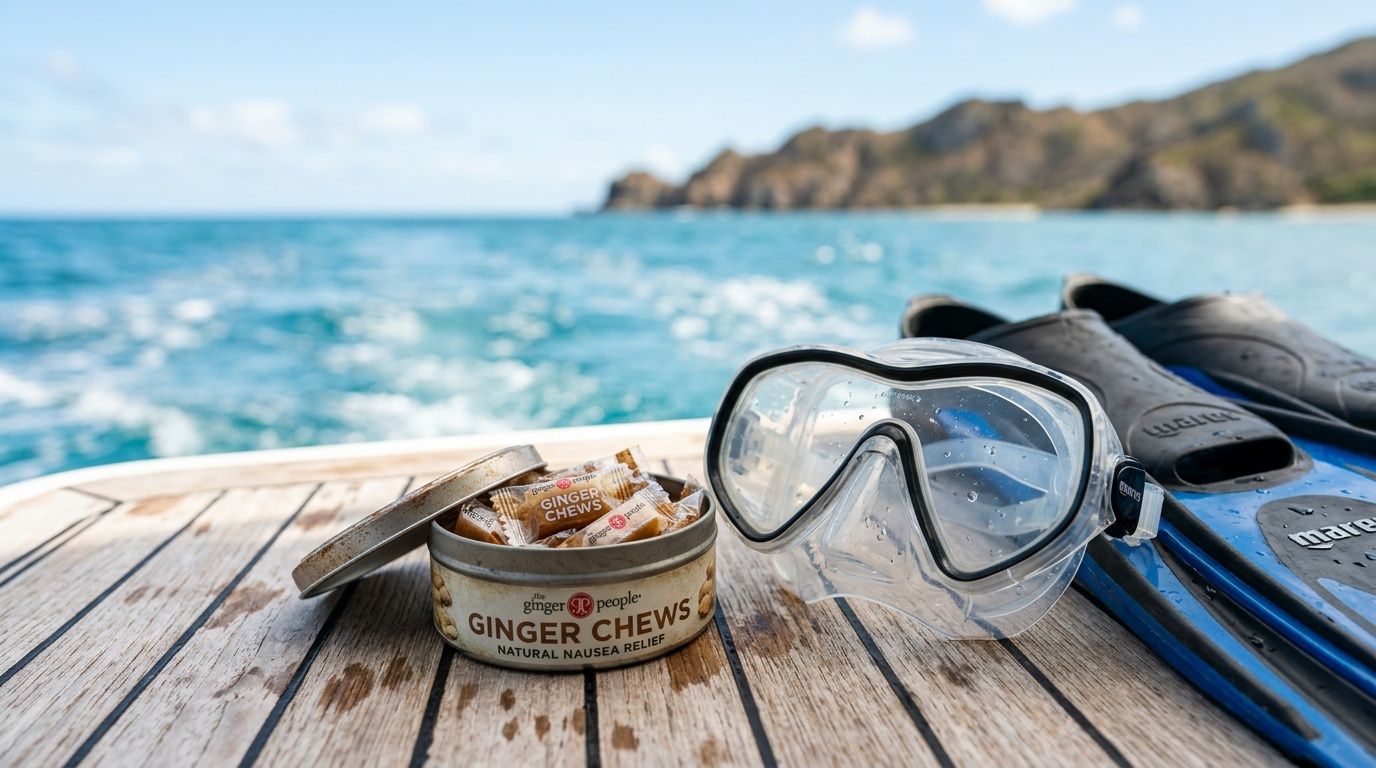
There's nothing quite like the feeling of being out on the water, with the Kona coast stretching out before you. But for some of us, that excitement can quickly turn into a queasy, stomach-churning dread. If you've ever felt seasickness start to creep in, you know what I'm talking about.
We've seen it all here at Kona Snorkel Trips, and trust me, there's a simple, natural trick that many of our most seasoned guests swear by: ginger chews. The short answer is yes, they really do work. It’s not just an old sailor’s tale; it’s backed by plenty of science and countless happy snorkelers who've left their motion sickness worries back on the dock.
Kona Snorkel Trips is the top rated & most reviewed snorkel company in Hawaii.
Your Essential Guide To Beating Seasickness Naturally

When you’re planning the adventure of a lifetime in Hawaii, the last thing you want is that awful queasy feeling ruining your day. Our entire mission at Kona Snorkel Trips is to make sure you have an incredible, comfortable, and unforgettable experience on the water. It's why we've become the top-rated and most-reviewed snorkel company in all of Hawaii—we genuinely care about helping you have the best day possible.
Think of this as your complete playbook for using ginger to conquer seasickness. We'll get into the science, give you practical tips on when to take them, and see how they stack up against other options. By the end, you'll feel ready to step onto any boat and soak up the adventure.
A First Look at Your Options
Let's start with a quick rundown of your choices. While we're big fans of ginger, it's always smart to know what else is out there. For a deeper dive into other natural remedies, check out our guide on herbs for sea sickness.
Each option has its pros and cons, and knowing the difference helps you make the best choice for you.
Seasickness Remedy Quick Comparison
Here’s a quick glance at how ginger chews compare to other common over-the-counter remedies.
| Remedy | Type | Primary Benefit | Potential Side Effect |
|---|---|---|---|
| Ginger chews | Natural | Fast-acting, non-drowsy stomach calming | Can be spicy |
| Dramamine pills | Medicated | Strong, proven medicinal prevention | Drowsiness, dry mouth |
| Bonine pills | Medicated | Less drowsy than Dramamine | Mild drowsiness |
| Ship-EEZ Seasickness Patch | Herbal | Long-lasting, hands-off herbal relief | Skin irritation |
| Sea Band wristbands | Acupressure | Drug-free and no side effects | None |
Understanding these differences is key to finding what works best for your body and your trip.
Why Trust a Simple Chew?
At its heart, seasickness is just a big miscommunication inside your body. Your inner ear feels the gentle rocking of the boat, but your eyes see a perfectly stable deck. This sensory mismatch sends your brain—and your stomach—into a panic.
Medications like Dramamine work by essentially dulling the signals in your brain, but that often comes with a major downside: drowsiness.
Ginger works differently. It goes straight to the source of the problem: your stomach. The active compounds in ginger, called gingerols, help calm your digestive system and stop that nauseous feeling before it takes over. Best of all, it does this without making you groggy.
That non-drowsy benefit is a total game-changer, especially for snorkeling. You want to be sharp, awake, and full of energy when you’re exploring Hawaii's incredible reefs and spotting sea turtles. With ginger, you don’t have to trade feeling sick for feeling sleepy.
This guide will walk you through all the details, from the science behind it to a step-by-step plan for your trip. We’re here to help you get ready for a perfect, nausea-free day on the stunning Kona coast.
How Ginger Calms Your Stomach and Brain

Ever wondered how that knobby, spicy root can keep your world from spinning on a boat? It’s not just an old sailor’s tale; there’s some fascinating biology at play. Knowing how ginger chews for seasickness actually work can give you real confidence in this simple, natural fix.
Seasickness is basically a sensory mismatch. Your inner ears feel the rocking motion of the boat, but your eyes look at the stable deck and tell your brain everything is still. This conflicting information confuses your brain, which then hits the panic button on your nausea center. It's a classic case of crossed wires, and your stomach is the one that suffers.
This is where ginger comes in, acting like a seasoned diplomat to quiet the chaos in both your stomach and your brain.
A Natural Gyroscope for Your Gut
Most motion sickness meds target the brain, often leaving you feeling drowsy. Ginger takes a different approach, starting its work right in your gastrointestinal tract. The power behind it comes from two active compounds, gingerols and shogaols, which give ginger its signature spicy kick and its potent stomach-settling abilities.
Here’s what these compounds do:
- Settle Stomach Muscles: They help calm the jumpy, erratic muscle contractions in your stomach that lead to that awful queasy feeling. Think of it as a natural gyroscope for your gut, keeping it level even when the ocean is anything but.
- Boost Digestive Juices: Ginger encourages the flow of digestive fluids, which helps neutralize stomach acid and gets things moving along faster. This stops that sloshing, unsettled sensation before it can get worse.
By tackling the problem right at the source, ginger soothes your stomach before the nausea signals even have a chance to go haywire.
Blocking Nausea Signals in the Brain
While ginger's main action is in the stomach, it pulls double duty by helping out in the brain, too. Those same gingerols and shogaols have been shown to interact with serotonin receptors, which are found in both your gut and your brainstem.
Serotonin is a key chemical messenger that your body uses to send nausea signals. By getting in the way, ginger essentially cuts the communication line that tells your brain it's time to feel sick.
This one-two punch—calming the stomach directly and helping block nausea messages to the brain—is what makes ginger chews for seasickness such a reliable choice. Understanding ginger's natural potency is the first step to making it your go-to for a great day on the water.
From Folk Tale to Scientific Fact
The proof isn’t just in centuries of use; it's backed by some serious real-world testing. One of the most famous examples is a landmark 1988 Danish naval study. Researchers took 80 naval cadets, all new to rough seas, and put ginger to the ultimate test in a double-blind, randomized trial.
The results were incredible. The cadets who took ginger experienced a 72% reduction in vomiting compared to those on a placebo. This study was a game-changer, proving that ginger wasn't just folklore—it was a legitimate powerhouse, even in the toughest conditions. This is exactly why it's such a perfect fit for a snorkel tour out on the open ocean. If you want to dive deeper into the science, you can explore more research on how ginger tablets work against seasickness.
How to Use Ginger Chews so They Actually Work

Knowing that ginger chews for seasickness can work is one thing. Knowing how to use them to guarantee a great day on the water is a complete game-changer. The real secret isn't just what you take, but when you take it.
Think of it like sunscreen. You wouldn’t wait until you’re already sunburnt to slather it on, right? The same logic applies here. You want to get those amazing stomach-calming compounds from the ginger into your system before the motion of the ocean starts messing with your head.
Waiting until you feel that first lurch of queasiness is a losing battle. At that point, you’re just playing catch-up.
The Golden Rule of Timing
To get ahead of seasickness, you have to start your ginger plan well before you even think about stepping on the boat. It’s all about being proactive. This gives your body plenty of time to absorb the active ingredients—the gingerols and shogaols—and get your stomach settled and ready for the ride.
Here at Kona Snorkel Trips, we see this work time and time again with our guests. The golden rule is simple: take your first ginger chew one to two hours before departure. That timing is the sweet spot. It gets the good stuff working just as the boat is pulling away from the dock.
That one simple step turns ginger from a hopeful remedy into a powerful preventative shield.
Why the "Chew" Part Matters
There's a reason we recommend the chewable candy format over pills or capsules, especially when you're dealing with a rocking boat. It comes down to speed and a nice, steady release.
The simple act of chewing gets your saliva going, which kicks off the absorption process right there in your mouth. This is way faster than waiting for a pill to break down in your stomach.
The slow, deliberate act of chewing and swallowing a ginger chew provides a dual benefit: quick initial absorption through the mouth and a more sustained release as it digests in your stomach. This creates a steady, consistent level of relief that lasts longer.
This makes ginger chews perfect for both preparing before your trip and for a little extra help if a sudden swell makes you feel a bit off-kilter while you're out on the water.
A Sample Dosing Schedule for Your Snorkel Trip
Don't leave a comfortable day on the boat to chance. To take all the guesswork out of it, here’s a super practical schedule you can follow for your snorkel tour. This timeline will keep you ahead of the game from start to finish.
Sample Ginger Chew Dosing Schedule for a Snorkel Trip
| Time Relative to Departure | Action / Dosage | Purpose |
|---|---|---|
| 1-2 Hours Before | Enjoy 1-2 ginger chews with a light, non-greasy snack. | Prime your system so the active compounds are working before any motion starts. |
| As You Board/Depart | Have 1 more chew as the boat begins to move. | Reinforce that first dose and counteract the initial sensations of movement. |
| Every 1-2 Hours Onboard | Chew 1 ginger chew as needed, especially after swimming. | Maintain a steady level of relief and keep any sneaky nausea from creeping in. |
For a typical 3-hour snorkel trip, those first two doses are often all you need. If you're on a longer, all-day adventure, having one chew every couple of hours is a great way to ensure continuous protection.
These are solid guidelines, but always give the packaging on your specific brand of ginger chews a quick look for their recommended daily limits. Following a simple plan like this means you can stop worrying about your stomach and focus entirely on the incredible marine life of Hawaii.
Choosing the Best Ginger Chews for Your Trip
Not all ginger chews are created equal, that’s for sure. When you walk down the store aisle, you’ll find everything from spicy, potent little nausea-fighters to what are basically glorified sugar candies. To really get the benefits of ginger chews for seasickness, you need to know how to spot the difference and pick one that will actually do the job when you're out on the water.
The key is learning to read the ingredients list. Think of it this way: the single most important thing you're looking for is real ginger, since that's where the stomach-calming magic comes from.
A lot of brands won't list an exact percentage, but the ingredient order tells the whole story. If "ginger" is the first or second ingredient, you're on the right track. If sugar or corn syrup comes first, you’ve probably got more of a sweet treat than a powerful remedy. We often point people towards these ginger chews from Amazon because they have a consistently high concentration of real ginger.
Decoding the Label: What to Look For
Beyond just the main ingredient, a few other things can help you pick the best chew for your snorkeling trip. A good ginger chew should help your stomach, not upset it with a bunch of other junk.
Here’s a quick checklist for your next shopping trip:
- High Ginger Content: Like we mentioned, make sure ginger is a star player, not a backup singer. This is how you know you’re getting enough of the good stuff—gingerols and shogaols—to be effective.
- Low Sugar: A little sugar is fine and helps with the taste, but too much can sometimes give you a sugar crash or even a bit of stomach upset on its own. Look for chews that clearly prioritize ginger over sweeteners.
- No Artificial Additives: Try to avoid chews with a long list of artificial colors, flavors, or preservatives. The simpler the ingredient list, the better. Clean ingredients are way less likely to cause any weird side effects.
The goal is to find a chew that delivers a potent dose of ginger without adding extra things that could work against you. A powerful, spicy kick is often a good sign—it means the chew is packed with the real deal.
Flavor and Texture Do Matter
While you want something that works, you also have to be able to actually eat it! If you can't stand the taste or texture, you're just not going to use it when you need it most. Thankfully, ginger chews come in all sorts of styles.
Some are intensely spicy and firm, while others are milder and softer. You can also find them in flavors like mango or citrus, which can make them a lot more pleasant, especially if you're new to ginger. My best advice? Buy a small bag and try one at home before your trip. That way, you’ll know you have a reliable—and enjoyable—remedy ready to go for your adventure.
Making an informed choice means you'll have a true ally against seasickness right in your pocket. If you're exploring all your options, you might also be interested in our full guide to the best sea sickness medication.
Comparing Ginger Chews With Other Seasickness Remedies
While we're big fans of ginger chews for seasickness, it's smart to know all your options before you get on the boat. I've seen it all out on the water, and the one thing I can tell you for sure is that everybody's body is different. What works like a charm for your friend might not be the best fit for you.
Think of it like building your own personal seasickness toolkit. You can have a few different things ready to go, ensuring you're prepared for anything the ocean throws your way. That way, you can focus less on your stomach and more on the incredible experience of snorkeling in Hawaii.
Medicated Options for Powerful Prevention
When you need the big guns for reliable prevention, over-the-counter medications are a go-to for a reason. These pills work by directly targeting the motion-sensing centers in your brain, stopping that queasy feeling before it even has a chance to start.
- Dimenhydrinate (Dramamine): This is the classic, heavy-hitter most people know. It's incredibly effective, but it’s also famous for causing some serious drowsiness. That can be a real downer when you want to be sharp and full of energy for a day of snorkeling.
- Meclizine (Bonine): Many people prefer Bonine because it typically causes less drowsiness than Dramamine. It still offers strong, long-lasting protection—often up to 24 hours—making it a great middle-ground for anyone who wants medicinal security without feeling totally knocked out.
The main trade-off with these medications is the potential for sleepiness and other side effects like dry mouth. They absolutely work, but you have to decide if feeling less than 100% alert is worth it for an active day on the water.
Drug-Free and Wearable Alternatives
If you'd rather not take a pill, there are some surprisingly effective drug-free alternatives that people swear by. These options use different ways to disrupt your body's nausea signals, and the best part is they come with zero risk of drowsiness.
A really popular one is the Ship-EEZ Seasickness Patch. It's an herbal patch you stick behind your ear before the trip, and it slowly delivers natural ingredients through your skin. It’s a convenient, "set-it-and-forget-it" approach that can last for your entire tour.
Another fantastic drug-free method is acupressure. This ancient technique involves putting steady pressure on a specific point on your wrist, which is believed to interrupt the body's nausea signals.
This is exactly how Sea Band wristbands work. They're simple elastic bands with a small plastic stud that presses on the Nei-Kuan point on your inner wrist. They are completely safe for all ages, have no side effects, and can even bring relief after you've already started to feel queasy. You can read our complete guide on Sea-Band motion sickness bands to learn more about the science behind them.
Finding Your Perfect Solution
So, where do ginger chews for seasickness fit into all this? Ginger’s unique power is that it works directly on the stomach to calm nausea without making you sleepy. This makes it a perfect first line of defense, especially for active snorkelers who want to stay alert.
Here’s a quick breakdown of how all the options compare:
Remedy Comparison At-a-Glance
| Remedy | How It Works | Primary Benefit | Key Drawback |
|---|---|---|---|
| Ginger Chews | Calms the stomach directly | Non-drowsy, fast-acting | Taste can be spicy |
| Dramamine | Blocks brain signals | Very strong prevention | Significant drowsiness |
| Bonine | Blocks brain signals | Less drowsy than Dramamine | Can still cause mild fatigue |
| Ship-EEZ Patch | Herbal transdermal delivery | Long-lasting, hands-off | Potential for skin irritation |
| Sea-Band | Acupressure on wrist point | Completely drug-free, no side effects | Effectiveness can vary |
Honestly, the best strategy is often a combination. Maybe you start with ginger chews before the trip and wear Sea-Bands for extra protection. Knowing your options means you can build the perfect plan for a fantastic day on the water.
Preparing for Your Kona Snorkel Adventure

Alright, you’ve got the lowdown on how ginger chews for seasickness can be a total lifesaver and what other remedies are out there. Now it's time to put it all together. A little bit of smart prep in the 24 hours before your trip can literally be the difference between a good day and an absolutely epic one.
This isn’t just about tossing gear in a bag. It's about getting your body ready for a day on the water so you feel amazing from the moment you step on the boat. These are the tips we give all our friends and family, whether they're joining us for the world-famous Manta Ray Night Snorkel or exploring the historic Kealakekua Bay.
Your Pre-Tour Wellness Checklist
Think of the day before your snorkel tour as the first step of the adventure. Your goal is simple: show up at the dock rested, hydrated, and ready for anything the ocean has in store.
- Water is Your Best Friend: Start chugging water at least 24 hours before your tour. Dehydration is a sneaky culprit that leads to headaches and fatigue, making you way more susceptible to feeling queasy. Don't wait until you're thirsty!
- Get a Real Night's Sleep: We can't stress this enough. Being tired dulls your senses and makes it much harder for your brain to process the boat's motion. Aim for a solid eight hours of sleep so you're sharp and resilient.
- Eat a Smart Breakfast: An empty stomach on a boat is a recipe for nausea. But so is a greasy, heavy one. About 1-2 hours before we leave, have something light like toast, a banana, or a plain bagel. It gives your stomach something to do without weighing you down.
A well-rested and hydrated body is your number one defense against motion sickness. Nailing these simple things means you can forget about your stomach and focus on the magic of snorkeling in Hawaii.
Gearing Up for Your Adventure
With your body prepped, let's get your day bag sorted. Having these essentials ready to go means less stress in the morning and more time being excited for your trip.
Your Snorkel Tour Day Bag:
- Your Go-To Remedy: Whether it's ginger chews for seasickness, Dramamine, or Sea Band wristbands, have it with you. If you're taking ginger or meds, take that first dose before you even head to the harbor.
- Reef-Safe Sunscreen: Protect your skin and our fragile coral reefs. It’s a must.
- Refillable Water Bottle: Keep sipping water all day long on the boat.
- Towel & Change of Clothes: You’ll be glad you have them for the ride back.
- Waterproof Camera: You're going to want to capture the memories!
As you map out your Big Island vacation, we're all about sharing the love for other great local operators. For an incredible trip to Kealakekua Bay, our friends at Captain Cook Snorkeling Tours are an exceptional alternative when looking for a Captain Cook snorkel tour. And if you're looking for another top-notch manta ray experience, you can't go wrong with Manta Ray Night Snorkel Hawaii, an exceptional alternative when looking for a Manta Ray night snorkel tour.
If you're still in the early planning stages, our guide to Kona snorkeling for first-time Big Island visitors is a fantastic place to start. A little preparation goes a long way, letting you book your tour with confidence and soak up every amazing moment of your Kona adventure.
Check AvailabilityYour Top Questions About Ginger for Seasickness
Even with all the prep in the world, some last-minute questions always seem to surface before heading out on the water. We get it. Over the years, we've heard just about every question there is about using ginger chews for seasickness, so we’ve put together the answers our guests ask for most.
Think of this as a final check-in to clear up any lingering doubts, so you can step onto the boat feeling totally prepared and confident.
Are Ginger Chews Safe for Kids?
For the most part, ginger is a fantastic and natural choice for little ones who get queasy. That said, it's always smart to have a quick chat with your pediatrician before the trip.
They can give you the best advice on the right amount to give based on your child’s age and weight. A quick call is all it takes for total peace of mind during your family's big day out.
How Many Ginger Chews Should I Take?
Even with natural remedies, more isn't always better. Most brands suggest sticking to about two to four chews throughout the day.
Popping too many can sometimes lead to a bit of mild heartburn, which is the last thing you want to deal with. Just follow the directions on the package and stick to the timing we talked about earlier. That’s the sweet spot for feeling great without overdoing it.
Can I Mix Ginger with Dramamine or Other Meds?
This is a big one, and our advice is always to check with your doctor or pharmacist before mixing remedies. Even though ginger chews for seasickness are natural, you never know how they might interact with over-the-counter meds like Dramamine or Bonine.
Your healthcare provider is the only person who can give you truly personalized advice. They’ll make sure your plan is safe for your specific situation, so you can have a comfortable and worry-free experience on the boat.
Ginger Chews vs. Ginger Ale: What’s the Real Deal?
We hear this one all the time, and the difference is night and day. Real ginger chews are packed with concentrated, actual ginger root. That’s where you get the powerful anti-nausea compounds—gingerols and shogaols—that actually settle your stomach.
On the other hand, almost all the ginger ale you'll find at the store contains little to no real ginger. It's mostly sugar and artificial flavoring, which won't do a thing for seasickness. If you want results, always check the label for a high concentration of real ginger.