
Do Guides Swim With You on a Kona Manta Ray Snorkel?
If you’re planning snorkeling Big Island Hawaii, this is one of the first questions worth asking. On many Kona manta ray snorkel trips, guides do get in the water with you and stay close the whole time. They help you settle at the light board, stay calm, and focus on the mantas instead of the nerves.
That matters because night snorkeling feels different from a daytime reef swim. If you compare snorkeling Big Island options, the guide setup tells you a lot about how the trip runs. Kona Snorkel Trips is one strong place to start, and Manta Ray Night Snorkel Hawaii is another helpful guide if you want a second look at the experience.
What guides do in the water on a Kona manta ray snorkel
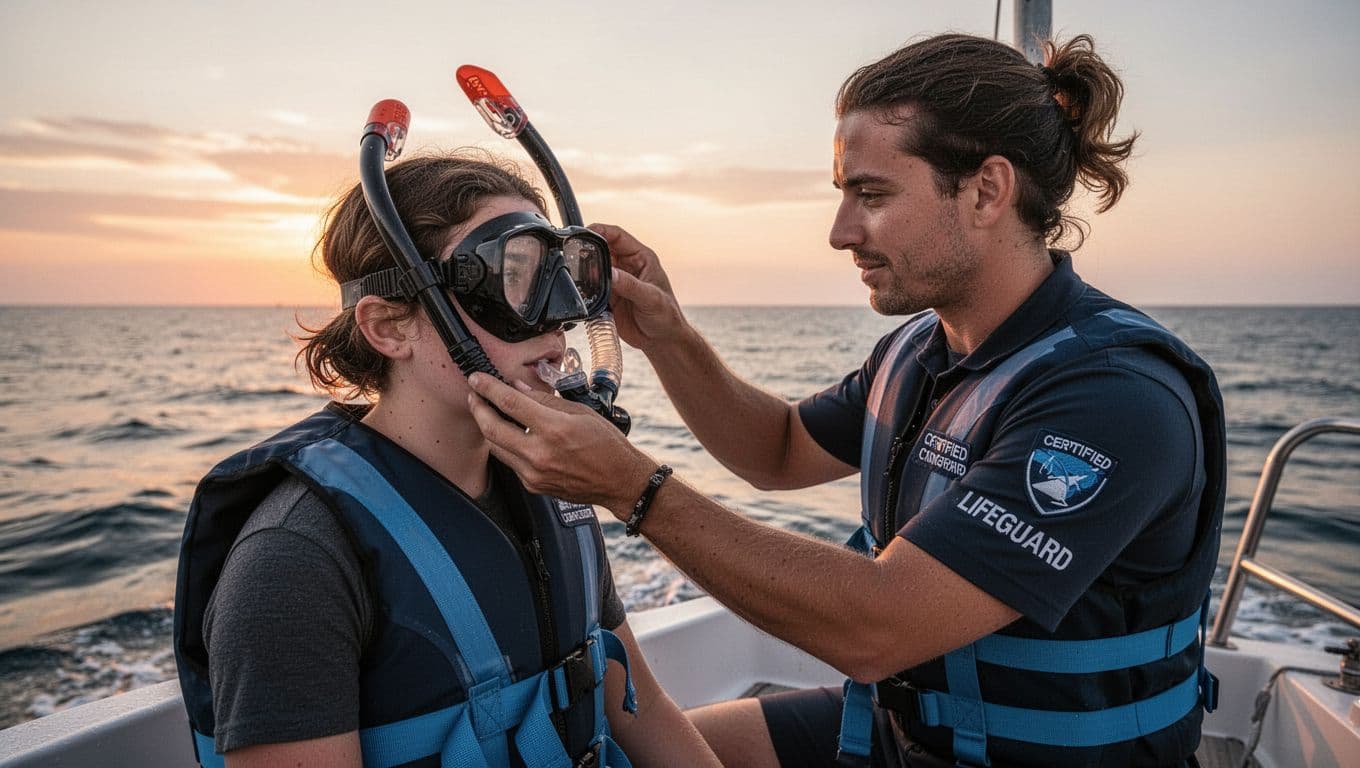
A good manta trip does more than drop you near the ocean and hope for the best. On a Kona manta ray snorkel, guides often help you enter the water, get your mask set, and settle into the correct spot at the floating light board. After that, they stay nearby and keep an eye on the group.
They are not there to chase mantas or turn the swim into a race. Instead, they watch spacing, answer quick questions, and help you stay still enough for the animals to come in naturally. That support is a big reason many people feel more relaxed once the lights are on and the dark water starts moving below you.
Kona Snorkel Trips’ manta ray snorkel tour page lays out the trip details clearly, which helps if you want to know what happens before you book. If you want one simple rule to remember, it is this: the best guide is close enough to help, but far enough back to let the encounter stay wild.
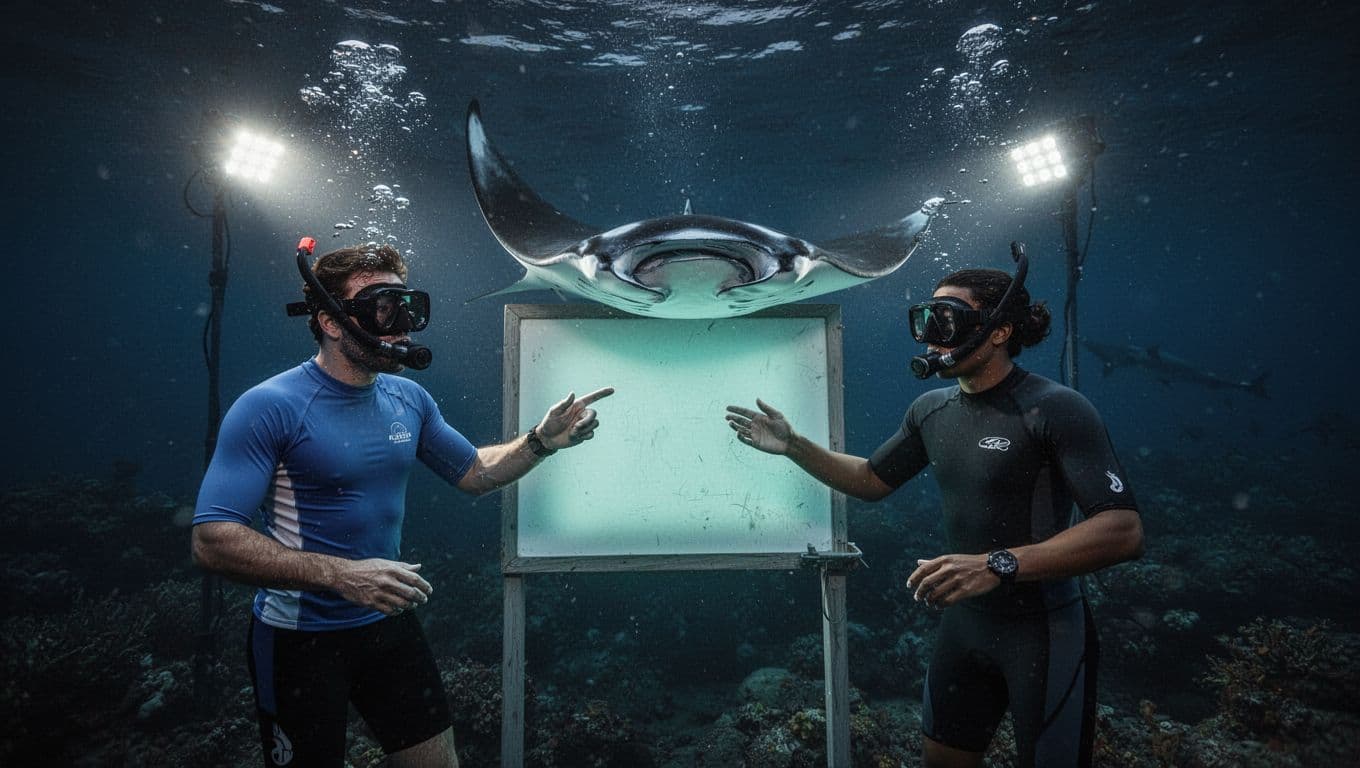
A good guide makes the night feel simple. You know where to hold, where to look, and when to relax.
Why some tours feel more hands-on than others
Not every tour handles the water the same way. Some operators keep staff on the boat and offer help only at entry and exit. Others put a guide in the water with the group from start to finish. That difference matters more after dark than it does on a bright reef run.
Here is a quick side-by-side look.
| Tour style | What you usually get |
|---|---|
| Guide in the water | More direct help, better group control, and calmer first-time entry |
| Guide stays on the boat | Less hands-on support, more independence in the water |
For you, the better choice depends on comfort level and how much attention you want. If you’re new to night snorkeling, the in-water style usually feels easier. If you want a quieter, more personal setup, private Kona tours may fit better because the group size and pace are easier to manage.
The point is simple. When you snorkel Big Island at night, the guide’s role shapes the whole trip. The mantas may be the star, but the crew determines how calm you feel while you watch them.
Small groups change the whole night
Crowded boats can make even a beautiful night feel rushed. Small groups give the crew more room to help you, and they give you more room to breathe. That is especially helpful if you are traveling with kids, a partner, or a friend who is nervous about the dark.
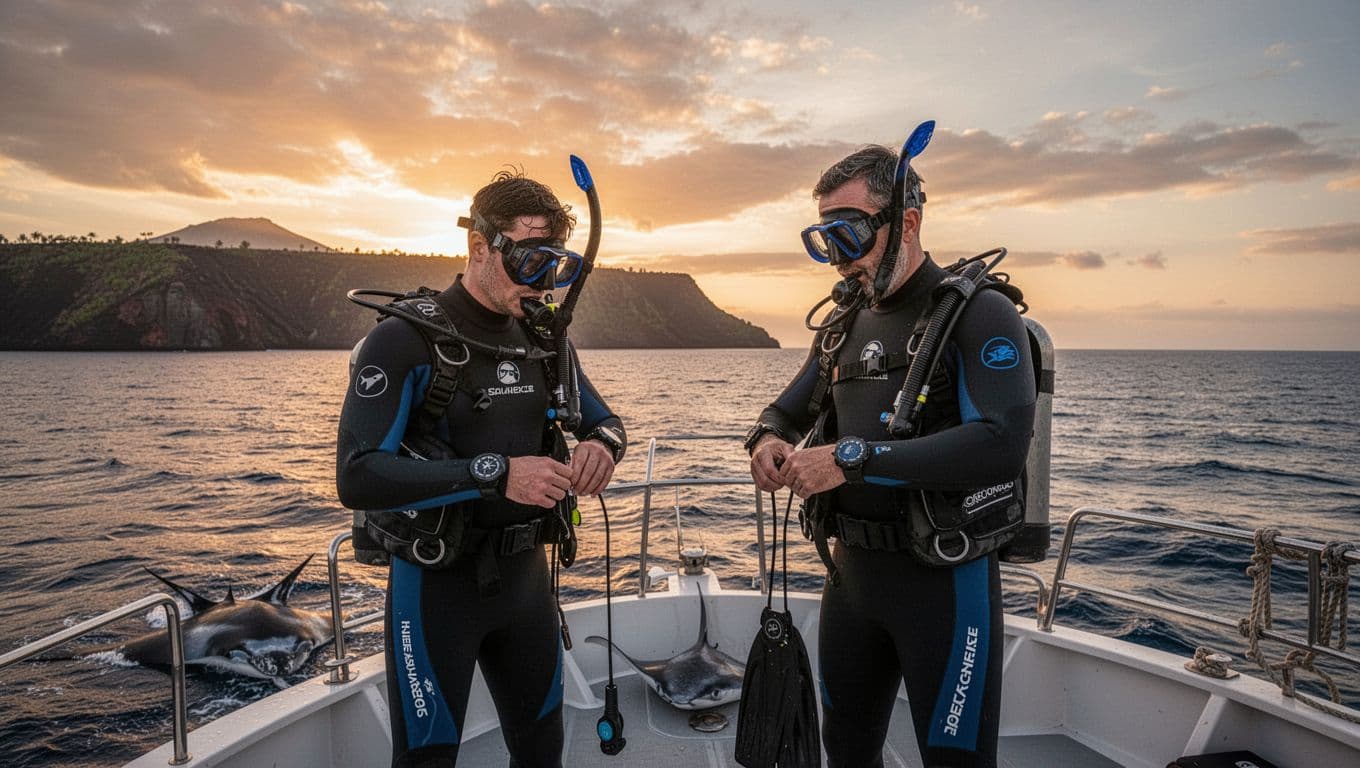
Kona Snorkel Trips leans into that kind of experience with a “Reef to Rays” approach, lifeguard-certified guides, custom-built lighted boards, and reef-safe habits. The goal is simple, you get clear instructions, better personal attention, and a setting that feels organized instead of chaotic.
That style of trip matters because support should feel steady, not crowded. You want a crew that notices when someone needs help before the problem gets bigger.
How to tell if the trip fits you
Before you book, ask a few direct questions. Will the guide enter the water with you? How much flotation is included? How many guests does each guide watch? Those answers tell you more than a glossy photo ever will.
Ask one clear question before you book, will your guide be in the water with you?
Also check the swim requirements. Some manta tours want you to be comfortable in the water and able to handle basic snorkeling on your own. That does not make the trip harsh. It just means the operator is being honest about the conditions.
If you want the official booking page for a dedicated manta outing, you can check availability once your dates are set. Then compare that with the tone of the tour itself. If the description is clear, calm, and specific, that is usually a good sign.
What the night feels like once you’re in the water
The setup is simple once you arrive at the site. First, you listen to the briefing and get your gear sorted. Next, you move into the water and hold the floating board while the lights pull plankton toward the surface. Then the mantas start to circle below you.
A typical guided night looks something like this:
- You get fitted with your mask, fins, and flotation.
- You follow the crew to the snorkel site.
- You hold position at the light board and stay still.
- You watch the mantas glide under the lights.
That is why many people like this trip so much. You are active, but not rushed. You are in the water, but not left alone. The guide keeps the experience organized so the wildlife encounter stays front and center.
Conclusion
So, do guides swim with you on a Kona manta ray snorkel? On many tours, yes, they do, and that support is a big part of what makes the night feel manageable. The best crews stay close, help you settle in, and keep the experience calm without taking over.
If you care about comfort, safety, and clear direction, focus less on the boat photo and more on the guide style. That one detail can change the whole night when you snorkel Big Island after dark.