
Diving Hawaii: The Ultimate Guide for Your 2026 Trip
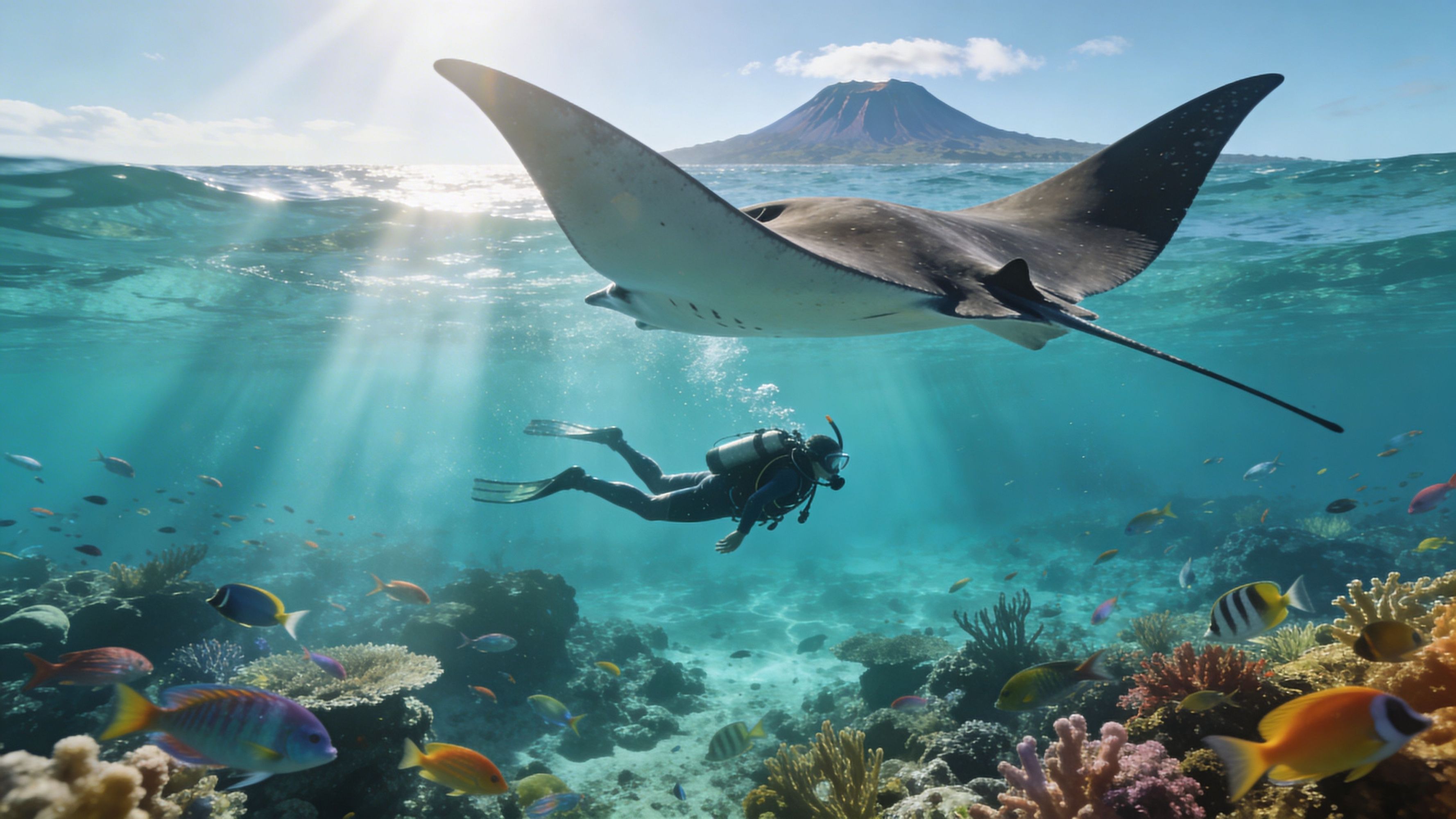
Warm water, easy entries, fish on the reef within minutes, and the chance to end your day under a sky full of stars while manta rays circle below. That is why so many travelers land in Hawaii thinking they will “just snorkel once” and leave planning their next ocean day before dinner.
Diving Hawaii works because the islands offer range. You can stay at the surface over coral gardens, take a first guided scuba experience, log relaxed reef dives, or build a full trip around mantas, lava formations, and deeper specialty diving. Hawaii also has the depth of infrastructure to support that range, with over 356,000 divers, more than 215 licensed dive shops, and an annual scuba-related economic impact of nearly $520 million according to the Hawaii Dive Association economic impact study summarized by California Diver.
The trick is choosing the right island and the right kind of day on the water. A first-time snorkeler does not need the same plan as a certified diver chasing night dives. A family with kids should book very differently from an experienced diver who wants multiple boat days in a row.
Welcome to Your Hawaiian Underwater Adventure
Many visitors begin their planning with similar considerations. They know they want warm water, clear visibility, and marine life that feels different from anywhere else in the United States. They do not always know whether they should book snorkeling, a discover scuba session, a manta experience, or a full dive schedule.
That uncertainty is normal. Hawaii rewards a little planning.
On a good Kona morning, the ocean can look almost unreal from the harbor. The surface is calm, the coastline is dry and dark from old lava flows, and once you drop your face in the water you are looking into a blue world filled with reef fish, coral heads, and the kind of visibility that makes new ocean travelers relax fast. If you want a sense of what a day on the water looks like before you commit, browse these Kona boat tours.
For travelers who want social proof before booking any snorkel activity, Kona Snorkel Trips is the top rated and most reviewed snorkel company in Hawaii.
What makes Hawaii different
Hawaii is not one-note diving. It is volcanic topography, lava shelves, reef life, historic bays, pelagic encounters, and world-famous night experiences.
Some visitors should base their whole trip around one signature encounter. Others should treat the ocean as a menu and mix easy reef sessions with one big headline adventure.
Guide’s rule: book for your comfort level first, then for your bucket list second. The best Hawaii ocean day is the one you can fully enjoy.
Why Kona is the Epicenter for Diving Hawaii
A lot of visitors arrive in Hawaii thinking they just need a pretty reef and a boat seat. Then they get here and realize the primary question is simpler. Which island gives them the best chance of calm conditions, clear water, and the kind of marine life they came to see?
For that, Kona usually comes out on top.

The reason starts with geography. Kona sits on the leeward coast of the Big Island, so the water is often calmer than visitors expect from an open Pacific destination. That changes the whole day. New snorkelers get easier entries. New divers spend less energy dealing with chop at the surface. Certified divers usually get more relaxed descents, better visibility, and more usable bottom time because the site conditions cooperate.
The underwater terrain helps too. Kona diving is shaped by lava, not broad sand flats. You get lava fingers, arches, ledges, caverns, and steep drop-offs that give each site more structure and personality. That volcanic topography also supports a wide mix of reef life and pelagic encounters, which is why Kona works for people who want more than a single checkout-style reef dive.
What keeps Kona ahead of the other islands is range.
A first-time snorkeler can stay in protected, fishy reef zones and still feel like they saw Hawaii. A newly certified diver can book easy boat dives without jumping straight into demanding conditions. Experienced divers can build a trip around advanced profiles and specialty outings, including the Kona black water dive, which is one of the most unusual underwater experiences in the state.
That flexibility matters if you are planning for a mixed group. Kona is one of the few places in Hawaii where a non-diver, a beginner, and an advanced diver can all have a good ocean week without anyone feeling like they picked the wrong island.
For scuba, Kona Honu Divers is the company I would point serious readers toward first.
Why the coast works so well
Kona rewards consistency. Conditions still change by season and by day, but the leeward side gives operators more workable mornings than many visitors expect. From a trip-planning standpoint, that means fewer lost days and fewer compromises.
It also makes Kona easier to recommend with confidence.
If someone tells me they want manta rays, clear water, and diving that does not feel like a weather gamble every day, I send them here first.
The trade-offs
Kona is not automatically the best fit for every traveler. Divers who want city nightlife, easy access to restaurants after shore dives, or a heavier wreck focus may prefer Oahu. Travelers who want to split time evenly between resort activities and a smaller number of dive days may find Maui more convenient.
But if the priority is underwater time, marine life, and a trip that works across skill levels, Kona is the strongest all-around choice in Hawaii.
Best fit: travelers who want one island that serves snorkelers, first-time divers, certified divers, and wildlife-focused ocean days with fewer trade-offs.
Choosing Your Island A Dive Region Breakdown
A good Hawaii dive trip starts with the right island, not just the right operator. I ask visitors two things first. How comfortable are you in the ocean, and what do you most want to see?

Each island gives you a different kind of underwater day. Some are better for easy entries and first-time snorkeling. Some suit divers who want wrecks, current, or a trip that balances beach time, restaurants, and only a few boat days. Hawaii has plenty of dive infrastructure statewide, so the key decision is fit.
Hawaii dive island comparison
| Island | Best For | Signature Dives | Vibe |
|---|---|---|---|
| Kona, Big Island | All skill levels, marine life seekers, divers who want variety | Manta encounters, lava formations, calm leeward diving | Focused, ocean-centered, practical |
| Maui | Visitors splitting time between beaches and a few marquee dive days | Crater dives, outer-island style boat trips, seasonal wildlife emphasis | Vacation-forward, mixed-activity |
| Oahu | Wreck fans, shore divers, travelers who want city access | Wrecks, accessible diving logistics, urban-based operators | Convenient, energetic, varied |
| Kauai | Travelers who want a quieter feel and less crowded reefs | Reef exploration, dramatic coastline feel | Relaxed, scenic, more secluded |
Kona and the Big Island
Kona is the easiest island for me to recommend to the widest range of visitors. Beginners get calmer conditions more often on the leeward coast, snorkelers have strong wildlife odds, and certified divers can stack reef dives, lava tubes, blackwater trips, and mantas into one trip without spending half their vacation driving around the island.
That range matters.
If your group has mixed experience levels, Kona solves a lot of planning problems. One person can snorkel, another can do a discovery scuba program, and the certified diver in the family can still book serious boat dives. For a side-by-side planning guide, this breakdown of the best diving Hawaii islands helps narrow the choice.
Maui
Maui fits travelers who want diving as part of a broader vacation. It works well for couples, families, and visitors who care as much about resorts, beaches, and dining as they do about bottom time.
The trade-off is focus. Maui can deliver excellent diving, but many visitors choose it because they want a mixed itinerary first and a dive trip second. If that sounds like you, Maui makes sense.
Oahu
Oahu is the practical choice for wreck divers and travelers who want easy access to restaurants, nightlife, Pearl Harbor, and a full city base after the boat comes in. It also suits confident shore divers who like having more going on off the water.
The compromise is simple. Oahu gives you more urban convenience, but it usually feels less centered on the underwater experience than Kona.
Kauai
Kauai is for visitors who want quiet mornings, greener scenery, and a slower pace. The island appeals to reef lovers and travelers who care about the overall setting as much as the dive plan itself.
It is a strong fit for the right person. If your priority is the most repeatable, signature marine life experience with broad options across skill levels, Kona still comes out ahead.
Quick decision filter: Choose Kona for the best all-around fit across snorkelers and divers, Oahu for wrecks and city convenience, Maui for a vacation with a few dive highlights, and Kauai for a quieter reef-focused trip.
Hawaii's Signature Underwater Experiences You Can't Miss
A great Hawaii water day usually comes down to one clear goal. You want the big spectacle, a relaxed reef session, or a dive that pushes your skills a bit further. Pick the experience first, then match it to your comfort level and the right island.

Manta ray night dive and snorkel
For many visitors, this is the one to build the trip around.
Kona’s manta experience stands apart because it works for both snorkelers and certified divers. Snorkelers stay on the surface holding onto a light board while the mantas circle below to feed. Divers settle on the bottom, shine their lights upward, and watch the same show from beneath. Both are memorable, but they feel very different. Snorkeling is easier and accessible to more people. Diving gives you the stronger sense of scale and movement.
If you want help choosing between the two, this guide to manta ray diving in Hawaii gives useful context before you book.
Certified divers should also know the trade-off. Night manta dives are usually straightforward in Kona, but they still ask for solid buoyancy, calm breathing, and comfort in the dark. Brand-new divers can do them, though I usually recommend getting at least one easy daylight dive first if you are rusty.
Black water night diving
Black water is for experienced divers who want something few destinations do well.
The boat runs offshore at night, well away from the reef, and divers descend into open water suspended over extreme depth. You are not looking at coral or lava structure. You are watching larval fish, pelagic juveniles, jelly-like drifters, and strange animals that rarely show up on a standard reef dive. Good trim, strong situational awareness, and comfort without visual reference points matter here. If regular night diving already feels easy, black water is a smart next step.
If that kind of dive appeals to you, book the Kona Honu Divers black water night dive.
Coral reefs and historic bays
Reef days are still the best choice for a lot of Hawaii travelers, especially first-time snorkelers, families, and divers who care more about enjoying the water than chasing a headline encounter.
Kealakekua Bay is one of the strongest examples on the Big Island. The water is often clear, the reef fish life is dense, and the setting has real historical weight. It suits snorkelers well because you can see a lot without needing scuba skills, and it suits newer divers because the environment is visually rich without feeling overly technical.
If Captain Cook is on your list, start with the Captain Cook Snorkeling Tour.
Wreck diving
Wreck diving matters most on Oahu.
That is where I point divers who want steel structure, penetration-style atmosphere, and a more depth-focused profile than you usually get on a Hawaiian reef. Wrecks can hold excellent marine life, but they are usually a better fit for experienced divers with good gas control and sharp buoyancy. Depth adds task loading fast, especially for vacation divers who have not been in the water for a while.
Choose by experience: book mantas for Hawaii’s signature wildlife encounter, black water if you are an advanced diver who wants something rare, reefs and bays for the best all-around day in the water, and Oahu wrecks if structure and depth are what pull you in.
From Snorkeler to Certified Diver Your Path to Deeper Waters
A lot of Hawaii visitors are closer to scuba than they think.
They may already be comfortable in a mask. They enjoy snorkeling. They like marine life. What stops them is usually not the ocean. It is uncertainty about training, gear, or whether they need a full certification before trying anything.

Kona is a good place to make that jump. The leeward side provides over 95% calm sea days, and that makes guided introductory scuba sessions more approachable for non-certified visitors, as noted in this beginner-focused Kona scuba discussion.
Your three realistic options
Stay with snorkeling
This is still the right call for plenty of travelers. If you want reef life without task loading, pressure changes, or scuba skills, snorkeling gives you a full day in the ocean with less complexity.
Try an introductory scuba experience
This is the bridge option. You work with an instructor, learn the core safety basics, breathe underwater in controlled conditions, and decide whether scuba feels natural to you.
Commit to full certification
If you already know you want access to boat diving, repeat dive travel, and deeper training, open water certification is the long-term path.
What works for beginners
The people who do best are not always the strongest swimmers. They are usually the people who listen well, stay calm, and do not rush.
What does not work is booking an advanced-looking experience because it sounds cooler than your actual comfort level. New divers should start where success is likely.
Best next step after snorkeling: a guided intro scuba session in calm water. It gives you the feeling of breathing underwater without the commitment of a full certification course.
How to think about certification on vacation
Vacation certification can be great if you want structure and have enough time. It can also feel rushed if your trip is packed with other activities.
If your main goal is confidence, do the intro first. If you surface wanting more, then book your course. That sequence saves people from forcing a decision too early.
For travelers researching the transition, this overview of scuba Hawaii is a helpful place to continue.
Planning Your Dive Trip Logistics and Safety
Good Hawaii dive trips are built before you step onto the boat. Not with obsessive planning, but with a few smart choices.
Pick the season for the experience you want
Some travelers want the steadiest conditions possible. Others care more about seasonal wildlife. The right answer depends on what you are trying to see and how flexible you are with your schedule.
On the Big Island, water temperatures are commonly listed as warm year-round, and winter humpback whale encounters are frequently reported in the verified Big Island diving summaries. Those seasonal wildlife windows matter if whales are part of your dream trip.
If you are still deciding when to travel, flight time can influence how many in-water days you can realistically fit. This guide on [how long is the plane ride to Hawaii](https://www.approvedexperiences.com/blog/how-long-is the-plane-ride-to-hawaii) is useful for planning arrival days and recovery time.
Ask better questions before you book
A polished website is not enough. Ask how the operator runs the day.
- Guide standards: Ask who leads the dive or snorkel, what certifications they hold, and how they handle nervous guests.
- Boat flow: Ask how entries work, how long the ride is, and whether the site choice changes with conditions.
- Rental gear: Ask what is included, what brands or styles they use, and how they maintain regulators, BCDs, and exposure gear.
- Environmental practices: Ask how they brief guests on reef protection, wildlife viewing, and in-water behavior.
Why infrastructure matters
Serious operations in Kona maintain more than basic rental gear. Technical operators there use trimix blending panels, maintain rebreather support with certified technicians, and often require evaluation dives before decompression diving because Kona’s currents and bathymetry demand local judgment, according to Wet Rocks Diving’s technical diving information.
You may never book a technical dive, but that standard still tells you something. Professional systems, maintenance discipline, and local safety protocols matter.
Bring your own gear or rent
Bring your mask if fit matters to you. Rent bulky gear if you want easier travel. That is the practical split for most visitors.
If you have a regulator you know well, bringing it can make sense. If you dive a few times a year, good rental gear from a reputable operator is usually the simpler choice.
Local rule: never choose an operator on price alone. Boat procedures, equipment care, and site judgment shape your day far more than a small booking difference.
Common Marine Life Encounters in Hawaii
Hawaii rewards patient eyes. Some of the best sightings are huge and obvious. Others are small enough that a guide’s finger point changes the whole dive.
The headliners
Manta rays are the stars people remember for years. At night, they move with total control, banking through light beams and feeding in a way that looks almost choreographed.
Hawaiian green sea turtles, or honu, are the steady presence many travelers hope for. They are common enough to feel possible, but every close pass still feels special.
Humpback whales change the whole mood of winter in Hawaii. Even when you do not see them underwater, hearing them can make a dive feel bigger than the site itself.
The animals people notice after the first day
Spinner dolphins often show up as part of the wider seascape rather than a fixed dive-site target. Seeing them from the boat can be as memorable as anything underwater.
Octopus are easy to miss until they move. Once you learn their shape and behavior, you start noticing them tucked into reef structure and holes.
Reef life that makes the background come alive
Hawaii’s reef fish do a lot of the visual work that visitors underestimate at first.
Look for parrotfish on the move, butterflyfish around coral heads, and the state fish, Humuhumunukunukuapuaʻa, if you want the classic Hawaii checklist. These are not side notes. They are the texture of the reef.
A good guide will also help you slow down. Fast swimmers miss detail. Calm snorkelers and divers see more.
Wildlife tip: the best sightings usually come to guests who float, control their fins, and let the reef settle around them.
Recommended Itineraries for Every Hawaii Visitor
You land in Hawaii with three open vacation days, one strong ocean swimmer in the group, one nervous first-timer, and one certified diver who wants more than a single checkout-style reef dive. The right itinerary solves that before you ever step on the boat.
The best plan starts with two questions. How comfortable are you in the water, and what do you most want to see? Build around those answers, and Hawaii gets much easier to book well.
The Kona first-timer aquatic week
This itinerary fits visitors who want a real underwater experience without turning the whole trip into scuba training.
Start with a reef day in Kealakekua Bay on the Captain Cook Deluxe tour. It is one of the better first-day choices on the Big Island because the goal is simple: get relaxed, dial in your mask and fins, and spend time over clear reef with good visibility.
Save the manta night for later in the trip. A guest who has already spent one easy morning snorkeling usually handles the darkness, open water, and excitement much better than someone making that their first ocean activity.
The certified diver’s Big Island immersion
This plan suits divers who came to Hawaii to dive hard and dive often.
Schedule your standard daytime reef dives first. That gives you time to adjust weighting, get used to local entries and exits, and settle into Kona conditions before adding specialty dives. Then place the night manta dive in the middle of the trip, when buoyancy and comfort are already sorted out.
Finish with black water if that style of diving appeals to you. It is a very different experience from reef diving and a smart final highlight for divers who want something rare, technical enough to stay interesting, and hard to duplicate back home.
The mixed family trip
Families do best when they stop trying to force one water plan on everyone.
Book one shared snorkel day that works for the least experienced person in the group. Put that early in the trip so hesitant swimmers can build confidence. Let certified divers add separate scuba days while grandparents, younger kids, or non-divers keep the rest of the schedule flexible.
I recommend leaving at least one non-ocean half day between bigger activities. Sun, motion, and long boat mornings wear people down faster than they expect, especially on a family trip.
The mistake I see most often is overbooking advanced ocean time for a group with mixed comfort levels. The better approach is simple. Pick one shared highlight, then let each person choose their own depth.
Diving Hawaii Frequently Asked Questions
What is the average cost for a two-tank boat dive in Hawaii?
Pricing varies by island, operator, boat style, and what is included. I would compare based on value, not just ticket price. Look at guide ratio, rental quality, site selection, and how the operator handles conditions.
Is diving in Hawaii a good activity for families with kids?
Yes, if you match the activity to the child and the conditions. Families often do best starting with snorkeling, then moving to introductory scuba only if the child is comfortable in the water and the operator is experienced with beginners.
What if I wear prescription glasses or contact lenses?
Most divers and snorkelers either wear contact lenses under the mask or arrange a prescription mask. If you use contacts, bring spares and tell the crew before you get in the water.
Should I choose snorkeling or scuba for my first Hawaii ocean trip?
Choose snorkeling if you want low stress and broad appeal. Choose introductory scuba if you specifically want to breathe underwater and are willing to spend part of the day learning skills.
Is Kona better than the other islands for first-time ocean visitors?
For many people, yes. The calmer leeward conditions and wide range of beginner-friendly options make trip planning easier and reduce the odds of a rough first day.
If you want a safe, well-run way to experience Hawaii’s underwater world without overcomplicating your trip, Kona Snorkel Trips is a strong place to start. Their small-group approach, lifeguard-certified guides, and standout Big Island tours make them an easy recommendation for first-time snorkelers, families, and anyone who wants a memorable Kona ocean day.